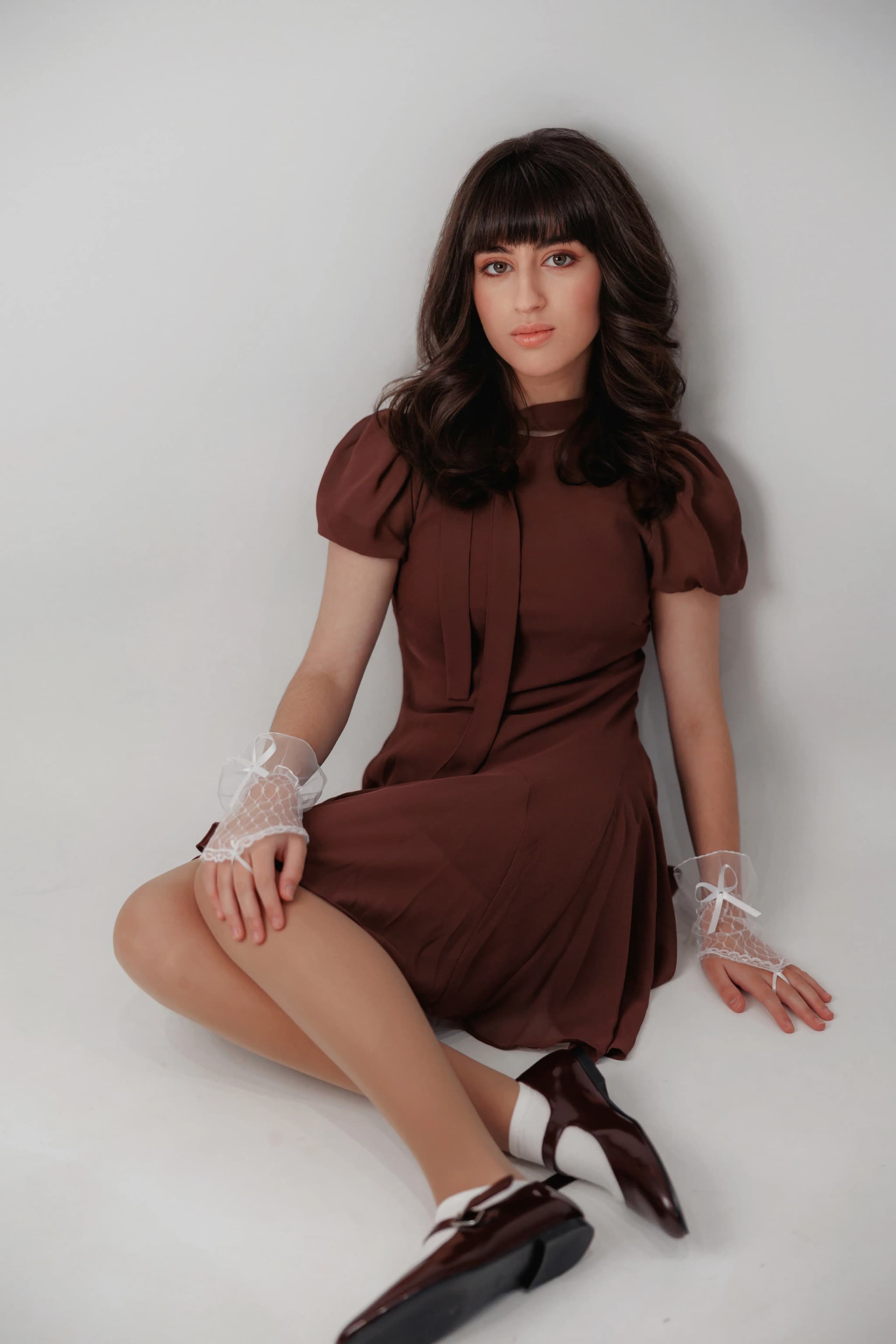
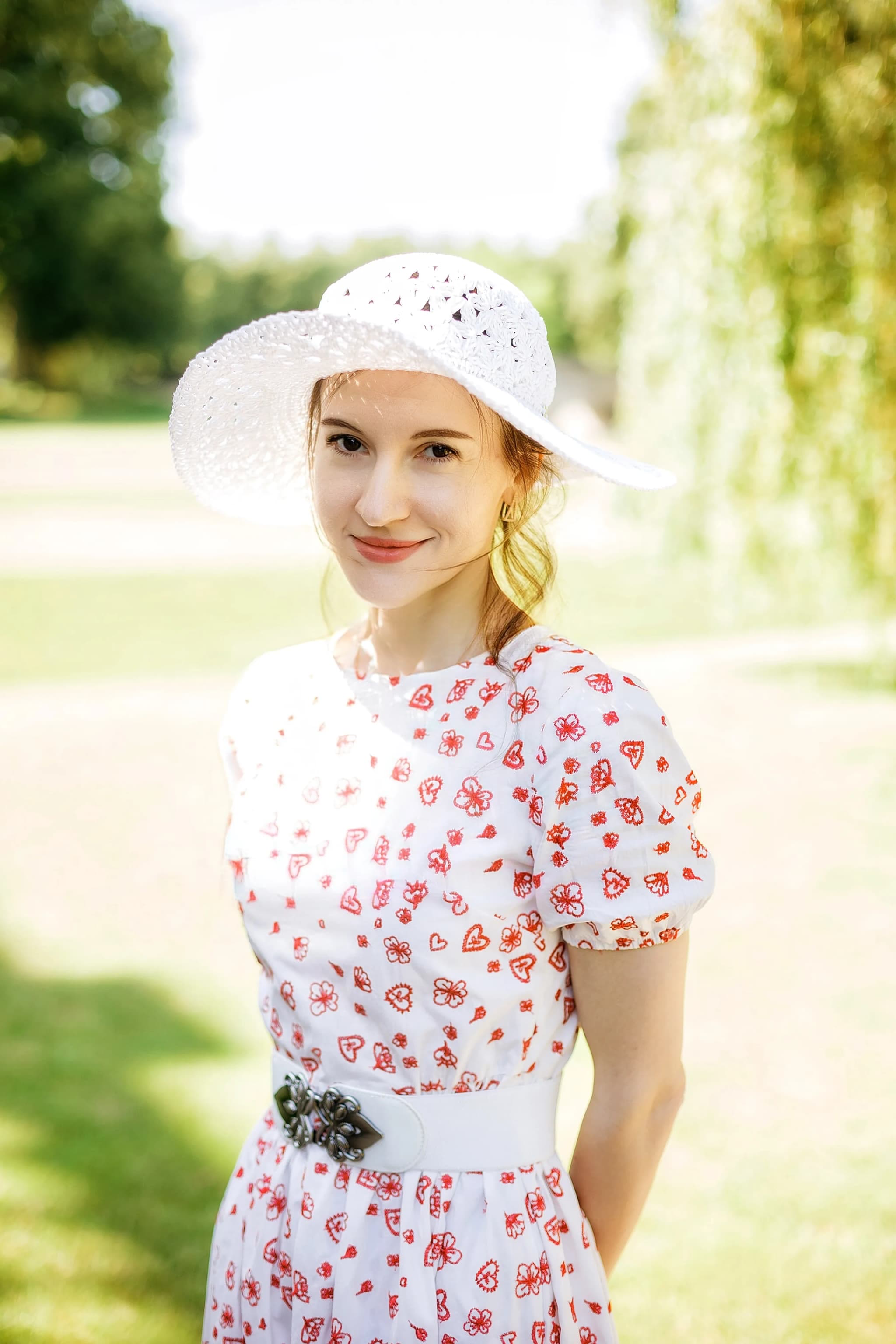
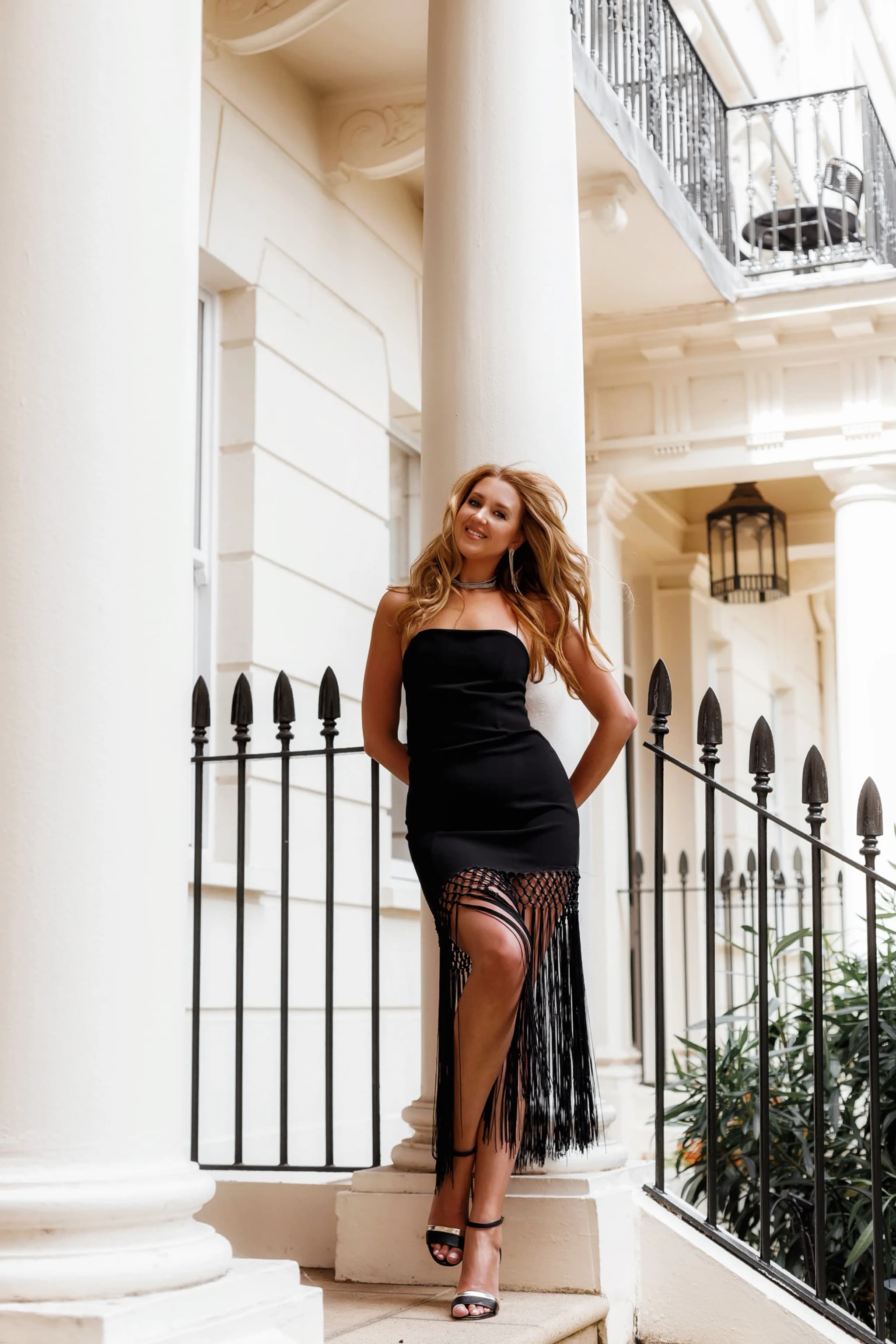
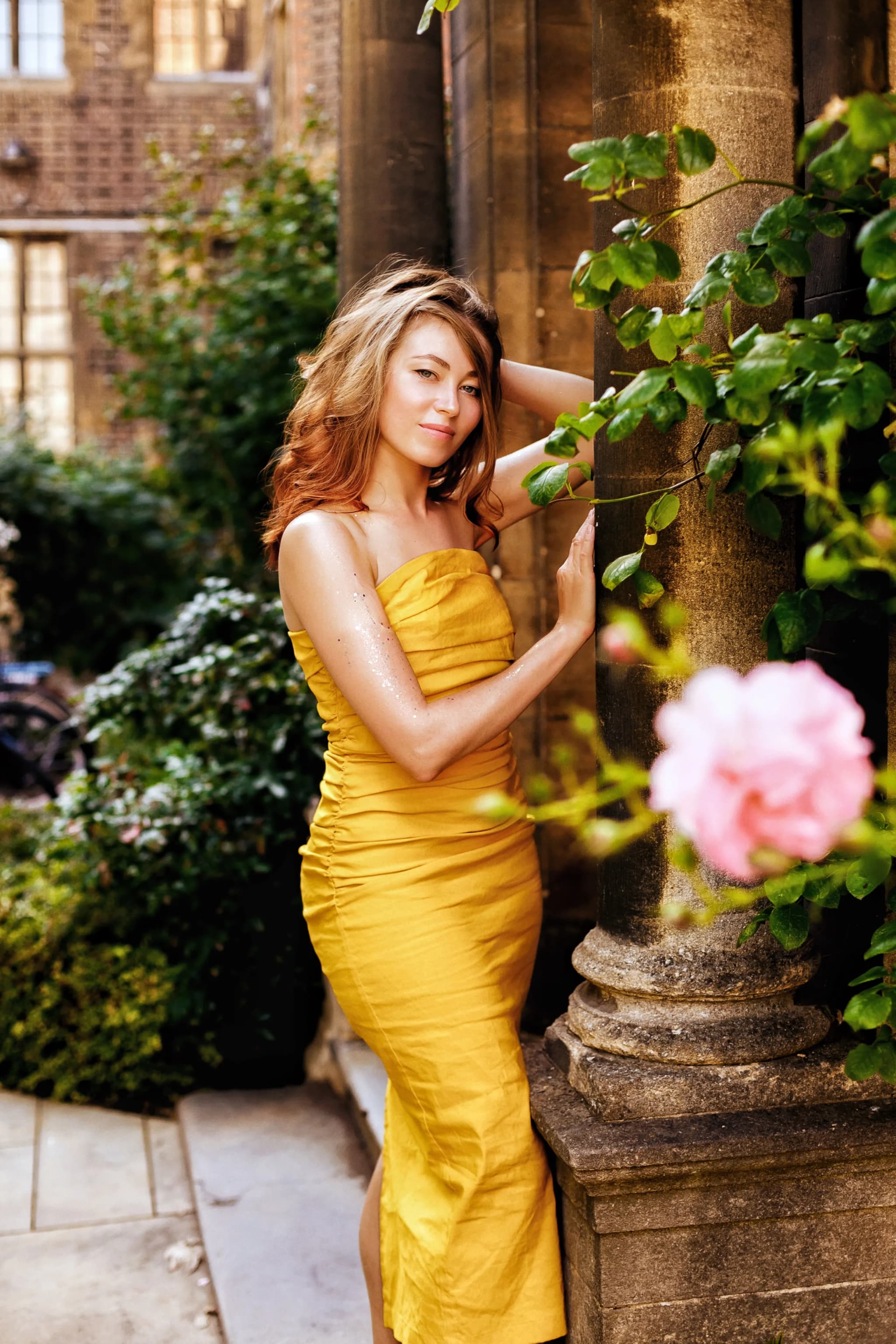
Professional photography is one of the highest-return investments a small business can make. In a digital-first economy, your images are your storefront, your handshake, your first impression. Stock photos scream "generic." Phone snapshots undermine credibility. Custom professional photographs of your team, your products, your premises, and your work in action build trust, attract customers, and give you visual assets that work across every marketing channel for years.
This guide covers what types of photography small businesses need, how to prepare for a commercial shoot, and how to maximise the value of your images.
Why Professional Images Matter for Small Businesses
The statistics are consistent: consumers trust businesses with professional photographs significantly more than those using stock or amateur imagery. Specifically:
- Website conversion: pages with custom photography convert at higher rates than those with stock images. Visitors can tell the difference — even unconsciously.
- Social media engagement: posts with original, high-quality images receive more engagement across every platform than those with stock or phone-quality photos.
- Brand consistency: professional images shot in your style, with your colours, in your environment create a cohesive brand identity that stock photos can never achieve.
- Trust building: seeing real people, real products, and real premises reassures potential customers that your business is legitimate, established, and professional.
Types of Photography Small Businesses Need
Team Headshots
Individual and group portraits of your team. These appear on your website's About page, LinkedIn profiles, email signatures, and marketing materials. Consistent headshots — same background, same lighting style, same framing — create a professional, unified appearance.
Options range from formal studio headshots (plain background, suited up) to environmental portraits (photographed in your workspace, more casual). The right choice depends on your industry and brand tone.
Brand Photography
Images that tell your brand story — not just what you sell, but who you are. A baker covered in flour, hands shaping dough. A mechanic under a lifted bonnet. A therapist in a calm, sunlit office. These images convey personality, expertise, and authenticity.
Brand photography sessions typically produce 50–100+ images covering multiple scenarios, angles, and compositions — giving you a library of content for months of social media, website updates, and marketing.
Product Photography
Clean, well-lit images of your products. E-commerce platforms, catalogues, social media, and advertising all require product images. Two approaches:
- White background (cut-out) images: clean, standardised, essential for e-commerce listings and catalogues.
- Lifestyle product images: products shown in use, in context, in styled settings. These tell a story — a candle burning on a bedside table, a handbag carried through a market, a food product plated and styled.
Interior and Premises Photography
If customers visit your premises — a restaurant, salon, clinic, shop, gym, office — professional interior photography is essential. Google Business profiles with quality photos receive significantly more engagement. Estate agents understood this years ago; other businesses are catching up.
Event and Documentary Coverage
Product launches, corporate events, team away days, charity events, and workplace candids all provide valuable visual content that showcases your business culture and community engagement.
Preparing for a Commercial Shoot
Define Your Shot List
Before the shoot, create a detailed list of what you need:
- How many headshots (and of whom)?
- What products need photographing (and in what style)?
- What scenarios or actions should be captured (team meeting, making a product, serving a customer)?
- Where will these images be used (website, social media, print materials, advertising)?
- What dimensions and orientations do you need (landscape for website banners, portrait for Instagram, square for thumbnails)?
Prepare Your Space
- Clean and declutter: remove anything you don't want in the final images. Clear desks, tidy shelves, remove personal items from communal spaces.
- Consider branding: ensure your logo, signage, and brand colours are visible and well-maintained.
- Lighting check: are the lightbulbs all working and matching colour temperature? Flickering fluorescents ruin commercial images.
- Fresh flowers, props, and styling: small touches that elevate the visual quality. A vase of fresh flowers on a desk, a neatly arranged product display, branded stationery.
Prepare Your Team
- Communicate in advance what they should wear — consistent dress code or brand colours.
- Schedule the shoot when energy is highest — not Friday afternoon.
- Allow time for each person's headshot — rushing makes people tense.
- Ensure participants have realistic expectations: professional headshots take 10–15 minutes per person, not 60 seconds.
Maximising the Value of Your Images
A commercial shoot is an investment. To maximise return:
- Use images everywhere: website, social media, Google Business, LinkedIn, email signatures, print brochures, business cards, internal communications. Don't let images sit unused.
- Plan for multiple formats: ask your photographer to shoot both landscape and portrait orientations for key scenes. Website headers need landscape; Instagram needs portrait and square.
- Create a content calendar: with 50–100 images from a single session, you have months of social media content. Plan when and how you'll use each image.
- Update regularly: team photos become outdated as people join and leave. Product photography needs refreshing as your range evolves. Plan an annual or bi-annual commercial shoot to keep your visual assets current.
- Use for recruitment: images of your team, workspace, and culture appear on job listings and career pages. Candidates form impressions from these images — make them count.
Choosing a Commercial Photographer
- Review their commercial portfolio specifically. Wedding photography and commercial photography are different disciplines. A photographer may be excellent at one and not the other.
- Ask about licensing. Commercial photography licences define where and how you can use the images. Ensure the licence covers all your intended uses — website, social media, print, advertising.
- Discuss turnaround time. Commercial images often need to be live quickly — for a launch, an event, a seasonal campaign. Confirm delivery timelines before booking.
- Request a moodboard session. A good commercial photographer will research your brand, competitors, and target audience before the shoot, creating a visual plan that aligns with your business goals.
The ROI of Professional Photography
A half-day commercial shoot costs £500–£1,500 in the UK. That investment produces 50–100+ images usable across every marketing channel for 12–24 months. Compare that to the ongoing cost of stock photo subscriptions (which produce generic results) or the invisible cost of amateur imagery undermining your brand credibility with every potential customer who visits your website or social media.
Professional photography isn't an expense. It's a marketing asset that works for you every single day.
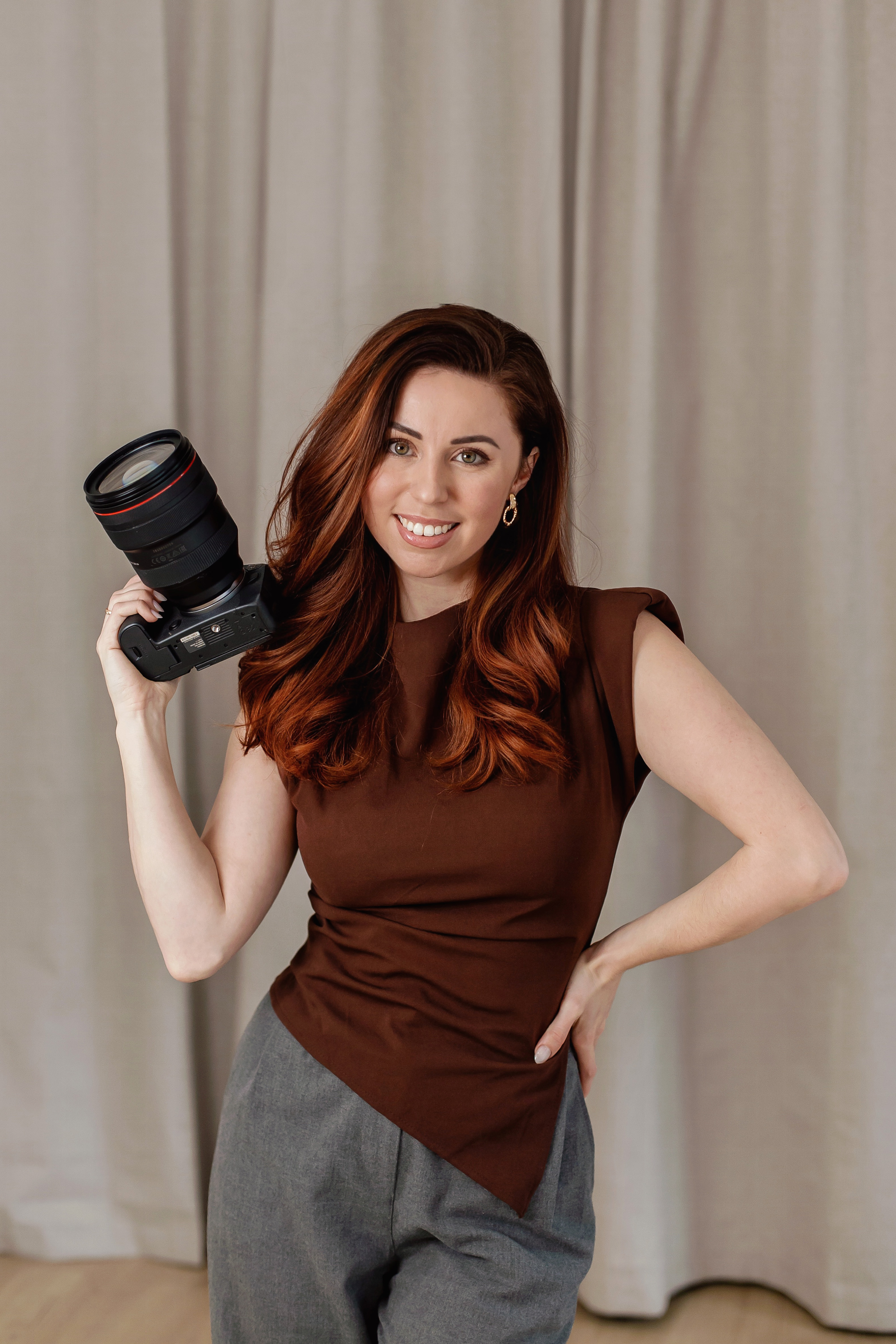
I photograph small businesses with the same attention to detail I bring to every session.
Headshots, brand photography, and product imaging — tailored to your business. Get a commercial quote.