Yana Skakun

10 Best Wedding Florists in Cambridge and Cambridgeshire
By Yana Skakun·10 July 2026·7 min read
Flowers do more work at a wedding than almost any other element, and they do it quietly. A good florist shapes the colour story of your day before your guests have even noticed — the tone of the bouquet against a dress, the way an arch frames a ceremony, the scent that drifts through a marquee at the reception. As a wedding photographer working across Cambridge and the wider county, I spend entire days standing close to floral work: photographing bouquets in window light before the ceremony, shooting through arches and installations, and documenting the small details couples have spent months planning. Over the years I have photographed weddings with florists working in styles from tightly structured and formal to loose, foraged, and wild, and I have a genuine appreciation for how much skill sits behind arrangements that look effortless.
This guide is not a ranked top ten in the strict sense — Cambridgeshire has a genuinely strong florist community and taste is personal. Instead, it is a practical look at the kinds of florists working across the region, what to look for in each style, and how to think about choosing one for your own day. If you are still building your supplier list, it is worth reading alongside my broader guide to Cambridge wedding suppliers and my notes on Cambridge wedding florists specifically.
Why Florist Choice Matters More Than Couples Expect
Most couples underestimate how much floral styling affects the overall look of their wedding photographs until they see the finished gallery. A bouquet is not just something to hold during the ceremony — it is in nearly every portrait, every ceremony shot, and most of the reception detail images. The colour palette a florist builds often becomes the colour palette of the day itself, echoed in bridesmaid dresses, table linen, and even the light filtering through a marquee roof.
There is also a practical, structural side to floristry that couples rarely think about until it goes wrong. Arch installations need to be built to withstand wind on an outdoor lawn. Buttonholes need to survive being handled, pinned, and worn for eight or nine hours without wilting. Table arrangements need to be low enough that guests can see each other across a table, or tall enough to clear sightlines entirely — there is very little acceptable middle ground. A florist with genuine wedding-day experience understands these constraints instinctively; a talented arranger without that specific experience can still produce a beautiful arch that will not stay upright for the ceremony photographs.
Classic and Structured English Florists
Cambridgeshire has a strong tradition of classic English floristry — the kind of work you see at college weddings and country house venues, where the arrangements are lush and full but carefully controlled in shape. This style tends to favour garden roses, peonies in season, sweet peas, and ranunculus, built into rounded, hand-tied bouquets and pedestal arrangements that suit formal architecture. If your venue is one of the Cambridge colleges, a Georgian country house, or anywhere with strong period features, a florist working in this classic register will usually complement the setting better than something more loose or wild.
The strength of this style in photographs is its timelessness. Classic arrangements photograph beautifully in black and white as well as colour, and they tend not to date the way more trend-driven styles can when you look back at the images in ten years. I have photographed several college weddings where the floristry leaned into this structured English look and the images have a quality that feels closer to a portrait painting than a snapshot of a particular year.
Wild, Foraged, and Seasonal Specialists
A growing number of florists across the county work in a looser, more naturalistic style — asymmetric bouquets with trailing stems, arrangements that mix cultivated flowers with foraged grasses, seed heads, and hedgerow greenery, and a general aesthetic that reads as gathered rather than composed. This suits barn weddings, marquee weddings in open fields, and any couple whose overall styling leans rustic or bohemian.
Seasonal, locally grown flowers are usually central to this approach, which has two real benefits beyond aesthetics. Locally grown, seasonal stems are typically fresher on the day — they have not travelled internationally in refrigerated transport — and they tend to have more fragrance and movement than imported hothouse flowers. The trade-off is that a strictly seasonal approach means your colour palette is somewhat dictated by the calendar: a February wedding will not have access to garden roses and dahlias the way a September one will, and a good florist working this way will be upfront about what is genuinely available for your date rather than promising something that will need to be flown in against their own stated ethos.
Botanical and Foliage-Led Designers
A third recognisable style in the region leans heavily on foliage and texture over bloom volume — eucalyptus, olive branch, trailing amaranthus, ferns, and structural leaves, with flowers used more sparingly as accents rather than the main event. This works particularly well for minimalist or modern styling, and it tends to be a more budget-flexible route since foliage is generally less expensive than out-of-season flowers, allowing the same budget to stretch across a larger installation like an arch or a hanging feature.
Botanic Garden weddings and anywhere with strong natural greenery already in the setting — I think particularly of some of the garden and orchard venues around the county — suit this style especially well, because the floristry extends the existing landscape rather than competing with it. If your venue already has beautiful mature planting, a foliage-led florist can design arrangements that feel like a continuation of the grounds rather than an imported addition.
A note on booking order
Florists and photographers are both booked well in advance for popular Cambridgeshire dates — often twelve to eighteen months ahead for peak summer Saturdays. If you already have a sense of your colour palette and overall style, sharing it with me early helps me plan detail shots and portrait locations that work with your florist's vision rather than against it. If you are still deciding on suppliers, I am always happy to talk through which florists I have seen work well at specific venues.
Get in touchQuestions Worth Asking Before You Book
Beyond looking at a florist's portfolio, there are a handful of practical questions that reveal a great deal about how well they will handle your actual wedding day. Ask whether they have worked at your specific venue before, or if not, whether they are willing to do a site visit — venue familiarity matters enormously for anything structural like an arch or a large installation, since every space has different light, wind exposure, and access constraints.
Ask how they handle delivery and setup timing, and specifically how early bouquets and buttonholes will arrive relative to when photography starts. As a photographer, one of the most common scheduling frustrations on a wedding morning is flowers arriving later than planned, which compresses the time available for unhurried detail and getting-ready photographs. A florist with strong wedding-day logistics will build in a sensible buffer.
Ask about their approach to your specific season and be honest about your budget from the outset. Good florists would rather have a frank conversation about what is achievable within your budget than quietly substitute cheaper stems without discussion. Ask what happens to arrangements after the day too — some florists offer to repurpose ceremony flowers for the reception, which is both a lovely practical touch and genuinely useful for couples trying to make the most of their floral budget.
How Florists and Photographers Work Together on the Day
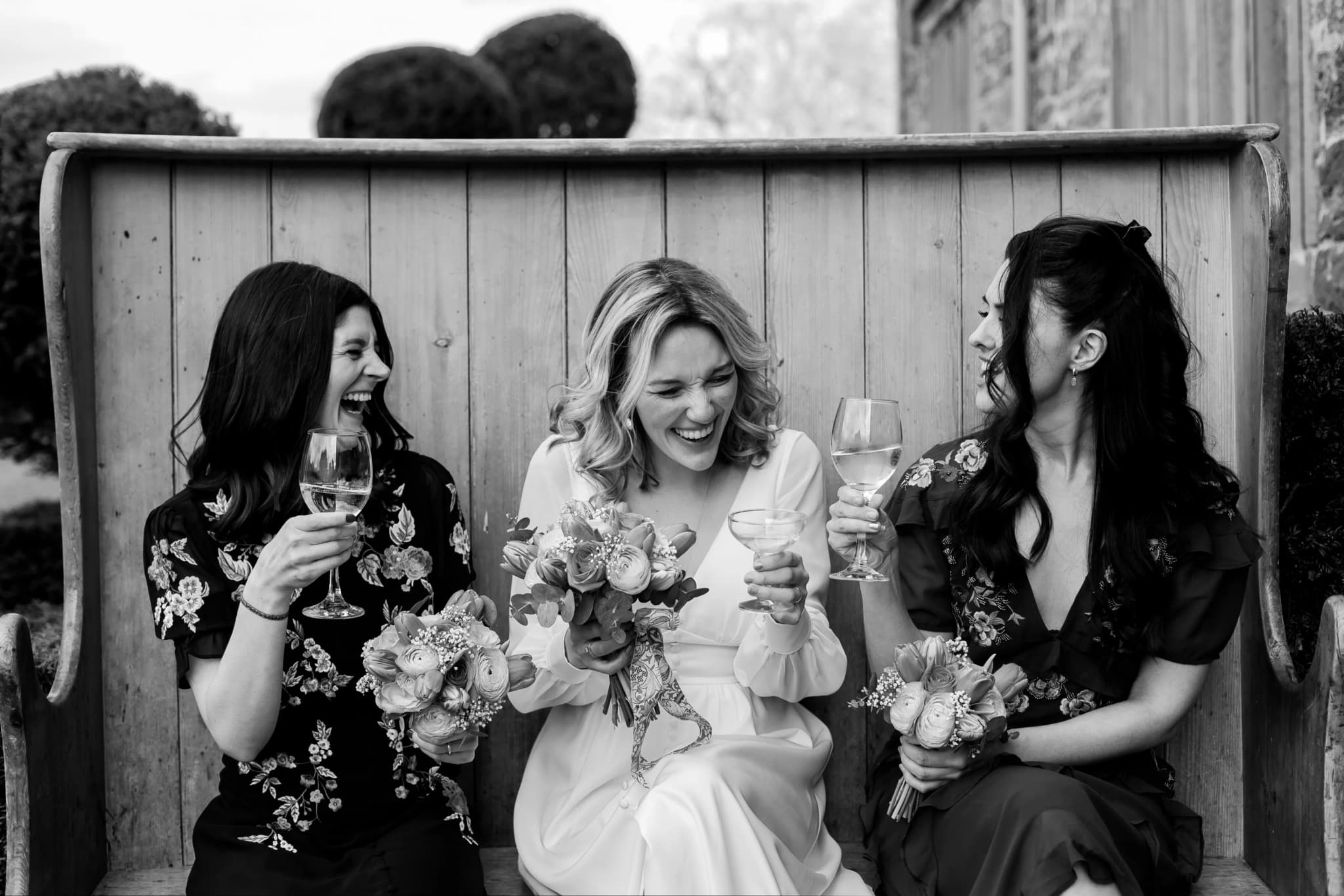
Some of the best floral detail photographs happen because a florist and photographer have a good working relationship, even an informal one. I generally ask to photograph the bouquet, buttonholes, and any small details in good natural light before the flowers get handled and moved through the day — a bouquet in the first hour after arrival still has its shape and freshness in a way that can change after several hours of being carried, set down, and picked back up.
I also like to coordinate loosely with florists on installations like arches or aisle arrangements, mainly around timing — knowing roughly when a structure will be finished being dressed means I can plan when to capture it empty, styled, and ready before guests arrive, which often becomes one of the most requested images in the final gallery. None of this needs to be formally arranged in advance; most florists are used to photographers wanting a few quiet minutes with the flowers, and it tends to happen naturally on the day.
Building Your Florist Shortlist
A sensible way to shortlist florists is to start from your venue and overall style rather than working purely from Instagram inspiration. A florist whose usual work is grand pedestal arrangements for large marquees may not be the best fit for an intimate register office ceremony with a dozen guests, and vice versa. Look at real wedding galleries rather than styled shoots where possible — styled shoots are beautiful but are built without the time pressure, weather, and handling constraints of an actual wedding day, so they do not always reflect what you will get.
If you have already booked your venue and photographer, ask both for florist recommendations — venues in particular often have a working list of florists who know the space well, understand access and delivery logistics, and have a track record of turning up on time with exactly what was agreed. It is one of the simplest ways to reduce risk on a day where you genuinely cannot afford things to go wrong.
For couples still finalising their overall supplier list and budget, it is worth reading my guide to Cambridge wedding photographer pricing alongside your floristry budget, since the two often need to be balanced against each other within an overall spend. And if you are researching venues at the same time as suppliers, my write-up of Botanic Garden wedding photography is a useful companion piece, since garden-led venues and floristry choices tend to inform each other closely.
Flowers, more than almost any other supplier choice, shape the visual memory of a wedding day. Whichever style you gravitate towards — classic and structured, wild and foraged, or foliage-led and botanical — the florists working across Cambridge and Cambridgeshire cover the full range with genuine skill, and taking the time to find the right match for your venue and vision pays off in every photograph taken that day. If you are planning a wedding in the region and would like to talk through how floristry, venue, and photography style come together, get in touch with Yana Skakun Photography — I am always glad to share what I have seen work well across the county's venues.

Yana Skakun
Photographer · England
Professional wedding, family and portrait photographer based in England. Passionate about capturing authentic emotions and timeless moments.
About Yana →wedding florists CambridgeCambridgeshire wedding flowerswedding bouquet styles UKCambridge wedding supplierswedding photographer Cambridgechoosing a wedding florist
Wedding Tips — Wedding Photography in Cambridge & England
Yana Skakun is a professional wedding photographer based in Cambridge, covering weddings across England — from intimate elopements to full-day ceremonies at country houses, barns, and city venues. Every couple receives a relaxed, documentary approach that captures the day as it truly unfolds. This guide — 10 Best Wedding Florists in Cambridge and Cambridgeshire — is part of the photography journal: practical, experience-based advice drawn from real sessions across England. Whether you arrived searching for wedding florists cambridge or cambridgeshire wedding flowers, the same care and attention shapes every session Yana photographs.
Wedding Photography sessions are available year-round, with bookings open across Cambridge, Ely, Huntingdon, Peterborough, and further afield — East England, London, the Midlands, and beyond. If you have specific questions about wedding bouquet styles uk, mention it in your enquiry. Get in touch through the contact form above to check availability and discuss your session. Enquiries are welcomed from anywhere in the UK.
Frequently Asked Questions
How much does a wedding photographer cost in England?+
Wedding photography in England typically ranges from £1,500 to £4,000+ for a full day. Price depends on experience, coverage hours, and whether albums or engagement shoots are included. Most photographers charge between £2,000–£3,000 for 8–10 hours of coverage.
How early should you book a wedding photographer?+
For peak season (May–September), book 12–18 months in advance. For autumn and winter weddings, 9–12 months is usually sufficient. Popular photographers at popular venues fill up fast — as soon as you have a date and venue confirmed, start reaching out.
How many photos do you get from a wedding photographer?+
Most professional wedding photographers deliver 400–800 edited images for a full-day wedding. The exact number depends on coverage hours, how many guests there are, and the photographer's editing style. Quality matters more than quantity — a curated gallery of 500 images tells the story better than 1,500 unedited files.
Do you need a second photographer at your wedding?+
A second photographer is helpful if you want simultaneous coverage of getting-ready moments in different locations, multiple angles during the ceremony, or more candid coverage during the reception. It adds cost but significantly increases the variety and completeness of your gallery.
What is the difference between documentary and editorial wedding photography?+
Documentary (reportage) wedding photography captures moments as they happen — the photographer observes and doesn't intervene. Editorial photography involves deliberate direction: placing you in good light, shaping compositions, creating intentional portraits. Most photographers blend both styles throughout the day.
Continue Reading
Related Articles

Wedding Tips
Sustainable Eco-Friendly Wedding Guide — Planning a Green Celebration
15 min read · Read Article
Wedding Tips
Trash the Dress Session — Complete Planning and Photography Guide
14 min read · Read Article
Wedding Tips
Client Communication for Photographers — From Enquiry to Gallery Delivery
15 min read · Read Article
Get in Touch
Ready to Book Your Session?
Get in touch to discuss your vision — I'll reply within 24 hours.