Yana Skakun

5 Ways to Repurpose Brand Photography Across Your Social Media
By Yana Skakun·10 July 2026·7 min read
One of the most common mistakes I see business owners and content creators make is treating a photoshoot as a single-use event: the images go up once, in one place, and then sit unused in a folder for the rest of the year. A well-planned brand photography session should work far harder than that. A single afternoon of shooting, done properly, can supply months of content across half a dozen platforms — each with its own dimensions, tone, and purpose. The skill is not just in taking good photographs, it is in shooting with repurposing in mind from the very start, and then knowing how to adapt the same images intelligently once you have them.
As a Cambridge-based photographer who also works with content creators and small businesses, I plan every brand session around this idea. Below are five practical ways to stretch a single shoot across your social media presence, along with the thinking behind each one.
1. Shoot a Mix of Orientations from the Start
The single biggest reason brand photography gets under-used is that it was shot with only one platform in mind. A set of images composed exclusively as square Instagram grid posts will always feel cropped and awkward when you try to use them for a widescreen YouTube thumbnail or a vertical Instagram Story. The fix has to happen at the shoot itself, not in editing afterwards.
When I plan a content session, I deliberately vary the framing throughout: some frames tight and vertical for Stories and Reels covers, some wider and horizontal for LinkedIn banners or website headers, and some with generous negative space around the subject so there is room to crop into a square without losing anything important. This means that instead of one usable format, you walk away with a library that already fits the shapes each platform demands, rather than fighting to force one crop to do everything.
A practical habit worth adopting even outside a professional shoot: whenever you are being photographed for brand purposes, ask whether some frames can be taken with extra space above the head or to one side. That space costs nothing to capture and gives you far more flexibility later when a caption, logo, or text overlay needs somewhere to sit.
2. Turn Stills into a Sequence for Reels and Stories
Video-first platforms have changed what "photography content" means, but that does not mean stills are obsolete for them. A well-shot sequence of five or six images from the same setting — slightly different angles, expressions, or moments — can be assembled into a short Reel with transitions, text, and music, and it will often perform just as well as native video, particularly for behind-the-scenes or process-driven content.
The trick is shooting in genuine sequences rather than isolated hero shots. If a photographer captures you at a desk from five different angles as you naturally move through a task, that becomes six or seven usable stills that cut together into a coherent thirty-second story: hands typing, a considered pause, a smile up at the camera, a wider shot of the workspace. Treated individually, each is a single Instagram post. Assembled, they become a Reel, a Story sequence, and a set of individual posts, all from the same few minutes of shooting.
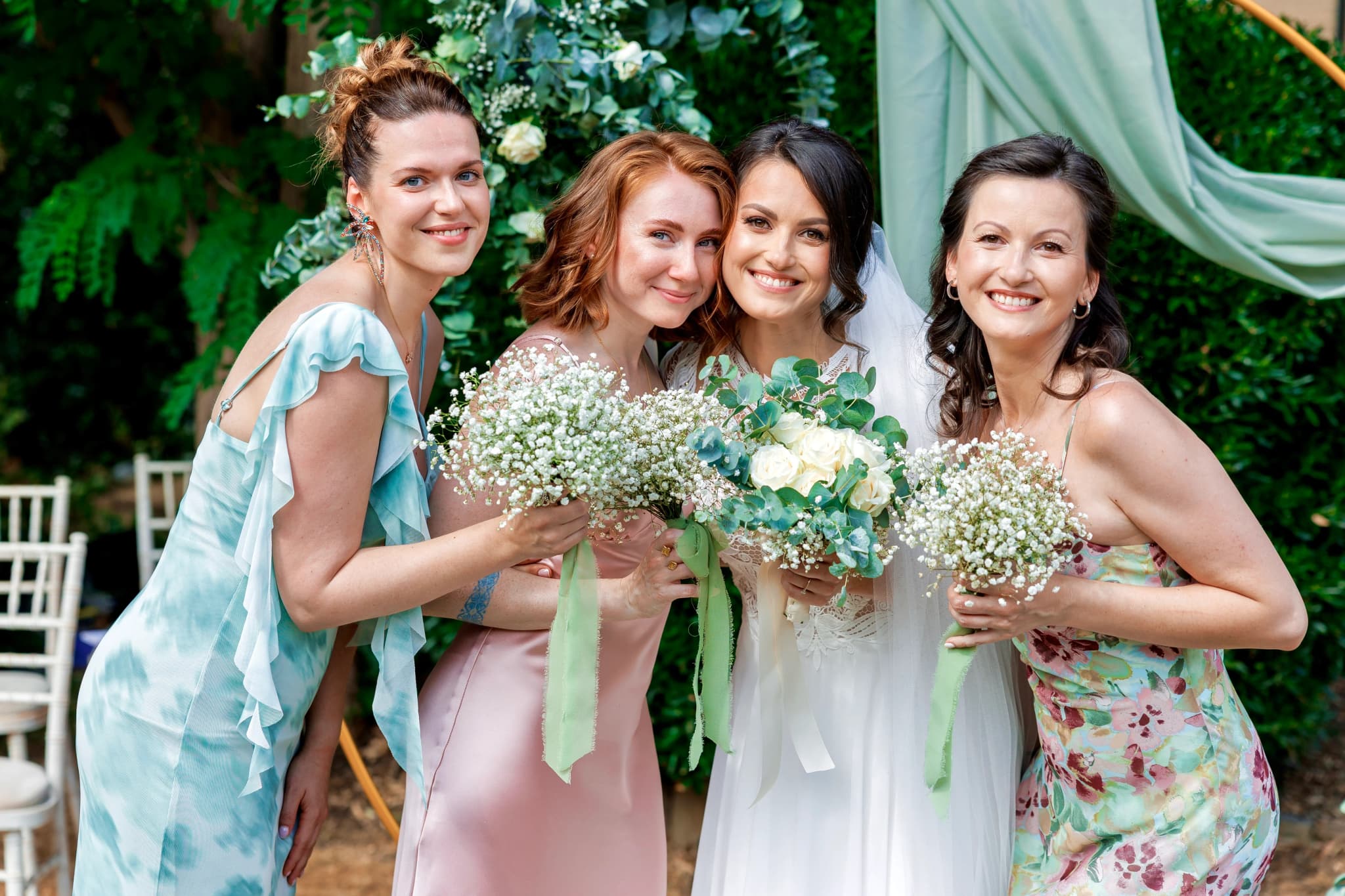
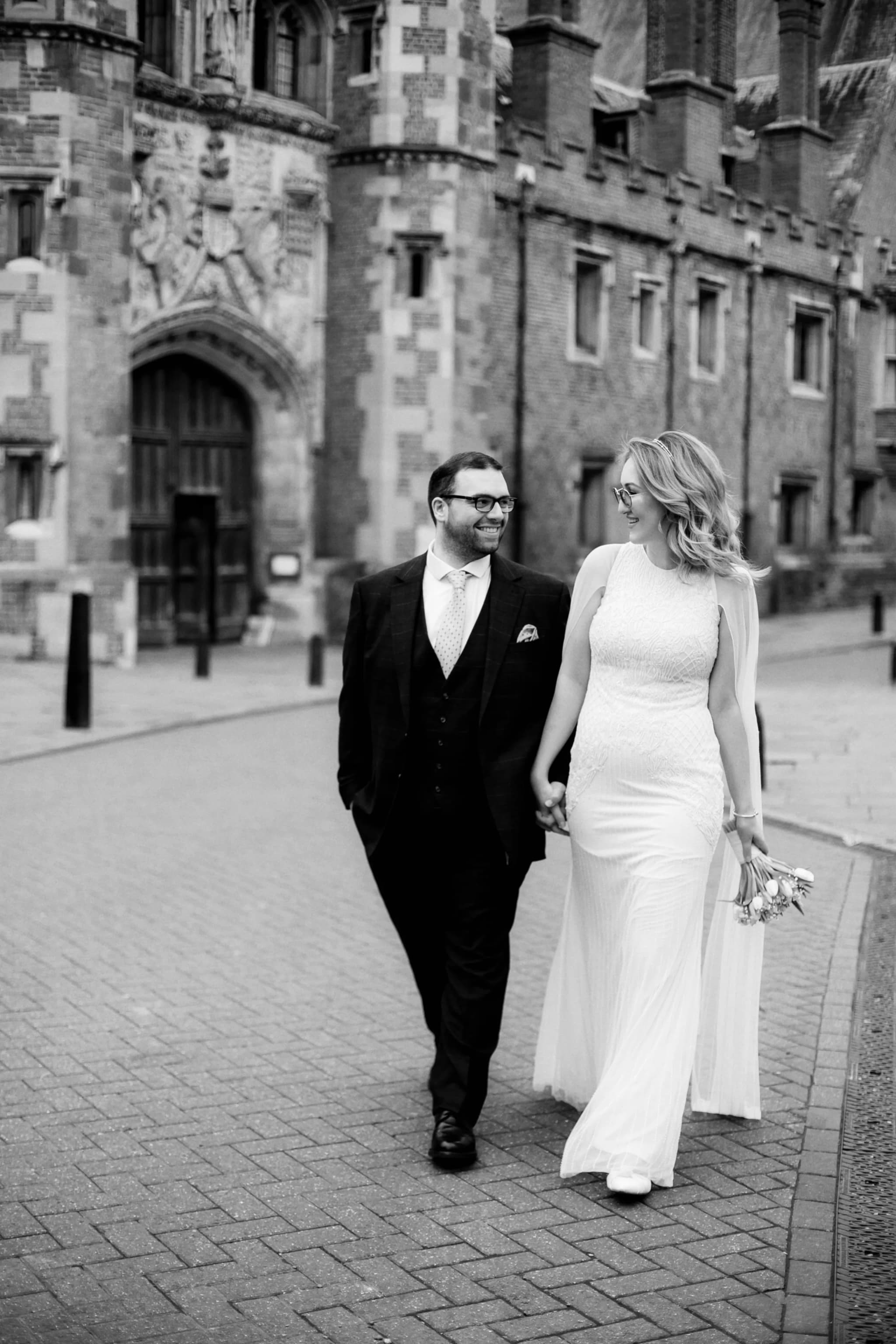
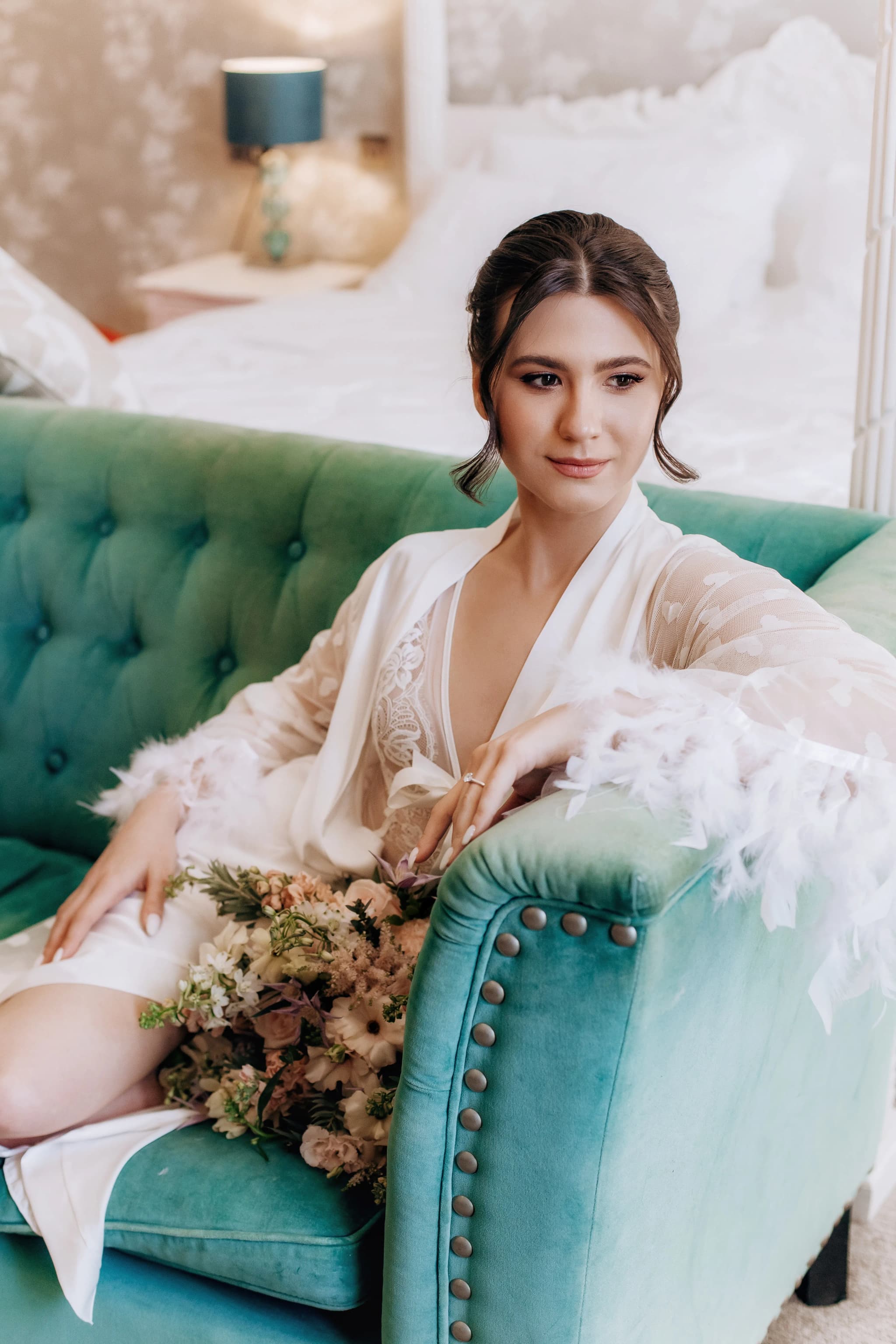
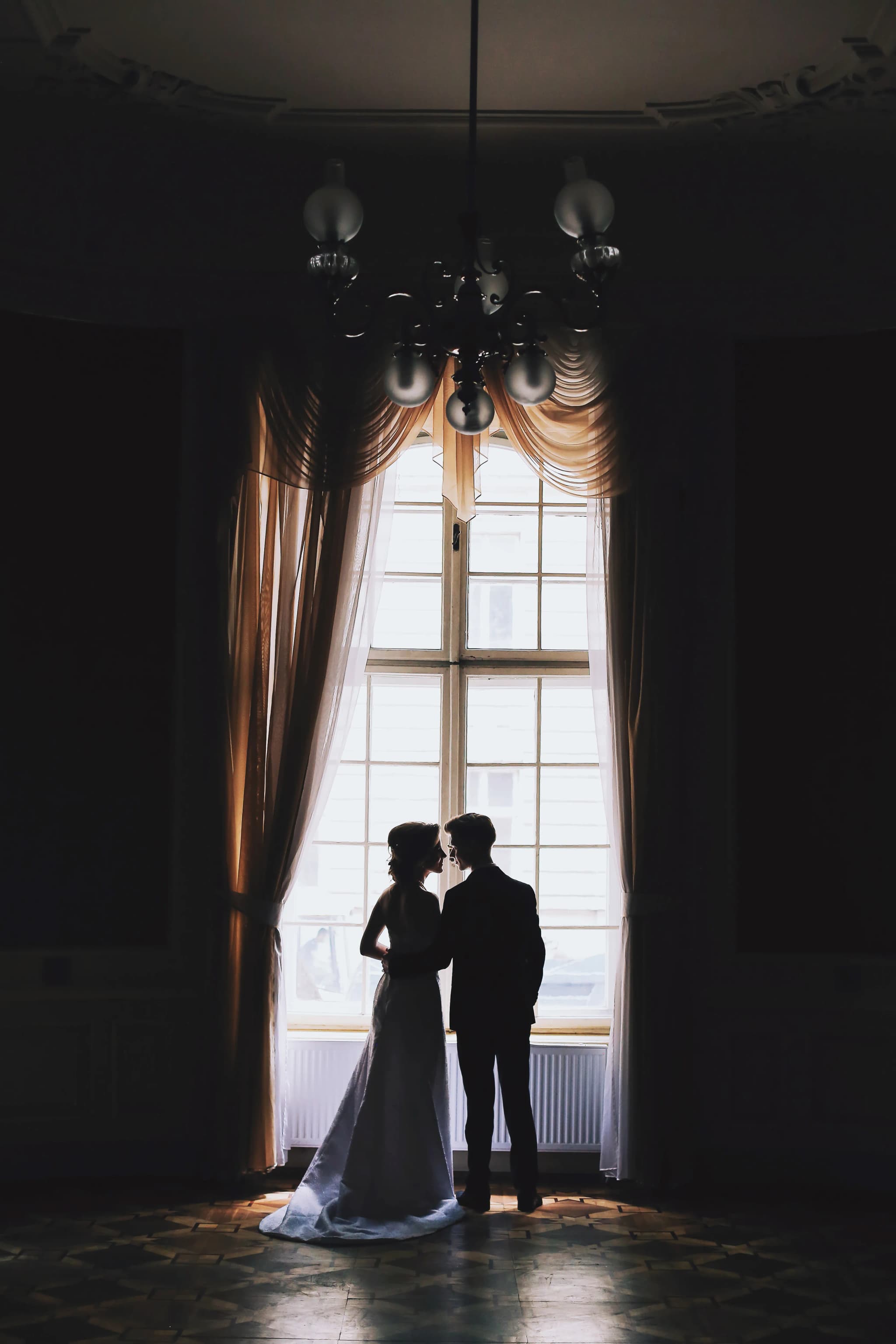
This is also where a photographer's experience with movement matters. Wedding photography in particular trains you to capture genuine, unposed moments in sequence rather than static set-ups — the same instinct that makes a candid wedding day gallery feel alive is exactly what makes brand content feel authentic rather than staged.
Planning a content session
If you are a business owner, coach, or content creator in or around Cambridge and want a session built specifically for multi-platform use, I would be glad to talk through what you need. We can plan shot lists around your actual posting calendar rather than shooting first and figuring out the content strategy afterwards.
Get in touch3. Build a Grid, Not Just a Post
Instagram in particular rewards visual consistency across a profile grid far more than any single post rewards a clever caption. When people land on your profile for the first time, they are scanning the overall impression of the nine or twelve tiles they can see before deciding whether to follow. A single photoshoot, if the images share a consistent colour palette, lighting style, and mood, can supply an entire month or more of grid posts that look intentional and cohesive rather than assembled from whatever happened to be on hand that week.
Before a session, I ask clients to think about their brand colours and the general feeling they want their feed to communicate — warm and approachable, clean and minimal, bold and energetic — and I shoot and edit with that consistency in mind. The result is a set of images that were technically captured in one afternoon but can be spaced out over eight or ten weeks of posting without ever looking repetitive, because the variety comes from framing, expression, and setting rather than from a scattered visual style.
This is a genuinely underused strategy. Most people post a photo the week it was taken and then never touch it again. Building a simple content calendar that spaces your best images out over weeks, mixed with text posts and video, gets significantly more value out of every session than a single burst of posting followed by another gap.
4. Repurpose Across Platforms with Different Crops and Captions
The same photograph rarely needs to be presented identically on every platform, and treating each platform as having its own audience and its own expectations gets far more mileage out of a single image. A wide environmental shot of you at work might become a LinkedIn post about your professional background, an Instagram Story with a poll sticker asking followers a related question, and a cropped, tighter version used as a Twitter/X profile banner — three different pieces of content, three different audiences, one photograph.
LinkedIn audiences generally respond well to context and substance in captions — the story behind the image, a lesson learned, a professional milestone. Instagram audiences respond to a more personal, conversational tone. Pinterest, if relevant to your business, rewards vertical crops with clear, benefit-led text overlays. None of this requires new photography each time; it requires thinking about the same set of images through the lens of where they are being posted and who is likely to see them there.
It is worth building a simple system for this rather than reinventing it each time: a folder structure sorted by platform and crop ratio, a rough caption bank of angles you tend to return to, and a habit of revisiting older images every few months rather than assuming they have been fully used after their first appearance. Many businesses I work with are surprised, a year later, by how much unused but perfectly good content is still sitting in their original gallery.
5. Use Stills as the Backbone of Paid and Website Content
Social media is only one destination for brand photography, and it is worth planning a session with the other uses in mind too. The same images that populate an Instagram grid can become the hero image on a website homepage, the visuals behind a paid ad campaign, the header for an email newsletter, or the cover photo for a blog post. Shooting once for all of these purposes is significantly more efficient than commissioning separate photography for each channel, and it also keeps your visual identity consistent everywhere a potential client or customer might encounter you.
This is particularly relevant if photography sits alongside other services you offer. A couple planning their wedding, for instance, might discover a photographer through an Instagram Reel long before they ever look at a pricing page or browse a full wedding album gallery — the social content and the website content are doing complementary jobs, not competing ones, and they should be built from a shared, consistent set of images rather than treated as entirely separate projects.
When I deliver a brand or content session, clients receive full-resolution files suitable for print and web use alongside the platform-ready crops, precisely so the same shoot can support a website refresh, a paid campaign, and months of organic posting without needing to return for new photography every time a new use comes up.
Getting the Most Out of a Single Session
None of the strategies above require expensive equipment or a huge time investment on shoot day. What they require is planning before the camera comes out: knowing which platforms you actually use, what shapes and formats they need, and what story you want the images to tell across the weeks and months after the shoot rather than just on the day the gallery is delivered. A one-hour session, planned properly, can outperform three separate rushed shoots simply because the thinking happened up front.
If you are based in or around Cambridge and want brand or content photography built around how you actually use social media — not just a folder of pretty pictures you never quite get round to using — I would love to help. As Yana Skakun Photography, I plan sessions with exactly this kind of multi-platform use in mind, whether that is for a wedding-adjacent business, a personal brand, or a content creator building a consistent online presence. Get in touch and we can talk through what a session tailored to your platforms would look like.
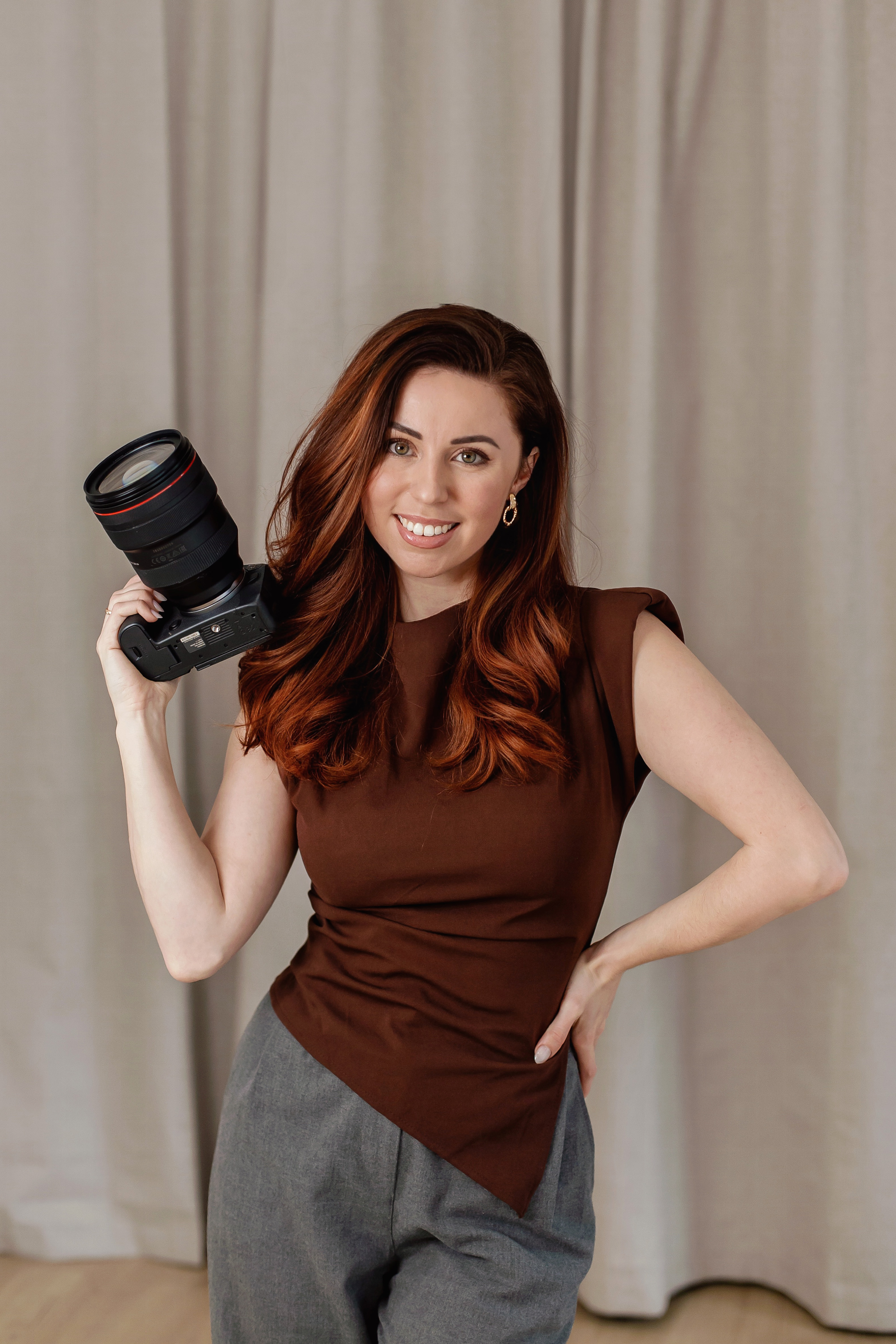
Yana Skakun
Photographer · England
Professional wedding, family and portrait photographer based in England. Passionate about capturing authentic emotions and timeless moments.
About Yana →repurpose brand photography social mediabrand photography Cambridgecontent creator photographyInstagram content strategysocial media photography tipspersonal brand photoshoot
Wedding Tips — Wedding Photography in Cambridge & England
Yana Skakun is a professional wedding photographer based in Cambridge, covering weddings across England — from intimate elopements to full-day ceremonies at country houses, barns, and city venues. Every couple receives a relaxed, documentary approach that captures the day as it truly unfolds. This guide — 5 Ways to Repurpose Brand Photography Across Your Social Media — is part of the photography journal: practical, experience-based advice drawn from real sessions across England. Whether you arrived searching for repurpose brand photography social media or brand photography cambridge, the same care and attention shapes every session Yana photographs.
Wedding Photography sessions are available year-round, with bookings open across Cambridge, Ely, Huntingdon, Peterborough, and further afield — East England, London, the Midlands, and beyond. If you have specific questions about content creator photography, mention it in your enquiry. Get in touch through the contact form above to check availability and discuss your session. Enquiries are welcomed from anywhere in the UK.
Frequently Asked Questions
How much does a wedding photographer cost in England?+
Wedding photography in England typically ranges from £1,500 to £4,000+ for a full day. Price depends on experience, coverage hours, and whether albums or engagement shoots are included. Most photographers charge between £2,000–£3,000 for 8–10 hours of coverage.
How early should you book a wedding photographer?+
For peak season (May–September), book 12–18 months in advance. For autumn and winter weddings, 9–12 months is usually sufficient. Popular photographers at popular venues fill up fast — as soon as you have a date and venue confirmed, start reaching out.
How many photos do you get from a wedding photographer?+
Most professional wedding photographers deliver 400–800 edited images for a full-day wedding. The exact number depends on coverage hours, how many guests there are, and the photographer's editing style. Quality matters more than quantity — a curated gallery of 500 images tells the story better than 1,500 unedited files.
Do you need a second photographer at your wedding?+
A second photographer is helpful if you want simultaneous coverage of getting-ready moments in different locations, multiple angles during the ceremony, or more candid coverage during the reception. It adds cost but significantly increases the variety and completeness of your gallery.
What is the difference between documentary and editorial wedding photography?+
Documentary (reportage) wedding photography captures moments as they happen — the photographer observes and doesn't intervene. Editorial photography involves deliberate direction: placing you in good light, shaping compositions, creating intentional portraits. Most photographers blend both styles throughout the day.
Continue Reading
Related Articles

Wedding Tips
Sustainable Eco-Friendly Wedding Guide — Planning a Green Celebration
15 min read · Read Article
Wedding Tips
Trash the Dress Session — Complete Planning and Photography Guide
14 min read · Read Article
Wedding Tips
Client Communication for Photographers — From Enquiry to Gallery Delivery
15 min read · Read Article
Get in Touch
Ready to Book Your Session?
Get in touch to discuss your vision — I'll reply within 24 hours.