Yana Skakun

Why Budgeting £500 for a Wedding Photographer is Unrealistic in 2026
By Yana Skakun·10 July 2026·8 min read
Every few weeks I get an enquiry that starts the same way: "We've set aside £500 for photography, is that something you can work with?" I understand exactly where the figure comes from. Wedding budgets get carved up across a dozen suppliers, the venue and catering swallow the largest share, and photography — something that produces a deliverable you don't actually see until weeks after the day — ends up near the bottom of the list with whatever is left over. But £500 for a wedding photographer in the UK in 2026 is not a tight budget. It is, for almost every legitimately trading, insured, experienced photographer, a number that simply doesn't cover the actual cost of doing the job. This isn't a sales pitch. It's an honest breakdown of why that figure has become unrealistic, and what you can actually do if your photography budget is genuinely limited.
What £500 Actually Buys You in the Current Market
Full UK wedding day coverage from a professional photographer typically starts somewhere between £1,500 and £2,500 for six to eight hours, and rises well beyond that for full-day coverage, second shooters, or destination weddings. Against that range, £500 covers roughly two to three hours of a working photographer's time once you account for what actually goes into a wedding booking — and that's before editing, travel, insurance, equipment costs, or the consultation and planning time that happens in the weeks before the wedding itself.
At £500, you are generally looking at one of a few scenarios: a hobbyist building a portfolio who may or may not be insured, a student or very early-career photographer with limited experience of the specific pressures of wedding-day shooting, someone offering only a couple of hours of coverage rather than the full day, or a package with no second shooter, minimal editing, and a small number of delivered images. None of those are automatically bad — there are genuinely talented people early in their careers who do excellent work at lower prices while they build a portfolio. But they are a different proposition to full, insured, experienced wedding-day coverage, and it's worth being clear-eyed about which one you're actually booking.
Why Wedding Photography Costs What It Costs
The day rate is the visible part of the cost, but it is a small fraction of what a wedding booking actually involves. A typical wedding for me includes a planning call or two to talk through timeline and locations, correspondence in the weeks beforehand, the shoot itself (often eight to ten hours including travel), and then editing — culling several thousand frames down to a curated set, colour grading, retouching, and building an online gallery. Editing alone for a full wedding day routinely takes fifteen to twenty-five hours of focused work. That is a working week's worth of hours on a single booking, on top of the day itself.
Then there are the costs that don't show up in a couple's mental model of the job at all: professional indemnity and public liability insurance (many venues now require this as standard before they'll even let a photographer through the door), two camera bodies as backup in case of equipment failure, multiple lenses, off-camera flash for dark receptions and evening dancing, memory cards with redundant backup, cloud storage for thousands of raw files per wedding, editing software subscriptions, a website, and the tax and business costs of running a legitimate self-employed operation. A photographer charging £500 for a full wedding day, once all of that is accounted for, is often working at a loss once you factor in their actual hourly time.
The Real Risk of the Cheapest Option
The financial risk of booking the cheapest available photographer isn't hypothetical. Wedding photography is one of the only services where there is no possibility of a redo. If the catering is disappointing, that's a bad memory. If the photography is poor, out of focus, badly exposed, or simply never delivered because the photographer has gone quiet, that gap in your wedding day is permanent. I have had more than one couple come to me after a previous booking fell through — a photographer who stopped responding to messages after the deposit, delivered a handful of unedited images months late, or turned out not to have proper backup equipment when their camera failed mid-ceremony. These situations are more common at the very low end of the market, not because everyone charging less is unreliable, but because the pricing itself often reflects a lack of the infrastructure — insurance, backup gear, business systems — that protects a couple when something goes wrong.
It is entirely reasonable to ask any photographer you're considering, regardless of price, whether they carry public liability and professional indemnity insurance, what their backup equipment situation is, and what happens if they are ill on the day. A photographer who has thought through those questions and has real answers is generally a safer booking than one who hasn't, whatever the price point.
If your budget is genuinely tight
I would rather have an honest conversation about what's realistic for your budget than let you book something that leaves you disappointed. I offer a range of packages, including shorter coverage options that can bring the cost down significantly without sacrificing the quality or reliability of a full professional booking. If you want to talk through what's actually achievable, get in touch and I'll give you a straight answer.
Get in touchGenuine Ways to Reduce Photography Costs Without Cutting Corners
If £500 is genuinely the ceiling of what you can spend, there are honest ways to work within that, rather than booking full-day coverage at an unsustainable price and hoping for the best.
Shortening the coverage window is the most straightforward lever. Rather than booking a photographer for the full day from bridal prep through to the first dance, many couples get excellent value from booking coverage for just the ceremony and the couple portraits afterwards — typically two to three hours — and asking a trusted friend or family member with a decent camera to cover the more informal reception moments. This keeps the professional cost down while making sure the parts of the day that genuinely cannot be recreated (the vows, the confetti, the first kiss) are captured properly by someone who does this for a living.
Choosing an off-peak date or day of the week also has a real effect on pricing. Photographers, like most wedding suppliers, price Saturdays in June, July, and September at a premium because that's when demand is highest. A Friday or Sunday wedding, or a date in a quieter month like January, February, or November, often comes with meaningfully lower rates simply because the demand pressure isn't there. Couples considering a smaller wedding might also look at what a micro wedding package or elopement-style day involves — these are often built around a smaller number of hours and a more contained scope from the outset, which naturally brings the price down while still being a properly considered professional package rather than a stripped-back afterthought.
It is also worth being direct with photographers whose standard packages are out of range and simply asking whether anything smaller exists. Many of us, myself included, have shorter packages that aren't always the most prominent thing on the pricing page but exist precisely for couples who want professional coverage of the moments that matter most without paying for a full twelve-hour day. Have a look at the full pricing page for the range of what's available, since the gap between the lowest and highest package is often wider than people expect.
What Actually Matters More Than the Headline Number
Couples fixate on the total figure, understandably, because it's the number that sits on the spreadsheet next to catering and the venue. But the number that actually determines whether you're happy with your wedding photographs in ten years' time is the cost per hour of coverage against the quality and reliability of the person delivering it, not the headline total. A £900 package for three hours of focused, well-executed coverage of the ceremony and portraits from an experienced, insured photographer is very often a better outcome than a £500 package for eight hours from someone still building their skills and equipment kit, because the moments you actually can't get back — the vows, the first look, the confetti exit — are covered properly rather than stretched thin across a day with a single inexperienced shooter trying to be everywhere at once.
It is also worth thinking about what you do with the budget you have left over once you've made a realistic photography decision. Couples who redirect money that would have gone toward an unrealistic £500 photography booking sometimes put it instead toward a proper printed wedding album once the images come in — something that turns a folder of digital files into an object that actually gets looked at, rather than a gallery link that gets opened once and forgotten in a downloads folder.
Questions Worth Asking Before You Book Anyone
Whatever your budget, a short list of questions will tell you far more than the price on a website. Ask to see a full gallery from a real recent wedding, not just a highlights reel, so you can judge consistency across a whole day rather than the best ten images selected from thousands. Ask how many weddings they've shot and how many they shoot in a typical year, since experience with the specific pressure of a live, unrepeatable event is genuinely different from portrait or studio experience. Ask about insurance and backup equipment directly. Ask what happens if they're ill on the day — a photographer with no backup plan for that scenario is a genuine risk regardless of how good their portfolio looks. And ask for a written contract that sets out exactly what's included, how many hours of coverage, how many edited images, and the delivery timeline, so there's no ambiguity later about what you actually paid for.
These questions cost nothing to ask and every reputable photographer, at whatever price point, should be able to answer them clearly and without hesitation. If a quote of £500 comes with vague or evasive answers to any of them, that tells you more than the number itself does.
The Honest Bottom Line
£500 was a realistic wedding photography budget many years ago, before insurance requirements tightened, equipment costs rose, and the expectation for delivered image quality and editing became far more sophisticated than it used to be. In 2026, that figure buys a fraction of what most couples actually want from their wedding photography, and stretching it across a full day from a photographer trying to make the numbers work is more likely to produce disappointment than value. The better approach, if your budget genuinely caps out around that figure, is to shrink the scope honestly — shorter coverage, an off-peak date, a smaller package — rather than expecting a full day of professional, insured, experienced coverage at a price that doesn't sustainably support it.
I would always rather have a direct, honest conversation about what's achievable within your budget than let a couple book something that sets them up to be disappointed on the one day where there is no second chance. If you're planning a wedding and want to talk through what's realistic for you, whether that's a full day of coverage or something more contained, have a look at how I approach wedding photography and get in touch — I'm Yana Skakun, and I'd rather help you plan around a number that actually works than watch you book something that doesn't.

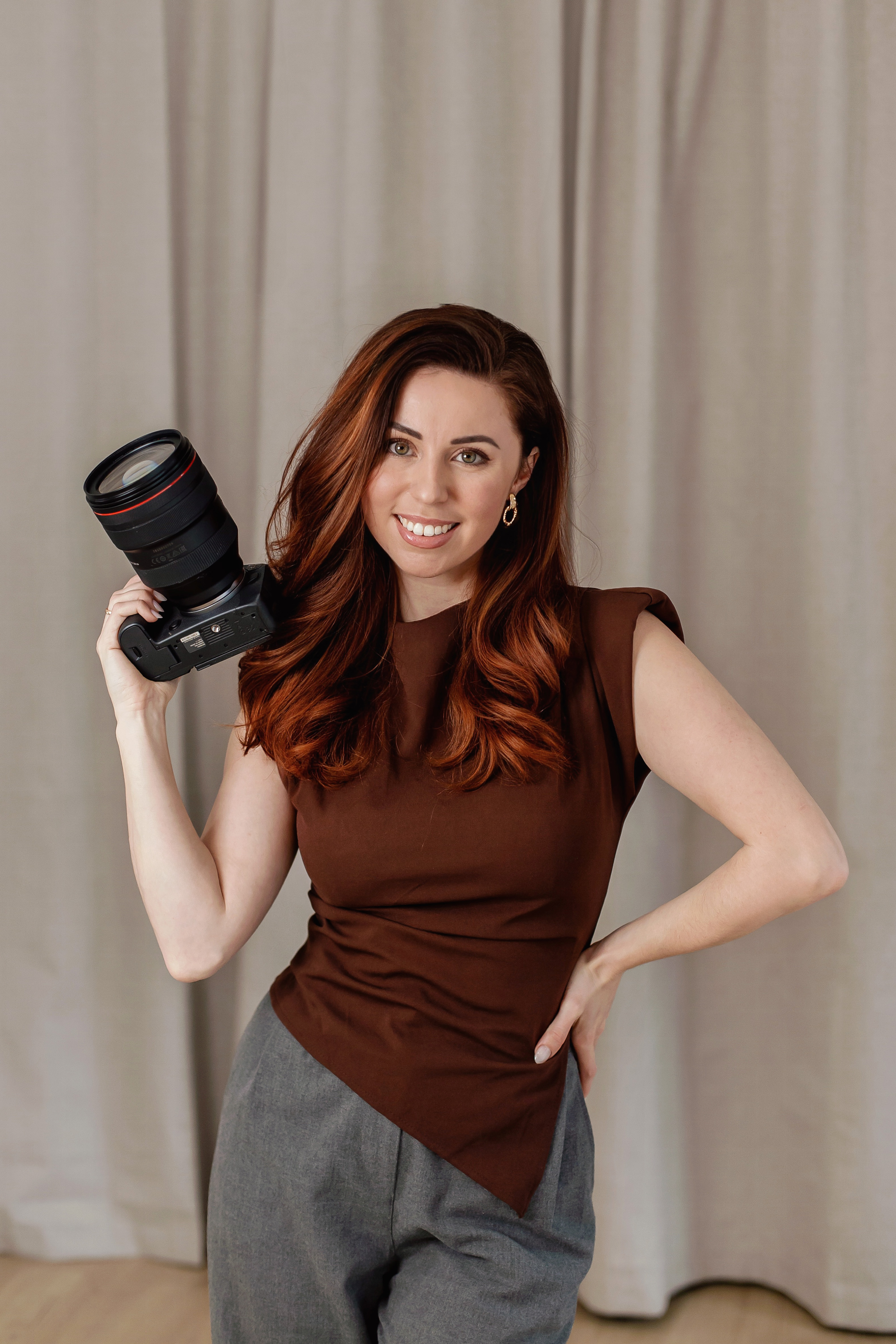
Yana Skakun
Photographer · England
Professional wedding, family and portrait photographer based in England. Passionate about capturing authentic emotions and timeless moments.
About Yana →500 pound wedding photographerwedding photography budget UKcheap wedding photographer riskshow much does a wedding photographer costaffordable wedding photography packagesUK wedding photography pricing 2026
Photography Tips — Professional Photography in Cambridge & England
Yana Skakun is a professional photographer based in Cambridge, specialising in wedding, family, and portrait photography across England. Every session is personal — planned around your story, your people, and the moments that matter most. This guide — Why Budgeting £500 for a Wedding Photographer is Unrealistic in 2026 — is part of the photography journal: practical, experience-based advice drawn from real sessions across England. Whether you arrived searching for 500 pound wedding photographer or wedding photography budget uk, the same care and attention shapes every session Yana photographs.
Professional Photography sessions are available year-round, with bookings open across Cambridge, Ely, Huntingdon, Peterborough, and further afield — East England, London, the Midlands, and beyond. If you have specific questions about cheap wedding photographer risks, mention it in your enquiry. Get in touch through the contact form above to check availability and discuss your session. Enquiries are welcomed from anywhere in the UK.
Frequently Asked Questions
What camera settings should I use for outdoor portraits?+
For outdoor portraits, shoot in aperture priority mode. Use a wide aperture (f/1.8–f/2.8) to blur the background and isolate your subject. Keep ISO as low as possible in good light. In bright conditions, use a neutral density filter or switch to manual to avoid overexposure at wide apertures.
What is the golden hour in photography?+
Golden hour is the period roughly 30–60 minutes after sunrise and before sunset. The sun is low in the sky, producing warm, soft, directional light that flatters skin tones and creates beautiful long shadows. It's widely considered the best natural light for portrait and outdoor photography.
How do you get sharp photos in low light?+
In low light, increase your ISO (accepting some grain), use the widest aperture your lens allows, and slow your shutter speed to the slowest you can hand-hold without camera shake (roughly 1/focal length as a guide). Use image stabilisation if available, and consider a tripod for static subjects.
What is the rule of thirds in photography?+
The rule of thirds divides the frame into a 3×3 grid. Placing your subject on one of the four intersection points — rather than dead centre — creates a more dynamic, visually interesting composition. It's a guideline, not a rule: some of the most powerful images break it deliberately.
How do you edit photos to look professional?+
Professional editing starts with shooting in RAW format. In Lightroom or similar software, correct exposure, white balance, and contrast first. Recover shadow and highlight detail. Apply gentle colour grading for mood. Be conservative with skin retouching — the goal is natural enhancement, not transformation. Consistency across a set of images is what separates professional from amateur editing.
Continue Reading
Related Articles

Photography Tips
Photography Gift Vouchers: The Most Personal Present You Can Give
5 min read · Read Article
Photography Tips
Photo Books vs Photo Albums: What Is the Difference and Which Is Better?
5 min read · Read Article
Photography Tips
Photo Gift Ideas: Turning Professional Images into Meaningful Presents
5 min read · Read Article
Get in Touch
Ready to Book Your Session?
Get in touch to discuss your vision — I'll reply within 24 hours.