Yana Skakun
Academic Headshots: Why University Researchers Need Professional Photos
By Yana Skakun·18 March 2026·7 min read
Academic researchers have a surprisingly high professional visibility. Their faces appear on university department pages, ResearchGate and Academia.edu profiles, conference badges and programmes, book jackets, journal author bios, press coverage, grant applications, and podcast thumbnails. Yet most academics rely on a blurry conference selfie or a department photo taken 12 years ago. A professional academic headshot is a low-cost, high-return investment in the professional image you project throughout your career.
Where academic headshots appear
- ◆University department page: The most visible placement for most academics — your departmental profile page is frequently the first result when someone searches your name. It receives views from prospective students, collaborators, journalists, industry partners, and potential employers. The photo quality here directly affects the impression you make on people who have never met you.
- ◆ResearchGate and Academia.edu: These academic social networks are increasingly used by inter-institutional collaborators, researchers from other countries, and science journalists. Profile completeness — including a good photo — affects how seriously your profile is taken.
- ◆Google Scholar profile: Google Scholar profiles appear prominently in searches. A professional headshot associated with your Google Scholar page creates a more authoritative academic presence than a vague silhouette.
- ◆Conference programmes and badges: Your face appears on conference programmes distributed to hundreds of attendees. The photo communicates who you are before you've said a word in a talk or session — it sets expectations.
- ◆Grant applications: Some funding bodies request CV photographs. More practically, grant panels are human — a photo that projects confidence and seriousness reinforces the impression made by the written application.
- ◆Book jackets and academic publications: Authors of academic books often have their photo on the jacket. This image is permanent — associated with the book for its commercial life. It's worth investing in a photograph that will age well.
- ◆Press and media coverage: When journalists write about your research, they request or source a professional headshot. Having one ready — and one that is high quality — makes you easier to work with and more likely to be included in print or online coverage with a photo.
- ◆Podcast and media appearances: Video podcasts, YouTube research channels, and science communication platforms all use headshots for thumbnails and promotional materials. A strong image here affects click-through rates and perceived credibility.
What makes a good academic headshot?
Academic headshots sit in a specific zone between the very formal (corporate executive) and the very relaxed (lifestyle/creative). The typical academic image should project: intellectual authority and engagement, approachability to students, and seriousness appropriate to the field. The specific calibration varies:
- ◆Natural sciences and engineering: Clean, professional, moderately formal — often a plain or softly blurred background, solid-colour clothing, direct eye contact. The image should project competence and precision without looking stiff.
- ◆Humanities and social sciences: A slightly more relaxed register is appropriate in many fields — a warmer expression, potentially an environmental background (office, library, outdoor architectural setting) that contextualises the subject. The image should project intellectual engagement as well as authority.
- ◆Clinical and medical academics: Hospital white coat usage varies — some institutions use it, in specific clinical profiles. For most academic contexts, a professional but non-clinical look is more versatile. A well-fitted blazer or jacket reads across both research and public-facing contexts.
- ◆Senior academics and professors: More senior academics often need photographs that project a certain weight — appropriate gravitas without stiffness. Natural, confident eye contact, good posture, and clear professional clothing achieve this without forcing formality.
- ◆Early-career researchers and postdocs: A strong professional image early in a research career creates an immediate advantage — a professional headshot next to a preprint or conference bio sets an ECR apart from peers who are still using passport photos. The same image quality signals seniority above actual career stage, which is often useful.
Cambridge and Oxford considerations
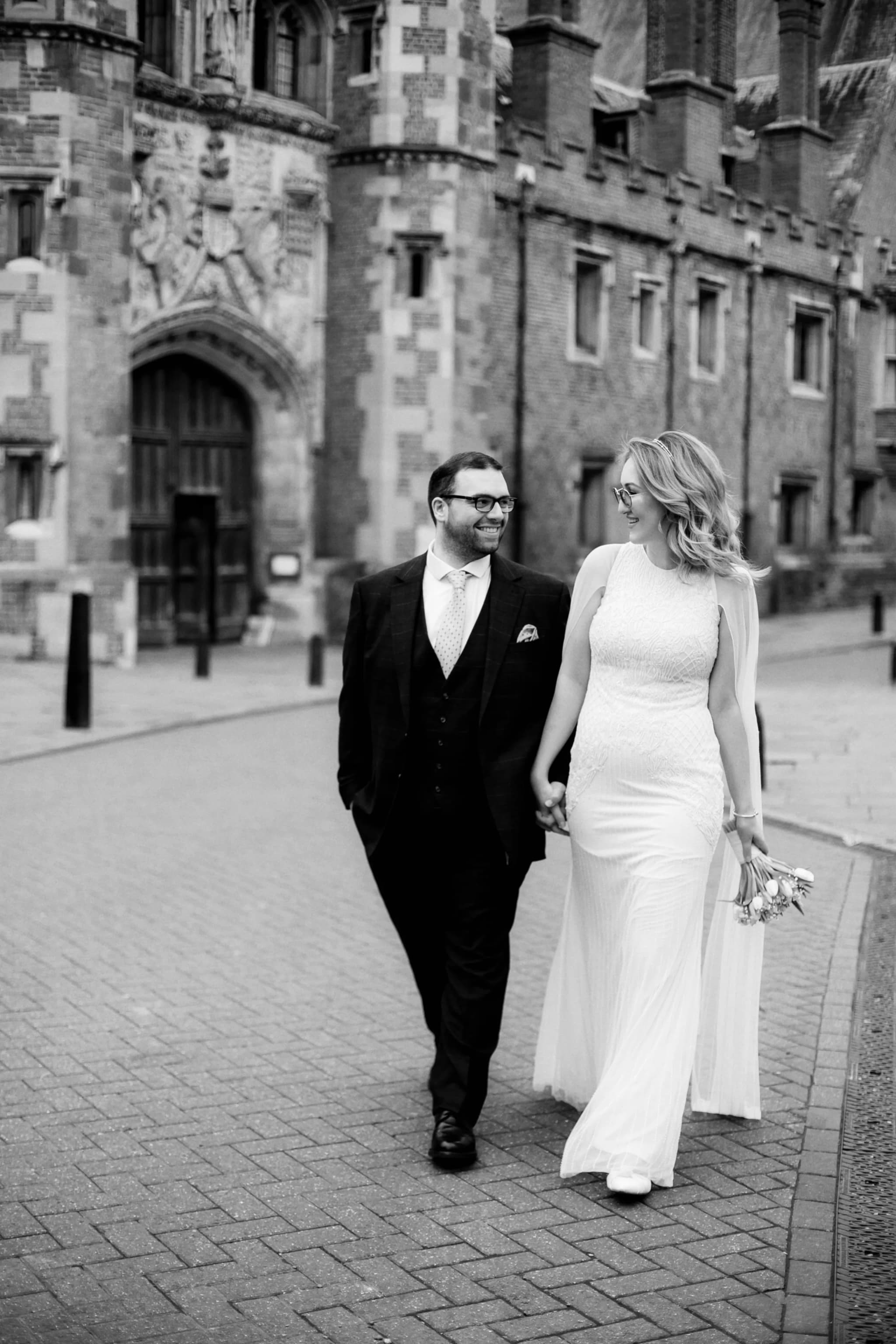
Cambridge and Oxford academics have specific contextual advantages for headshot photography — the architectural environments are immediately recognisable and project significant authority by association. A photograph taken in a college court, against a stone facade, or in a light-filled academic library creates a contextual impression that no studio background can replicate. If you're based in Cambridge and want an outdoor or environmental academic headshot, there are few better places in the world to take one.
The academic headshot session: what to expect
- ◆Session length: A standard academic headshot session takes 45–60 minutes. This covers 1–2 outfits (most academics need a formal version for press and institution, and a slightly more relaxed version for personal website or conference use) across one or two background/location options.
- ◆What to wear: Your most professionally appropriate outfit — well-fitted, solid colours, no busy prints. For Cambridge and Oxford academics specifically: college and university sweatshirts are not appropriate for formal profile images, however relaxed the collegiate culture. A blazer or structured jacket over a plain shirt, blouse, or high-quality knitwear works consistently well.
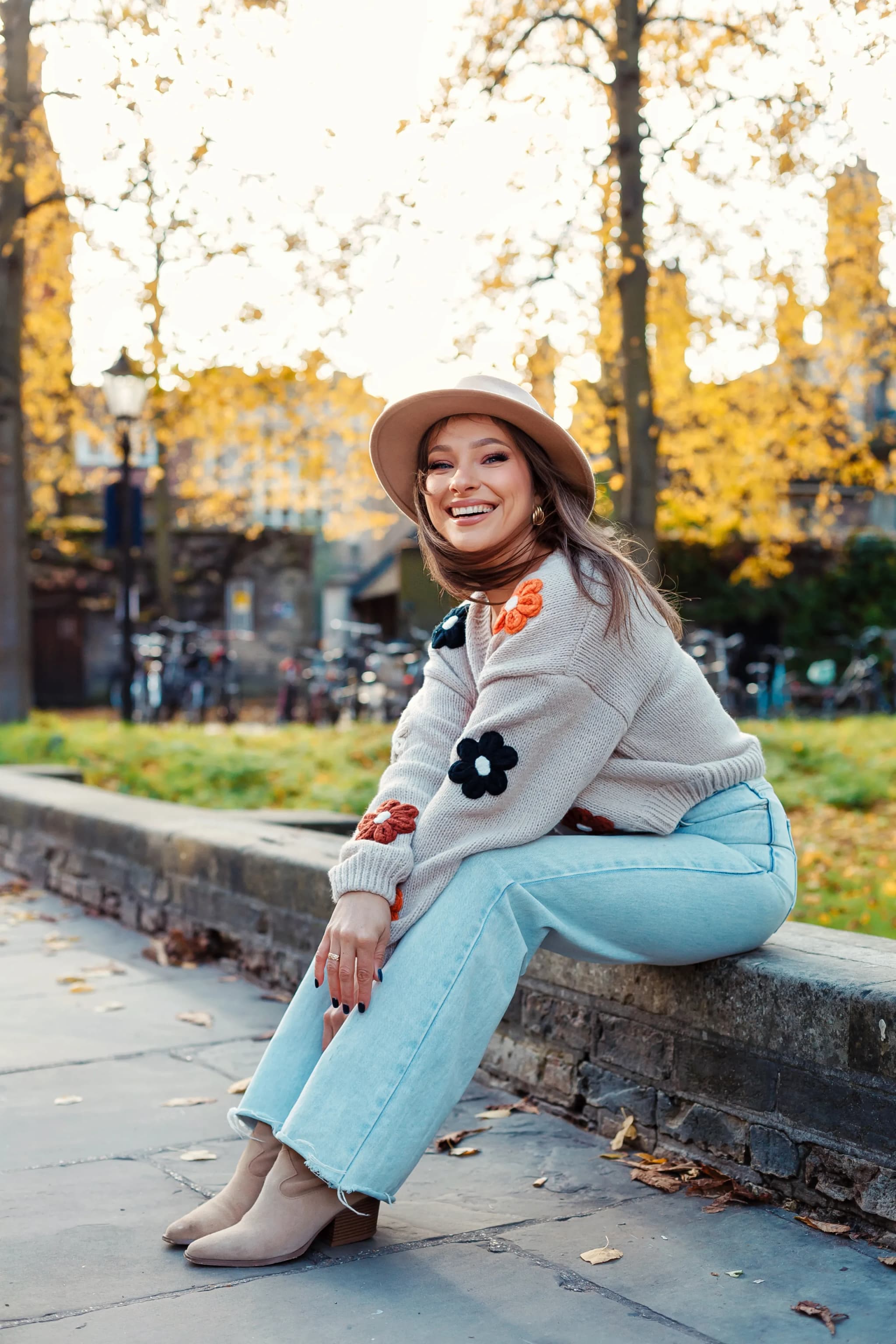
- ◆Location options in Cambridge: Plain-background studio (most versatile), Cambridge college or city centre architectural exteriors (most contextually powerful), Botanic Garden (warm and approachable — good for outreach roles and teaching-focused academics), or on-site at your department (practical for fitting into a busy research schedule).
- ◆Images delivered: Most academic headshot sessions deliver 2–5 edited, retouched final images. Ask specifically for: a landscape/horizontal crop for department pages and website headers, a square crop for social profiles, and a portrait crop for book jackets or press use.
How much do academic headshots cost?
Professional academic headshot sessions in Cambridge and London typically cost £150–£350 for an individual session with an experienced photographer. Some Cambridge-based photographers offer academic rates for individual researchers. University department block sessions (purchasing sessions for multiple staff simultaneously) often achieve a lower per-person rate.
Most UK universities do not provide professional headshot services to academic staff as standard — individual researchers commission their own sessions and expense them as professional development or research costs (check your institution's expense policy: photography for professional profile purposes is frequently a qualifying expense).
Yana Skakun
Photographer · England
Professional wedding, family and portrait photographer based in England. Passionate about capturing authentic emotions and timeless moments.
About Yana →academic headshots Cambridgeuniversity researcher headshotacademic profile photoheadshot photographer Cambridge academicsresearch profile photo UK
Professional Headshots — Professional Photography in Cambridge & England
Yana Skakun is a professional photographer based in Cambridge, covering weddings, families, and portraits across England. Every session is personal — planned around your story, your people, and the moments that matter most. This guide — Academic Headshots: Why University Researchers Need Professional Photos — is part of the photography journal: practical, experience-based advice drawn from real sessions across England. Whether you arrived searching for academic headshots cambridge or university researcher headshot, the same care and attention shapes every session Yana photographs.
Professional Photography sessions are available year-round, with bookings open across Cambridge, Ely, Huntingdon, Peterborough, and further afield — East England, London, the Midlands, and beyond. If you have specific questions about academic profile photo, mention it in your enquiry. Get in touch through the contact form above to check availability and discuss your session. Enquiries are welcomed from anywhere in the UK.
Frequently Asked Questions
What camera settings should I use for outdoor portraits?+
For outdoor portraits, shoot in aperture priority mode. Use a wide aperture (f/1.8–f/2.8) to blur the background and isolate your subject. Keep ISO as low as possible in good light. In bright conditions, use a neutral density filter or switch to manual to avoid overexposure at wide apertures.
What is the golden hour in photography?+
Golden hour is the period roughly 30–60 minutes after sunrise and before sunset. The sun is low in the sky, producing warm, soft, directional light that flatters skin tones and creates beautiful long shadows. It's widely considered the best natural light for portrait and outdoor photography.
How do you get sharp photos in low light?+
In low light, increase your ISO (accepting some grain), use the widest aperture your lens allows, and slow your shutter speed to the slowest you can hand-hold without camera shake (roughly 1/focal length as a guide). Use image stabilisation if available, and consider a tripod for static subjects.
What is the rule of thirds in photography?+
The rule of thirds divides the frame into a 3×3 grid. Placing your subject on one of the four intersection points — rather than dead centre — creates a more dynamic, visually interesting composition. It's a guideline, not a rule: some of the most powerful images break it deliberately.
How do you edit photos to look professional?+
Professional editing starts with shooting in RAW format. In Lightroom or similar software, correct exposure, white balance, and contrast first. Recover shadow and highlight detail. Apply gentle colour grading for mood. Be conservative with skin retouching — the goal is natural enhancement, not transformation. Consistency across a set of images is what separates professional from amateur editing.
Continue Reading
Related Articles
Get in Touch
Ready to Book Your Session?
Get in touch to discuss your vision — I'll reply within 24 hours.