Yana Skakun

Body Transformation Photography Cambridge: Document Your Fitness Journey
By Yana Skakun·10 July 2026·8 min read
Anyone who has spent months training consistently — getting up before work, tracking meals, showing up on the days motivation is nowhere to be found — knows that the change rarely feels dramatic day to day. It is only when you look back at where you started that the scale of it becomes obvious. Body transformation photography exists to hold that comparison honestly: a proper, well-lit, consistent record of where you began and where you have arrived, rather than the inconsistent bathroom-mirror phone photos most people end up relying on. For clients in Cambridge and across Cambridgeshire, that record is something I photograph regularly, and it is a genuinely different kind of session from a standard portrait booking.
Why a Proper Photography Session Matters for a Transformation
Progress photos taken on a phone in a bathroom mirror do a job, but they do it inconsistently. The lighting changes from week to week, the angle drifts, the distance from the mirror varies, and the image is often slightly distorted by the phone lens itself. Comparing two mirror photos taken months apart is comparing two different sets of variables, not just two different bodies. A proper photography session removes those variables. Consistent lighting, a fixed camera position, a measured distance, and identical framing mean that when you place a before and after image side by side, what you are actually looking at is the physical change itself — not a change in shadow, angle, or lens distortion pretending to be progress.
There is also a psychological dimension that clients often mention after the fact rather than before. A phone photo taken quickly in a bathroom rarely feels like anything worth keeping. A photograph taken deliberately, with proper light and genuine care taken over how you are shown, tends to feel like something you are proud to have. For a lot of people, body transformation work is as much about how they see themselves as it is about measurements or a number on a scale, and a session that treats the result with real photographic craft communicates something different than a snapshot does.
What to Expect During a Body Transformation Session
Most of my body transformation clients come in for one of two reasons: either they want a single, high-quality set of images to mark the end point of a specific block of training — a competition prep, a twelve-week programme, a significant weight-loss milestone — or they want to establish a baseline session now, with a follow-up session booked further down the line once they have made meaningful progress. Both are entirely valid approaches and I photograph both regularly.
A typical session runs around forty-five minutes to an hour in the studio, or slightly longer if we are shooting a mix of studio and gym-environment images. I work through a consistent set of poses and angles — front, side, back, three-quarter — under controlled lighting, so that if this becomes the first of two sessions, the second can be matched precisely. We also shoot a broader set of natural, less clinical images: mid-lift, resting between sets, genuine expression rather than stiff posing. Clients are often surprised that the images they end up loving most are not the strict comparison shots but the ones that capture the effort and character of the work itself.
If you already have professional headshots or have worked with me on a portrait session before, the body transformation session runs on the same principle of unhurried, well-lit, genuinely considered photography — just applied to a different subject and purpose.
How to Prepare for Your Session
Preparation matters more for this type of session than for most portrait work, simply because the point is an honest, accurate record. I generally recommend scheduling the session for a time of day when you are not dehydrated or depleted from a heavy training session immediately beforehand — mid-morning or early afternoon tends to work well for most people, once you have eaten and hydrated normally. There is no need to do anything extreme in the days before: no crash dieting, no unusual water manipulation, nothing that will make the "after" photo misrepresent how you actually look and feel day to day. The most useful transformation photographs are the ones that reflect sustainable reality, not a single manufactured peak.
Bring the training kit you actually wear — the same style of shorts, leggings, or vest you would wear to a normal session — rather than something bought specifically for the shoot and never worn again. Consistency between a baseline session and a follow-up session matters too: wearing similar (ideally identical) clothing in both sessions makes the comparison cleaner and removes a variable that could otherwise distract from the actual physical change. If you are unsure what to bring, it is worth reading through general guidance on what to wear for a photography session, much of which applies here too: solid colours over busy patterns, well-fitted rather than baggy, and clothing you feel genuinely comfortable in.
A short warm-up before we start shooting helps enormously. A few minutes of light movement brings a natural definition and healthy colour that a completely cold, static body does not have. It does not need to be a full session — a few sets of bodyweight movement in the changing area beforehand is generally enough.
Studio Versus Gym Environment
Both settings have real advantages and the right choice depends on what you want the images to do. A studio session gives complete control over lighting and background, which is what makes it the better choice for strict, repeatable before-and-after comparisons. A plain, consistent backdrop with controlled directional lighting is the clearest way to isolate the body itself as the subject, without a busy environment competing for attention.
A gym-based session, by contrast, tells more of a story. Photographs taken mid-set, chalk on hands, genuine effort on your face, surrounded by the equipment that has actually been part of the process — these carry a different kind of honesty. Many clients choose a hybrid session: a short block of controlled studio comparison shots, followed by a more relaxed set in a training environment that captures the process rather than just the outcome. If your gym is happy to allow an external photographer in for a quiet hour outside of peak times, this combination genuinely produces the richest set of final images.
Baseline and follow-up sessions
If you are at the start of a training block rather than the end of one, it is worth booking a baseline session now. Having a genuine, well-lit starting point makes any future comparison far more meaningful than trying to reconstruct where you began from old phone photos. I keep detailed notes on lighting setup, camera position, and pose so that a follow-up session months later can be matched precisely to the original.
Get in touchLighting and Posing: Getting an Accurate, Flattering Result
Good transformation photography is not about making a body look different from how it actually looks — it is about presenting it as clearly and fairly as possible. That means avoiding lighting extremes in either direction. Overly hard, dramatic side-lighting can exaggerate shadow and definition beyond what is genuinely there, which might look striking in a single image but undermines the honesty of a before-and-after comparison. Equally flat, shadowless lighting can wash out real definition that has been earned through months of work. I aim for something in between: directional but soft light that shows genuine muscle definition and body shape without artificially inflating or flattening it.
Posing follows the same principle. A slight rotation of the torso, weight shifted onto the back foot, shoulders drawn back rather than hunched forward — these are basic, honest adjustments that present the body at its most naturally flattering angle, the same adjustments any experienced portrait photographer makes instinctively. What I avoid is anything that distorts proportion in a way that would not hold up if you looked in an ordinary mirror. The goal is a photograph you can trust, not one that flatters at the expense of accuracy.
What You Receive Afterwards
Final images are delivered via an online gallery, generally within one to two weeks of the session. For comparison-focused sessions, I also provide the matched pairs edited to identical crop and exposure so that a genuine side-by-side is easy to produce without any further work on your end. Beyond the strict comparison shots, most clients also receive a broader set of natural training images — the kind that work well on social media, in a coaching portfolio if you train others, or simply as a personal record separate from the clinical comparison pair.
If you are working with a personal trainer or coach, these images are often useful to them as well, for their own portfolio or case studies, and I am always happy to provide a release allowing shared use where that has been agreed between you and your coach beforehand.
Frequently Asked Questions
Do I need to be at a particular fitness level to book a session? No. I photograph clients at every stage of a fitness journey, from someone documenting the very start of a weight-loss programme through to competitive physique athletes preparing for a show. The purpose of the photograph is the same regardless of where you are starting from: an honest, well-made record of this point in your training.
Can you photograph a follow-up session months later to match an earlier one? Yes, and this is one of the most common bookings I get for this type of work. I keep records of lighting setup, camera distance, and pose from the first session specifically so a follow-up can be matched as closely as possible.
Is this different from a general portrait or headshot session? Yes, in emphasis rather than in the underlying craft. A standard portrait session is generally about face, expression, and character. A body transformation session is about the whole body, consistent framing, and accurate, repeatable lighting. Both draw on the same photographic fundamentals, applied differently.
What does a session cost? Pricing depends on session length, whether you want a single session or a baseline-plus-follow-up package, and whether we are shooting studio only or a studio-and-gym combination. Full current pricing is on the pricing page, and I am happy to put together a specific quote once I know what you are hoping to achieve.
A body transformation is built from months of consistent, often unglamorous effort, and it deserves a photographic record that matches that effort with genuine care and craft. Whether you are marking the end of a specific training block, documenting a longer-term change, or simply want a proper starting point to measure future progress against, I would be glad to talk through what a session would look like for you. Yana Skakun Photography is based in Cambridge and available for sessions across the UK — get in touch to check availability and discuss your goals for the session.
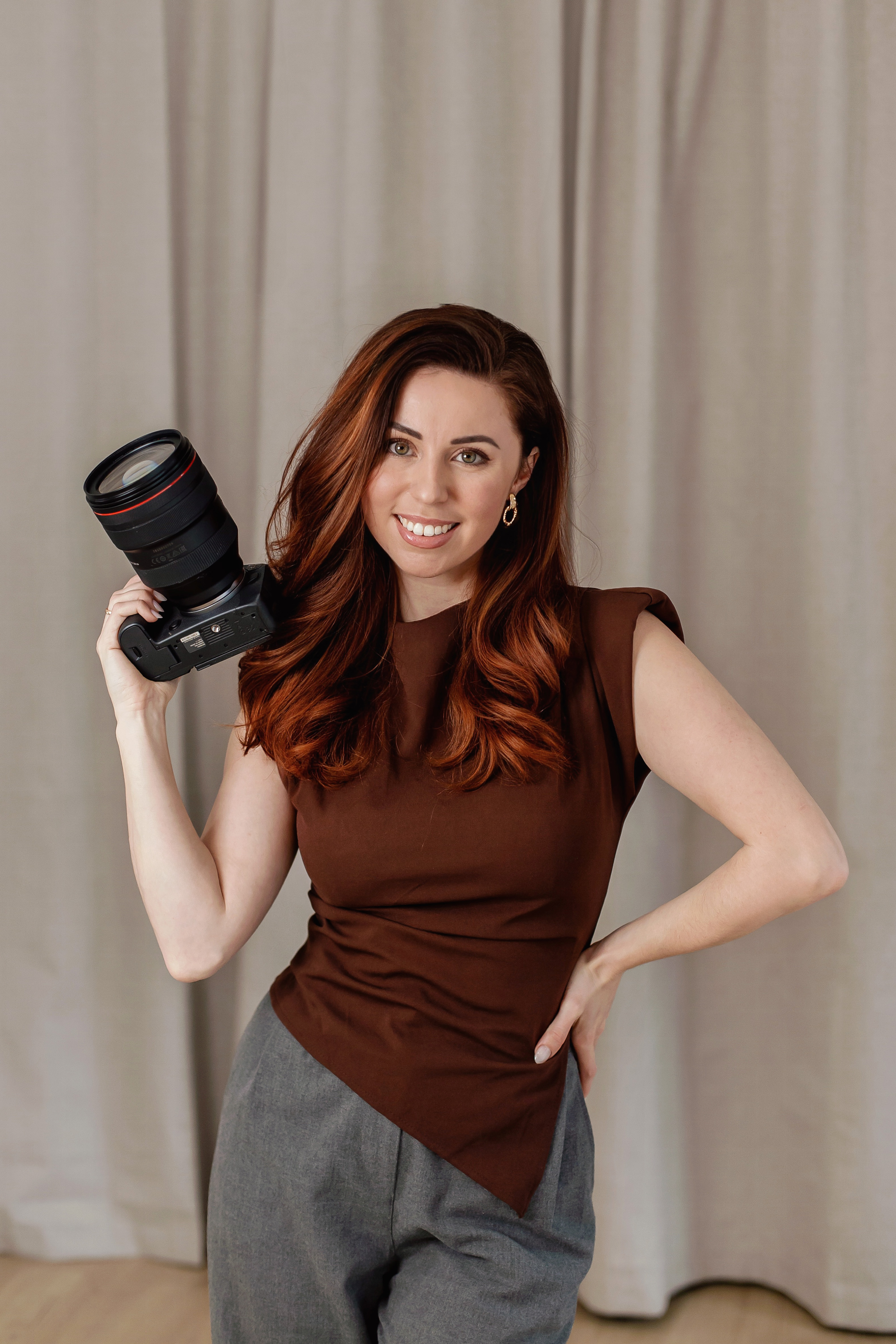
Yana Skakun
Photographer · England
Professional wedding, family and portrait photographer based in England. Passionate about capturing authentic emotions and timeless moments.
About Yana →body transformation photography Cambridgefitness photography Cambridgebefore and after photographygym photoshoot Cambridgeprogress photos photographerfitness journey photography
Portrait Tips — Portrait Photography in Cambridge & England
Portrait sessions with Yana Skakun are unhurried and personal — designed to produce images that feel genuinely like you, not a performance. Sessions are available in Cambridge, across East England, and at locations throughout the UK. This guide — Body Transformation Photography Cambridge: Document Your Fitness Journey — is part of the photography journal: practical, experience-based advice drawn from real sessions across England. Whether you arrived searching for body transformation photography cambridge or fitness photography cambridge, the same care and attention shapes every session Yana photographs.
Portrait Photography sessions are available year-round, with bookings open across Cambridge, Ely, Huntingdon, Peterborough, and further afield — East England, London, the Midlands, and beyond. If you have specific questions about before and after photography, mention it in your enquiry. Get in touch through the contact form above to check availability and discuss your session. Enquiries are welcomed from anywhere in the UK.
Frequently Asked Questions
How do I look natural in portrait photos?+
The key is to keep moving — walking, talking, laughing. Still poses often look stiff. A good portrait photographer will direct you gently rather than just pointing and shooting. Take a breath, drop your shoulders, and try to focus on something that makes you happy rather than worrying about how you look.
What should I wear for a portrait session?+
Wear something you feel good in — not something borrowed or brand new that you haven't worn before. Solid colours photograph better than busy patterns. Bring a second outfit for variety. Think about the location: flowing fabrics work beautifully outdoors; tailored looks suit urban settings.
How long does a portrait session take?+
Standard portrait sessions last 60–75 minutes. This allows enough time to warm up, try different locations and poses, and explore a couple of looks without rushing. If you're very camera-shy, a longer session helps — the more relaxed you become, the better the final images.
What locations are best for outdoor portrait photography?+
Gardens, parks, riverside paths, woodland, and areas with interesting architecture all make great portrait backgrounds. The most important factor is light — a location with open shade or soft directional light will always photograph better than a technically beautiful spot in harsh midday sun.
What is the difference between a portrait session and a headshot session?+
Portrait sessions focus on you as a whole person — full-body, three-quarter, and close-up images in a relaxed, often outdoor setting. Headshot sessions focus specifically on professional or actor headshots: face and upper body, often in a controlled setting with consistent, professional lighting.
Continue Reading
Related Articles

Portrait Tips
Glasses and Glare in Photography: How to Get Great Results
6 min read · Read Article
Portrait Tips
Fake Tan Before a Photoshoot: Timing, Application, and What Can Go Wrong
6 min read · Read Article
Portrait Tips
Hair and Makeup for a Photoshoot: What Photographs Well
7 min read · Read Article
Get in Touch
Ready to Book Your Session?
Get in touch to discuss your vision — I'll reply within 24 hours.