Yana Skakun

Boxing and Martial Arts Photography: Power and Precision on Camera
By Yana Skakun·10 July 2026·8 min read
There is a moment in every boxing gym, every dojo, every BJJ mat session, where the noise of the room drops away and all that is left is two athletes, a held breath, and a single decisive movement. That is the moment boxing and martial arts photography exists to catch. It is a genre that sits at the intersection of sports photography and portraiture — part documentary, part character study — and it rewards a photographer who understands both the technical demands of freezing fast, low-light action and the quieter work of building trust with fighters who are not, as a rule, naturally inclined to perform for a camera.
I have photographed boxers, kickboxers, Muay Thai fighters, and BJJ competitors in gyms across Cambridgeshire and further afield, and it remains one of my favourite kinds of session precisely because it refuses to be generic. No two gyms look the same, no two fighters move the same, and the resulting images have a rawness that is hard to manufacture in a studio.
Why Combat Sports Deserve Their Own Photographic Approach
Most sports photography is about tracking movement across a wide space — a football pitch, a running track, a rugby field. Combat sports photography is almost the opposite problem: the action happens in a very small, contained area, often at close range, and it happens fast and unpredictably. A boxer's jab travels from shoulder to target in a fraction of a second. A grappler's transition from standing to a takedown can happen in less time than it takes to read this sentence. That compression of space and time is exactly what makes the genre so visually compelling, and exactly why it demands a different set of instincts than photographing, say, a football match from the touchline.
There is also an emotional register to combat sports that is unlike most other athletic disciplines. The pre-fight focus, the exhaustion between rounds, the specific kind of eye contact fighters give each other before contact begins — these are honest, unguarded expressions that do not appear on request. A photographer who understands this is not just documenting technique, they are documenting the psychology of the sport, and that is what separates a strong boxing portfolio from a merely competent one.
What to Expect During a Session
Sessions generally fall into two categories, and it is worth being clear about which one you want before booking. The first is action coverage — sparring, pad work, technical drills, or an actual bout — where the goal is to capture genuine movement as it happens. The second is a portrait-led session, where the fighter is the subject in a more deliberate sense: gloves wrapped, gaze fixed on the lens, gym or ring as backdrop rather than active setting. Many clients want both, and a well-planned session moves fluidly between the two rather than treating them as separate bookings.
For action coverage, I typically arrive early to scout the space, check the lighting the gym actually has (as opposed to what a floor plan suggests it might have), and talk to the coach or fighter about what is planned for the session — specific combinations, sparring rounds, pad sequences. Knowing the shape of what is coming lets me position myself where the decisive moment is most likely to happen, rather than chasing the action after it has already passed.
For portrait work, I spend time before the camera comes out simply talking with the fighter. Combat sports attract people who are often more comfortable being hit than being photographed, and a few minutes of genuine conversation about their training, their record, or what drew them to the sport does more for the resulting images than any amount of technical direction. Once someone stops thinking about the camera and starts thinking about the sport, the images change completely.
The Technical Side: Freezing Fast, Low-Light Action
Most boxing gyms and martial arts dojos are not built with photography in mind. Lighting is frequently mixed — a combination of fluorescent overheads, the occasional window, and whatever ring lights or spotlights the venue has installed — and it is rarely bright enough to use the fast shutter speeds that freezing a punch or a kick properly requires without either pushing ISO higher than is comfortable or bringing in additional light.
I generally work with fast prime lenses at wide apertures to pull in as much available light as possible, and I use external flash or strobes where the venue allows it, positioned to add definition to the action without flattening the atmosphere of the room. Getting this balance right matters: a boxing photograph that is technically sharp but lit like a passport photo loses everything that made the sport visually interesting in the first place. The grain, the shadow, the sweat catching a single light source — these are not flaws to correct, they are part of what makes the genre distinctive.
Autofocus tracking and continuous shooting are essential tools here, but they are not a substitute for anticipation. The best boxing and martial arts photographs are rarely the result of firing a long burst and hoping something usable turns up in the middle of it. They come from watching a fighter's rhythm for a few rounds, recognising the tell that precedes their best combinations, and being pre-focused and ready a fraction of a second before the moment actually happens.
Coaches, gyms, and fighters
If you run a gym, coach a fighter, or are building a portfolio ahead of a bout or a career milestone, I would love to hear about it. Sessions can be arranged around training schedules and I travel across the UK for gym and event work, alongside my base in Cambridge.
Get in touchPreparing for a Boxing or Martial Arts Shoot
Preparation for combat sports photography is different from preparing for a standard portrait session, and it is worth talking through beforehand rather than assuming. If the session includes sparring or pad work, wear your usual training kit rather than anything new or unworn — the goal is to capture how you actually train, not a version of yourself dressed for the occasion. Hand wraps in a colour that contrasts with your gloves photograph well and add a small but noticeable detail to close-up shots.
For portrait-led sessions, think about what you want the images to communicate. A fighter building a professional profile ahead of a bout may want images that convey focus and intensity; someone documenting years of training at their local gym may want something warmer, more about the community and the process than the aggression. Both are valid, and both benefit from a short conversation before the session about which tone you are aiming for, because it changes how I light, frame, and direct throughout.
If skin is likely to be visible — forearms, shoulders, midriff for some disciplines — a light sheen from training generally photographs better than skin that is completely dry, so there is rarely any need to towel off between action and portrait segments of a session. Bruising, tape, and the general wear of training are, in my experience, something fighters want documented honestly rather than retouched away, and I follow that lead unless asked otherwise.
Choosing the Right Setting
The gym itself is usually the strongest setting available, and I would generally steer clients away from generic studio work unless there is a specific brand reason for it. A well-worn heavy bag, a ring with visible rope texture, a wall of hand-painted gym signage, or the specific quality of light through a warehouse-style skylight all carry more storytelling weight than a seamless studio backdrop ever could. Authenticity is the currency of this genre — images that look like they could have been shot anywhere tend to feel far less compelling than ones clearly rooted in a specific place.
For fighters competing at organised events, ringside or cage-side coverage during an actual bout is a different proposition again, closer in spirit to the wider event and sports photography I take on across Cambridgeshire, and it requires coordination with organisers over access and positioning well ahead of the date. For gym-based sessions, I typically work across two or three areas within the same venue — the ring or mat area, a training zone with bags or equipment, and a quieter corner for portrait-style images — giving a session enough visual variety without needing to change location entirely.
Beyond the Fighter: Coaches, Teams, and Gym Culture
Some of the most rewarding sessions I have shot in this space were not built around a single fighter at all, but around the culture of a gym — the coach wrapping a young fighter's hands before their first sparring session, the shared exhaustion of a group after a hard conditioning class, the quiet ritual of a fighter taping their own knuckles before stepping onto the mat. These images matter for gyms building a brand or a social media presence, because they communicate something that action shots alone cannot: what it actually feels like to train there.
If you are a gym owner or head coach thinking about photography as part of a wider marketing effort, it is worth treating it similarly to how I would approach general fitness and studio portrait work — a mix of environmental images that show the space and the community, alongside sharper action and portrait work that can be used across a website, social channels, and printed materials. A single session can usually cover both needs if planned properly in advance, and current session structures are outlined on the pricing page.
Common Questions
How long does a typical session take? Most gym-based sessions run between ninety minutes and two hours, which is enough time to cover several rounds of action alongside dedicated portrait time without asking a fighter to perform at their peak for longer than is realistic.
Do you need the gym empty, or can it happen during a normal class? Both work, and each has advantages. An empty gym gives more control over lighting and composition; a live class gives genuine energy and interaction that is very difficult to stage. I am happy to discuss which suits your goals during the initial conversation.
Can you photograph actual competitive bouts? Yes, with organiser permission and appropriate positioning arranged in advance — ringside and cage-side access varies significantly by venue and event, so this is always confirmed ahead of the date rather than assumed on the day.
What about editing — will the images look overly polished? My approach to editing combat sports work stays close to how the light and the room actually looked. Contrast and clarity are enhanced, but I avoid the heavily stylised, oversaturated treatment that can make gritty gym photography look artificial. The aim is images that feel true to the sport, not to a filter.
Boxing and martial arts photography is, at its best, a form of respect — for the discipline, the effort, and the specific physicality of a sport that most people only ever see from a safe distance. If you are a fighter, a coach, or a gym owner in Cambridge or anywhere across the UK looking to document that world properly, I would be glad to talk through what a session could look like. You can find more about my broader approach to work on the about page, and general session information on the pricing page, or simply get in touch directly and we can plan from there.
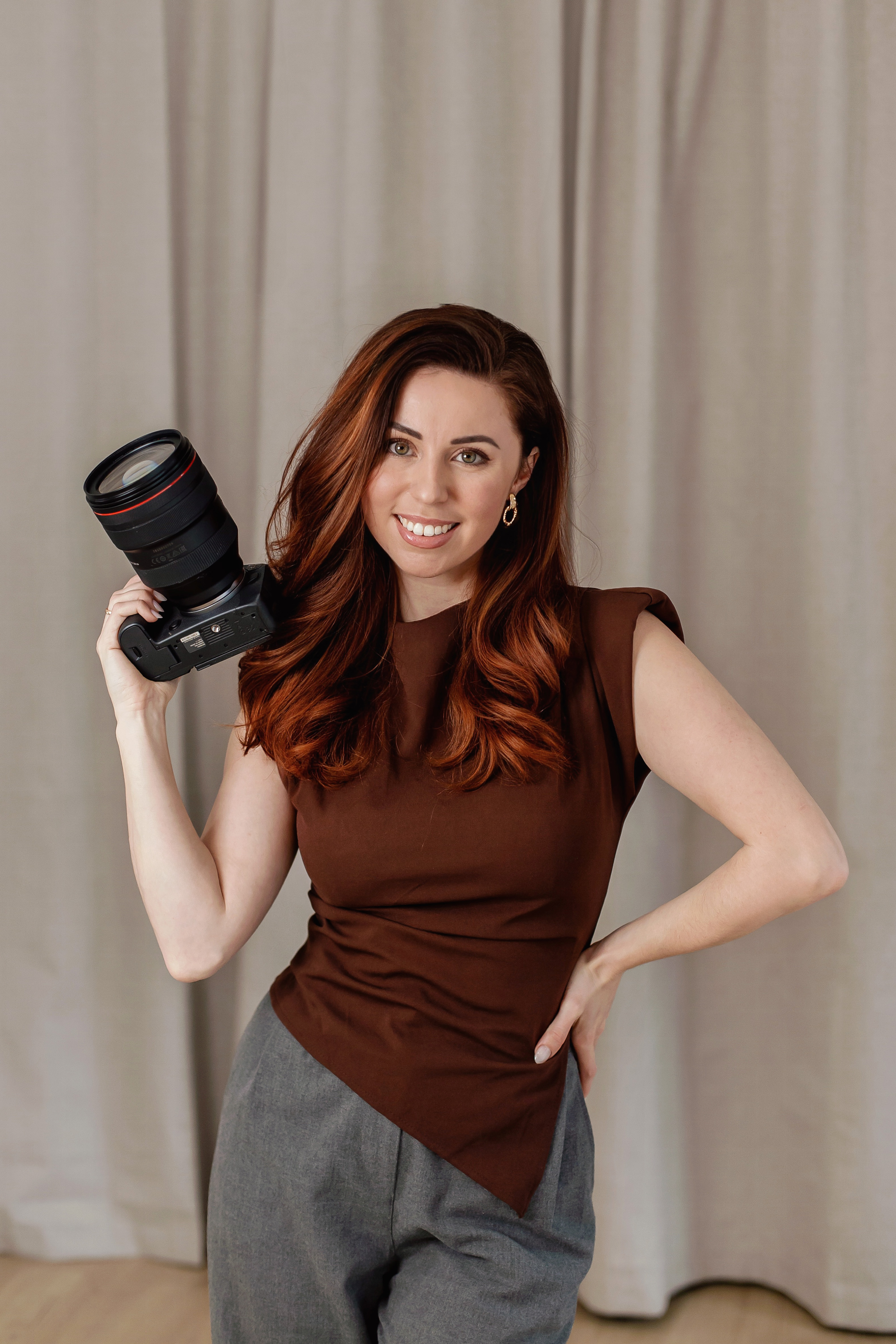
Yana Skakun
Photographer · England
Professional wedding, family and portrait photographer based in England. Passionate about capturing authentic emotions and timeless moments.
About Yana →boxing martial arts photographycombat sports photographer UKboxing gym photographyMMA photography Cambridgefighter portrait photographysports action photography
Portrait Tips — Portrait Photography in Cambridge & England
Portrait sessions with Yana Skakun are unhurried and personal — designed to produce images that feel genuinely like you, not a performance. Sessions are available in Cambridge, across East England, and at locations throughout the UK. This guide — Boxing and Martial Arts Photography: Power and Precision on Camera — is part of the photography journal: practical, experience-based advice drawn from real sessions across England. Whether you arrived searching for boxing martial arts photography or combat sports photographer uk, the same care and attention shapes every session Yana photographs.
Portrait Photography sessions are available year-round, with bookings open across Cambridge, Ely, Huntingdon, Peterborough, and further afield — East England, London, the Midlands, and beyond. If you have specific questions about boxing gym photography, mention it in your enquiry. Get in touch through the contact form above to check availability and discuss your session. Enquiries are welcomed from anywhere in the UK.
Frequently Asked Questions
How do I look natural in portrait photos?+
The key is to keep moving — walking, talking, laughing. Still poses often look stiff. A good portrait photographer will direct you gently rather than just pointing and shooting. Take a breath, drop your shoulders, and try to focus on something that makes you happy rather than worrying about how you look.
What should I wear for a portrait session?+
Wear something you feel good in — not something borrowed or brand new that you haven't worn before. Solid colours photograph better than busy patterns. Bring a second outfit for variety. Think about the location: flowing fabrics work beautifully outdoors; tailored looks suit urban settings.
How long does a portrait session take?+
Standard portrait sessions last 60–75 minutes. This allows enough time to warm up, try different locations and poses, and explore a couple of looks without rushing. If you're very camera-shy, a longer session helps — the more relaxed you become, the better the final images.
What locations are best for outdoor portrait photography?+
Gardens, parks, riverside paths, woodland, and areas with interesting architecture all make great portrait backgrounds. The most important factor is light — a location with open shade or soft directional light will always photograph better than a technically beautiful spot in harsh midday sun.
What is the difference between a portrait session and a headshot session?+
Portrait sessions focus on you as a whole person — full-body, three-quarter, and close-up images in a relaxed, often outdoor setting. Headshot sessions focus specifically on professional or actor headshots: face and upper body, often in a controlled setting with consistent, professional lighting.
Continue Reading
Related Articles

Portrait Tips
Glasses and Glare in Photography: How to Get Great Results
6 min read · Read Article
Portrait Tips
Fake Tan Before a Photoshoot: Timing, Application, and What Can Go Wrong
6 min read · Read Article
Portrait Tips
Hair and Makeup for a Photoshoot: What Photographs Well
7 min read · Read Article
Get in Touch
Ready to Book Your Session?
Get in touch to discuss your vision — I'll reply within 24 hours.