Yana Skakun
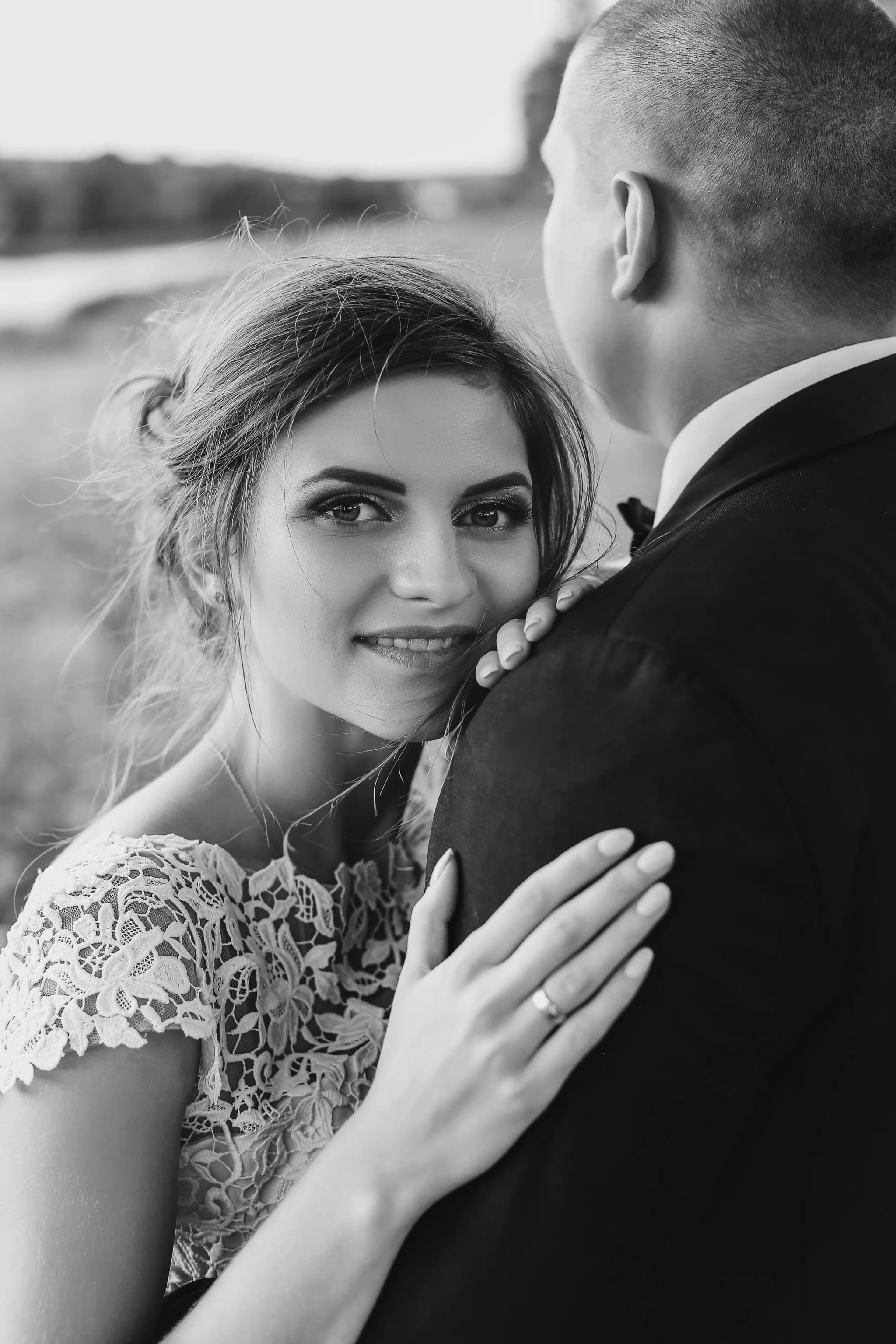
Social Media Content from Your Brand Session: Maximise ROI
By Yana Skakun·20 May 2026·6 min read
A question I hear in almost every consultation call is some version of "how many photos do I actually need?" The honest answer surprises most people: a well-planned brand session produces three to six months of social media content in a single day. I have watched business owners walk out of a three-hour session with more usable images than they generated in the previous year of ad hoc phone photos at their desk, and then spend the following months wondering why they waited so long to book one.
The Volume Problem With Social Media
Consistent posting is the single hardest part of running a brand's social presence, and it has nothing to do with creativity or strategy. It is a supply problem. Most business owners who try to sustain three or four posts a week end up reaching for whatever image is closest to hand — a phone photo of their laptop, a screenshot, a stock graphic — because there is nothing better available in the moment they need it. That inconsistency is visible to an audience even when they cannot articulate why a feed feels thin or unconvincing. A brand that posts polished, considered images sporadically, surrounded by filler, reads as less established than one that posts consistently, even if the polished images are objectively better photographs.
A brand session solves this by moving image production out of the reactive cycle entirely. Instead of generating content the day you need it, you generate a library weeks or months in advance, in one organised sitting, with proper light, a considered wardrobe, and a photographer directing rather than you fumbling with a phone on a tripod. The mental load this removes is often underestimated until people experience it. Not having to think "what am I going to post today" every single morning changes the entire relationship a business owner has with their own social media.
The scale of the problem becomes clear with simple arithmetic. Posting three times a week across a year is over 150 posts. Very few business owners can sustain that purely from candid moments as they happen. A single planned session, properly shot, can supply a meaningful fraction of that entire year's requirement, which is why I always frame a brand session as a production day rather than a one-off portrait sitting.
Planning by Platform
Different platforms want different shapes, and this needs to be decided before the camera comes out, not discovered afterwards when you are cropping a landscape image into a square and losing half the composition. Instagram feed posts generally work best as square or portrait crops, with enough headroom and background either side that a square crop does not cut awkwardly through a hand or a prop. LinkedIn, by contrast, favours landscape orientation — a wider frame with the subject positioned within the scene rather than filling it, which suits the more contextual, professional tone that platform rewards. Pinterest wants vertical images, often with room at the top or bottom for text overlay if that is part of your strategy.
Before a session I ask clients which platforms actually matter to their business, because shooting for all of them simultaneously without a plan produces images that are compromised for every format rather than excellent for any of them. If Instagram and LinkedIn are your two priorities, I will deliberately shoot each set-up twice — once with framing loose enough to crop square, once with the wider landscape context LinkedIn wants — rather than hoping one crop will serve both. This single piece of planning, done in the fifteen minutes before a session starts, saves months of frustration with images that never quite fit the platform you are trying to use them on.
Planning for Variety, Not Just Quality
Technical quality is a given expectation, not a differentiator, in a brand session. What actually determines whether a set of images will sustain months of posting is variety — genuine variety in expression, angle, framing, and mood, not simply many photographs of the same pose from slightly different distances. I build variety into a session deliberately, asking for a genuine laugh in one frame, a thoughtful downward glance in the next, a direct engaged look at the camera after that. Multiple distinct emotional registers from a single set-up give you multiple posts that do not feel repetitive sitting next to each other in a feed, even though they were shot within minutes of one another.
Context shots matter just as much as posed portraits, and they are the category clients most often forget to ask for. Images that show you doing something — reading, writing, mid-conversation, walking through a doorway, hands active with a tool of your trade — carry an implied narrative that a static posed portrait does not. These images consistently generate more engagement than straightforward headshots because they suggest a moment rather than a performance. I make sure every location in a session includes at least a few of these candid-style, in-motion frames alongside the more composed ones.
Batching by theme is the planning step that turns a folder of nice photos into an actual content calendar. Before the session, I ask clients to think in terms of the post categories they already use or want to use — client testimonial graphics that need a clean, uncluttered background for text overlay, personal story posts that want warmth and a more relaxed setting, service-focused posts that benefit from props or tools relevant to the work, behind-the-scenes content that wants a slightly rougher, more authentic feel than the polished hero shots. Having these categories named in advance means we can shoot specifically for each one rather than hoping a generic set of images will retroactively sort itself into a content calendar.
Shooting for the Seasons Ahead
One of the most underused strategies in brand photography is shooting slightly ahead of the calendar. If a session falls in spring, it is worth including one set of images in a bright, warm, outdoor-adjacent setting that can be held back and released in the middle of summer, when your actual availability for a fresh shoot might be lower. The same logic applies in reverse — a late summer session can bank a set of cosier, warmer-toned indoor images that will read naturally as autumn or winter content months later.
This kind of forward planning requires almost no extra time during the session itself, just a shift in mindset from "what do I need right now" to "what will I need in four months." A few extra frames, shot with a different backdrop or lighting mood, dramatically extend how far a single session can be stretched across a year, and they mean you are never caught needing seasonal content with no relevant images in the library.
A note on planning your session
The sessions that produce the longest-lasting content are the ones where the platforms, themes, and seasonal needs are discussed before the shoot, not worked out afterwards from whatever images happen to exist. I always ask new clients to bring a rough list of upcoming launches, offers, or content themes to our planning call, so the session can be built around what you will actually need to post in the months ahead.
Get in touch about a brand sessionHow Long Do Brand Session Images Actually Last?
In practical terms, a session of three to four hours producing eighty to one hundred and twenty edited images, with two or three outfit changes across different locations or set-ups, typically provides four to six months of social posting at three to four posts per week before repetition starts to become noticeable to a regular follower. That is a substantial return from a single day, and it is the figure I use when clients ask how often they realistically need to rebook.
With careful rotation, many professionals stretch a single session's images across twelve to eighteen months — mixing in the images more sparingly as time goes on, pairing them with genuinely new written content so the same photograph does not feel stale even on a third or fourth appearance, and reserving the strongest, most versatile images for the moments that matter most, such as launches or key announcements. The determining factor is never really the raw number of images delivered. It is the variety built into the session itself. A hundred images of the same expression in the same corner of the same room will feel repetitive within a few weeks, no matter how technically good each one is, while sixty images built around genuine variety in setting, expression, and framing can comfortably outlast them.
This is why the planning conversation before a session matters as much as the session itself. A client who arrives with a clear sense of the platforms they use, the themes they post around, and the seasons they need to cover walks away with a library that behaves less like a one-off photoshoot and more like a stock of content assembled specifically for their business. If you are weighing up whether a brand session is worth the time, the honest answer is that the return is rarely measured in the session itself but in the months of consistent, considered posting that follow it. If that sounds useful for where your business is right now, get in touch and we can talk through what a session built around your actual content calendar would look like.
Yana Skakun
Photographer · England
Professional wedding, family and portrait photographer based in England. Passionate about capturing authentic emotions and timeless moments.
About Yana →brand photography social media contentbrand session content creationmaximise brand photography roisocial media photos personal brand
Photography Tips — Professional Photography in Cambridge & England
Yana Skakun is a professional photographer based in Cambridge, specialising in wedding, family, and portrait photography across England. Every session is personal — planned around your story, your people, and the moments that matter most. This guide — Social Media Content from Your Brand Session: Maximise ROI — is part of the photography journal: practical, experience-based advice drawn from real sessions across England. Whether you arrived searching for brand photography social media content or brand session content creation, the same care and attention shapes every session Yana photographs.
Professional Photography sessions are available year-round, with bookings open across Cambridge, Ely, Huntingdon, Peterborough, and further afield — East England, London, the Midlands, and beyond. If you have specific questions about maximise brand photography roi, mention it in your enquiry. Get in touch through the contact form above to check availability and discuss your session. Enquiries are welcomed from anywhere in the UK.
Frequently Asked Questions
What camera settings should I use for outdoor portraits?+
For outdoor portraits, shoot in aperture priority mode. Use a wide aperture (f/1.8–f/2.8) to blur the background and isolate your subject. Keep ISO as low as possible in good light. In bright conditions, use a neutral density filter or switch to manual to avoid overexposure at wide apertures.
What is the golden hour in photography?+
Golden hour is the period roughly 30–60 minutes after sunrise and before sunset. The sun is low in the sky, producing warm, soft, directional light that flatters skin tones and creates beautiful long shadows. It's widely considered the best natural light for portrait and outdoor photography.
How do you get sharp photos in low light?+
In low light, increase your ISO (accepting some grain), use the widest aperture your lens allows, and slow your shutter speed to the slowest you can hand-hold without camera shake (roughly 1/focal length as a guide). Use image stabilisation if available, and consider a tripod for static subjects.
What is the rule of thirds in photography?+
The rule of thirds divides the frame into a 3×3 grid. Placing your subject on one of the four intersection points — rather than dead centre — creates a more dynamic, visually interesting composition. It's a guideline, not a rule: some of the most powerful images break it deliberately.
How do you edit photos to look professional?+
Professional editing starts with shooting in RAW format. In Lightroom or similar software, correct exposure, white balance, and contrast first. Recover shadow and highlight detail. Apply gentle colour grading for mood. Be conservative with skin retouching — the goal is natural enhancement, not transformation. Consistency across a set of images is what separates professional from amateur editing.
Continue Reading
Related Articles

Photography Tips
Photography Gift Vouchers: The Most Personal Present You Can Give
5 min read · Read Article
Photography Tips
Photo Books vs Photo Albums: What Is the Difference and Which Is Better?
5 min read · Read Article
Photography Tips
Photo Gift Ideas: Turning Professional Images into Meaningful Presents
5 min read · Read Article
Get in Touch
Ready to Book Your Session?
Get in touch to discuss your vision — I'll reply within 24 hours.