Yana Skakun

Drinking Champagne Before the Ceremony: Fun Morning Photo Ideas
By Yana Skakun·10 July 2026·8 min read
There is a particular kind of photograph that couples ask for again and again once they have seen it in someone else's gallery: a coupe glass caught mid-clink, condensation on the bottle, laughter frozen at exactly the wrong-right moment. Champagne before the ceremony has become one of the most requested morning traditions I photograph, and for good reason. It gives the getting-ready hours a natural pause, a reason for everyone to relax their shoulders, and a genuinely joyful set of images before the more formal, more emotionally weighted moments of the day begin. This is not about getting anyone tipsy before they walk down the aisle. It is about using one small ritual to loosen a room and create photographs that feel like the morning actually felt.
Why Champagne Photos Work So Well
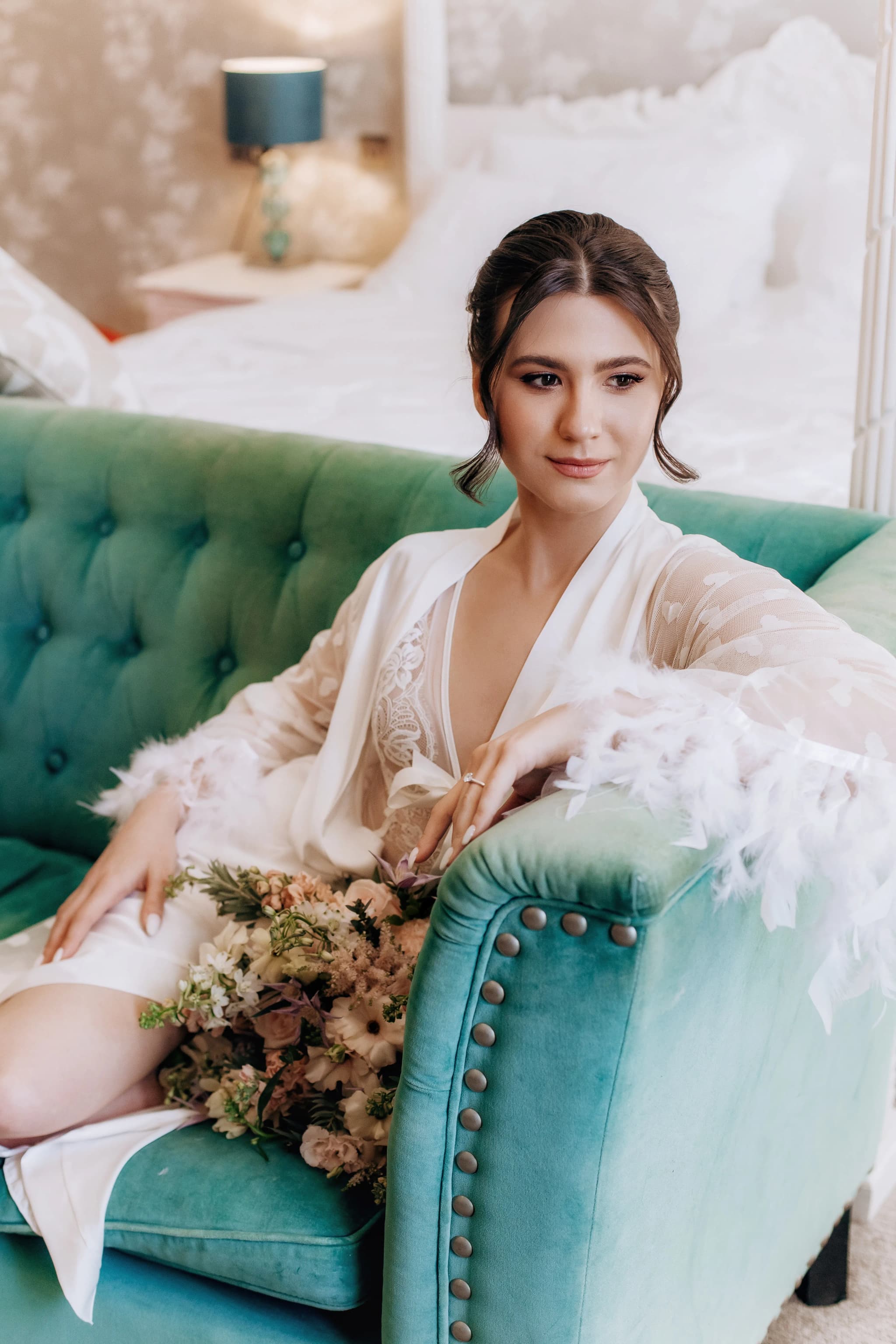
Getting-ready mornings are full of quiet, careful moments — hair pins going in, a mother doing up buttons, a groom checking his tie in a mirror. Those images matter and I always prioritise them. But a wedding morning that is only quiet and careful can end up looking a little solemn in a gallery, and most couples do not want their whole day to read as solemn. A glass of something sparkling, poured properly and photographed well, introduces a beat of pure fun into the sequence. It gives everyone in the room permission to be a little silly, to toast each other, to say something out loud that makes people laugh. That laughter is what the camera actually wants.
There is also a practical photographic reason champagne works so well: it is genuinely photogenic. Bubbles catch light beautifully, especially near a window with soft morning sun coming through. Glass reflects and refracts in ways that add depth to an otherwise flat bridal-suite background. A bottle being opened creates a split-second of real, unposed reaction — a flinch, a laugh, hands going up — that is much harder to manufacture with a posed group shot. If you are working with a photographer who understands documentary-style coverage, this is exactly the sort of moment they will already be watching for without needing to be asked.
The Pour: Getting the Classic Shot Right
The single most requested champagne image is the pour itself — bottle tilted, liquid arcing into a glass, bubbles rising. It looks effortless in a finished gallery but there are a few things that make it work. First, position near a window rather than under a ceiling light. Directional window light gives the liquid and the bubbles something to catch, where overhead light tends to flatten everything into a dull gold blur. Second, pour slowly. A fast pour creates a lot of foam and very little of the elegant arc that photographs well; slowing down by even a second or two makes an enormous visual difference and, as a bonus, wastes less champagne on the dressing table.
Coupe glasses photograph more elegantly than flutes in most bridal-suite settings, simply because the wider bowl catches more light and holds more visible bubbles, though flutes work perfectly well too and some couples specifically want them for the vintage look. I will often ask whoever is pouring to do it twice — once for the genuine reaction shot with people mid-laugh, and once slowed right down purely for the visual of the pour itself. Both versions tend to end up in the final gallery because they serve different purposes.
Bridal Party Toasts and Group Reactions
Once the pour is done, the more valuable photographs usually come from what happens next: the toast. Gathering the bridal party together for a proper "cheers" produces some of the most naturally joyful images of the whole morning, largely because everyone already knows how to do this — it does not need directing in the way a formal pose does. I generally step back slightly for this one and use a longer lens so people forget the camera is even there, which almost always produces better expressions than a close-up where everyone is aware of being watched.
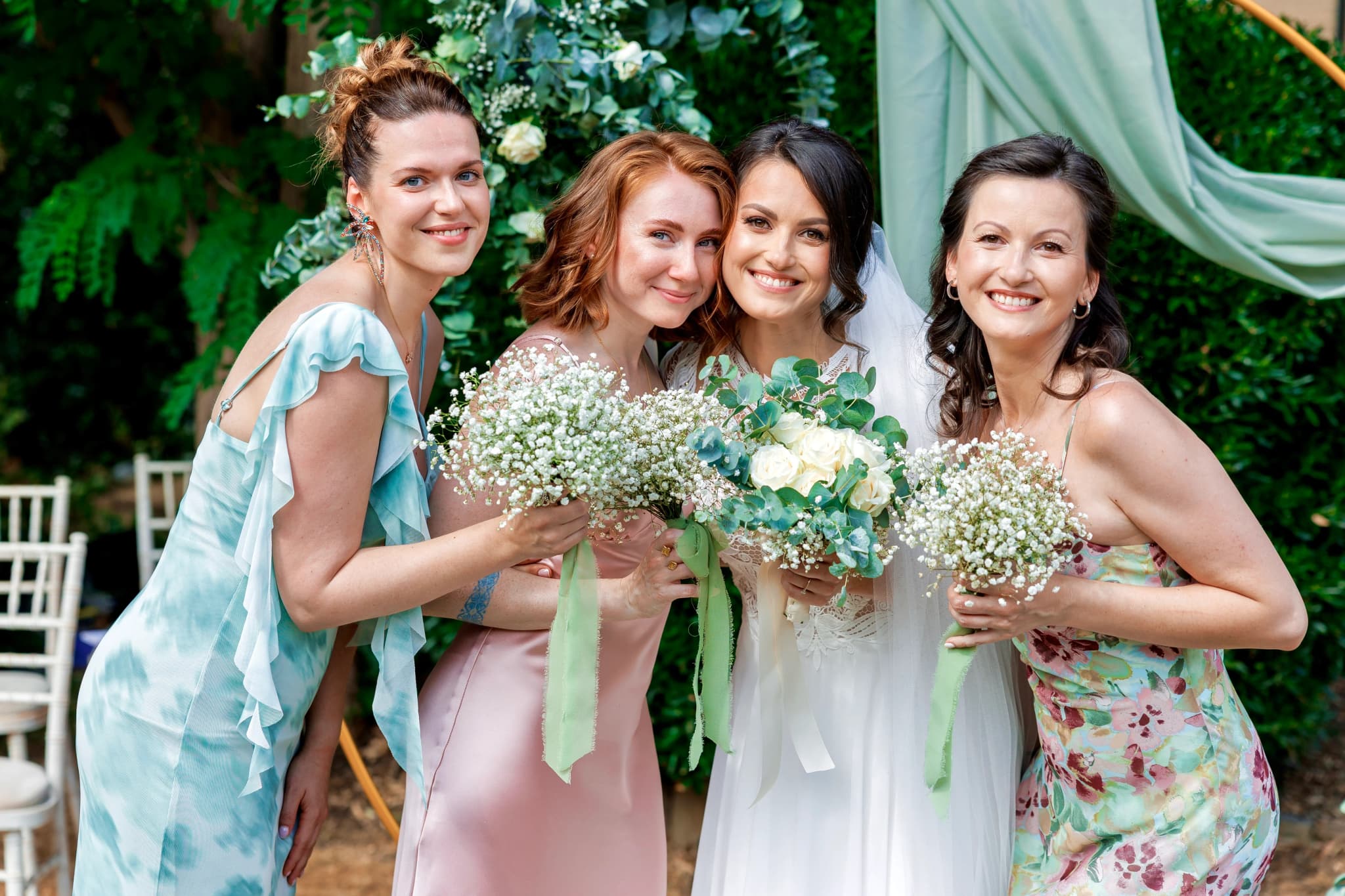
A few specific setups that consistently work well: bridesmaids in a loose semicircle around the bride, glasses raised, caught a half-second before or after the actual clink rather than during it, because that is when faces are most alive. Groomsmen doing the same in whatever space they are getting ready in, often with a slightly more raucous energy that is worth capturing honestly rather than trying to make it look demure. And a quieter version — just the couple, if you are doing a first look earlier in the morning, or just the bride with her mother or another close family member, sharing a toast that is smaller and more personal than the wider group shot.
Planning a morning like this?
If you like the idea of a relaxed, joyful getting-ready sequence built around real moments rather than stiff posing, I would love to talk through how it could work for your day. I photograph weddings across Cambridge and further afield, and the morning is often my favourite part of the whole day to cover.
Get in touchLight, Location and Styling in the Room
Where the champagne moment happens matters almost as much as the moment itself. A cluttered hotel room with suitcases and phone chargers in the background will undercut even the best pour, however good the light is. I always ask whoever is coordinating the morning to keep one clear surface near a window free — a dressing table, a windowsill, even a stripped-back bed — so there is somewhere clean to set the bottle, glasses, and any small styling details like the invitation suite or the bride's shoes. This does not need to be an elaborate flat-lay production. A tray, the bottle, two or three glasses, and good light will do almost all the work on their own.
Timing within the morning is worth planning too. I usually build the champagne moment in after the main hair and make-up work is finished but before the dress goes on, partly so nobody is worried about spills near £2,000 of silk, and partly because it gives a natural transition point between the practical prep and the more ceremonial moments that follow, like the first look or the walk to the car. If you are working with a full timeline for the day, it is worth flagging this specifically to your photographer so it does not get squeezed out if the morning runs behind, which mornings very often do.
What to Buy and How Much to Actually Drink
You genuinely do not need real champagne for this to work, and plenty of couples I photograph use good English sparkling wine, cava, or prosecco instead, partly for cost and partly because several excellent English sparkling producers are now made within an hour of Cambridge and give the whole moment a nice regional touch. What matters for the photographs is the bottle looking good (label visible, ideally facing the right way at some point during the pour) and the liquid being properly chilled, since a warm pour foams too aggressively and ruins the shot.
On quantity: this should be a toast, not a session. A single glass, sipped rather than finished, is genuinely enough for the photographs and keeps everyone sharp for hair touch-ups, family photos, and the ceremony itself. I have photographed enough weddings to say honestly that the couples who enjoy their day most are rarely the ones who started drinking properly at 9am. Treat it as a five-minute ritual with a full bottle available afterwards for anyone who wants a top-up once the formal photographs of the day are done.
Non-Alcoholic and Alternative Versions
If alcohol is not part of your morning for any reason — personal choice, religious observance, being the driver, or simply not being a fan — the visual version of this tradition works just as well with alcohol-free sparkling wine, elderflower fizz, or even good orange juice in the same glassware. The photographs do not actually know what is in the glass. What makes them work is the light, the bubbles, and the genuine reaction of the people involved, none of which depend on ABV. I have photographed beautiful, completely dry versions of this exact moment and they read in a gallery exactly the same way as the champagne version does.
Some couples also like a variation where it is not champagne at all but a favourite cocktail, a family recipe, or even a cup of proper tea shared between the bride and her mother in a quiet corner of the room. The underlying idea is the same one that makes the champagne version work: a small, shared ritual that gives everyone a reason to pause, connect, and be photographed doing something that feels like them rather than something staged purely for the camera.
Bringing It Into Your Wedding Day Timeline
If this is a moment you want captured well, the best thing you can do is mention it explicitly when you are planning your coverage rather than assuming it will simply happen. I build getting-ready mornings around a loose but deliberate structure — arrival and details, hair and make-up in progress, a styled quiet moment, the champagne toast, then dressing — and knowing in advance that the toast matters to you means I can protect the ten minutes it needs even on a morning that is running tight. It is a small thing to plan for and it makes a disproportionate difference to how the final gallery feels. For couples building out their full day of coverage, it is worth looking at how the wider morning and reception sequence fits together, and I am always happy to talk through a full wedding photography timeline in a planning call before the day itself.
This kind of relaxed, documentary-style morning coverage is something I build into every wedding I photograph, whether that is a full traditional day or a smaller, more intimate elopement. If you are still comparing photographers and want to see how mornings like this actually turn out in a finished gallery, my wedding photography portfolio has plenty of examples, and full pricing details are there too if you are working out what fits your day and budget.
A champagne toast on the morning of your wedding is a small ritual, but it earns its place in the gallery every time — not because the drink itself matters, but because of what it does to a room full of people who love you. If you would like to talk through how a morning like this could fit into your own wedding, or want to see more of how I photograph mornings, weddings, and the albums that come out of them, get in touch. I am Yana Skakun, and I would love to help you plan a morning that feels exactly like you.
Yana Skakun
Photographer · England
Professional wedding, family and portrait photographer based in England. Passionate about capturing authentic emotions and timeless moments.
About Yana →champagne wedding morning photoswedding morning photo ideasgetting ready photographywedding toast photosbridal party champagne photosCambridge wedding photographer
Wedding Tips — Wedding Photography in Cambridge & England
Yana Skakun is a professional wedding photographer based in Cambridge, covering weddings across England — from intimate elopements to full-day ceremonies at country houses, barns, and city venues. Every couple receives a relaxed, documentary approach that captures the day as it truly unfolds. This guide — Drinking Champagne Before the Ceremony: Fun Morning Photo Ideas — is part of the photography journal: practical, experience-based advice drawn from real sessions across England. Whether you arrived searching for champagne wedding morning photos or wedding morning photo ideas, the same care and attention shapes every session Yana photographs.
Wedding Photography sessions are available year-round, with bookings open across Cambridge, Ely, Huntingdon, Peterborough, and further afield — East England, London, the Midlands, and beyond. If you have specific questions about getting ready photography, mention it in your enquiry. Get in touch through the contact form above to check availability and discuss your session. Enquiries are welcomed from anywhere in the UK.
Frequently Asked Questions
How much does a wedding photographer cost in England?+
Wedding photography in England typically ranges from £1,500 to £4,000+ for a full day. Price depends on experience, coverage hours, and whether albums or engagement shoots are included. Most photographers charge between £2,000–£3,000 for 8–10 hours of coverage.
How early should you book a wedding photographer?+
For peak season (May–September), book 12–18 months in advance. For autumn and winter weddings, 9–12 months is usually sufficient. Popular photographers at popular venues fill up fast — as soon as you have a date and venue confirmed, start reaching out.
How many photos do you get from a wedding photographer?+
Most professional wedding photographers deliver 400–800 edited images for a full-day wedding. The exact number depends on coverage hours, how many guests there are, and the photographer's editing style. Quality matters more than quantity — a curated gallery of 500 images tells the story better than 1,500 unedited files.
Do you need a second photographer at your wedding?+
A second photographer is helpful if you want simultaneous coverage of getting-ready moments in different locations, multiple angles during the ceremony, or more candid coverage during the reception. It adds cost but significantly increases the variety and completeness of your gallery.
What is the difference between documentary and editorial wedding photography?+
Documentary (reportage) wedding photography captures moments as they happen — the photographer observes and doesn't intervene. Editorial photography involves deliberate direction: placing you in good light, shaping compositions, creating intentional portraits. Most photographers blend both styles throughout the day.
Continue Reading
Related Articles

Wedding Tips
Sustainable Eco-Friendly Wedding Guide — Planning a Green Celebration
15 min read · Read Article
Wedding Tips
Trash the Dress Session — Complete Planning and Photography Guide
14 min read · Read Article
Wedding Tips
Client Communication for Photographers — From Enquiry to Gallery Delivery
15 min read · Read Article
Get in Touch
Ready to Book Your Session?
Get in touch to discuss your vision — I'll reply within 24 hours.