Yana Skakun

Leadership Headshots for Charity CEOs and Third Sector Executives
By Yana Skakun·18 August 2025·4 min read
A charity Chief Executive is the most visible face of the organisation — to major donors, trustees, statutory funders, media contacts, sector peers, and the beneficiaries the charity exists to serve. I have photographed a number of third-sector leaders over the years, and the brief is always slightly different from a corporate headshot, even though the practical requirements — a clean, current, professional image — are the same. This piece covers how I approach that brief and where the photographs typically end up being used.
Finding the Right Register
The third sector occupies a genuinely distinctive visual register. It sits somewhere between the studied distance of a corporate finance headshot and the informality that might undermine the professional standing a charity needs for high-value funding relationships. What I am aiming for with a charity CEO headshot is warmth, purpose, and leadership competence, all communicated at once — and that combination is harder to achieve than it sounds.
Expression does most of the work here. A genuine, engaged expression communicates the human connection that defines effective charity leadership; a forced corporate smile reads as incongruent with the sector's values almost immediately. My aim in a session is a photograph that looks like a specific, committed person — not a stock image of what leadership is generically supposed to look like. That usually means spending a little longer talking before I start shooting than I would with a purely corporate client, so the person in front of the camera is actually thinking about their work rather than performing for a lens.
Location matters too. Some CEOs want the recognisable backdrop of their own building or a project site; others prefer a neutral setting that puts the focus entirely on them. I am happy to shoot on location at a charity's premises, in Cambridge, or at a nearby outdoor spot if natural light and a softer backdrop suit the brief better than an office wall.
Where the Photographs Actually Get Used
Charity CEOs tend to use their professional headshot far more often than they expect going in. The common uses I see include Charity Commission filings and public records, annual report and impact report photography, sector body directory profiles, grant application lead-contact photographs, funder website and report features, media and press enquiry images, conference speaker and panel biographies, and general social media content.
One properly produced headshot, refreshed every two or three years, comfortably covers all of that. The alternative — searching through old event photos or phone snaps for something passable when a journalist or funder asks for an image at short notice — is a small but recurring source of stress that a single planned session removes entirely.
Charity and third-sector leadership photography
I offer individual and team headshot sessions for charity CEOs, senior leadership teams, and trustees, in Cambridge and across the East of England.
Enquire about a headshot sessionSenior Leadership Team Sessions
For charities where the full senior leadership team — the CEO, a Deputy CEO, Directors of Fundraising, Operations, and Finance, or Heads of Service — appears regularly in public materials, I recommend a matched team session rather than everyone sourcing their own photograph separately. A consistent set produces a far more coherent impression across an annual report, website, and funder documentation than a mix of styles and backgrounds ever will.
In practice this is easier to schedule than it sounds. Leadership team sessions can usually be completed in a morning or afternoon, with each person available individually for fifteen or twenty minutes rather than needing the whole team free at the same time — which, given how packed most senior charity calendars are, tends to be the deciding factor in whether the session actually happens.
Preparing for the Session
The CEOs I work with are often more anxious about being photographed than they let on — leading a charity does not necessarily come with much practice in front of a camera, and a lot of people who are entirely comfortable speaking to a room of donors feel genuinely awkward the moment a lens is pointed at them. I spend real time before the shutter clicks talking through what the images are actually for, since a CEO thinking about the funder who will see this photograph tends to relax into something far more natural than one simply told to smile.
Wardrobe advice is part of this too. I generally suggest solid colours over busy patterns, and something that reflects the organisation's tone without veering into either excessive formality or excessive casualness — a charity working in community outreach will often want a slightly warmer, more approachable look than one working in international development policy, and it is worth discussing this in advance rather than assuming a single template suits every organisation equally.
Trustees and Board Photography
Trustees are increasingly visible in charity communications — governance and accountability documentation, annual reports, and websites now routinely carry board member profiles and photographs. Many trustees already have a strong headshot from their primary professional role, but the style and quality of these vary enormously when placed side by side on a governance page. A single trustee photography session, even a relatively short one, produces a matched set that sits together properly across the board section of a charity's website and annual report, rather than looking like a collage of unrelated images.
I usually suggest running trustee sessions around a board meeting the trustees are already attending, so no one has to make a separate trip purely for photographs. Ten to fifteen minutes per person is generally enough once the setup is in place.
Location and Setting
Some organisations want the recognisable backdrop of their own office or a project site woven into the headshot, which can add genuine context — a CEO photographed against a backdrop connected to the charity's actual work often communicates more than a plain studio-style portrait ever could. Others specifically want a neutral background so the focus stays entirely on the person rather than the setting, particularly if the image needs to work across many different contexts, from a funder's glossy annual report to a black-and-white newspaper photograph.
I am happy to shoot at a charity's own premises, in a suitable outdoor Cambridge location, or in a simple studio-style setup depending on what the brief calls for. Natural light, used well, tends to photograph as more approachable and less corporate than a heavily lit studio backdrop, which suits the charity sector's general preference for warmth over polish.
Booking and What to Expect
I keep charity headshot sessions straightforward — a short conversation beforehand about how the images will be used, a session of thirty to forty-five minutes per person or team, and a curated set of finished images delivered within a couple of weeks. I am used to working around the funding cycle deadlines and reporting periods that shape a lot of charity communications planning, so if you need images by a particular date for an annual report or grant submission, tell me early and I will build the session around it.
If you are weighing up whether a proper headshot session is worth the investment for your organisation, my honest view is that it almost always is — the photograph appears in more places, for longer, than most charities initially anticipate, and having one consistent, current image ready to use saves a genuine amount of low-level administrative friction over the years that follow.
Yana Skakun
Photographer · England
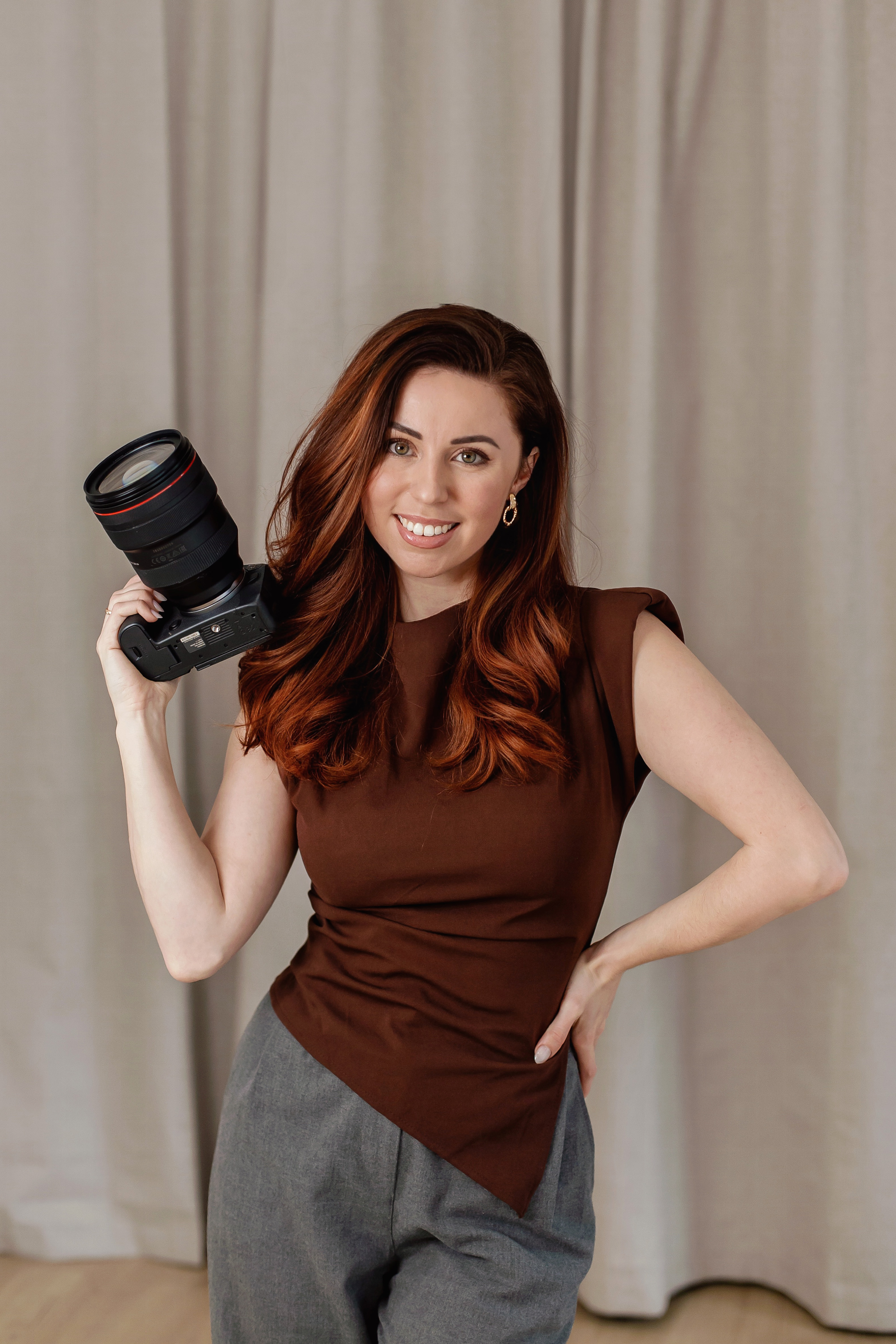
Professional wedding, family and portrait photographer based in England. Passionate about capturing authentic emotions and timeless moments.
About Yana →charity CEO headshots UKthird sector executive professional photo UKcharity director photography CambridgeNCVO member headshots UKnon-profit leadership photography UKcharity trustee headshots Cambridge
Business Headshots — Corporate Headshot Photography in Cambridge & England
Corporate photography with Yana Skakun covers individual headshots, team portraits, and event documentation — all delivered with the same consistent quality and professional tone. Available in Cambridge and across England for businesses of all sizes. This guide — Leadership Headshots for Charity CEOs and Third Sector Executives — is part of the photography journal: practical, experience-based advice drawn from real sessions across England. Whether you arrived searching for charity ceo headshots uk or third sector executive professional photo uk, the same care and attention shapes every session Yana photographs.
Corporate Headshot Photography sessions are available year-round, with bookings open across Cambridge, Ely, Huntingdon, Peterborough, and further afield — East England, London, the Midlands, and beyond. If you have specific questions about charity director photography cambridge, mention it in your enquiry. Get in touch through the contact form above to check availability and discuss your session. Enquiries are welcomed from anywhere in the UK.
Frequently Asked Questions
What camera settings should I use for outdoor portraits?+
For outdoor portraits, shoot in aperture priority mode. Use a wide aperture (f/1.8–f/2.8) to blur the background and isolate your subject. Keep ISO as low as possible in good light. In bright conditions, use a neutral density filter or switch to manual to avoid overexposure at wide apertures.
What is the golden hour in photography?+
Golden hour is the period roughly 30–60 minutes after sunrise and before sunset. The sun is low in the sky, producing warm, soft, directional light that flatters skin tones and creates beautiful long shadows. It's widely considered the best natural light for portrait and outdoor photography.
How do you get sharp photos in low light?+
In low light, increase your ISO (accepting some grain), use the widest aperture your lens allows, and slow your shutter speed to the slowest you can hand-hold without camera shake (roughly 1/focal length as a guide). Use image stabilisation if available, and consider a tripod for static subjects.
What is the rule of thirds in photography?+
The rule of thirds divides the frame into a 3×3 grid. Placing your subject on one of the four intersection points — rather than dead centre — creates a more dynamic, visually interesting composition. It's a guideline, not a rule: some of the most powerful images break it deliberately.
How do you edit photos to look professional?+
Professional editing starts with shooting in RAW format. In Lightroom or similar software, correct exposure, white balance, and contrast first. Recover shadow and highlight detail. Apply gentle colour grading for mood. Be conservative with skin retouching — the goal is natural enhancement, not transformation. Consistency across a set of images is what separates professional from amateur editing.
Continue Reading
Related Articles
Business Headshots
Why professional business headshots are worth the investment in 2025
7 min read · Read Article
Business Headshots
The complete corporate headshot guide: What to expect and how to prepare
7 min read · Read Article
Business Headshots
LinkedIn headshot: What actually makes a profile photo work
7 min read · Read Article
Get in Touch
Ready to Book Your Session?
Get in touch to discuss your vision — I'll reply within 24 hours.