Yana Skakun

Do I Have to Pay for My Wedding Photographer's Travel Expenses?
By Yana Skakun·10 July 2026·8 min read
It is one of those questions couples often feel slightly awkward asking, and one that photographers sometimes explain badly on their own websites. You have found someone whose work you love, you have read the package details three times, and then you notice a line about "travel costs may apply" and you are not sure what that actually means for your final bill. The short answer is: yes, in most cases you should expect to pay something towards your wedding photographer's travel if your venue is any real distance from their base, but the way that cost is calculated, disclosed, and charged varies enormously between photographers, and understanding the standard practice helps you budget properly and spot a fair arrangement from an unclear one.
Why Travel Expenses Exist as a Separate Line at All
Wedding photography pricing is built around a day rate that covers a photographer's time, skill, equipment, insurance, editing hours, and the ongoing costs of running a photography business. That day rate is generally calculated on the assumption of a local wedding — one where the photographer drives an hour or less, does not need overnight accommodation, and is not losing a second day of their working week to the job. When a wedding is further away, the photographer is committing more of their time and money to be there: fuel or train fares, a hotel the night before if the venue is a long drive or the ceremony is early, and sometimes a full extra day that could otherwise have been spent working or resting. Travel expenses are simply the mechanism for recovering those additional real costs without inflating the base price for every client, including the many who marry locally and would otherwise be subsidising everyone else's mileage.
It is worth separating this from the photographer's fee itself. The fee is payment for expertise, creative work, and time. Travel expenses are reimbursement for actual out-of-pocket costs incurred in getting to and from the wedding. A photographer who blurs the two together, charging a flat "travel fee" that bears no obvious relationship to actual mileage or an overnight stay, is not necessarily doing anything wrong, but it is fair to ask how that figure was reached.
What Counts as Reasonable to Charge For
In UK wedding photography, the costs that typically get passed on to the client fall into a fairly predictable set: fuel calculated per mile (often using a rate close to HMRC's approved mileage allowance, currently 45p per mile for the first 10,000 miles in a tax year for a car), train or flight fares if that is how the photographer is travelling, parking charges at or near the venue, and accommodation if the venue is far enough away, or the day starts early enough, that driving there and back on the day itself is impractical or unsafe. Some photographers also charge for a second photographer's travel separately if you have booked a two-shooter package and both are travelling from a distance.
What should generally not appear on a travel invoice is anything that reads as padding: a flat "location surcharge" with no explanation, meals that would have been provided anyway, or a vague round number that is clearly higher than the actual mileage or hotel cost would justify. A photographer who is transparent will usually be happy to show you, or at least describe, how the figure was worked out. If you ask and get a vague non-answer, that is worth noting.
How Far Is "Local" and Where the Charges Start
Every photographer sets their own free-travel radius, and there is no single industry standard, but a common pattern in the UK is a free radius of somewhere between twenty and forty miles from the photographer's home base, with mileage charged beyond that point. For a Cambridge-based photographer, that typically means weddings across Cambridgeshire and into the immediate surrounding counties are included in the standard package price, while venues further into Norfolk, Suffolk, Essex, or further afield start to incur a mileage charge. It is entirely reasonable, and sensible, to ask any photographer you are considering exactly where their free-travel boundary sits and what the calculation looks like once you are outside it, before you sign anything. I set this out clearly on my own pricing page so there are no surprises later, and I would expect any photographer worth booking to be equally upfront.
It is also worth noting that "distance" is not purely about miles on a map. A venue forty-five minutes away on a fast A-road is a very different proposition to one that is technically closer as the crow flies but takes ninety minutes down single-track lanes. Photographers who quote travel costs sensibly are thinking about actual drive time and the practicalities of the day, not just a straight-line distance calculation.
Overnight Stays: When They Become Necessary
Accommodation is usually the more significant travel cost, and it is the one couples are most often surprised by. If your wedding is more than roughly two hours' drive from the photographer's base, or if bridal preparations start very early in the morning (six or seven o'clock is not unusual for a wedding with an early ceremony), most photographers will want, quite reasonably, to stay locally the night before rather than set an alarm for 3am and drive several hours before a twelve-hour working day. Asking a photographer to do that is asking them to work while seriously sleep-deprived, which is not good for you or for the quality of the images.
A sensible photographer will factor an overnight stay into their travel quote for any wedding that genuinely requires it, at a reasonable mid-range hotel or bed and breakfast rate, not a luxury suite. If a second night is needed — for example, if the wedding finishes very late and an early-morning drive home the next day would be unsafe — that should also be discussed and agreed in advance rather than appearing as a surprise on the final invoice. This is exactly the kind of detail worth clarifying at the enquiry stage for a destination wedding anywhere outside a photographer's usual working area, whether that is the Scottish Highlands, Cornwall, or overseas.
A note on how I handle travel
Weddings within about thirty miles of Cambridge are covered in the standard package price with no travel charge at all. Beyond that, I calculate mileage transparently at a standard rate, and only add accommodation where an early start or long distance genuinely makes it necessary — and I always agree the figure with you before the booking is confirmed, not after the wedding has happened. There are never hidden surcharges added at the last minute.
Get in touchShould Travel Costs Be in the Contract?
Yes, without exception. Any travel or accommodation cost should be written into your contract or booking confirmation as a fixed, agreed figure before you pay your deposit, not left as an open-ended "to be invoiced later" item. A photographer estimating travel costs in good faith at the enquiry stage and then presenting you with a significantly higher bill after the wedding, when there is nothing you can do about it, is not acceptable practice, and it is one of the more common sources of dispute between couples and photographers after the day itself. If your venue changes after booking — which happens more often than you might think — travel costs should be recalculated and confirmed again in writing at that point too.
When you are comparing quotes from different photographers, it is worth asking each one directly: what is your free-travel radius, how is mileage beyond that calculated, and under what circumstances would accommodation be added. Photographers who answer clearly and confidently have almost certainly dealt with this many times and have a consistent, fair system. This is a completely standard question to ask, and no photographer worth booking will be put off by it. You will find similar guidance on my own frequently asked questions page, alongside other practical booking questions couples commonly raise.
What If You Want to Book a Photographer Who Is Far Away?
Sometimes the photographer whose work resonates with you most is simply not based near your venue, and that is a completely valid reason to still book them, provided the travel cost is affordable and clearly agreed. Many couples factor a photographer's travel fee into their overall photography budget from the outset in exactly the same way they would budget for a florist's delivery charge or a band's equipment transport cost — it is simply part of the true cost of working with that specific supplier. If budget is tight, it is entirely fair to ask whether there is flexibility: some photographers offer a reduced rate for weddings on quieter days of the week or in their off-season, which can offset a travel charge, and some will suggest sharing accommodation costs if a wedding falls on a weekend where they can combine the trip with another nearby booking.
For couples looking at wedding photography in and around Cambridge specifically, the travel question tends to resolve itself in your favour, since most of the county's well-loved venues sit well within a typical local radius. It is really once you start looking further afield, or considering a photographer based in a different part of the country entirely, that travel becomes a meaningful line item worth planning for early.
Red Flags Worth Watching For
A few patterns are worth being cautious about. Be wary of a photographer who refuses to give any indication of travel cost until after you have paid a deposit, since that removes your ability to compare fairly against other quotes. Be equally cautious of round, unexplained figures with no relationship to actual distance — a flat £150 "travel supplement" regardless of whether your venue is thirty-five miles away or a hundred and thirty-five miles away suggests the number was picked arbitrarily rather than calculated. And treat any request for additional travel payment after the wedding, for a cost that was not disclosed and agreed beforehand, as a genuine problem to raise directly rather than something to simply accept.
None of this should put you off working with a photographer who is not on your literal doorstep. Reasonable, transparent travel charges are a completely normal part of UK wedding photography, and most photographers handle them fairly and professionally. The goal is simply to know what you are agreeing to, in writing, before your deposit changes hands, so that travel is one less thing to think about as your wedding day approaches. If you are planning your day and want to talk through exactly how travel would work for your venue, whether that is a farmhouse a mile from a Cambridge photographer's door or a castle three counties away, browsing real examples on the wedding albums page is a good place to start, and I am always happy to talk it through properly.
At Yana Skakun Photography, travel costs are worked out honestly, explained clearly, and confirmed in writing before any booking is finalised, whether your venue is a short drive from Cambridge or considerably further afield. If you would like a straightforward, no-obligation quote that includes exactly what travel would cost for your specific venue, get in touch and I will talk you through it.
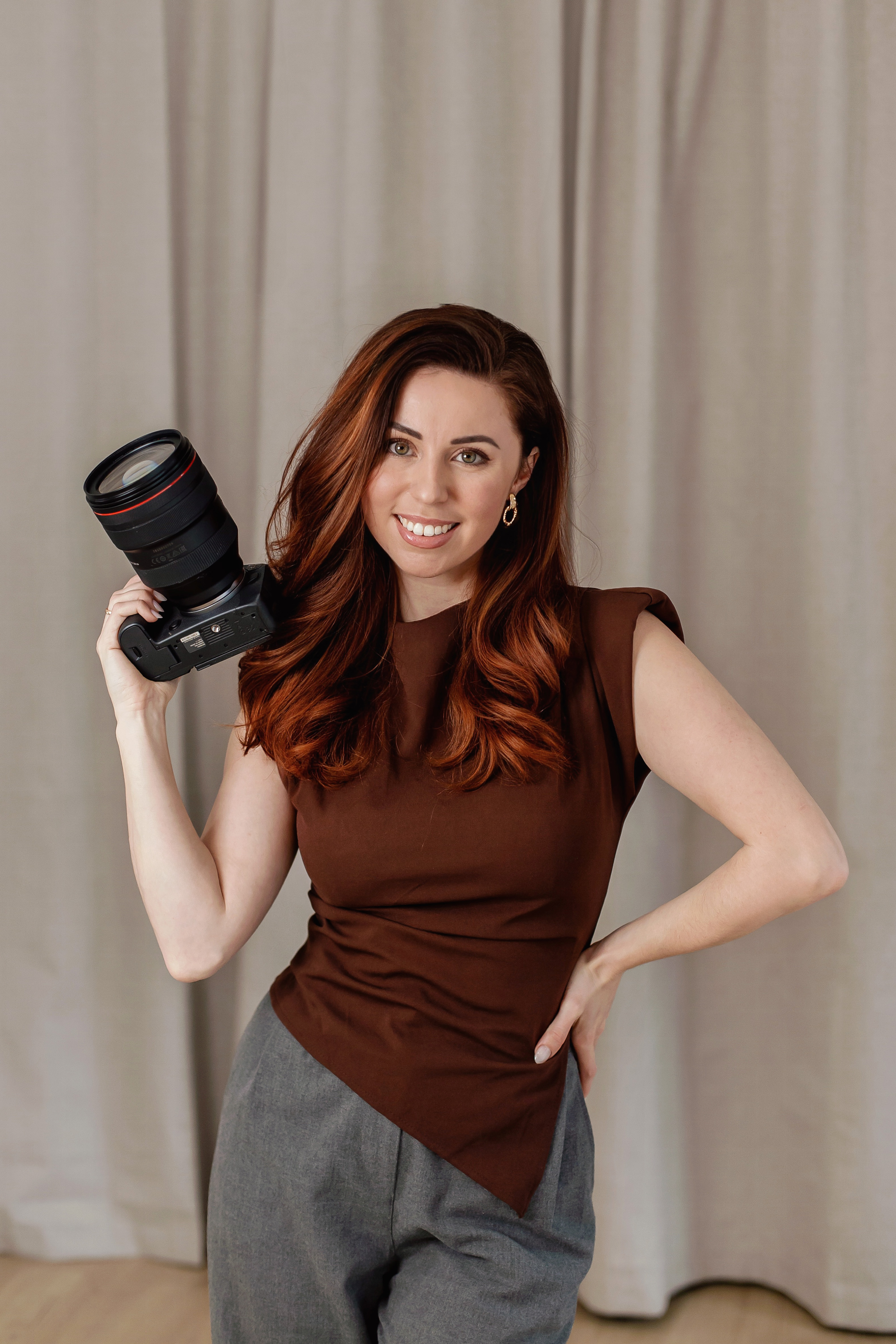
Yana Skakun
Photographer · England
Professional wedding, family and portrait photographer based in England. Passionate about capturing authentic emotions and timeless moments.
About Yana →pay photographer travel expenseswedding photographer travel costswedding photographer mileage charge UKdestination wedding photographer feeswedding photography contract travelCambridge wedding photographer pricing
Photography Tips — Professional Photography in Cambridge & England
Yana Skakun is a professional photographer based in Cambridge, specialising in wedding, family, and portrait photography across England. Every session is personal — planned around your story, your people, and the moments that matter most. This guide — Do I Have to Pay for My Wedding Photographer's Travel Expenses? — is part of the photography journal: practical, experience-based advice drawn from real sessions across England. Whether you arrived searching for pay photographer travel expenses or wedding photographer travel costs, the same care and attention shapes every session Yana photographs.
Professional Photography sessions are available year-round, with bookings open across Cambridge, Ely, Huntingdon, Peterborough, and further afield — East England, London, the Midlands, and beyond. If you have specific questions about wedding photographer mileage charge uk, mention it in your enquiry. Get in touch through the contact form above to check availability and discuss your session. Enquiries are welcomed from anywhere in the UK.
Frequently Asked Questions
What camera settings should I use for outdoor portraits?+
For outdoor portraits, shoot in aperture priority mode. Use a wide aperture (f/1.8–f/2.8) to blur the background and isolate your subject. Keep ISO as low as possible in good light. In bright conditions, use a neutral density filter or switch to manual to avoid overexposure at wide apertures.
What is the golden hour in photography?+
Golden hour is the period roughly 30–60 minutes after sunrise and before sunset. The sun is low in the sky, producing warm, soft, directional light that flatters skin tones and creates beautiful long shadows. It's widely considered the best natural light for portrait and outdoor photography.
How do you get sharp photos in low light?+
In low light, increase your ISO (accepting some grain), use the widest aperture your lens allows, and slow your shutter speed to the slowest you can hand-hold without camera shake (roughly 1/focal length as a guide). Use image stabilisation if available, and consider a tripod for static subjects.
What is the rule of thirds in photography?+
The rule of thirds divides the frame into a 3×3 grid. Placing your subject on one of the four intersection points — rather than dead centre — creates a more dynamic, visually interesting composition. It's a guideline, not a rule: some of the most powerful images break it deliberately.
How do you edit photos to look professional?+
Professional editing starts with shooting in RAW format. In Lightroom or similar software, correct exposure, white balance, and contrast first. Recover shadow and highlight detail. Apply gentle colour grading for mood. Be conservative with skin retouching — the goal is natural enhancement, not transformation. Consistency across a set of images is what separates professional from amateur editing.
Continue Reading
Related Articles

Photography Tips
Photography Gift Vouchers: The Most Personal Present You Can Give
5 min read · Read Article
Photography Tips
Photo Books vs Photo Albums: What Is the Difference and Which Is Better?
5 min read · Read Article
Photography Tips
Photo Gift Ideas: Turning Professional Images into Meaningful Presents
5 min read · Read Article
Get in Touch
Ready to Book Your Session?
Get in touch to discuss your vision — I'll reply within 24 hours.