Yana Skakun
Documentary vs Fine Art Wedding Photography: What's the Difference?
By Yana Skakun·31 May 2026·7 min read
Documentary and fine art are the two most frequently cited wedding photography styles — and the two most frequently confused. They represent genuinely different approaches to the same subject, and understanding the difference helps you choose a photographer whose work will match what you actually want. This guide breaks down the real distinction, the overlap, and how to identify which dominates a photographer's portfolio.
Documentary Wedding Photography
Documentary wedding photography — also called reportage, photojournalistic, or observational wedding photography — is rooted in the tradition of news and magazine photography. The guiding principle is observation without interference: the photographer records what happens without directing, staging, or influencing events.
- ◆What it prioritises: Authentic, spontaneous moments — the laugh that was not staged, the tear that was not directed, the look between two people who forgot the camera was there. The value is in truth rather than aesthetic control.
- ◆How it is shot: The photographer stays peripheral, moves freely, and reacts to events. There is minimal or no direction during non-portrait sections of the day. The couple and guests behave naturally because they have largely stopped noticing the photographer.
- ◆What the gallery looks like: A wide variety of moments, emotions, and situations — the full narrative of the day as it actually unfolded. Less stylistically consistent than fine art but richer in authentic moment variety.
- ◆Portrait sections: Even documentary photographers typically direct the couple during dedicated portrait time — pure observational photography during portraits produces fewer interesting results than at least minimal posing guidance.
Fine Art Wedding Photography
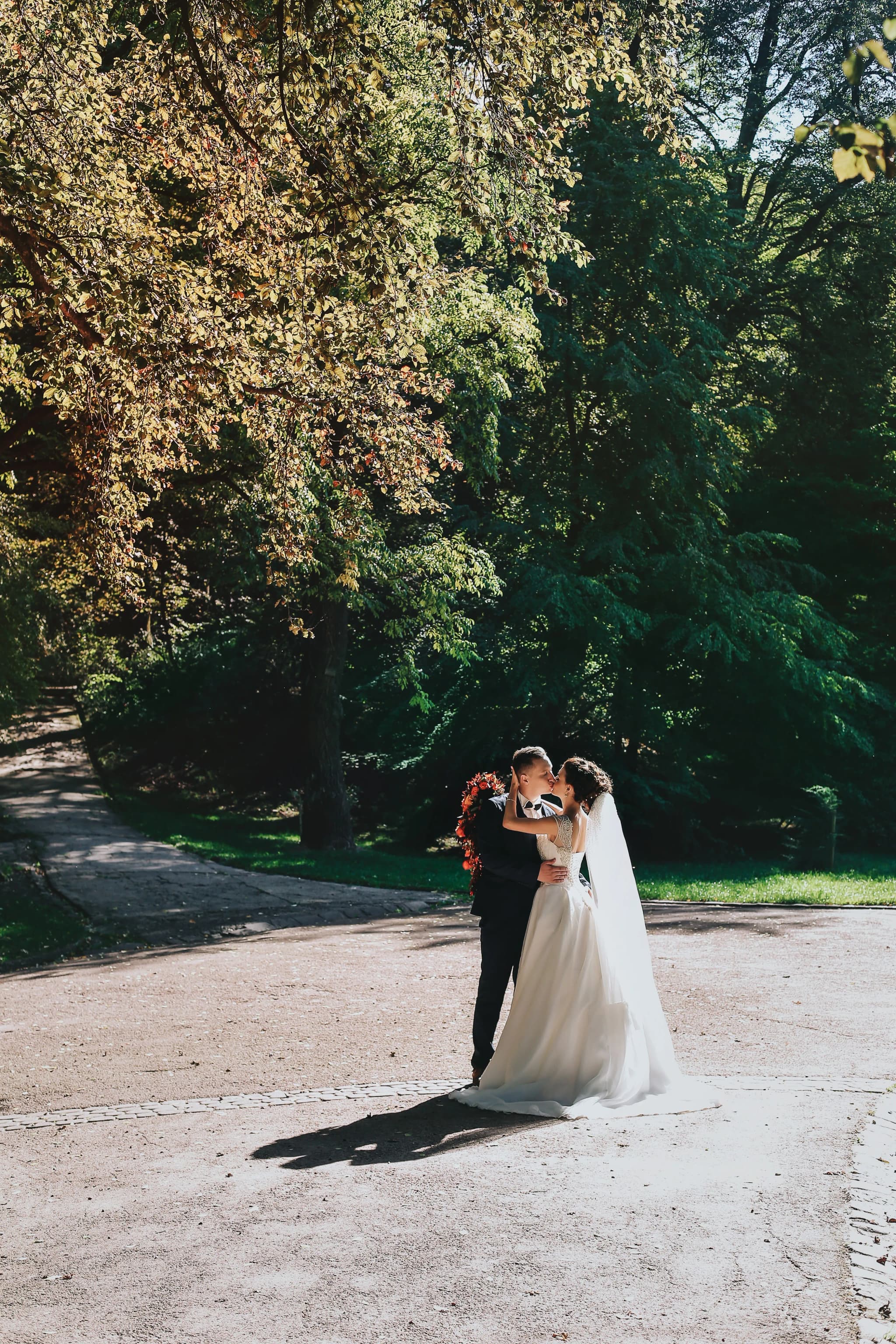
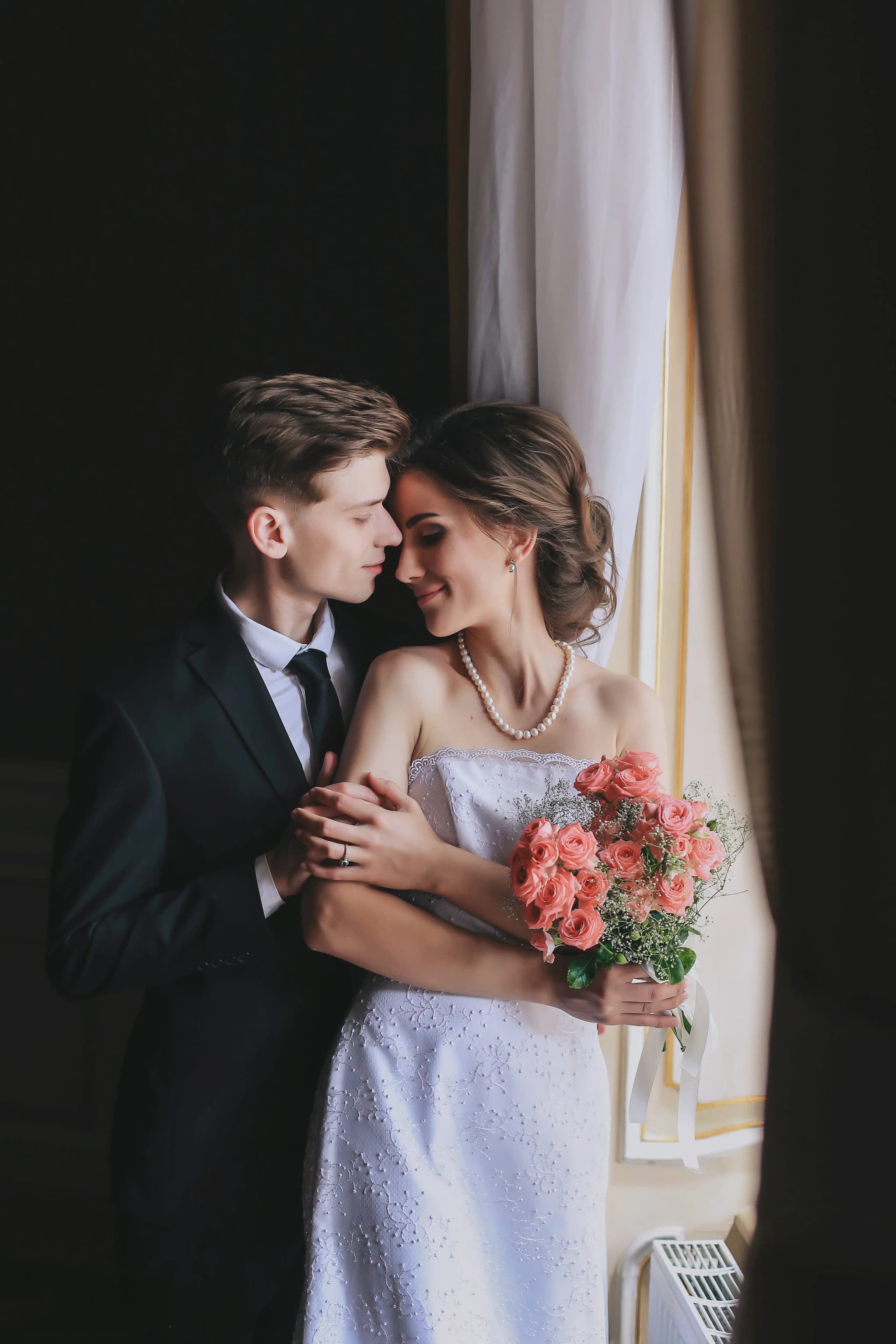
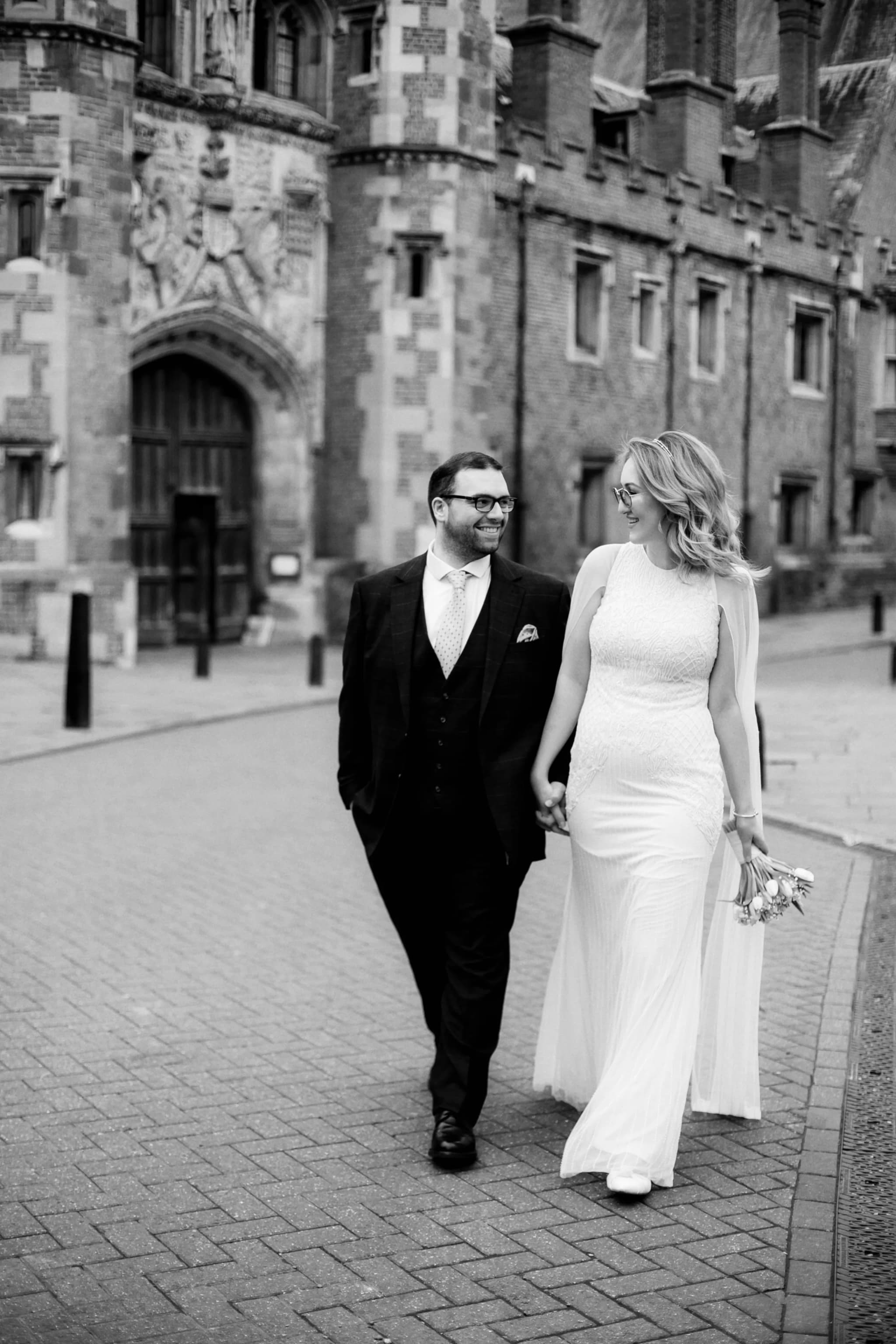
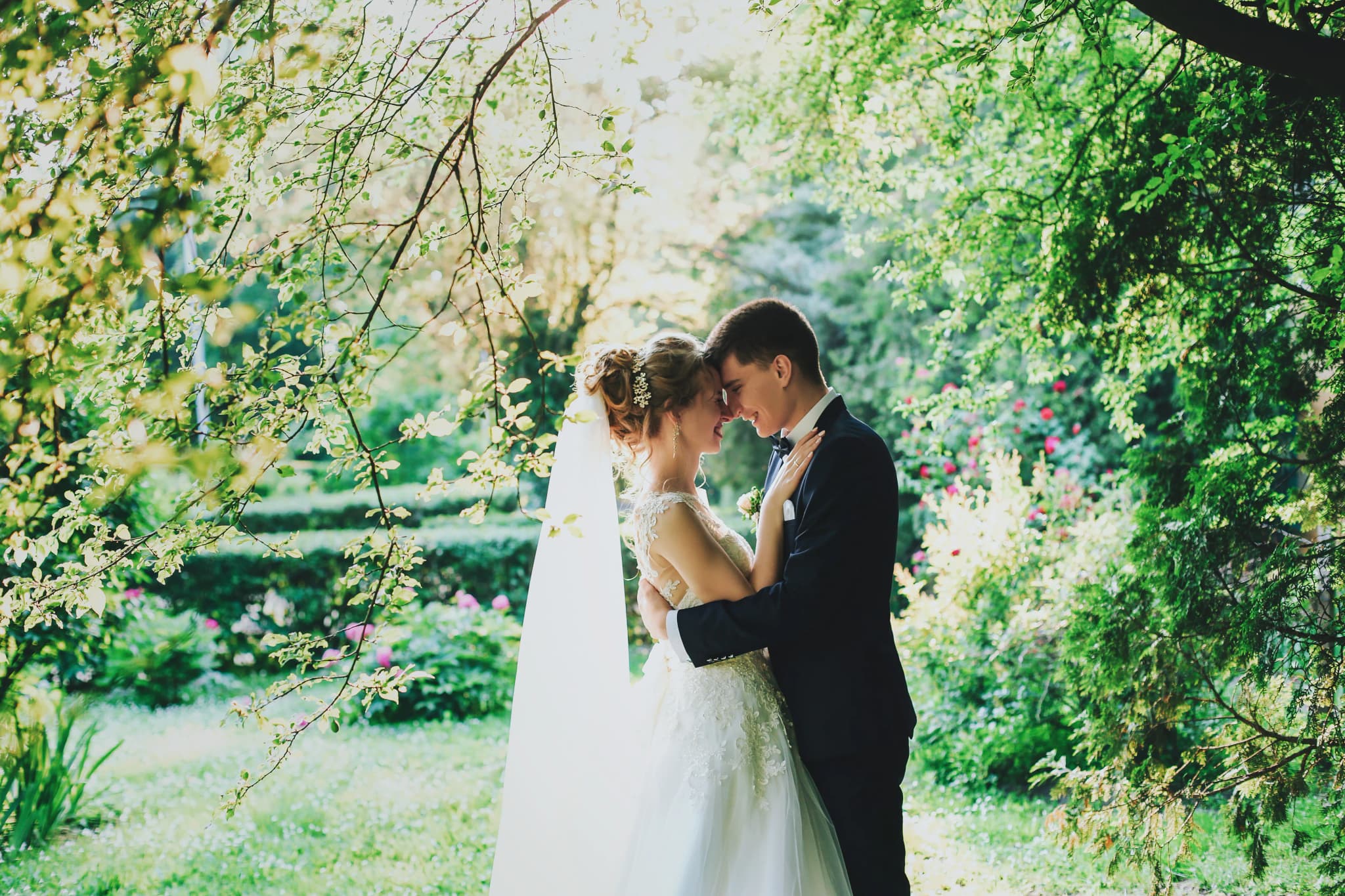
Fine art wedding photography brings the intentionality of studio or gallery photography to a live event. The photographer makes deliberate aesthetic choices — about light, composition, and framing — to produce images designed as individual photographs rather than purely as event records.
- ◆What it prioritises: Intentional composition, quality light, and consistent aesthetic. The photographer actively seeks the best light, repositions subjects to use it, and frames with the final image in mind.
- ◆How it is shot: More direction is used — not rigid posing, but positioning, placement, and light-finding. The photographer makes compositional choices that a pure documentarian would not.
- ◆What the gallery looks like: More consistently beautiful, cohesive aesthetic. Fewer total images but each one designed. The gallery reads as a curated collection rather than a comprehensive record.
- ◆What it can miss: Pure fine art at the expense of documentary can miss authentic candid moments — the unrehearsed emotion, the spontaneous activity. The best fine art photographers also have documentary instincts.
The Reality: Most Photographers Do Both
The documentary/fine art distinction is a description of emphasis, not a binary choice. Most professional wedding photographers blend both approaches: documentary observation during the ceremony, preparation, and reception; fine art intentionality during the portrait session and when working with specific light conditions. The question is which dominates — and whether their balance matches your priorities.
How to Identify the Balance in a Portfolio
- ◆Look at the portrait work: Is it designed and intentional (fine art leaning) or relaxed and loosely documentary in style? Do the portraits look created or captured?
- ◆Look at the candid work: Does the portfolio include genuine unguarded moments — the in-between expressions, the candid laughter? Or does almost everything look posed and deliberate?
- ◆Look at lighting consistency: Fine art portfolios tend to have more consistent light quality across the gallery. Documentary portfolios have more variation because the photographer works in whatever light is available.
- ◆Ask directly: Ask the photographer how they describe their style and listen for which words they reach for. Ask how much direction they provide during portrait time.
My Approach: Fine Art with Documentary Heart
I approach portrait time with fine art intentionality — working with light, designing compositions, creating images that will look beautiful on a wall. During the ceremony, reception, and the rest of the day, I work observationally, staying unobtrusive and capturing what actually happens. The gallery you receive has both.
View My Portfolio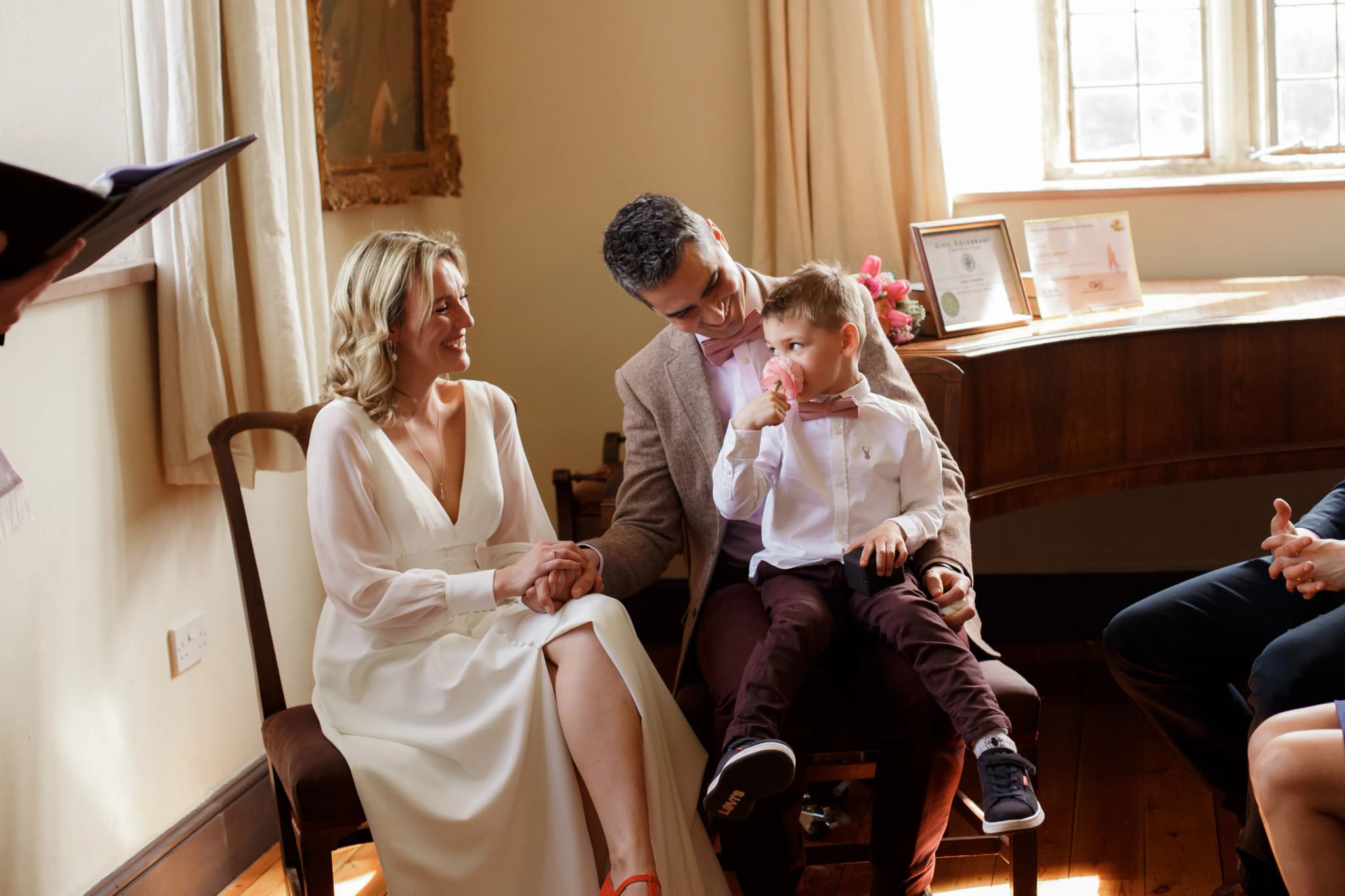
Yana Skakun
Photographer · England
Professional wedding, family and portrait photographer based in England. Passionate about capturing authentic emotions and timeless moments.
About Yana →documentary wedding photographyfine art wedding photographydocumentary vs fine art wedding
Wedding Styles — Professional Photography in Cambridge & England
Yana Skakun is a professional photographer based in Cambridge, covering weddings, families, and portraits across England. Every session is personal — planned around your story, your people, and the moments that matter most. This guide — Documentary vs Fine Art Wedding Photography: What's the Difference? — is part of the photography journal: practical, experience-based advice drawn from real sessions across England. Whether you arrived searching for documentary wedding photography or fine art wedding photography, the same care and attention shapes every session Yana photographs.
Professional Photography sessions are available year-round, with bookings open across Cambridge, Ely, Huntingdon, Peterborough, and further afield — East England, London, the Midlands, and beyond. If you have specific questions about documentary vs fine art wedding, mention it in your enquiry. Get in touch through the contact form above to check availability and discuss your session. Enquiries are welcomed from anywhere in the UK.
Frequently Asked Questions
What camera settings should I use for outdoor portraits?+
For outdoor portraits, shoot in aperture priority mode. Use a wide aperture (f/1.8–f/2.8) to blur the background and isolate your subject. Keep ISO as low as possible in good light. In bright conditions, use a neutral density filter or switch to manual to avoid overexposure at wide apertures.
What is the golden hour in photography?+
Golden hour is the period roughly 30–60 minutes after sunrise and before sunset. The sun is low in the sky, producing warm, soft, directional light that flatters skin tones and creates beautiful long shadows. It's widely considered the best natural light for portrait and outdoor photography.
How do you get sharp photos in low light?+
In low light, increase your ISO (accepting some grain), use the widest aperture your lens allows, and slow your shutter speed to the slowest you can hand-hold without camera shake (roughly 1/focal length as a guide). Use image stabilisation if available, and consider a tripod for static subjects.
What is the rule of thirds in photography?+
The rule of thirds divides the frame into a 3×3 grid. Placing your subject on one of the four intersection points — rather than dead centre — creates a more dynamic, visually interesting composition. It's a guideline, not a rule: some of the most powerful images break it deliberately.
How do you edit photos to look professional?+
Professional editing starts with shooting in RAW format. In Lightroom or similar software, correct exposure, white balance, and contrast first. Recover shadow and highlight detail. Apply gentle colour grading for mood. Be conservative with skin retouching — the goal is natural enhancement, not transformation. Consistency across a set of images is what separates professional from amateur editing.
Get in Touch
Ready to Book Your Session?
Get in touch to discuss your vision — I'll reply within 24 hours.