Yana Skakun
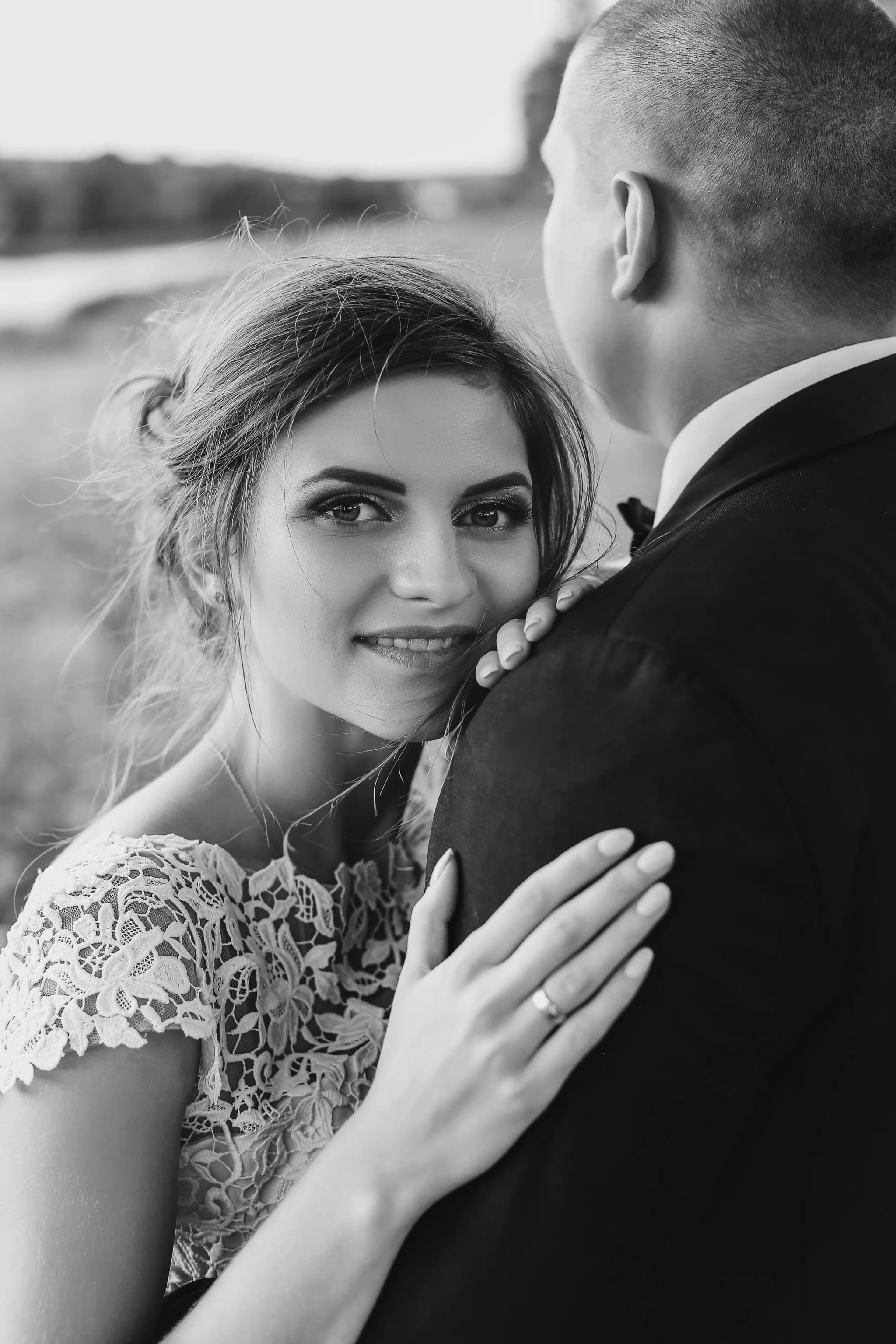
Father's Day Gift Ideas: Father and Child Portraits
By Yana Skakun·1 June 2026·5 min read
The irony of fatherhood is that dads take most of the photographs and appear in almost none of them. A Father's Day portrait session as a gift turns that around entirely — giving fathers a morning or afternoon genuinely in front of the camera, alongside the children they are always photographing for everyone else. As a gift, it sits in an unusual category: it costs nothing to wrap, cannot be misjudged in size or colour, and produces something that only becomes more valuable the longer it sits on the wall or in a drawer.
Why a Voucher Works Better Than an Object
Most Father's Day gifts are consumed, worn out, or forgotten within a year or two — a nice bottle, a new tool, a piece of clothing that eventually wears through. A photography session voucher is different in kind. It is an experience first, spent together rather than opened and set aside, and it produces a physical result afterward that keeps its value rather than losing it. Families who have given a session as a gift more than once tend to say the same thing: it is the only Father's Day present that gets looked at again years later.
There is also a practical advantage that other gifts don't have. A voucher can be booked around whatever date genuinely suits the family, rather than being tied to Father's Day itself, which is often a busy weekend full of other commitments. Giving the voucher on the day and booking the actual session for a quieter weekend a few weeks later, when the light and everyone's diary line up better, tends to produce a far more relaxed experience than trying to force everything into one Sunday.
What Father-and-Child Sessions Look Like
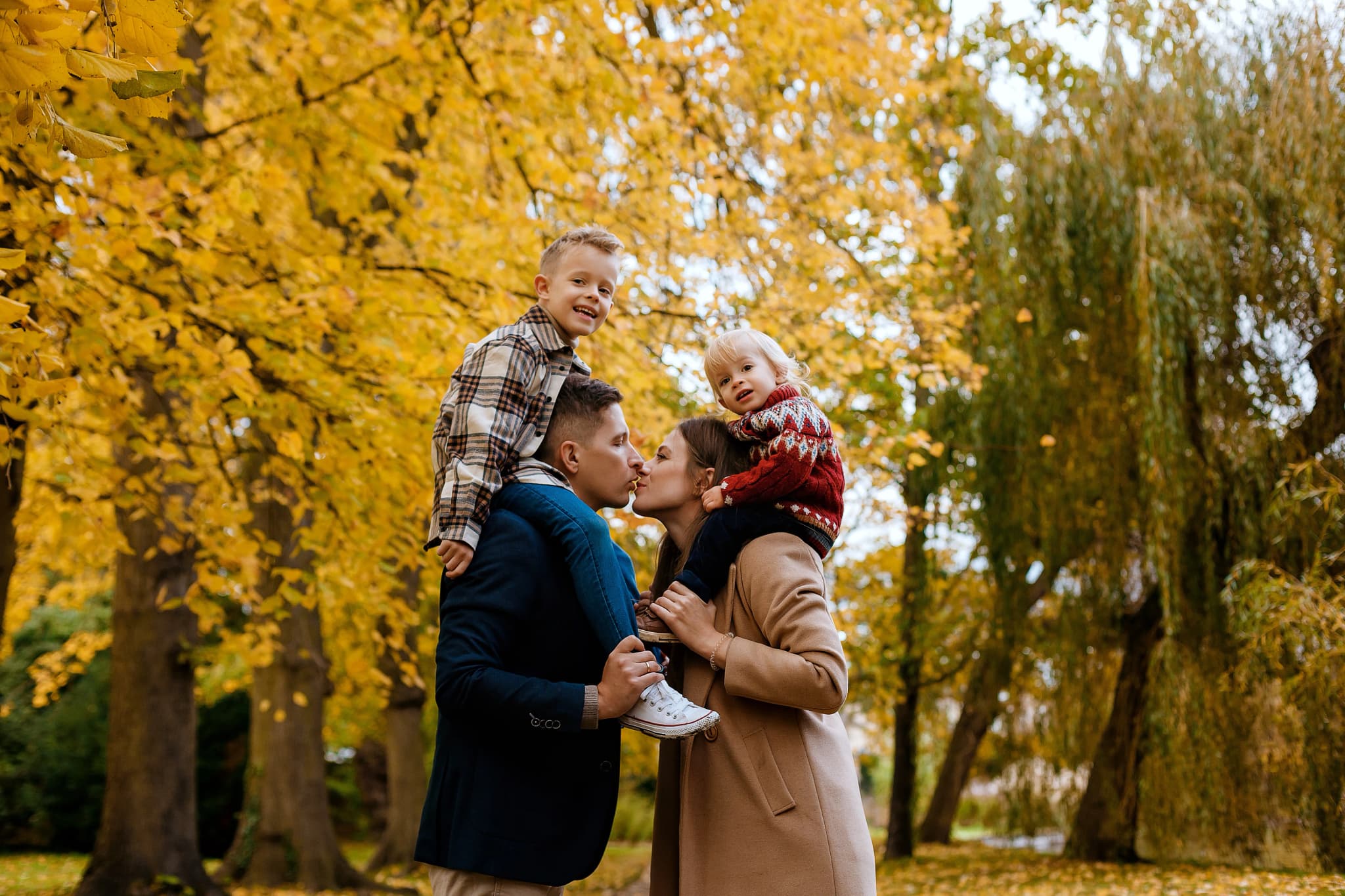
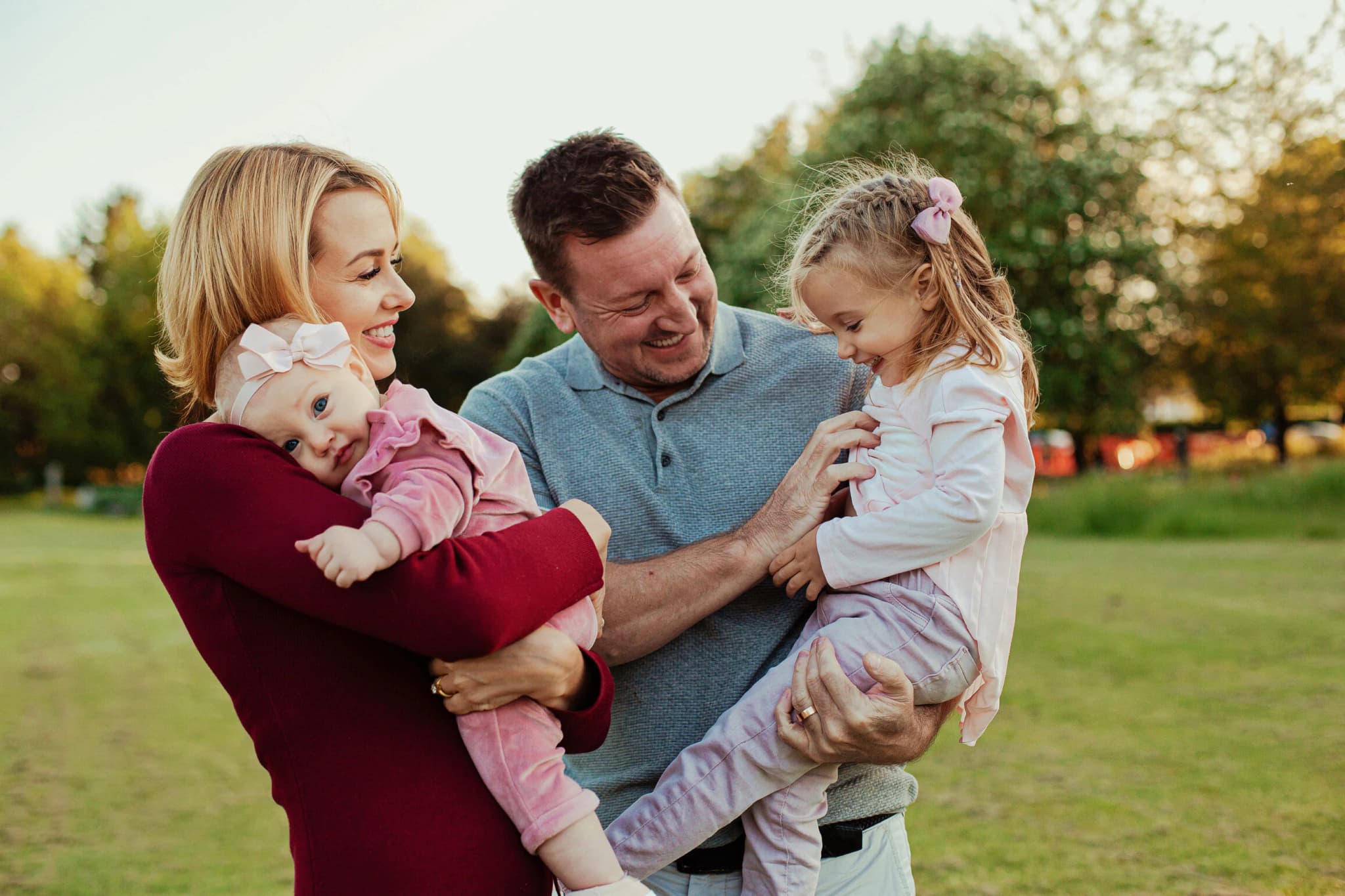
These sessions work best outdoors, in a local park, a stretch of woodland, or somewhere along a river — ideally somewhere the children already know, rather than an unfamiliar or artificial setting that makes everyone a little stiff and self-conscious. Familiarity does more for the quality of the images than any amount of scenic drama, because children and fathers alike relax faster in a place they already associate with normal life together.
The best sessions are activity-led rather than pose-led. If a father and his children play football together most weekends, build things in the shed, or go on regular bike rides, the session follows whatever that shared activity already is. Photographs taken during a genuine, familiar activity are consistently better than posed portraits, because nobody is thinking about the camera — they are thinking about the game, the task, or the ride.
These sessions are flexible on age in a way many people do not expect. They work equally well with babies and toddlers, with school-age children, and with teenagers, and multi-age groups often work particularly well — different generations photographed together with dad or grandad tend to produce some of the warmest images of the whole session. And camera-shy fathers, which is most fathers if I am honest, generally settle into the session within the first ten minutes once they realise nobody is asking them to pose stiffly for a formal portrait.
A note on gift vouchers
Give dad photographs he will actually be in this time. Family and father-and-child portrait sessions can be booked as gift vouchers, with the actual session date arranged separately once you have both had a chance to check diaries and pick a time with good light.
Get in touch about a gift voucherGiving the Gift as a Surprise
A Father's Day voucher can be given by a partner, or by children of any age acting on their own. For younger children, a card with a printed voucher inside and a simple line such as "we're taking you for photos this summer" tends to land well and gives the child something concrete to be excited about in the lead-up. For older children gifting a parent independently, without a partner coordinating on their behalf, a digital voucher sent by email is simpler to arrange and just as meaningful when it arrives.
The best time to actually book the session, rather than simply give the voucher, is often the weeks following Father's Day rather than the day itself. The summer evenings that follow in June and July are genuinely excellent for outdoor sessions — long daylight, warm evening light, and relaxed children once the school term has finished and the usual weekday pressure has eased off.
Making the Gift Feel Personal
A voucher on its own can feel slightly impersonal if it is not framed properly, so I would always encourage whoever is giving it to write a short note explaining why — that they noticed dad is missing from the family photos, or that they wanted a specific record of this particular stage with the children before it passes. That context transforms the gift from a generic voucher into something considered, and it is often the note rather than the session itself that a father remembers most clearly afterward.
Photographs from these sessions also make excellent secondary gifts down the line — a printed image chosen from the gallery can become a birthday or Christmas present in its own right, extending the value of a single session well beyond the original Father's Day occasion. Several families I have worked with return to the same gallery more than once over the following year, picking a different image each time for a different purpose.
It is also worth mentioning the gift to the recipient before the actual session date arrives, rather than presenting it as a complete surprise on the day. Fathers who know a session is coming tend to arrive more relaxed and prepared than those who are told at short notice, and a little advance warning makes for a smoother, more enjoyable experience for everyone involved.
Choosing the Right Session for Your Family
Not every family wants the same kind of session, and it is worth thinking about what will actually feel meaningful to the specific father receiving the gift rather than defaulting to a generic format. Some fathers would love an active, energetic session built around a shared hobby or sport. Others would prefer something quieter and more intimate — a slow walk, a moment at home, time with just one child rather than the whole family at once. Both approaches produce equally strong images; the right choice depends entirely on the person.
If you are unsure what would suit your own family, it is worth having a short conversation before booking rather than guessing. I always ask a few questions about what the father in question actually enjoys doing with his children, what a normal weekend looks like for the family, and whether there is a particular relationship — with one child in particular, or across the whole group — that the gift-giver most wants captured. Those answers shape the whole session far more than any fixed package ever could.
What Happens After the Session
Once the session itself is done, the images are edited and delivered through an online gallery, giving the family time to look through everything properly rather than making decisions on the spot. This matters particularly for a gift session, since it often means a second moment of appreciation weeks after the actual photography, when the finished images arrive and the father sees, for the first time, how he actually looks with his own children rather than behind the lens taking the picture.
It is also worth thinking, before the session even happens, about what you plan to do with the images afterward, since this can shape a few small decisions on the day. A family planning to order a large piece of wall art might want a wider, more open composition with room around the subjects, while a family building a photo book might prioritise a larger number of varied, closer images across the session instead. Mentioning this in advance helps me shoot with that end goal in mind rather than leaving it to chance.
Prints and wall art can be ordered directly from the gallery afterward, and a favourite image from a father-and-child session is, in my experience, one of the most commonly chosen photographs for framing and hanging in a family home. There is something about seeing a father genuinely present in a photograph, rather than absent from it as usual, that makes people want it somewhere they will see it every day.
If you are thinking about giving a father-and-child session as a Father's Day gift this year, get in touch and I can talk you through how the voucher works and help you find a session date that suits everyone.
Yana Skakun
Photographer · England
Professional wedding, family and portrait photographer based in England. Passionate about capturing authentic emotions and timeless moments.
About Yana →fathers day gift photographydad child portrait session giftfather's day photoshoot ukportrait gift for dad cambridge
Photography Tips — Professional Photography in Cambridge & England
Yana Skakun is a professional photographer based in Cambridge, specialising in wedding, family, and portrait photography across England. Every session is personal — planned around your story, your people, and the moments that matter most. This guide — Father's Day Gift Ideas: Father and Child Portraits — is part of the photography journal: practical, experience-based advice drawn from real sessions across England. Whether you arrived searching for fathers day gift photography or dad child portrait session gift, the same care and attention shapes every session Yana photographs.
Professional Photography sessions are available year-round, with bookings open across Cambridge, Ely, Huntingdon, Peterborough, and further afield — East England, London, the Midlands, and beyond. If you have specific questions about father's day photoshoot uk, mention it in your enquiry. Get in touch through the contact form above to check availability and discuss your session. Enquiries are welcomed from anywhere in the UK.
Frequently Asked Questions
What camera settings should I use for outdoor portraits?+
For outdoor portraits, shoot in aperture priority mode. Use a wide aperture (f/1.8–f/2.8) to blur the background and isolate your subject. Keep ISO as low as possible in good light. In bright conditions, use a neutral density filter or switch to manual to avoid overexposure at wide apertures.
What is the golden hour in photography?+
Golden hour is the period roughly 30–60 minutes after sunrise and before sunset. The sun is low in the sky, producing warm, soft, directional light that flatters skin tones and creates beautiful long shadows. It's widely considered the best natural light for portrait and outdoor photography.
How do you get sharp photos in low light?+
In low light, increase your ISO (accepting some grain), use the widest aperture your lens allows, and slow your shutter speed to the slowest you can hand-hold without camera shake (roughly 1/focal length as a guide). Use image stabilisation if available, and consider a tripod for static subjects.
What is the rule of thirds in photography?+
The rule of thirds divides the frame into a 3×3 grid. Placing your subject on one of the four intersection points — rather than dead centre — creates a more dynamic, visually interesting composition. It's a guideline, not a rule: some of the most powerful images break it deliberately.
How do you edit photos to look professional?+
Professional editing starts with shooting in RAW format. In Lightroom or similar software, correct exposure, white balance, and contrast first. Recover shadow and highlight detail. Apply gentle colour grading for mood. Be conservative with skin retouching — the goal is natural enhancement, not transformation. Consistency across a set of images is what separates professional from amateur editing.
Continue Reading
Related Articles

Photography Tips
Photography Gift Vouchers: The Most Personal Present You Can Give
5 min read · Read Article
Photography Tips
Photo Books vs Photo Albums: What Is the Difference and Which Is Better?
5 min read · Read Article
Photography Tips
Photo Gift Ideas: Turning Professional Images into Meaningful Presents
5 min read · Read Article
Get in Touch
Ready to Book Your Session?
Get in touch to discuss your vision — I'll reply within 24 hours.