Yana Skakun
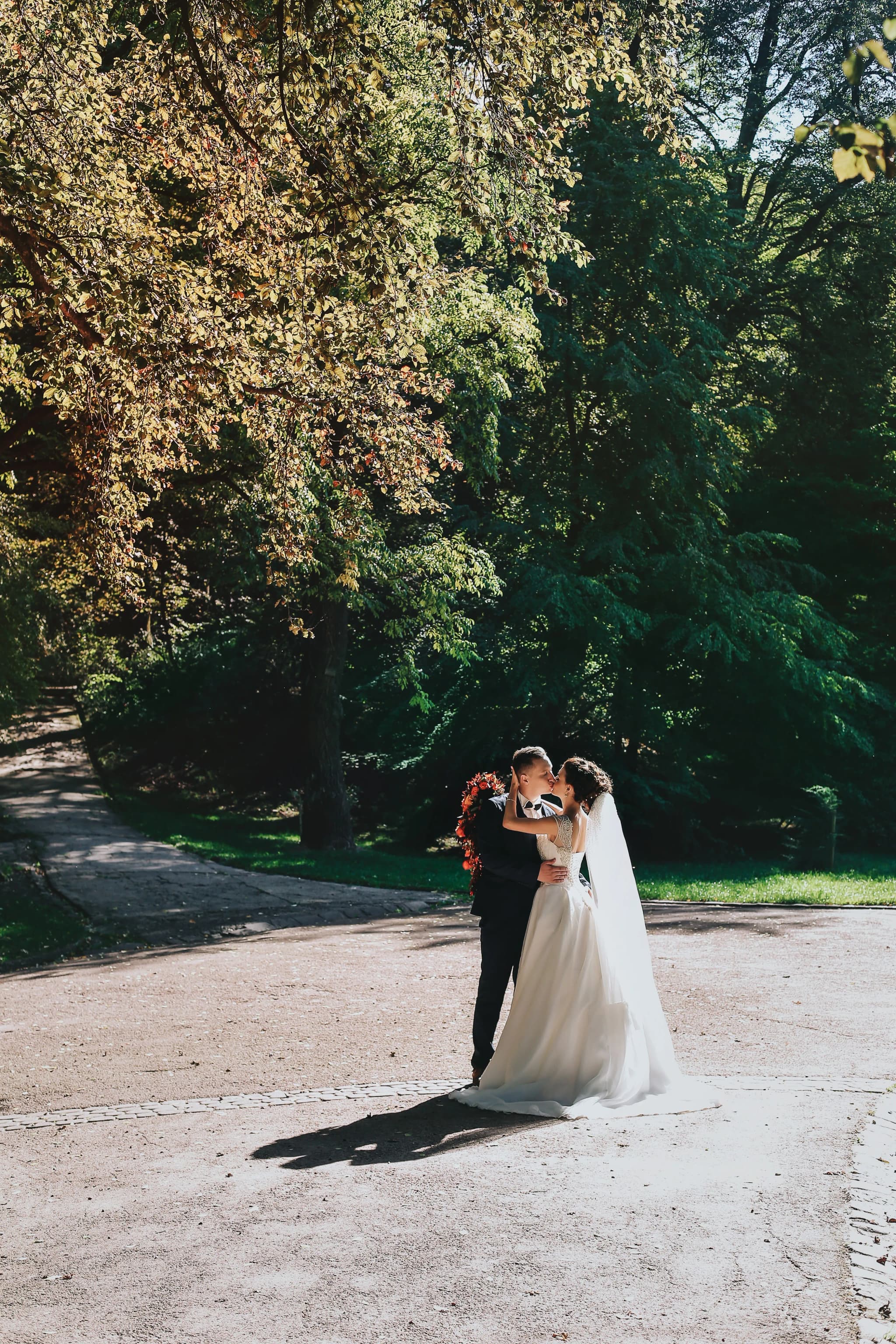
Film vs Digital Wedding Photography: An Honest Comparison
By Yana Skakun·1 June 2026·7 min read
Film wedding photography has experienced a significant resurgence over the past decade. Weddings photographed on medium format film — Contax 645, Mamiya RZ67, Hasselblad — produce a visual quality that digital has historically struggled to fully replicate. But film also comes with real limitations and significantly higher costs. This guide explains the genuine differences, who film photography suits, and what to look for in a film photographer.
The Genuine Differences: Film vs. Digital
- ◆Tonal rendering: Film renders tones — particularly highlights and shadows — in a way that differs from digital. Film highlights 'roll off' gradually into white; digital sensors can clip highlights more abruptly. In practice, this means film portraits in window light have a softness and luminosity in the highlight areas that requires significant technical effort to reproduce digitally.
- ◆Grain vs. noise: Film grain is organic and random — it adds texture to an image without degrading the impression of detail. Digital noise (especially at higher ISO settings) is more mechanical and less aesthetically pleasing. At equivalent 'grainy' appearances, film typically looks more beautiful.
- ◆Colour response: Film stocks respond to colour differently than digital sensors. Kodak Portra 400 — the most widely used film for portraits — renders skin tones with a warmth and softness that is distinctive. Fuji 400H has cooler, more green-shifted tones. Different film stocks have different 'personalities' that are difficult to fully replicate in digital post-processing.
- ◆Medium format resolution and depth of field: A medium format film camera (Contax 645, Mamiya) uses a larger negative than 35mm film or a full-frame digital sensor. The larger negative produces a specific depth of field characteristic — very smooth background separation and a three-dimensional quality in portraits that requires very large digital sensors to approach.
Practical Limitations of Film for Weddings
- ◆Cost: Each roll of medium format film costs £20–£30 for the film stock alone; development and scanning adds another £20–£40 per roll. A wedding might use 15–25 rolls. Film-only wedding photography is significantly more expensive than digital — and this cost is typically passed to the couple.
- ◆Lower ISO performance: Film stocks max out practically around ISO 400–800 as a usable speed. In dark church interiors or dimly lit reception rooms, film is genuinely difficult to expose correctly. Most film photographers supplement with digital for these conditions.
- ◆No instant preview: A digital photographer can check their exposure and histogram immediately. A film photographer is trusting their metering and experience entirely — the results are not confirmed until development, which happens after the wedding.
- ◆Limited frames per roll: A medium format roll of 120 film produces 8–16 exposures depending on format. This requires deliberate, considered shooting — which is actually an advantage aesthetically but limits the volume of coverage compared to digital.
The Hybrid Approach
The most common professional approach is hybrid shooting — medium format film for portraits and key moments where the specific quality of film is most valuable, and digital for ceremony coverage, reception, and low-light situations where film is practically limited. This captures the best of both: film quality where it most matters, digital reliability where completeness matters.
Is Film Wedding Photography Right for You?
Film wedding photography suits couples who value a specific, refined aesthetic over comprehensive coverage — who would rather have 200 extraordinary film portraits than 600 comprehensive digital images. It suits weddings with good natural light (outdoor ceremonies, light-filled venues), daytime schedules, and a budget that allows for the additional film cost. It is less suited to dark venues, full evening events, or couples who want maximum coverage volume.
Film and Digital Wedding Photography
I shoot hybrid — medium format film for portraits and key moments alongside digital for comprehensive day coverage. The combination produces a gallery with both the quality of film and the completeness of digital. Get in touch to discuss whether hybrid shooting is right for your wedding.
Enquire About Film Wedding Photography
Yana Skakun
Photographer · England
Professional wedding, family and portrait photographer based in England. Passionate about capturing authentic emotions and timeless moments.
About Yana →film wedding photography UKfilm vs digital wedding photographyanalogue wedding photographer
Wedding Styles — Professional Photography in Cambridge & England
Yana Skakun is a professional photographer based in Cambridge, covering weddings, families, and portraits across England. Every session is personal — planned around your story, your people, and the moments that matter most. This guide — Film vs Digital Wedding Photography: An Honest Comparison — is part of the photography journal: practical, experience-based advice drawn from real sessions across England. Whether you arrived searching for film wedding photography uk or film vs digital wedding photography, the same care and attention shapes every session Yana photographs.
Professional Photography sessions are available year-round, with bookings open across Cambridge, Ely, Huntingdon, Peterborough, and further afield — East England, London, the Midlands, and beyond. If you have specific questions about analogue wedding photographer, mention it in your enquiry. Get in touch through the contact form above to check availability and discuss your session. Enquiries are welcomed from anywhere in the UK.
Frequently Asked Questions
What camera settings should I use for outdoor portraits?+
For outdoor portraits, shoot in aperture priority mode. Use a wide aperture (f/1.8–f/2.8) to blur the background and isolate your subject. Keep ISO as low as possible in good light. In bright conditions, use a neutral density filter or switch to manual to avoid overexposure at wide apertures.
What is the golden hour in photography?+
Golden hour is the period roughly 30–60 minutes after sunrise and before sunset. The sun is low in the sky, producing warm, soft, directional light that flatters skin tones and creates beautiful long shadows. It's widely considered the best natural light for portrait and outdoor photography.
How do you get sharp photos in low light?+
In low light, increase your ISO (accepting some grain), use the widest aperture your lens allows, and slow your shutter speed to the slowest you can hand-hold without camera shake (roughly 1/focal length as a guide). Use image stabilisation if available, and consider a tripod for static subjects.
What is the rule of thirds in photography?+
The rule of thirds divides the frame into a 3×3 grid. Placing your subject on one of the four intersection points — rather than dead centre — creates a more dynamic, visually interesting composition. It's a guideline, not a rule: some of the most powerful images break it deliberately.
How do you edit photos to look professional?+
Professional editing starts with shooting in RAW format. In Lightroom or similar software, correct exposure, white balance, and contrast first. Recover shadow and highlight detail. Apply gentle colour grading for mood. Be conservative with skin retouching — the goal is natural enhancement, not transformation. Consistency across a set of images is what separates professional from amateur editing.
Get in Touch
Ready to Book Your Session?
Get in touch to discuss your vision — I'll reply within 24 hours.