Yana Skakun

First Look With Your Bridesmaids: How to Set It Up Perfectly
By Yana Skakun·10 July 2026·8 min read
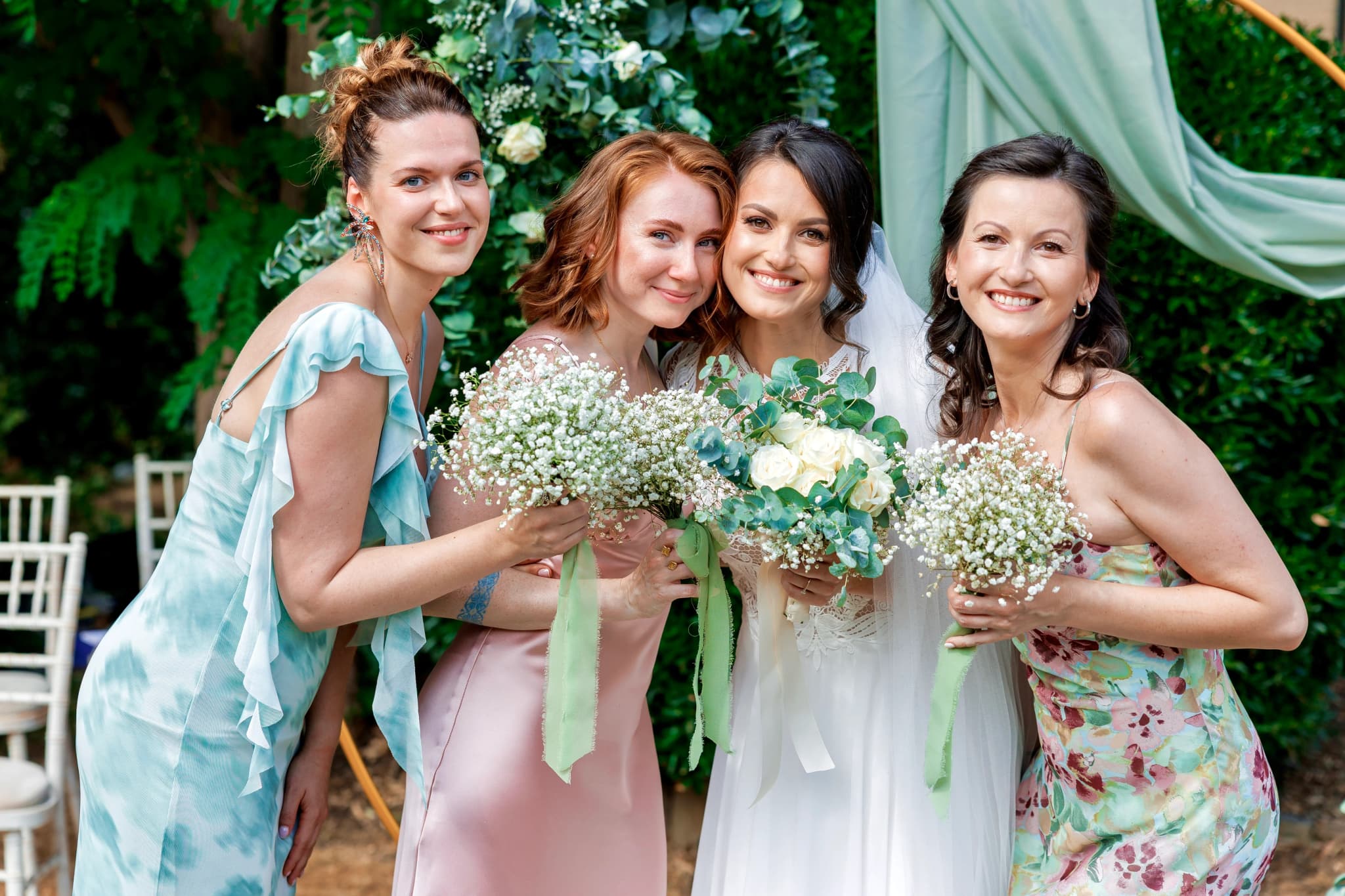
The traditional first look is between the couple, but a growing number of brides want a second, separate moment: the first time their bridesmaids see them in the dress. It is a different kind of reaction to a partner's first look — louder, often tearier, full of hands over mouths and a chorus of gasps — and when it is set up properly it produces some of the most genuine, joyful images of the entire wedding day. Done badly, it becomes a rushed hallway moment with bad light and half the group looking at their phones. The difference almost always comes down to planning, not luck.
I have photographed this moment at weddings across Cambridgeshire and beyond, in hotel suites, converted barns, and marquees in the middle of a field, and the setups that work well share a handful of common ingredients. This guide covers how to plan a first look with your bridesmaids so it happens in good light, with enough space, and with everyone's attention exactly where it needs to be when you turn around.
Why a Bridesmaid First Look Is Worth Building Into the Timeline
Brides sometimes assume this is an optional extra, something only done if there is spare time in the morning. In practice it is one of the more efficient additions you can make to a wedding day timeline, because it solves two problems at once. It gives you a genuinely emotional, unposed moment early in the day, before nerves and logistics take over, and it gets your bridesmaids' reactions to the dress out of the way before the ceremony, which means their focus during the aisle walk is on you rather than on seeing the dress properly for the first time.
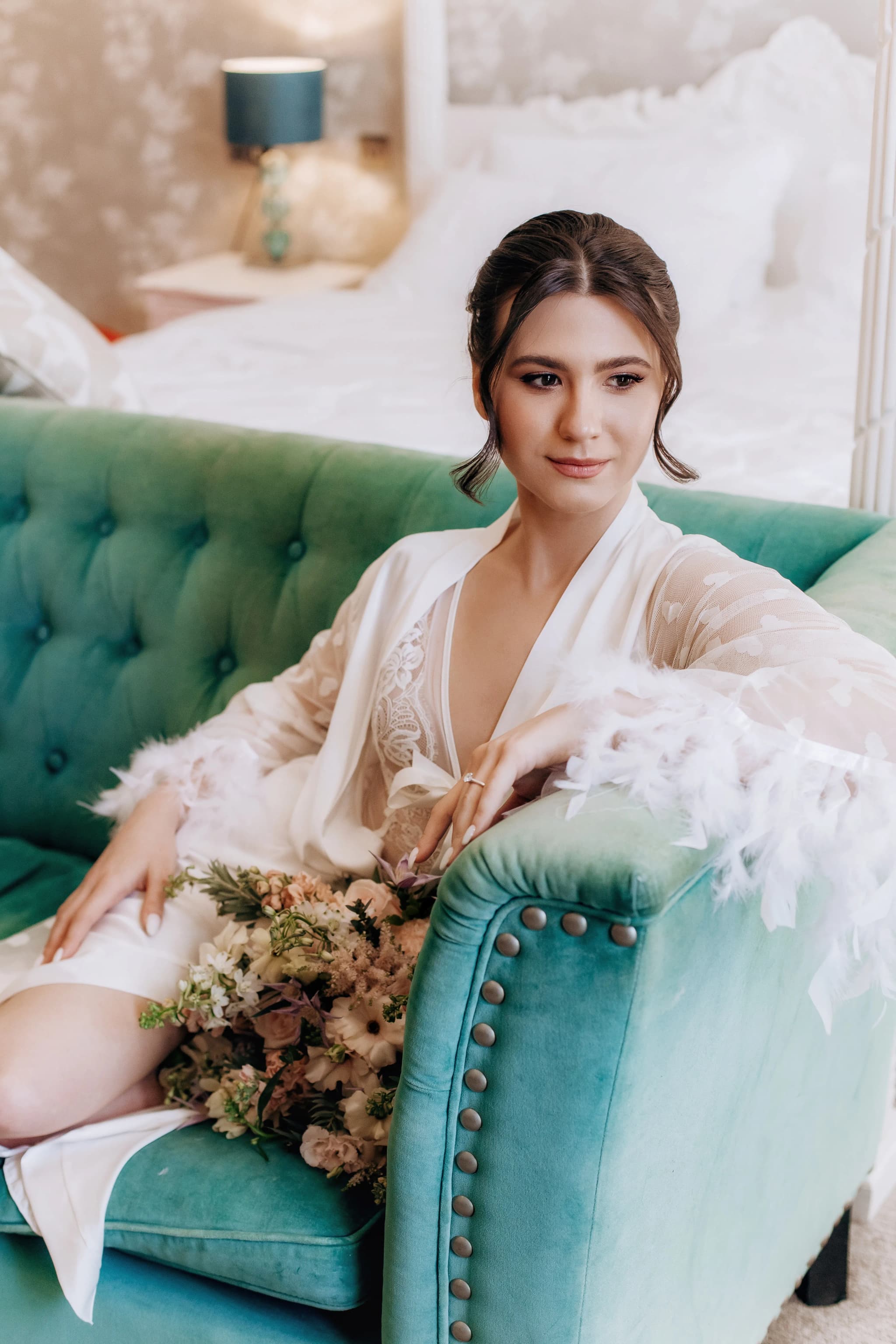
There is also a simple practical benefit. Morning light in a bedroom or getting-ready suite is usually softer and more flattering than the light you will have later in the day, particularly if your ceremony is at midday under a bright summer sky. A first look scheduled for late morning, an hour or so after hair and make-up finishes, often falls in exactly the window where the light through a window is at its best.
Choosing the Right Space
Space is the single most common thing that goes wrong with this moment. A first look with four or five bridesmaids needs more room than people expect, both for the reveal itself and for me to photograph it properly. A narrow hotel corridor or a cramped hallway between two bedrooms will work for a quick photo but rarely produces the wide, breathing shot that lets the whole reaction play out.
I look for a room with reasonable depth — ideally somewhere the bridesmaids can be gathered at one end with their backs turned, and you can walk in from a door or doorway at the other, giving five or six metres between the two groups. A staircase landing works well for this if the house or venue has one, because it adds height and a natural vantage point for a wide shot looking down. Outdoor spaces work too, provided there is some privacy from other guests or passing traffic, and provided the ground is manageable in a wedding dress.
If you are getting ready at a venue you are also marrying at, walk the space with your wedding coordinator or venue host in advance and identify two or three possible spots. Light-filled sitting rooms, orangeries, and entrance halls with tall windows are consistently the best options I have used. Avoid rooms with low, yellow artificial lighting as the only source — it photographs poorly and flattens the moment.
Getting the Timing Right on the Day
The bridesmaid first look should happen after you are fully dressed, with hair, make-up, and any final accessories in place, but before the wider bridal party photos begin in earnest. I usually schedule it fifteen to twenty minutes after the bride is finished, which gives a small buffer for anything running late without the whole moment feeling rushed.
It is worth being honest with your bridesmaids in advance that this moment is happening, even if they do not know exactly when. Some brides prefer total surprise, calling bridesmaids into a room without warning; others tell their bridesmaids the plan the night before so everyone knows to have tissues ready and to leave phones in another room. Both approaches work, but the second one consistently produces calmer, more present reactions, because nobody is scrambling to find their phone to film it on their own camera at the exact moment they should be looking at you.
Build in a genuine five to ten minutes for this in the morning schedule, separate from getting-ready photos and separate from the couple's first look if you are having one. Trying to squeeze it into a two-minute gap between hair and transport almost always means it gets cut when the day inevitably runs a few minutes behind.
Planning your morning timeline
Every wedding day timeline is different, and a bridesmaid first look needs its own properly considered slot rather than being an afterthought squeezed between other moments. If you are working out your morning schedule and want help fitting this in around hair, make-up, and travel, I am always happy to talk through it before the day itself.
Get in touchHow I Photograph the Moment Itself
I typically position the bridesmaids facing away from the door or entry point, sometimes seated, sometimes standing in a loose cluster rather than a stiff line. A loose group produces a far more natural set of reactions than five people stood shoulder to shoulder like a photograph is already being taken — and it also means I can move around the edges of the group without anyone needing to hold a pose.
I photograph from two positions during the reveal itself. One is wide, capturing the whole room, both groups, and the physical distance closing between you as you walk in — this is usually the shot that ends up being printed largest, because it tells the whole story in one frame. The second is closer in on faces, catching the specific moment of recognition: the hand over the mouth, the tears, the laugh. I move between these two positions in the seconds after the reveal rather than trying to shoot everything from one spot, because the two together give you a complete record of the moment rather than a single flat image of it.
After the initial reaction, I let the group have a minute or two of hugging and talking without directing anything. Some of the best images from this part of the day come from that unscripted minute — nobody is aware they are being photographed anymore, and the emotion is entirely real. Only after that do I ask for a few structured group shots: everyone together, pairs, you with each bridesmaid individually, making good use of the light and setting you have already established.
Practical Details That Make a Difference
A few small logistical details consistently improve this moment. First, make sure someone — a mother, sister, or the venue coordinator — is briefed to keep bridesmaids in the room and off their phones in the minutes before you arrive, so the surprise or the anticipation is not diluted by them scrolling Instagram. Second, have tissues in the room but out of shot; happy tears are wonderful in photographs, running mascara less so, and a quick dab before the group photos makes a real difference to the final gallery.
Third, think about footwear and dress length if you are walking any distance to reach the space, particularly outdoors or across gravel. Fourth, if any bridesmaids are getting ready in a separate room or a different part of the venue, build in extra time for everyone to actually be gathered and ready before you make your entrance — a first look with two of your five bridesmaids still doing their hair loses most of its impact.
Finally, tell your florist or whoever is handling the flowers when this moment is scheduled if you want your bouquet in the shot. A first look holding your finished bouquet reads very differently to one without it, and it is a detail worth confirming the night before rather than realising halfway through the moment that the flowers are still in a cold store somewhere on site.
What to Do If You Have a Large Bridal Party
Larger bridal parties change the logistics slightly but the principle stays the same. With six or more bridesmaids, I generally recommend a slightly bigger room than you think you need, and a little more time — not because the reveal itself takes longer, but because the group photographs afterwards do, and rushing those means missing combinations of people you will want later. If flower girls or younger family members are involved, keep them separate from this moment or bring them in afterwards; young children rarely hold a pose or a surprise reaction as intended, and it is usually simpler to photograph them with you separately once the main reveal has happened.
If some bridesmaids are travelling in on the morning itself and arriving close to the ceremony time, it is worth being realistic about whether a full group first look is achievable, or whether a smaller version with whoever is present and ready makes more sense. A first look with three of your five bridesmaids, done calmly and with good light, will always produce better photographs than one with all five rushed in at the last minute.
Fitting It Into the Rest of Your Wedding Photography
The bridesmaid first look sits within a wider morning of getting-ready coverage, and it works best when it is planned alongside everything else happening before the ceremony rather than as an isolated add-on. When I talk to couples about their day, whether it is a full traditional celebration or a smaller, more intimate elopement-style wedding, this is exactly the kind of detail we go through together in advance, so nothing gets left to chance on the morning itself.
If you are still putting your wedding photography plans together and want to see how a morning like this fits into full-day coverage, my weddings page has more detail on how I approach the day from getting ready through to the last dance, and my pricing page sets out what is included in each collection. These moments are also exactly the kind of images that end up as favourites in a printed wedding album — the wide reveal shot and the close-up reaction sitting side by side on a spread, which is one more reason it is worth giving the moment proper space and thought rather than treating it as an afterthought.
A bridesmaid first look, set up with a little care over space, light, and timing, is one of the most rewarding additions to a wedding morning — genuine emotion, captured before the day gets busy, that you will keep coming back to long after the wedding itself. If you are planning your day and want to talk through how this moment, or any part of your morning timeline, could work for your wedding, I would love to hear from you — you can read more about my approach on the wedding photographer page, or simply get in touch directly. I am Yana Skakun, and I would be delighted to help you plan a morning that gives these moments the space they deserve.
Yana Skakun
Photographer · England
Professional wedding, family and portrait photographer based in England. Passionate about capturing authentic emotions and timeless moments.
About Yana →first look with bridesmaidsbridesmaid first look ideaswedding morning timelinewedding photography tips UKgetting ready photoswedding day planning
Wedding Tips — Wedding Photography in Cambridge & England
Yana Skakun is a professional wedding photographer based in Cambridge, covering weddings across England — from intimate elopements to full-day ceremonies at country houses, barns, and city venues. Every couple receives a relaxed, documentary approach that captures the day as it truly unfolds. This guide — First Look With Your Bridesmaids: How to Set It Up Perfectly — is part of the photography journal: practical, experience-based advice drawn from real sessions across England. Whether you arrived searching for first look with bridesmaids or bridesmaid first look ideas, the same care and attention shapes every session Yana photographs.
Wedding Photography sessions are available year-round, with bookings open across Cambridge, Ely, Huntingdon, Peterborough, and further afield — East England, London, the Midlands, and beyond. If you have specific questions about wedding morning timeline, mention it in your enquiry. Get in touch through the contact form above to check availability and discuss your session. Enquiries are welcomed from anywhere in the UK.
Frequently Asked Questions
How much does a wedding photographer cost in England?+
Wedding photography in England typically ranges from £1,500 to £4,000+ for a full day. Price depends on experience, coverage hours, and whether albums or engagement shoots are included. Most photographers charge between £2,000–£3,000 for 8–10 hours of coverage.
How early should you book a wedding photographer?+
For peak season (May–September), book 12–18 months in advance. For autumn and winter weddings, 9–12 months is usually sufficient. Popular photographers at popular venues fill up fast — as soon as you have a date and venue confirmed, start reaching out.
How many photos do you get from a wedding photographer?+
Most professional wedding photographers deliver 400–800 edited images for a full-day wedding. The exact number depends on coverage hours, how many guests there are, and the photographer's editing style. Quality matters more than quantity — a curated gallery of 500 images tells the story better than 1,500 unedited files.
Do you need a second photographer at your wedding?+
A second photographer is helpful if you want simultaneous coverage of getting-ready moments in different locations, multiple angles during the ceremony, or more candid coverage during the reception. It adds cost but significantly increases the variety and completeness of your gallery.
What is the difference between documentary and editorial wedding photography?+
Documentary (reportage) wedding photography captures moments as they happen — the photographer observes and doesn't intervene. Editorial photography involves deliberate direction: placing you in good light, shaping compositions, creating intentional portraits. Most photographers blend both styles throughout the day.
Continue Reading
Related Articles

Wedding Tips
Sustainable Eco-Friendly Wedding Guide — Planning a Green Celebration
15 min read · Read Article
Wedding Tips
Trash the Dress Session — Complete Planning and Photography Guide
14 min read · Read Article
Wedding Tips
Client Communication for Photographers — From Enquiry to Gallery Delivery
15 min read · Read Article
Get in Touch
Ready to Book Your Session?
Get in touch to discuss your vision — I'll reply within 24 hours.