Yana Skakun

Fitness Photography: How to Showcase Your Strength and Progress
By Yana Skakun·10 July 2026·7 min read
Fitness photography sits in an interesting middle ground between portrait work and sports photography, and most people who book a session with me have never quite had one before. They have progress photos on their phone taken in a gym mirror, and they have the polished, slightly generic images you see on supplement packaging, and neither of those really reflects what they have actually built. A proper fitness photography session closes that gap. It is not about looking like a magazine cover; it is about a set of images that genuinely represent the strength, discipline, and physical change a person has worked hard for, shot with the same care and technical attention as any other portrait session.
Why Fitness Photography Matters More Than People Expect
Most of the people who come to me for fitness photography have spent months, sometimes years, working towards a specific physical goal — a first pull-up, a competition prep, a significant body recomposition, recovery from an injury, or simply the version of themselves they feel proudest of after a sustained period of consistent training. That effort deserves better documentation than a bathroom mirror selfie. A well-shot fitness session gives you a genuine record of where you are, not as a vanity exercise but as a marker: something you can look back on in five years and recognise exactly what that period of your life took to build.
There is also a practical, professional dimension to this. Personal trainers, strength coaches, physiotherapists, and fitness instructors increasingly need imagery that does more than fill a website gallery. It needs to build trust with potential clients, show real training in real environments, and read as credible rather than stock. This overlaps closely with the kind of work I cover under personal branding photography, and quite a few of my fitness sessions are commissioned by trainers who want images that show them coaching, demonstrating technique, and working with real bodies rather than posed against a plain backdrop.
What to Expect During a Session
A fitness session typically runs between sixty and ninety minutes, which is longer than a standard portrait sitting because there is more ground to cover. We usually start with a warm-up set of images — simple standing shots, some movement, getting comfortable in front of the camera — before moving into the more demanding content: lifts, holds, dynamic movement, or specific exercises that show your discipline in action. I build in genuine rest between sets, both because it produces better images (nobody looks their best mid-gasp on their fourth consecutive take) and because it is simply more humane. This is meant to feel like a session with a photographer, not an audition.
Lighting matters enormously in fitness photography because it is what defines muscle and shape. In a studio or controlled indoor space, I use directional light with real contrast — softer and more flattering than the flat fluorescent strip lighting most gyms are fitted with, but still hard enough to carve out definition rather than washing it flat. Outdoors, early morning or late afternoon light does the same job naturally, which is one reason a lot of my fitness sessions are scheduled around golden hour rather than the middle of the day.
Depending on your goals, we might shoot in a gym, an outdoor training space, a studio, or a mix of all three within the same session. Each setting produces a genuinely different feel: a gym gives you authenticity and equipment context, a studio gives you clean control over light and background for portrait-style strength shots, and outdoor locations give you movement, running, or bodyweight work with natural texture behind you.
Thinking about a fitness session?
Whether you are marking a personal milestone, documenting a transformation, or building a portfolio as a trainer or coach, I would rather talk through what you actually want the images to do before we book anything. Get in touch and we can plan a session that fits your goals, your training schedule, and your budget.
Get in touchHow to Prepare in the Weeks Before
The single most useful thing you can do before a fitness session is train exactly as you normally would in the week or two beforehand. Do not attempt a crash diet, a sudden cut, or a dramatically different training block in the days immediately before — sudden depletion tends to leave people looking drained and flat rather than sharp, and the fatigue shows in the face even when it is not visible anywhere else. Consistency over the preceding weeks produces far better results on the day than any last-minute change.
Sleep and hydration in the forty-eight hours before matter more than most people expect. Good sleep reduces puffiness around the eyes and improves general skin tone; proper hydration (not excessive, just consistent) supports muscle fullness and skin quality. A lot of the visible difference between an average fitness photo and a genuinely sharp one comes down to these unglamorous basics rather than anything dramatic.
On the practical side: bring two or three outfit options so we have flexibility on the day, know roughly which lifts or movements you want documented and warm up properly for them before we shoot (both for the image and for injury prevention), and let me know in advance about any specific angles, past injuries, or self-consciousness you want me to be mindful of. I would always rather know that in advance than guess during the session.
Choosing the Right Location and Setting
Location should follow the story you are trying to tell. If the goal is to document a specific strength milestone — a heavy squat, a deadlift PB, a first muscle-up — then your own gym, with your own equipment and the coach or training partner who has been part of that journey, is usually the right call. It is authentic, it is where the work actually happened, and the familiarity tends to produce more relaxed, natural expressions than an unfamiliar studio.
If the goal is closer to a portrait — showing physique, definition, and presence rather than a specific lift — a studio setting with controlled lighting and a plain background gives the strongest, most versatile results. These images tend to work best for personal milestone documentation, for competition prep photos, or for trainers who want clean, professional imagery for marketing.
Outdoor sessions suit anyone whose training is naturally outdoors — runners, outdoor bootcamp instructors, calisthenics athletes working on park equipment, or anyone who simply wants imagery with more natural texture and movement than a gym interior offers. Cambridge and the surrounding countryside give a lot of options here, from open parkland with good morning light to more urban, textured backdrops if that suits the brand or the person better.
Getting Genuine Results, Not Generic Ones
The trap with fitness photography is that it is very easy to end up with images that look like every other fitness image on the internet — the same flexed pose, the same angle, the same slightly artificial energy. I try to work against that by spending real time understanding what the session is actually for before we shoot anything. A trainer building a website needs images that show approachability and coaching competence as much as physique. Someone documenting a personal transformation needs images that feel honest rather than performative. A competitor prepping for a show needs precision and consistency they can compare against future shoots.
Candid, working shots are often stronger than posed ones in this genre specifically because fitness is inherently about motion and effort, and a genuinely mid-effort expression reads as more credible than a composed smile. I shoot continuously through sets rather than asking for held poses wherever possible, which gives a much wider range of genuine expressions and moments to choose from in the edit. The best fitness images usually come from the frames a subject was not consciously performing for the camera.
Editing for fitness photography should enhance rather than fabricate. I do standard retouching — skin evenness, minor blemishes, colour and contrast — but I do not reshape bodies or manufacture muscle definition that is not there. The point of the whole exercise is an honest record of real, earned physical work, and that only holds up if the editing respects it.
Common Questions About Fitness Sessions
Do I need to be at my leanest or most defined to book a session? No. The best fitness photography documents where you genuinely are, not an idealised end state you have not reached yet. Some of the most compelling sessions I have shot were early in someone's training journey, capturing the discipline and effort rather than a finished physique.
Can I bring a training partner or coach? Absolutely, and it often produces better images. A spotter, a coach giving cues, or a training partner sharing the effort adds genuine context and energy that a solo session in an empty gym can lack.
How is this different from a standard portrait session? The core photographic principles are the same — light, composition, genuine expression — but fitness sessions involve more physical movement, more frames per set, and a lighting approach specifically chosen to show muscle definition. If you are unsure which type of session suits what you need, my page on the difference between portrait and branding photography is a useful starting point, or you can simply get in touch and we will talk it through.
What should I do with the final images? That depends entirely on your goals. Personal transformation photos often stay private, used as a personal record. Trainer and coach imagery typically goes onto a website, social channels, or printed marketing material. Competition prep shots are sometimes used for sponsor submissions or portfolio building. I deliver full-resolution files so you have complete flexibility with how the images get used afterwards.
Fitness photography, done properly, is one of the more rewarding genres to shoot precisely because it documents something people worked hard for and are genuinely proud of. If you are training towards a goal, coaching others, or simply want a set of images that actually reflects the effort behind your physical progress, I would be glad to talk it through. Yana Skakun Photography is based in Cambridge and available for sessions across the UK — get in touch to discuss dates, locations, and what you want the images to achieve.
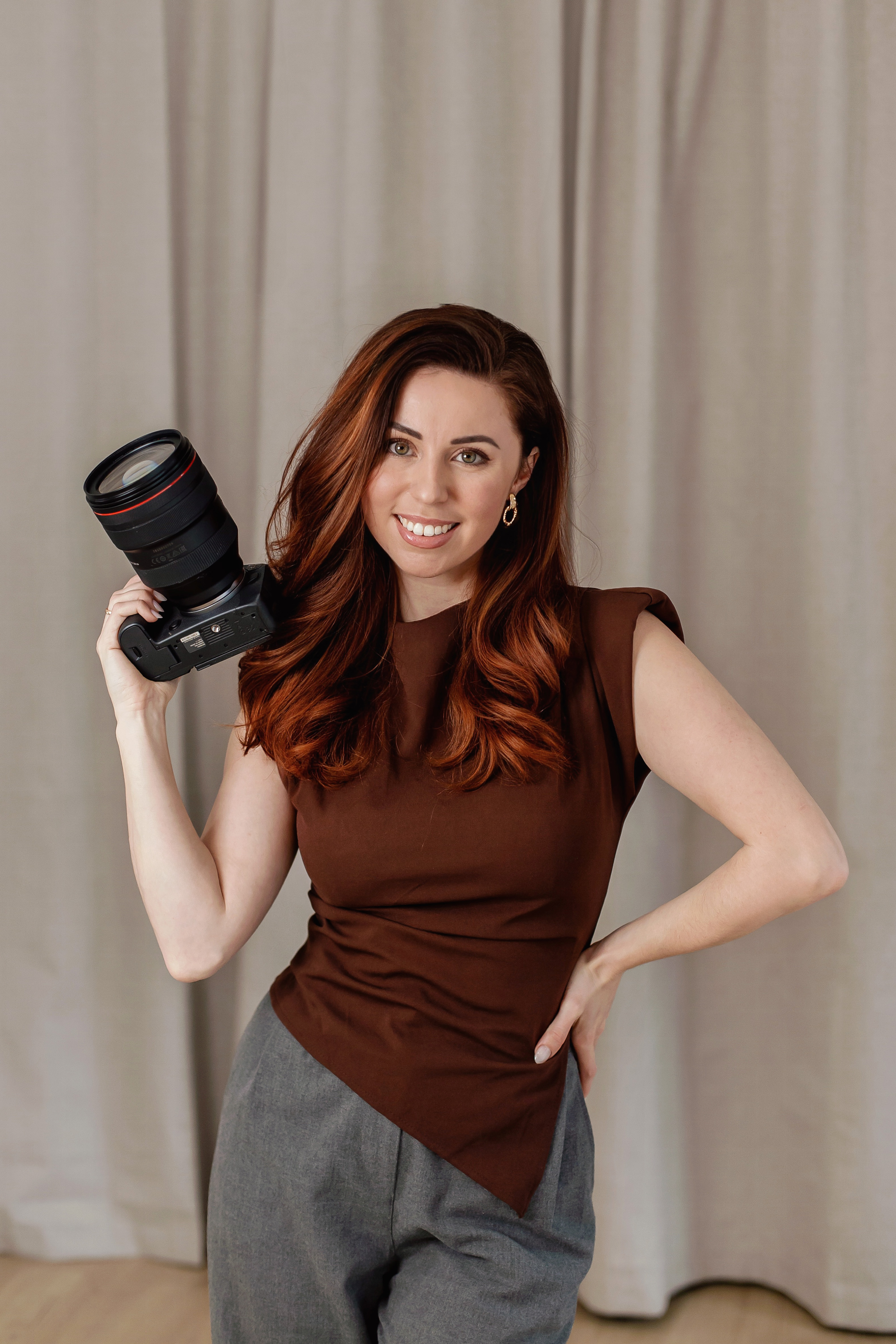
Yana Skakun
Photographer · England
Professional wedding, family and portrait photographer based in England. Passionate about capturing authentic emotions and timeless moments.
About Yana →fitness photography tipsfitness photography sessionstrength photographytrainer branding photostransformation photography UKgym photoshoot
Portrait Tips — Portrait Photography in Cambridge & England
Portrait sessions with Yana Skakun are unhurried and personal — designed to produce images that feel genuinely like you, not a performance. Sessions are available in Cambridge, across East England, and at locations throughout the UK. This guide — Fitness Photography: How to Showcase Your Strength and Progress — is part of the photography journal: practical, experience-based advice drawn from real sessions across England. Whether you arrived searching for fitness photography tips or fitness photography session, the same care and attention shapes every session Yana photographs.
Portrait Photography sessions are available year-round, with bookings open across Cambridge, Ely, Huntingdon, Peterborough, and further afield — East England, London, the Midlands, and beyond. If you have specific questions about strength photography, mention it in your enquiry. Get in touch through the contact form above to check availability and discuss your session. Enquiries are welcomed from anywhere in the UK.
Frequently Asked Questions
How do I look natural in portrait photos?+
The key is to keep moving — walking, talking, laughing. Still poses often look stiff. A good portrait photographer will direct you gently rather than just pointing and shooting. Take a breath, drop your shoulders, and try to focus on something that makes you happy rather than worrying about how you look.
What should I wear for a portrait session?+
Wear something you feel good in — not something borrowed or brand new that you haven't worn before. Solid colours photograph better than busy patterns. Bring a second outfit for variety. Think about the location: flowing fabrics work beautifully outdoors; tailored looks suit urban settings.
How long does a portrait session take?+
Standard portrait sessions last 60–75 minutes. This allows enough time to warm up, try different locations and poses, and explore a couple of looks without rushing. If you're very camera-shy, a longer session helps — the more relaxed you become, the better the final images.
What locations are best for outdoor portrait photography?+
Gardens, parks, riverside paths, woodland, and areas with interesting architecture all make great portrait backgrounds. The most important factor is light — a location with open shade or soft directional light will always photograph better than a technically beautiful spot in harsh midday sun.
What is the difference between a portrait session and a headshot session?+
Portrait sessions focus on you as a whole person — full-body, three-quarter, and close-up images in a relaxed, often outdoor setting. Headshot sessions focus specifically on professional or actor headshots: face and upper body, often in a controlled setting with consistent, professional lighting.
Continue Reading
Related Articles

Portrait Tips
Glasses and Glare in Photography: How to Get Great Results
6 min read · Read Article
Portrait Tips
Fake Tan Before a Photoshoot: Timing, Application, and What Can Go Wrong
6 min read · Read Article
Portrait Tips
Hair and Makeup for a Photoshoot: What Photographs Well
7 min read · Read Article
Get in Touch
Ready to Book Your Session?
Get in touch to discuss your vision — I'll reply within 24 hours.