Yana Skakun

Home Portrait Sessions for Elderly or Less Mobile Clients: What to Expect
By Yana Skakun·10 July 2026·8 min read
Not every meaningful portrait session happens in a studio, a park, or a college backdrop in the centre of Cambridge. Some of the most quietly important sessions I photograph take place in a living room with the good chair by the window, in a kitchen where three generations have had breakfast together for decades, or in a garden that someone has tended for forty years and knows better than any professional location. Home portrait sessions for elderly or less mobile clients exist because a beautiful photograph should never depend on someone's ability to travel, stand for long periods, or navigate an unfamiliar location. If a parent, grandparent, or older relative would love to be photographed but getting to a studio feels like an obstacle, bringing the camera to them is not a compromise. It is often the better option.
Why Home Sessions Matter for This Kind of Portrait
There is a particular kind of urgency around photographing older relatives that people often feel but rarely say out loud. Someone notices their mother has aged since the last family gathering, or that their grandfather's hands look different now, more worn, more storied, and there is a quiet realisation that nobody has taken a proper photograph of him in years. Everyday phone snaps exist, but not a portrait — not something composed with care, printed, framed, and kept.
For clients who are less mobile, whether due to age, illness, injury, or disability, the barrier to that portrait is often logistical rather than emotional. A studio session sounds appealing until you consider the practicalities: getting into a car, sitting upright for an hour, standing for changes of outfit or backdrop, navigating somewhere unfamiliar with a walking frame or wheelchair, managing fatigue or pain that flares up with exertion. None of that is really about wanting or not wanting a photograph. It is about what is physically manageable on a given day.
A home session removes almost all of that friction. The person being photographed is in the space where they are most themselves, most comfortable, and most able to simply exist rather than perform. That comfort shows on camera in ways that are difficult to fake in a studio, no matter how skilled the direction. I have photographed a surprising number of people who told me afterwards that they had always assumed they "weren't really photogenic," only to see images from their own armchair or garden that they genuinely loved. Often the difference was not the photographer's skill at all — it was simply that they were not fighting an unfamiliar environment while also trying to look relaxed.
What to Expect During a Home Portrait Session
A home session generally starts well before I arrive with the camera. I like a short phone or video conversation beforehand to understand the person being photographed — their mobility on that particular day, whether they tire quickly, whether certain positions are uncomfortable, whether they use any mobility aids they would like included or would rather keep out of frame, and what rooms or spots in the home or garden feel meaningful to them. This is not a formality. It genuinely shapes how the session is planned.
On the day, I arrive with a compact kit rather than a full studio setup, because home sessions work best when they do not feel like an invasion of a lighting rig and stands into someone's living room. I generally use natural light from windows wherever possible, supplemented with a small amount of portable lighting if the room needs it, and I move around the person rather than asking them to move around the room. If someone is most comfortable in a specific chair, that chair is the location. If standing for even a few minutes is difficult, we plan seated compositions from the start rather than treating seating as a fallback.
The pace is unhurried by design. There is no set list of poses ticked off against a clock. I photograph in short bursts with natural breaks, checking in regularly about comfort and energy, and I am always willing to stop earlier than planned if that is what the day calls for. Some of the best images from these sessions come in quieter, less directed moments — someone looking out of a familiar window, a hand resting on a well-worn armrest, a genuine laugh at something a grandchild said off camera. A relaxed pace makes room for those moments to happen rather than crowding them out with instructions.
Choosing the Right Setting Within the Home
Every home has more good locations for a portrait than people initially expect. A window with soft, indirect light is usually the single most useful thing in any room, and most homes have at least one. North-facing windows or ones without direct midday sun tend to give the gentlest, most flattering light, avoiding harsh shadows across the face. A favourite armchair, a spot at the kitchen table, a hallway with good light, or a garden bench are all locations that carry meaning precisely because they are ordinary and lived-in, not staged.
Gardens are wonderful when weather and mobility allow, particularly for anyone who has spent years cultivating one. A rose someone planted, a greenhouse they built, a bench positioned to catch the afternoon sun — these details turn a simple portrait into something that tells a fuller story of a person's life. For clients who find outdoor sessions tiring or who are more comfortable indoors, a conservatory or a room with garden views often gives a similar sense of openness without the physical demands of being outside.
I try to avoid overthinking this decision on the client's behalf. I ask directly: which room do you spend the most time in, which chair is yours, is there a corner of the garden you love. The answers are usually immediate and specific, and that specificity is exactly what makes the resulting photographs feel personal rather than generic.
A gentle, unhurried approach, wherever you are
I photograph home sessions across Cambridge and further afield throughout the UK, working entirely around the comfort, energy, and mobility of the person being photographed. There is no set list of poses to work through and no pressure to keep going once someone has had enough. If you would like to talk through what a session for a parent, grandparent, or other relative might look like, I am always happy to have that conversation before anything is booked.
Get in touchPreparing for a Home Portrait Session
Preparation for a home session is deliberately light. There is no need to deep clean the house or stage rooms as though for a magazine shoot — a home that looks lived-in usually photographs better than one that has been rearranged into unfamiliar tidiness, and I can always compose around clutter or move a few small items if needed. What matters more is thinking about clothing: soft, well-fitting layers in colours that suit the person tend to photograph better than very bright patterns or stark white, and clothes that are comfortable to sit in for a while make a real difference to how relaxed someone looks.
If mobility aids such as a wheelchair, walking frame, or stairlift are part of daily life, it is worth deciding in advance whether the family wants them included in some images or kept out of frame in others. There is no correct answer here — some families want an honest, unvarnished record that includes those aids as part of who their relative is now; others prefer them out of shot. Both are valid, and I am happy to shoot a mix so the choice can be made later at the editing stage rather than locked in during the session itself.
Timing matters more for this kind of session than almost any other type I photograph. Energy levels for many older or less mobile clients follow a clear daily pattern, often stronger in the late morning after they have settled into the day but before any afternoon tiredness sets in. I ask families directly when their relative tends to be at their best and plan around that window rather than around my own scheduling convenience. A twenty-minute session at the right time of day will almost always produce better, more natural photographs than an hour scheduled at the wrong one.
Including Family: Multigenerational Moments at Home
Many home sessions are not solo portraits at all but a mix — individual portraits of a grandparent or parent alongside images with children, grandchildren, or a spouse. Home settings are particularly good for this kind of multigenerational photography because everyone is relaxed in a familiar space, and children in particular behave far more naturally in their grandparents' home than they would in a studio. A grandchild curled up on a grandparent's lap in their own sitting room, three generations at the same kitchen table where they have always gathered, a couple on the sofa where they have sat together for fifty years — these images carry weight precisely because of where they were taken.
If a family session and an individual portrait are both wanted, I usually suggest doing the individual portraits first, while energy is highest, and building in a proper break before the group photographs. This avoids the person who tires most easily being asked to give their best energy last, when they are already worn out from the earlier part of the session.
Practical Questions Families Often Ask
How long does a home session take? Most run between thirty minutes and an hour of actual photographing time, though I usually allow a bit longer for setup, settling in, and breaks. Shorter is often genuinely better for this kind of session — a focused twenty minutes at the right time of day tends to produce more natural results than a long session that runs past someone's comfortable limit.
Can you photograph someone with limited mobility who cannot easily change position? Yes. Sessions are planned entirely around whatever positions are comfortable, whether that is a single chair for the whole session or moving between just two or three spots. I work with what is available rather than asking anyone to move more than feels right.
What if my relative doesn't enjoy having their photograph taken? This comes up often, and it is rarely really about the camera — it is usually about self-consciousness, unfamiliarity, or a lifetime of not being asked. A relaxed, unhurried home session with someone they already trust nearby (a spouse, child, or grandchild in the room) tends to ease that discomfort considerably more than a formal studio booking would.
Do you travel outside Cambridge for home sessions? Yes. I am based in Cambridge but photograph home portrait sessions across the wider region and further afield in the UK when needed. If distance is a factor, it is worth mentioning when you first get in touch so travel can be planned into the day.
How soon can a session be arranged? This varies with my availability, but if there is any sense of urgency — a health concern, a milestone birthday, or simply a feeling that now is the right time — please say so when you contact me. I always try to prioritise sessions where timing genuinely matters.
Why These Photographs Matter More Than People Expect
Families who book a home session for an elderly or less mobile parent or grandparent rarely describe it afterwards in the same language they might use for a typical family shoot. They talk about relief, about finally having "a proper photo" after years of only phone snaps, about a portrait that now hangs somewhere the whole family sees it. I have had clients tell me, sometimes years later, that the photographs from a home session became some of the most treasured images the family owns, particularly once they became the last formal portrait taken of that person. That is not a comfortable thing to write, but it is honest, and it is part of why I take this kind of work seriously and try to make it as unhurried and dignified as possible.
You do not need a special occasion to book one of these sessions. A milestone birthday, an anniversary, or simply a quiet Tuesday when everyone happens to be free are all good enough reasons. If you have been putting off arranging photographs of a parent or grandparent because a studio visit felt like too much to ask, a home session is worth considering instead. I photograph these sessions as part of the wider portrait and family work I do around Cambridge, and I am always glad to talk through what would work best for your family before anything is booked — you can read more about my approach or simply get in touch directly.
Yana Skakun Photography is based in Cambridge and available for home portrait sessions across the UK. If you would like to arrange a gentle, unhurried session for a parent, grandparent, or relative with limited mobility, get in touch and we can talk through timing, location, and what would work best for them.
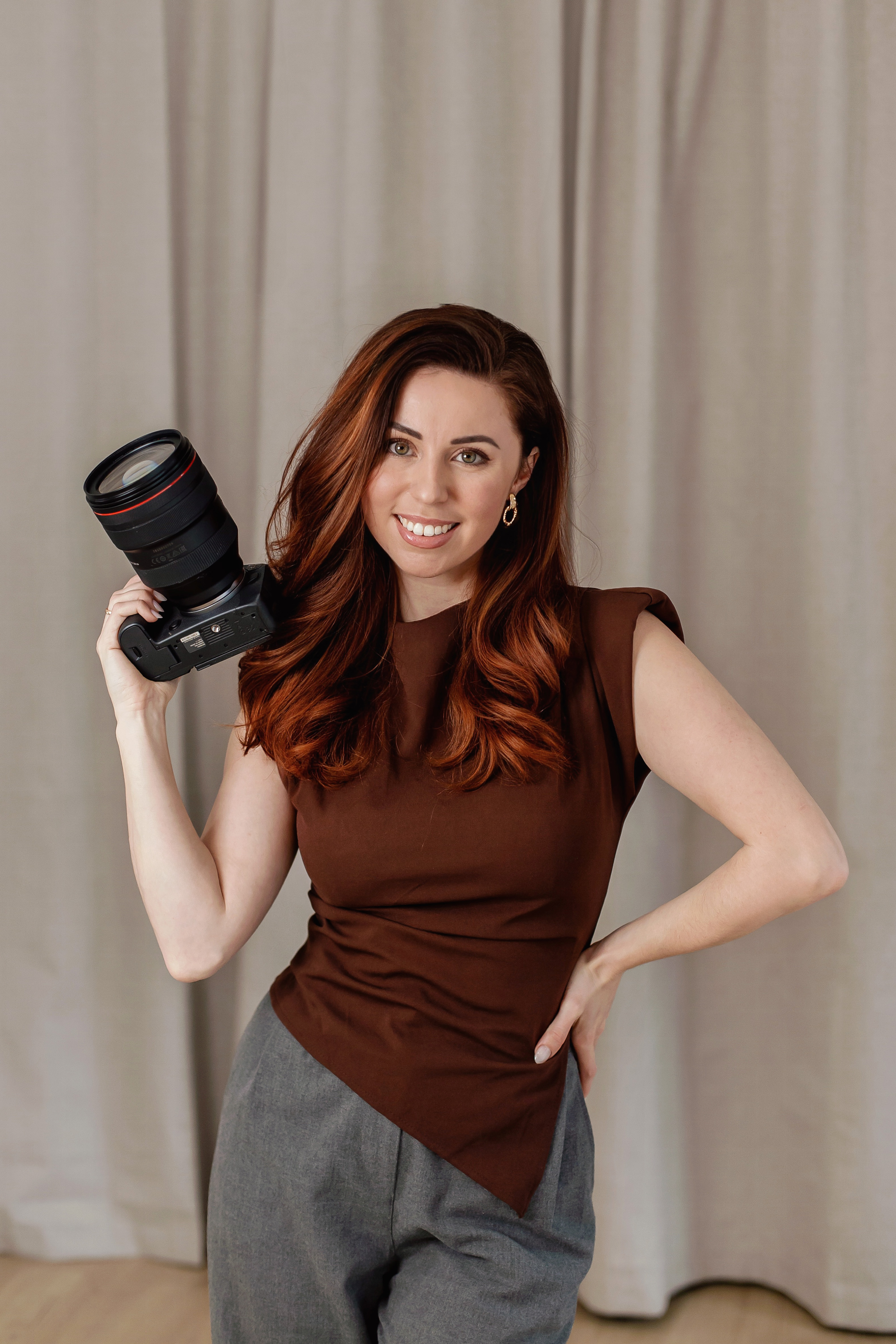
Yana Skakun
Photographer · England
Professional wedding, family and portrait photographer based in England. Passionate about capturing authentic emotions and timeless moments.
About Yana →home portrait session elderlyless mobile client photographyelderly portrait photographer Cambridgein-home family photographygrandparent home photoshootsenior portrait session UK
Family Tips — Family Photography in Cambridge & England
Yana Skakun offers natural, relaxed family photography sessions across Cambridge, Cambridgeshire, and the wider East of England. Sessions take place outdoors — in parks, woodland, and countryside — or at your family home, wherever everyone feels most at ease. This guide — Home Portrait Sessions for Elderly or Less Mobile Clients: What to Expect — is part of the photography journal: practical, experience-based advice drawn from real sessions across England. Whether you arrived searching for home portrait session elderly or less mobile client photography, the same care and attention shapes every session Yana photographs.
Family Photography sessions are available year-round, with bookings open across Cambridge, Ely, Huntingdon, Peterborough, and further afield — East England, London, the Midlands, and beyond. If you have specific questions about elderly portrait photographer cambridge, mention it in your enquiry. Get in touch through the contact form above to check availability and discuss your session. Enquiries are welcomed from anywhere in the UK.
Frequently Asked Questions
How do you prepare children for a family photoshoot?+
Keep it low-key beforehand — don't over-explain or build it up too much. Make sure children are fed and rested. Bring a snack and a favourite toy or comfort item. Let them warm up at their own pace rather than forcing poses from the start. The best family photos happen when children forget there's a camera.
What should a family wear for photos?+
Choose a colour palette — 2–3 complementary tones — rather than identical outfits. Earthy neutrals, blues and greens, or cream and blush all work beautifully outdoors. Avoid large logos, neon colours, and very small patterns that create visual noise. Dress for the location and season, and make sure everyone is comfortable.
When is the best time for an outdoor family photoshoot?+
The golden hour — the first hour after sunrise or the last hour before sunset — gives the softest, warmest light. Overcast days are also excellent: the cloud acts as a natural diffuser, eliminating harsh shadows. Midday summer sun is the most challenging light to shoot in.
How long does a family photography session take?+
Most family sessions last 45–75 minutes. Mini sessions (30–40 minutes) work well for smaller families and toddlers who have shorter attention spans. Larger extended family groups may need 90 minutes to cover everyone comfortably.
How many photos will I get from a family photoshoot?+
A standard 60-minute family session typically produces 30–60 edited images delivered in a private online gallery. Mini sessions deliver 15–25 images. All images are colour-corrected, naturally edited, and ready for printing.
Continue Reading
Related Articles

Family Tips
Blended Family Photography: A Sensitive Guide to Step-Families, Co-Parenting & Group Portraits
11 min read · Read Article
Family Tips
Baby Milestone Photography: Capturing Every Stage of the First Year
10 min read · Read Article
Family Tips
Maternity Photography in England: When to Book, What to Wear & Where to Shoot
11 min read · Read Article
Get in Touch
Ready to Book Your Session?
Get in touch to discuss your vision — I'll reply within 24 hours.