Yana Skakun

Horse Racing Photography at Newmarket: Behind the Scenes of Britain's Racing Capital
By Yana Skakun·10 July 2026·8 min read
Newmarket calls itself the headquarters of British horse racing, and once you have spent a morning on the gallops before dawn or a raceday afternoon in the paddock, it is not a difficult claim to believe. Roughly two and a half thousand racehorses live and train within a few miles of the town, more than seventy racing yards operate here, and the July Course and Rowley Mile between them host some of the most significant fixtures in the British racing calendar. For a photographer, it is one of the most rewarding and most demanding environments in the country to work in — fast, unpredictable, governed by its own etiquette, and utterly unlike a studio session or a wedding day. This is an account of what actually happens behind a horse racing shoot at Newmarket, from the early planning through to the images that come out the other end.
Why Racing and Equestrian Photography Is Its Own Discipline
Photographing horses well is not an extension of general portrait or event work with a different subject swapped in. A horse at speed on the gallops moves at up to forty miles an hour, changes direction with no warning, and shares the frame with a rider whose expression and position matter just as much as the animal's. A yearling being led out for a sale stands still for perhaps two seconds before shifting its weight or turning its head. Racing photography sits at the intersection of sports photography, portraiture, and documentary work, and it demands fluency in all three at once.
The technical demands are real. Autofocus has to track a moving subject reliably in low, flat dawn light or in the harsh overhead sun of a July afternoon. Shutter speeds need to be fast enough to freeze a galloping stride without being so fast that the image loses the sense of motion entirely — there is a deliberate skill in dragging the shutter slightly to blur a horse's legs while keeping the rider's face sharp, which reads as speed in a way a perfectly frozen frame sometimes does not. And all of this has to happen while respecting the practical realities of working around powerful animals: no sudden movements, no flash near the track, and constant awareness of where a horse might go next.
A Morning on the Gallops
Access to Newmarket's training grounds is not casual. The Warren Hill and Racecourse Side gallops are used by yards from around half past six in the morning, and any photography there has to be arranged in advance with the trainer or yard whose horses are working that day — turning up unannounced with a camera near a string of thoroughbreds is neither welcome nor safe. Once permission and a briefing are in place, the morning itself moves fast. Strings of horses come up the gallops in batches, often only visible for twenty or thirty seconds before they crest a rise or peel off toward home, and there is rarely a second chance at a particular pass.
I position myself low, usually kneeling or sitting, to get a sightline along the horses' eye level rather than shooting down on them, which flattens the sense of scale and effort. A long lens lets me stay well back from the rail while still filling the frame, and I pre-focus on a point on the track the string will pass through rather than relying entirely on continuous autofocus picking the right horse out of a group. The light at that hour, particularly in spring and autumn, is extraordinary — low, warm, and often threaded through with the steam rising off the horses' backs in cold air, which is one of the most distinctive and photogenic elements of a Newmarket morning that simply does not exist later in the day.
What surprises most people who have never watched a gallops morning in person is the quiet. Aside from hooves on turf and the occasional instruction called between riders, there is very little noise. It is one of the reasons the images from these mornings tend to feel calmer and more intimate than raceday photography, even though the horses are working at genuine speed.
Planning a Newmarket shoot
Whether you need gallops photography for a yard, raceday coverage for owners or sponsors, or portraits of a horse and rider away from the track, access and timing have to be arranged well ahead of the date. I am based in Cambridge, a short drive from Newmarket, and I am familiar with the practical side of working around yards, trainers, and racecourse press arrangements.
Get in touchRaceday at the July Course and Rowley Mile
Raceday photography is an entirely different tempo from a training morning. Where the gallops are quiet and repetitive, a raceday at either the July Course or the Rowley Mile is dense with things happening simultaneously: the parade ring before each race, the walk down to the start, the race itself, the winner's enclosure afterwards, and a crowd that is its own subject entirely, particularly on the big meetings when hats, tailoring, and general occasion-dressing are as much a part of the day as the racing.
I treat a raceday brief the way I would treat any large event: working out in advance where the photography actually needs to concentrate. For an owner or a syndicate, the winner's enclosure moment and the parade ring beforehand usually matter most, so I position myself early and hold that ground rather than chasing the race itself, which experienced racecourse photographers with fixed accreditation and pitch positions are better placed to cover. For a sponsor or corporate client entertaining guests in a raceday box, the emphasis shifts toward hospitality moments, guests at the rail, and the general atmosphere of the day, which overlaps closely with the kind of coverage I provide for corporate events around Cambridge and further afield.
The crowd itself deserves real attention on a big Newmarket fixture. Race days like the July Festival draw a genuinely striking mix of racing tradition and contemporary fashion, and candid coverage of that atmosphere — rather than only the racing itself — is often what clients value most when they look back at the images afterwards. It is the same instinct that drives good event photography anywhere: the formal moments matter, but it is the unplanned ones that people remember.
Portraits of Horse and Rider Away From the Track
Some of the most rewarding work I do around Newmarket happens away from both the gallops and the racecourse entirely: portrait sessions with owners and their horses, yard team photographs for a trainer's website or press materials, or a rider and their horse photographed simply because the relationship between them deserves recording properly rather than being caught in passing during a working morning.
These sessions run more like a considered portrait shoot than a fast-moving editorial job. I take time to let the horse settle into the presence of a camera and a stranger, which for some animals takes minutes and for others considerably longer. Handlers and owners generally know their horse's temperament well and are the best guide to what will and will not work — whether a horse photographs best held still and calm, or whether it is more itself when moving, ears forward, genuinely engaged with something happening nearby. I would always rather wait for a real moment of alertness or calm than force a static pose that looks stiff and disconnected from the animal's actual character.
Light and background matter as much here as in any portrait work. The paddocks and yards around Newmarket often have superb natural settings — post-and-rail fencing, mature trees, open Suffolk sky — and shooting in the early morning or the last hour before sunset gives the same warm, low light that makes the gallops sessions work so well, applied to a calmer, more deliberate kind of image.
Equipment and Practical Considerations
A long telephoto zoom is the backbone of gallops and raceday work — something in the 100-400mm range covers most situations, from a horse cresting a rise in the distance to a tighter shot as it passes closer to the rail. For paddock and parade ring work, where the subject is nearer and the crowd is denser, a shorter zoom in the 24-70mm range comes into play, often on a second body so I am not changing lenses mid-sequence and missing a moment.
Fast, reliable autofocus with good subject tracking is essential rather than optional for this kind of work, and I shoot in continuous high-speed burst mode through any sequence where a horse is moving, because the single frame that captures the right leg position, the right ear angle, and the right expression on the rider's face might be one of thirty near-identical images taken across two seconds. Weatherproofing matters too — a gallops morning in October can mean genuine drizzle, and equipment that cannot handle damp conditions is a liability in a place like Newmarket where the weather off the fens can turn quickly.
Beyond the camera itself, practical awareness of horses matters enormously and is not something that can be faked with good gear. Staying out of sightlines, moving predictably, never approaching from directly behind, and taking direction from trainers and handlers about where it is safe to stand are all part of doing this work responsibly. Yards and racecourses alike are far more willing to allow a photographer access when it is obvious that person understands how to behave around the horses, not just how to operate a camera.
Who This Kind of Photography Is For
Racing yards commissioning updated marketing and press imagery, owners wanting a genuine record of a horse they have followed through a season, syndicates wanting coverage of a raceday for members who could not attend, sponsors needing usable content from a hospitality box, and riders wanting portraits that capture a partnership rather than a generic stock image — all of these are common and entirely reasonable briefs. The common thread is that generic photography, shot without an understanding of how racing yards and racedays actually function, tends to produce images that look adequate but never quite capture what makes the sport and the place distinctive. Photography that comes from actually knowing the rhythm of a Newmarket morning or a Rowley Mile raceday looks different, and clients notice the difference even if they could not articulate exactly why.
I approach this work with the same standards I bring to any commissioned photography, whether that is a portrait session, a wedding, or a corporate brief: proper preparation, respect for the people and animals involved, and a genuine effort to capture something true rather than merely presentable.
Common Questions About Racing and Equestrian Photography
Do I need to arrange access myself, or can you do that? Access to training gallops always has to come through the yard or trainer involved, since it is their horses and their staff's safety at stake. I can advise on the practical side and have experience working within those arrangements, but the initial permission has to be granted by the yard. Racecourse access for racedays depends on the nature of the booking — owner, sponsor, or general attendee — and I will talk through what is realistic for your specific day.
What is the best time of year for gallops photography? Spring and autumn tend to give the most reliably beautiful light and the steam-off-the-horses effect in cold mornings, though racing and training continue through most of the year and each season has its own character. Summer mornings are lighter earlier but lose some of that atmospheric quality once the sun climbs.
Can you photograph a horse that is nervous around cameras? Yes, though it takes patience. I work at the horse's pace, keep movements slow and predictable, and would rather return with a smaller set of genuinely calm, natural images than force a session that leaves the horse stressed and the pictures looking it.
Do you cover other equestrian disciplines beyond racing? Racing is a significant part of what makes Newmarket unique, but the same approach applies to eventing, showing, and general equestrian portraiture. If you have a specific horse or event in mind, it is best to get in touch directly and talk through what you need.
Newmarket is a genuinely unusual place to photograph — a working town built entirely around one animal and one sport, with a rhythm to its mornings and racedays that rewards anyone who takes the time to understand it before turning up with a camera. As Yana Skakun Photography, I am based in Cambridge and work regularly around Newmarket and the wider region, and I am equally at home covering a raceday at the Rowley Mile, a quiet gallops morning, or a considered portrait of a horse and rider, alongside the wedding, portrait, and corporate photography I offer across the UK. If you have a racing or equestrian project in mind, get in touch and we can talk through what would work best for it.
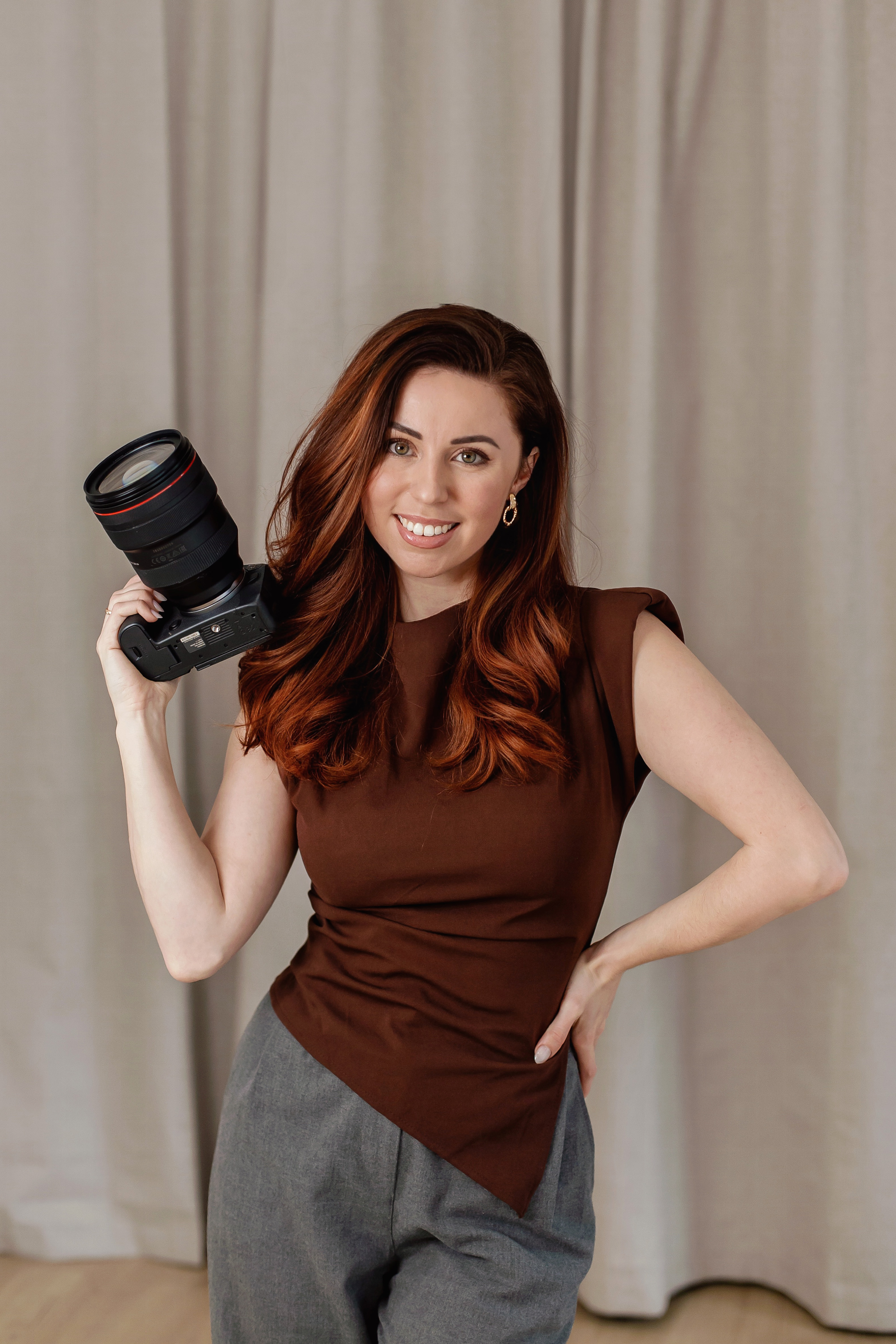
Yana Skakun
Photographer · England
Professional wedding, family and portrait photographer based in England. Passionate about capturing authentic emotions and timeless moments.
About Yana →Newmarket horse racing photographyequestrian photographer Cambridgegallops photography Newmarketraceday photography Rowley Milehorse and rider portraitsracing yard photography
Photography Tips — Professional Photography in Cambridge & England
Yana Skakun is a professional photographer based in Cambridge, specialising in wedding, family, and portrait photography across England. Every session is personal — planned around your story, your people, and the moments that matter most. This guide — Horse Racing Photography at Newmarket: Behind the Scenes of Britain's Racing Capital — is part of the photography journal: practical, experience-based advice drawn from real sessions across England. Whether you arrived searching for newmarket horse racing photography or equestrian photographer cambridge, the same care and attention shapes every session Yana photographs.
Professional Photography sessions are available year-round, with bookings open across Cambridge, Ely, Huntingdon, Peterborough, and further afield — East England, London, the Midlands, and beyond. If you have specific questions about gallops photography newmarket, mention it in your enquiry. Get in touch through the contact form above to check availability and discuss your session. Enquiries are welcomed from anywhere in the UK.
Frequently Asked Questions
What camera settings should I use for outdoor portraits?+
For outdoor portraits, shoot in aperture priority mode. Use a wide aperture (f/1.8–f/2.8) to blur the background and isolate your subject. Keep ISO as low as possible in good light. In bright conditions, use a neutral density filter or switch to manual to avoid overexposure at wide apertures.
What is the golden hour in photography?+
Golden hour is the period roughly 30–60 minutes after sunrise and before sunset. The sun is low in the sky, producing warm, soft, directional light that flatters skin tones and creates beautiful long shadows. It's widely considered the best natural light for portrait and outdoor photography.
How do you get sharp photos in low light?+
In low light, increase your ISO (accepting some grain), use the widest aperture your lens allows, and slow your shutter speed to the slowest you can hand-hold without camera shake (roughly 1/focal length as a guide). Use image stabilisation if available, and consider a tripod for static subjects.
What is the rule of thirds in photography?+
The rule of thirds divides the frame into a 3×3 grid. Placing your subject on one of the four intersection points — rather than dead centre — creates a more dynamic, visually interesting composition. It's a guideline, not a rule: some of the most powerful images break it deliberately.
How do you edit photos to look professional?+
Professional editing starts with shooting in RAW format. In Lightroom or similar software, correct exposure, white balance, and contrast first. Recover shadow and highlight detail. Apply gentle colour grading for mood. Be conservative with skin retouching — the goal is natural enhancement, not transformation. Consistency across a set of images is what separates professional from amateur editing.
Continue Reading
Related Articles

Photography Tips
Photography Gift Vouchers: The Most Personal Present You Can Give
5 min read · Read Article
Photography Tips
Photo Books vs Photo Albums: What Is the Difference and Which Is Better?
5 min read · Read Article
Photography Tips
Photo Gift Ideas: Turning Professional Images into Meaningful Presents
5 min read · Read Article
Get in Touch
Ready to Book Your Session?
Get in touch to discuss your vision — I'll reply within 24 hours.