Yana Skakun

How to Get Natural Shots of Your Dog: Tips from a Photographer
By Yana Skakun·10 July 2026·8 min read
Dogs are, without question, the hardest subjects I photograph. They do not understand direction, they do not hold a pose, and they have absolutely no interest in flattering angles. And yet some of the most genuinely joyful images in my portfolio are of dogs — ears mid-flap, tongue out, caught in a full-speed sprint across a field, or curled into a couple during their engagement shoot. Getting a natural shot of a dog is less about technical camera skill and much more about understanding how dogs actually behave, and working with that rather than against it. Whether you are trying to photograph your own dog on a walk, capture them at your wedding, or just get one decent frame for a Christmas card, the principles below are the same ones I use professionally.
Forget the Word “Sit”
The instinct almost everyone has is to ask the dog to sit and stay, then take the photograph. This produces a technically correct image and almost nothing else — a stiff, slightly anxious-looking dog staring at a treat somewhere near the lens, ears back, body tense with the effort of holding still. It is the canine equivalent of a passport photo, and it rarely looks like the dog anyone actually knows and loves.
Natural dog photography works better when you abandon the idea of posing altogether and instead create situations where the dog behaves the way it naturally behaves, and you simply document that. A dog sniffing a hedge, mid-shake after a swim, chasing a ball, greeting its owner, or just lying in a patch of sun is infinitely more expressive than a dog told to sit still and look at a camera it does not understand the purpose of.
Get Down to Their Level
This is the single biggest change most people can make to their dog photography, and it costs nothing except getting your knees dirty. Photographing a dog from standing height, looking down, is one of the least flattering angles available — it foreshortens the body, makes the legs disappear, and turns an expressive face into a small shape a long way below the lens.
Get down to eye level, or even slightly below. Lie on the ground if the terrain allows it. Photographing a running dog from a low angle, close to the ground it is moving across, produces images with genuine drama and scale — you see the dog the way another dog would see it, which is far closer to how we experience dogs emotionally than the view from a standing adult's eye line. This is exactly the same principle I apply when photographing children, and it works for the same reason: meeting a subject at their own physical level changes the emotional register of the image entirely.
Use Movement and Sound, Not Commands
Dogs respond far more readily to sound and movement than to verbal instructions, and this is the tool that gets genuinely alert, engaged expressions. Squeaky toys held near the lens (not aimed at the dog's face, which just makes them stare at the toy rather than look interesting) will often produce a lifted head, pricked ears, and a bright, curious expression that no amount of calling their name achieves after the first few attempts.
Crinkling a treat packet, tapping the side of the camera, making an unfamiliar noise, or having a second person run past out of the dog's eyeline are all reliable ways to generate a moment of genuine attention and energy. The trick is to keep changing the stimulus. Dogs habituate quickly — the squeak that worked brilliantly for the first three frames will be background noise by frame ten. I usually carry two or three different noise-makers to a pet session for exactly this reason, and rotate through them as interest fades.
Throwing something just out of frame, then photographing the moment the dog turns to chase it, tends to produce far more dynamic and honest images than anything achieved through stillness. The split second of a dog breaking into a run, before the chase properly begins, is often the most expressive frame of the whole session.
Shoot in Continuous Burst Mode
Dogs move faster and more unpredictably than almost any other subject you will photograph. A tail wag, an ear flick, a head tilt — these happen and resolve within a fraction of a second, and single-shot photography will miss the peak of the expression more often than it catches it. Switching your camera or phone to burst or continuous shooting mode and holding the shutter down through any moment of activity dramatically increases your odds of catching the exact frame where the ears are up, the mouth is open in a genuine pant-smile, and the eyes are bright.
This applies just as much to phone photography as to a dedicated camera. Most modern phones have a burst mode accessible by holding the shutter button, and it is genuinely one of the most useful tools available for pet photography specifically because it removes the impossible task of anticipating a fast, involuntary movement with a single perfectly timed press.
Dogs are part of the family too
If your dog is part of your everyday life, they deserve to be part of your photographs of it. Many of my clients bring their dogs into engagement shoots, family sessions, and increasingly into the wedding day itself — and the resulting images are consistently among their favourites. If you would like a dedicated pet portrait session, or want to talk about including your dog in an upcoming shoot, I would love to help.
Get in touchNatural Light and Where to Shoot
The same light principles that apply to portrait photography apply to dogs, arguably even more strongly, because a dog's coat can create harsh, patchy shadows in direct overhead sun that human hair and skin do not. Early morning or early evening light, soft and low in the sky, is far more forgiving on fur than the flat glare of a midday sun. An overcast day, which photographers often treat as a disappointment for other kinds of shoots, is genuinely excellent for dog photography — the even, diffused light removes harsh shadows across the face and coat and lets true colour and texture come through.
Open outdoor space matters enormously too. A dog given room to run — a field, a beach, a woodland path — will offer up far more natural behaviour than a dog confined to a small garden or an indoor room. If you are in or around Cambridge, the water meadows, Wandlebury Country Park, and the towpaths along the Cam all give dogs the space to move properly while offering a genuinely attractive backdrop that does not distract from the subject. I cover dedicated dog and pet sessions in Cambridge, and if you are further afield I also work with clients in Oxford, Bath, and York.
Timing the Session Around Your Dog, Not the Other Way Round
A tired dog is a calm, cooperative, but flat and low-energy subject. An overexcited dog straight off the lead after being cooped up all morning is a blur of movement that is almost impossible to work with. The best window is somewhere in between: a dog that has had a short walk to burn off the initial excess energy but still has plenty left to give during the session itself.
For nervous or easily distracted dogs, working close to home or somewhere familiar reduces anxiety considerably and produces far more relaxed, natural expressions than a completely unfamiliar location. For food-motivated dogs, arriving with an empty stomach (checked with the owner in advance, obviously) means treats remain a genuinely effective tool throughout the session rather than losing their appeal after the first ten minutes. Every dog is different, and a good pet photographer spends the first few minutes of any session simply watching and learning what that particular dog responds to, rather than applying a single fixed approach to every animal.
Including Your Dog on Your Wedding Day
For couples who want their dog present on the wedding day itself, planning ahead makes an enormous difference to how relaxed and genuine the resulting photographs feel. I generally recommend having a trusted friend or family member act as an informal “dog handler” for the day — someone the dog knows well, who is not also trying to get ready or attend to guests, and who can bring the dog in for the photographs at a set time and then take them somewhere calm afterwards. This avoids the stress of a dog being passed between people, overstimulated by a crowd, or left waiting around during the parts of the day that do not involve them.
The best window for dog photographs on a wedding day is usually shortly after the ceremony, during the portrait slot, before the reception crowd and noise levels build. If you are planning a wedding and want your dog involved, it is worth discussing with your photographer early in the planning process — venues vary considerably in their policy on dogs being present, and some have restrictions around the ceremony room specifically even when they are generally pet-friendly. I have a dedicated guide to pet-friendly wedding photography that covers venue considerations in more detail.
What to Avoid
A few common mistakes reliably produce disappointing dog photographs. Flash, particularly direct on-camera flash, tends to create the dreaded green or yellow eye-shine in dogs (the canine equivalent of red-eye, caused by the reflective layer behind a dog's retina) and can also startle nervous dogs enough to end a session early. Holding a treat directly above the lens to get the dog to “look at the camera” produces a very specific, slightly cross-eyed, unflattering expression that is instantly recognisable and rarely the shot anyone actually wants.
Overly long sessions are another common problem. Most dogs have a genuine attention span of perhaps twenty to thirty minutes of active engagement before enthusiasm drops off noticeably. Rather than pushing through a flagging dog for the sake of the shot list, it is almost always better to end on a high note, even if that means a shorter session than originally planned. The images from the first twenty minutes, when the dog is genuinely engaged, will consistently outperform anything captured once boredom sets in.
Photographing dogs well comes down to patience, genuine understanding of how they behave, and a willingness to let go of the idea of a “posed” shot altogether. The best images come from creating the conditions for a dog to be themselves — running, sniffing, greeting someone they love — and being ready with the camera when that happens. If you would like a dedicated pet portrait session in Cambridge, or want to talk about bringing your dog into an upcoming wedding or family shoot, I am Yana Skakun Photography and I would love to help. Take a look at my pricing or get in touch to talk through what you have in mind.
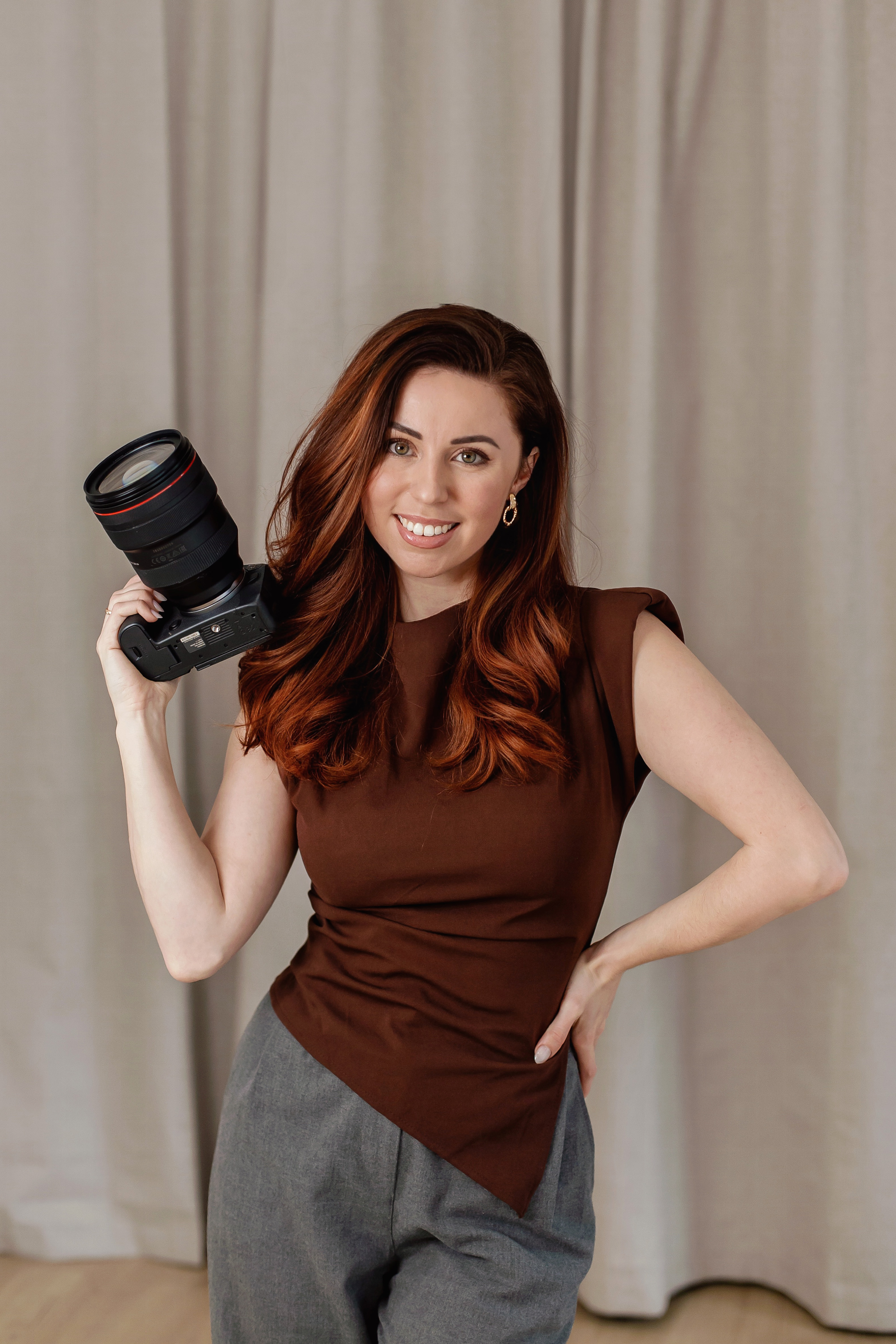
Yana Skakun
Photographer · England
Professional wedding, family and portrait photographer based in England. Passionate about capturing authentic emotions and timeless moments.
About Yana →natural dog photography tipshow to photograph your dogpet photography Cambridgedog photographer tipswedding dog photospet-friendly wedding photography
Wedding Tips — Wedding Photography in Cambridge & England
Yana Skakun is a professional wedding photographer based in Cambridge, covering weddings across England — from intimate elopements to full-day ceremonies at country houses, barns, and city venues. Every couple receives a relaxed, documentary approach that captures the day as it truly unfolds. This guide — How to Get Natural Shots of Your Dog: Tips from a Photographer — is part of the photography journal: practical, experience-based advice drawn from real sessions across England. Whether you arrived searching for natural dog photography tips or how to photograph your dog, the same care and attention shapes every session Yana photographs.
Wedding Photography sessions are available year-round, with bookings open across Cambridge, Ely, Huntingdon, Peterborough, and further afield — East England, London, the Midlands, and beyond. If you have specific questions about pet photography cambridge, mention it in your enquiry. Get in touch through the contact form above to check availability and discuss your session. Enquiries are welcomed from anywhere in the UK.
Frequently Asked Questions
How much does a wedding photographer cost in England?+
Wedding photography in England typically ranges from £1,500 to £4,000+ for a full day. Price depends on experience, coverage hours, and whether albums or engagement shoots are included. Most photographers charge between £2,000–£3,000 for 8–10 hours of coverage.
How early should you book a wedding photographer?+
For peak season (May–September), book 12–18 months in advance. For autumn and winter weddings, 9–12 months is usually sufficient. Popular photographers at popular venues fill up fast — as soon as you have a date and venue confirmed, start reaching out.
How many photos do you get from a wedding photographer?+
Most professional wedding photographers deliver 400–800 edited images for a full-day wedding. The exact number depends on coverage hours, how many guests there are, and the photographer's editing style. Quality matters more than quantity — a curated gallery of 500 images tells the story better than 1,500 unedited files.
Do you need a second photographer at your wedding?+
A second photographer is helpful if you want simultaneous coverage of getting-ready moments in different locations, multiple angles during the ceremony, or more candid coverage during the reception. It adds cost but significantly increases the variety and completeness of your gallery.
What is the difference between documentary and editorial wedding photography?+
Documentary (reportage) wedding photography captures moments as they happen — the photographer observes and doesn't intervene. Editorial photography involves deliberate direction: placing you in good light, shaping compositions, creating intentional portraits. Most photographers blend both styles throughout the day.
Continue Reading
Related Articles

Wedding Tips
Sustainable Eco-Friendly Wedding Guide — Planning a Green Celebration
15 min read · Read Article
Wedding Tips
Trash the Dress Session — Complete Planning and Photography Guide
14 min read · Read Article
Wedding Tips
Client Communication for Photographers — From Enquiry to Gallery Delivery
15 min read · Read Article
Get in Touch
Ready to Book Your Session?
Get in touch to discuss your vision — I'll reply within 24 hours.