Yana Skakun

How to Prepare for a Boudoir Shoot: Shaving, Tanning, and Comfort
By Yana Skakun·10 July 2026·8 min read
Booking a boudoir session is often one of the more nerve-wracking decisions a client makes, and the anxiety rarely comes from the photography itself. It comes from the run-up: what to shave, whether to book a spray tan, what happens if your skin reacts to something new the week before, and whether you will feel comfortable enough on the day to actually enjoy it. Having photographed boudoir sessions for a wide range of clients — brides preparing a gift for a partner, women marking a milestone birthday, and people simply wanting to see themselves the way they rarely get to — I have a fairly settled view on what preparation actually helps and what is unnecessary stress dressed up as advice. This guide covers the practical side: skin, shaving, tanning, timing, and the mindset that makes the biggest difference of all.
Start With Skin, Not Products
The single biggest contributor to how your skin photographs is hydration, and it is also the easiest thing to get right because it costs nothing and takes no planning. Drink water consistently in the week before your session, not just the day before. Skin that is properly hydrated from the inside catches light more evenly and shows less texture under directional lighting, which is exactly the kind of lighting boudoir photography tends to use to create shape and mood.
Moisturise daily in the lead-up, and apply a light, non-greasy moisturiser on the morning of the shoot itself. Avoid anything heavily fragranced or new to your skin in the final week — this is not the moment to trial a product you have never used before, because a reaction, however mild, is far harder to photograph around than slightly dry skin. If you are prone to breakouts around your period, it is worth loosely timing your session away from that point in your cycle if your schedule allows, though I would never suggest rearranging a date around this if it causes more stress than it saves.
Exfoliating gently two or three days before — not the morning of — removes flaky skin without leaving redness or sensitivity on the day itself. A body scrub in the shower is usually enough; there is no need for anything more clinical unless that is already part of your normal routine.
Shaving and Hair Removal: Timing Matters More Than Method
Whatever your usual hair removal routine is, the main rule is simple: do it the evening before, not the morning of. Freshly shaved skin, especially on legs and underarms, is more prone to redness, small nicks, and razor bumps in the first few hours afterwards. Giving it twelve to eighteen hours to settle means the skin has calmed down completely by the time you are in front of the camera.
If you wax, book it three to four days ahead rather than the day before. Freshly waxed skin can be inflamed or slightly bumpy for a day or two, and you want that irritation fully resolved, not concealed under makeup, by session day. The same logic applies to any hair removal method you are not entirely used to — if you are considering trying something new for the shoot, test it well in advance rather than on the week of, so you know how your skin responds.
None of this is compulsory. Some clients shave everywhere, some do nothing differently from their normal routine, and some skip shaving entirely because it is not something they do day to day. There is no correct answer here beyond what makes you feel like yourself. My job is to photograph you as you are, not to enforce a grooming standard, and I would rather you arrive feeling natural and unselfconscious than have gone through a routine that felt like an obligation.
Tanning: My Honest Advice
This is the area where I see the most preparation mistakes, almost always from good intentions gone wrong. A spray tan can look wonderful in photographs when it is done well and given time to develop properly. It can also go visibly orange, patchy, or streaky under studio lighting in a way that is very difficult to correct afterwards, because directional light exaggerates unevenness that looks fine in a bathroom mirror.
If you want to use a spray tan, book it with a professional you trust at least two to three days before your session, never the day before. This gives the colour time to fully develop and settle, and gives you time to notice and address any patchiness with a gentle exfoliating shower before session day, rather than discovering an issue an hour before we start shooting. Avoid a first-time spray tan with a new salon or a new home tanning product in the week of your shoot — this is not the moment to experiment.
Honestly, my preference is that clients skip tanning altogether unless it is already a normal part of how they present themselves. Natural, untanned skin photographs beautifully in the kind of soft, warm lighting used in boudoir work, and it removes an entire category of last-minute risk. If your skin tone varies noticeably with the seasons and you would simply feel more confident with a bit of colour, that is a valid reason to tan — just build in the time for it to be done well and settle properly.
Not sure where to start?
A short call before booking covers wardrobe, timing, and any questions about the studio itself, so you arrive on the day already feeling settled rather than working things out as you go. I am happy to talk through anything on this list in more detail, including what has worked well for previous clients with similar concerns.
Get in touchNails, Hair, and the Details People Forget
Hands appear in a huge proportion of boudoir images, often more than people expect, so it is worth giving your nails some attention in the days before — a manicure is not essential, but chipped polish or ragged cuticles are the kind of small detail that draws the eye in a still photograph in a way it never does in everyday life. The same goes for feet if you plan to be barefoot, which most clients are.
For hair, come with it clean and freshly washed the day of or the evening before, styled however makes you feel most like yourself — loose waves, straight, natural texture, whatever you would wear on a normal good day. If you are booking hair and makeup professionally, which I generally recommend for boudoir sessions specifically, schedule it to finish shortly before we start shooting so everything is fresh rather than several hours old by the time we begin.
Bring lip balm and blotting papers regardless of whether you have professional makeup done. Studio lighting is warm and sessions can run for an hour or more, and small top-ups between outfit changes make a genuine difference to how fresh everything looks in the later images of the set.
What to Eat and Drink Beforehand
Eat a proper meal before you arrive. A boudoir session involves being genuinely present and often physically active — changing poses, holding positions, moving through a set — and doing that on an empty stomach makes people look and feel tired far faster than they expect. Avoid a large amount of salt the day before if you are prone to bloating, and go easy on alcohol the night before; even a modest amount tends to show in the eyes and skin the following morning in a way that is very hard to disguise.
Avoid trying a strict diet or detox in the final week specifically for the shoot. Sudden changes to eating patterns rarely make a visible difference in twenty-four to forty-eight hours and far more often leave people feeling depleted and less confident than they would have been sticking to their normal routine.
Choosing Wardrobe That Actually Photographs Well
Bring more than you think you need — three to five outfits is typical for a full session, ranging from something structured like a corset or set with boning, to something soft like a slip or oversized shirt, to something entirely your own, like a partner's jumper or a piece you already own and love. Variety in texture and silhouette gives us far more to work with than several similar pieces in different colours.
Fit matters more than price. An inexpensive piece that fits well will photograph better than an expensive one that gapes, digs in, or needs constant adjusting. If you are buying anything specifically for the session, try it on and move around in it at home first — sit, stretch, bend — to check how it behaves, since a piece that looks perfect standing still can shift or ride up the moment you actually pose in it.
Steam or iron everything the night before and hang it somewhere it will not crease again before you leave. Creased fabric is one of the most common and most avoidable issues in boudoir photography, and it is far easier to deal with at home than in a rushed few minutes at the studio.
On the Day: Managing Nerves
Almost every client tells me some version of the same thing in the first five minutes: that they nearly cancelled, that they feel awkward, that they do not know what to do with their hands. This is completely normal and it passes quickly once we start working. I direct every pose, every angle, every expression — you are not expected to arrive knowing how to pose for boudoir photography, because that is my job, not yours.
Arrive a little early rather than rushing straight from something else, so you have a few minutes to settle into the space before we begin. If you are combining this with other portrait work or planning it as part of a wider set of images, mention that when booking so we can plan the timing and outfit order accordingly. Most nerves settle within the first ten minutes once you see a handful of images on the back of the camera and realise the process is far more collaborative and far less exposing than the anticipation suggested.
Booking, Pricing, and What Happens Afterwards
Boudoir sessions are typically booked with a deposit to secure the date, similar to how I handle wedding and portrait bookings more broadly. Full pricing details are available on request and vary depending on session length, the number of outfit changes, and whether you would like a printed album or box of prints included, which many clients choose as the final product rather than digital files alone. Images are delivered privately through a password-protected online gallery, and nothing is ever shared, used for marketing, or shown to anyone else without your explicit written permission.
The gap between session and delivery is typically two to three weeks, giving enough time for a considered edit rather than a rushed one. You will have the chance to review a curated selection and choose which images to have printed or included in an album, so the final set reflects what you actually want to keep, not simply everything captured on the day.
Preparing for a boudoir shoot is mostly about removing avoidable stress, not about achieving some idealised version of yourself in seventy-two hours. Hydrated skin, well-timed hair removal, wardrobe that fits and has been steamed, and a proper meal beforehand will do more for how you look and feel than any last-minute product or diet ever will. At Yana Skakun Photography, every session is built around making that process feel calm and genuinely enjoyable rather than something to get through. If you have questions about preparing for your own session, get in touch and I will talk you through exactly what to expect.
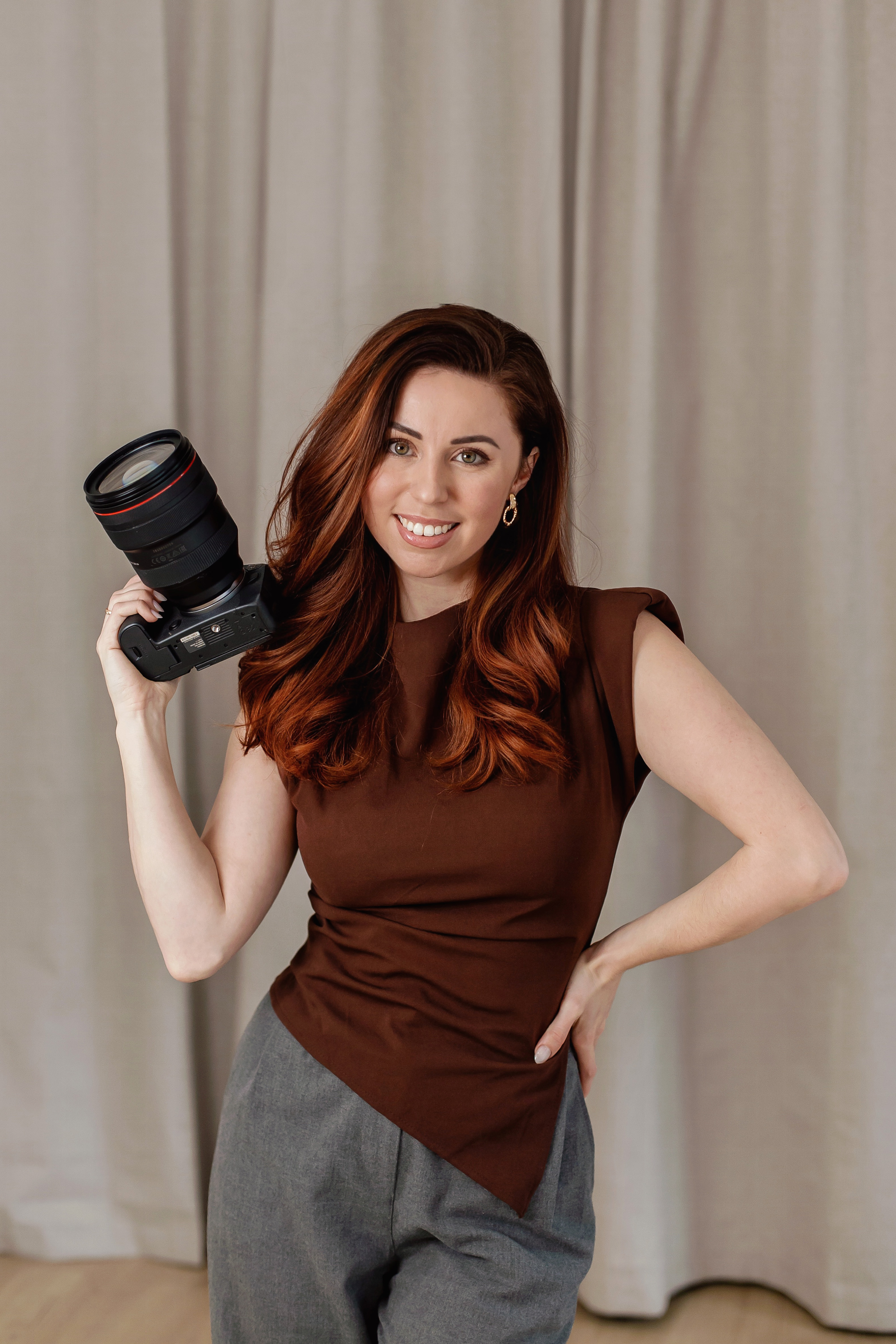
Yana Skakun
Photographer · England
Professional wedding, family and portrait photographer based in England. Passionate about capturing authentic emotions and timeless moments.
About Yana →prep for boudoir shootboudoir photography tipsboudoir shoot preparationspray tan before photoshootboudoir session Cambridgehow to prepare for boudoir photos
Portrait Tips — Portrait Photography in Cambridge & England
Portrait sessions with Yana Skakun are unhurried and personal — designed to produce images that feel genuinely like you, not a performance. Sessions are available in Cambridge, across East England, and at locations throughout the UK. This guide — How to Prepare for a Boudoir Shoot: Shaving, Tanning, and Comfort — is part of the photography journal: practical, experience-based advice drawn from real sessions across England. Whether you arrived searching for prep for boudoir shoot or boudoir photography tips, the same care and attention shapes every session Yana photographs.
Portrait Photography sessions are available year-round, with bookings open across Cambridge, Ely, Huntingdon, Peterborough, and further afield — East England, London, the Midlands, and beyond. If you have specific questions about boudoir shoot preparation, mention it in your enquiry. Get in touch through the contact form above to check availability and discuss your session. Enquiries are welcomed from anywhere in the UK.
Frequently Asked Questions
How do I look natural in portrait photos?+
The key is to keep moving — walking, talking, laughing. Still poses often look stiff. A good portrait photographer will direct you gently rather than just pointing and shooting. Take a breath, drop your shoulders, and try to focus on something that makes you happy rather than worrying about how you look.
What should I wear for a portrait session?+
Wear something you feel good in — not something borrowed or brand new that you haven't worn before. Solid colours photograph better than busy patterns. Bring a second outfit for variety. Think about the location: flowing fabrics work beautifully outdoors; tailored looks suit urban settings.
How long does a portrait session take?+
Standard portrait sessions last 60–75 minutes. This allows enough time to warm up, try different locations and poses, and explore a couple of looks without rushing. If you're very camera-shy, a longer session helps — the more relaxed you become, the better the final images.
What locations are best for outdoor portrait photography?+
Gardens, parks, riverside paths, woodland, and areas with interesting architecture all make great portrait backgrounds. The most important factor is light — a location with open shade or soft directional light will always photograph better than a technically beautiful spot in harsh midday sun.
What is the difference between a portrait session and a headshot session?+
Portrait sessions focus on you as a whole person — full-body, three-quarter, and close-up images in a relaxed, often outdoor setting. Headshot sessions focus specifically on professional or actor headshots: face and upper body, often in a controlled setting with consistent, professional lighting.
Continue Reading
Related Articles

Portrait Tips
Glasses and Glare in Photography: How to Get Great Results
6 min read · Read Article
Portrait Tips
Fake Tan Before a Photoshoot: Timing, Application, and What Can Go Wrong
6 min read · Read Article
Portrait Tips
Hair and Makeup for a Photoshoot: What Photographs Well
7 min read · Read Article
Get in Touch
Ready to Book Your Session?
Get in touch to discuss your vision — I'll reply within 24 hours.