Yana Skakun
Maternity Photoshoot: When, Where & What to Wear
By Yana Skakun·12 March 2026·8 min read
A maternity photoshoot documents one of the most significant transitions in a person's life — the final weeks of pregnancy before everything changes. It is a strange, suspended kind of time: the nursery is half-finished, the hospital bag is not quite packed, and the body is doing something it has never done before and may never do in quite the same way again. Clients often tell me they booked a maternity session almost as an afterthought, squeezed in between antenatal appointments, and then found the finished images became some of the most looked-at photographs in the house. Getting the timing, the location, and the practical details right is what turns a rushed, self-conscious hour into a set of images that actually feel like you, at a moment you will want to remember clearly. Here is everything I talk through with clients before we book a date.
When: The Optimal Timing Window
The most flattering and photogenic period for a maternity session is between 28 and 34 weeks of pregnancy. At this stage the bump is clearly visible and prominently rounded — it reads unmistakably as pregnancy in a photograph, rather than something that needs explaining — but the mother is not yet uncomfortable, breathless, or at risk of early labour. Walking to a location, changing positions, sitting or kneeling on the ground, and simply being on your feet for forty-five minutes are all manageable at 28-34 weeks in a way that becomes progressively more difficult beyond 36 weeks, when swelling, back pain, and general fatigue tend to set in.
I generally suggest clients book their date at around 28-30 weeks, even though the shoot itself might not happen until a few weeks later. This gives flexibility on both ends: if you go into labour early, feel unwell, or simply want to push the date back a week because of how you are feeling, there is still room to reschedule within the flattering window. If you leave booking until 36 weeks or beyond, that window has often already closed, and I have had to gently explain to a handful of clients over the years that we are now working with a much narrower, more physically demanding set of options. Twins and multiple pregnancies compress this window further — I usually recommend a slightly earlier session, around 24-28 weeks, since twin pregnancies tend to reach their most visibly rounded stage sooner and labour can arrive earlier too.
Timing also interacts with the calendar in ways that are worth thinking about early. A due date in the depths of January means your 28-34 week window falls in October or November — excellent for woodland colour but requiring warmer layers and earlier bookings, since autumn dates fill quickly. A summer due date means your maternity session likely falls in spring, when Cambridgeshire's bluebell woods and blossom are at their best. I encourage clients to work backwards from their due date as soon as they know it, rather than waiting until the bump feels "big enough" and then trying to book at short notice.
Where: Indoor Versus Outdoor Sessions
Both work beautifully with the right planning, and the choice usually comes down to what kind of images you are drawn to rather than any technical superiority of one over the other. In-home sessions give the most personal and intimate images. Photographing a maternity session in your own home — in the room where the baby will actually sleep, using the morning light that falls through your own windows, surrounded by the objects and textures of the life you are about to expand — has an authenticity that no studio or woodland location can fully replicate. These sessions tend to be quieter and more documentary in feel: getting dressed, resting a hand on the bump while making tea, sitting on the edge of the bed. They also suit clients who feel more comfortable and less exposed in their own space than in front of a camera outdoors.
Studio sessions, by contrast, offer controlled light regardless of the weather and a cleaner, more classically composed look. With a plain backdrop and directional lighting I can create the kind of dramatic, sculptural maternity portraits — side profile, hands framing the bump, fabric draped and lit from behind — that read as timeless rather than tied to a particular season or place. Studio sessions are also the most reliable option if your due date falls in the depths of winter and outdoor light is unpredictable or the weather genuinely unworkable.
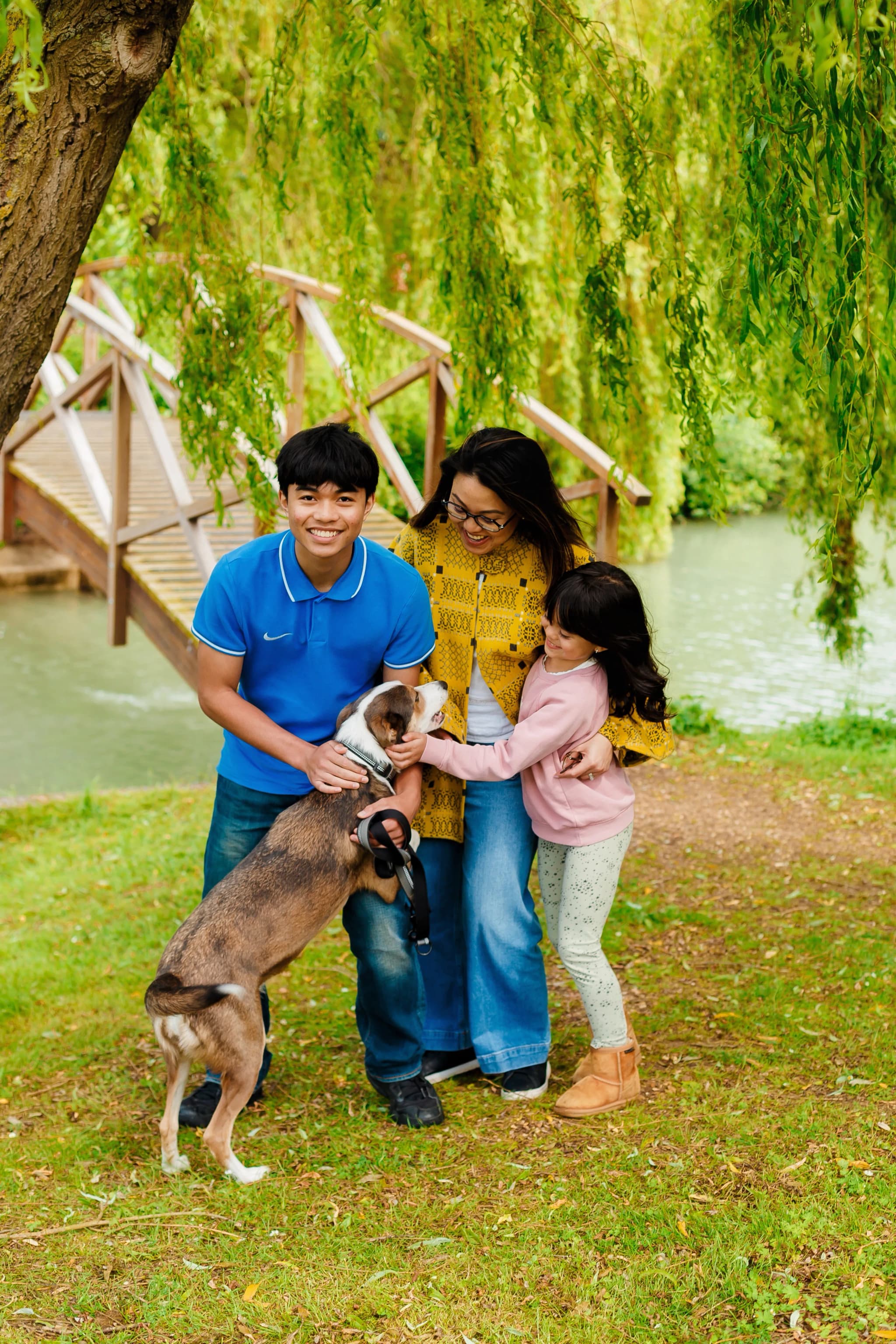
Outdoor sessions bring in the character of the landscape and, in my experience, are the option most clients gravitate towards once they see examples. Soft, overcast light is genuinely better for maternity photography than bright sunshine — harsh midday sun creates strong shadows across the face and bump that are unflattering, whereas cloud cover acts as a giant natural diffuser, wrapping the light evenly around the whole scene. Around Cambridge I use bluebell woods in April and May, when the woodland floor turns a haze of blue-violet beneath fresh green canopy; golden wheat and barley fields in late July and August, when the crop is high enough to stand in and the low evening light turns it amber; and autumn woodland in October and November, when copper and gold foliage gives a warmth that flatters every skin tone. Riverside locations along the Cam, and the water meadows around Grantchester, also work well through spring and summer for clients who want a softer, more open backdrop than woodland provides.
What to Wear
Clothing is the single biggest factor in how a maternity photograph feels, and it is worth more thought than most clients initially give it. Flowing maxi dresses that show the bump clearly are the most consistently successful maternity photography outfits. Fabrics with gentle movement — jersey, chiffon, soft cotton blends — give the images life; a light breeze catching a hem or a sleeve adds a sense of motion and softness that a structured, stiff fabric simply cannot produce. Solid, muted colours generally photograph better than busy prints, particularly outdoors where the background itself already has plenty of visual texture from foliage, grass, or wildflowers.
I always recommend bringing at least two outfit options: one more formal and one more casual. The formal option is usually a flowing gown or wrap dress in a colour that suits the season and location — deep terracotta or rust for an autumn woodland session, soft sage or dusty pink for a spring bluebell wood, cream or white for a clean studio backdrop. The casual option is typically a comfortable, well-fitted T-shirt or jumper with jeans or leggings that show the shape of the bump without any fabric bunching over it. The combination gives your final gallery real variety — some images that feel elegant and composed, others that feel relaxed and true to daily life — and shows different aspects of the experience rather than forty near-identical frames in the same dress.
A few practical notes that make a genuine difference: bring flat, comfortable shoes even if you plan to be photographed barefoot for some frames, since walking to and from the location matters too. Avoid anything with a tight waistband that will leave a visible mark on the skin if worn for the hour before the shoot. If you are including a partner, coordinating rather than matching outfits works best — complementary tones in the same warm or cool palette, not identical colours, which can look staged rather than natural.
Not sure which setting is right for you?
I am always happy to talk through indoor, studio, and outdoor options before you book, including which locations suit your due date and the season your session will fall in.
Ask about maternity session optionsIncluding Your Partner or Other Children
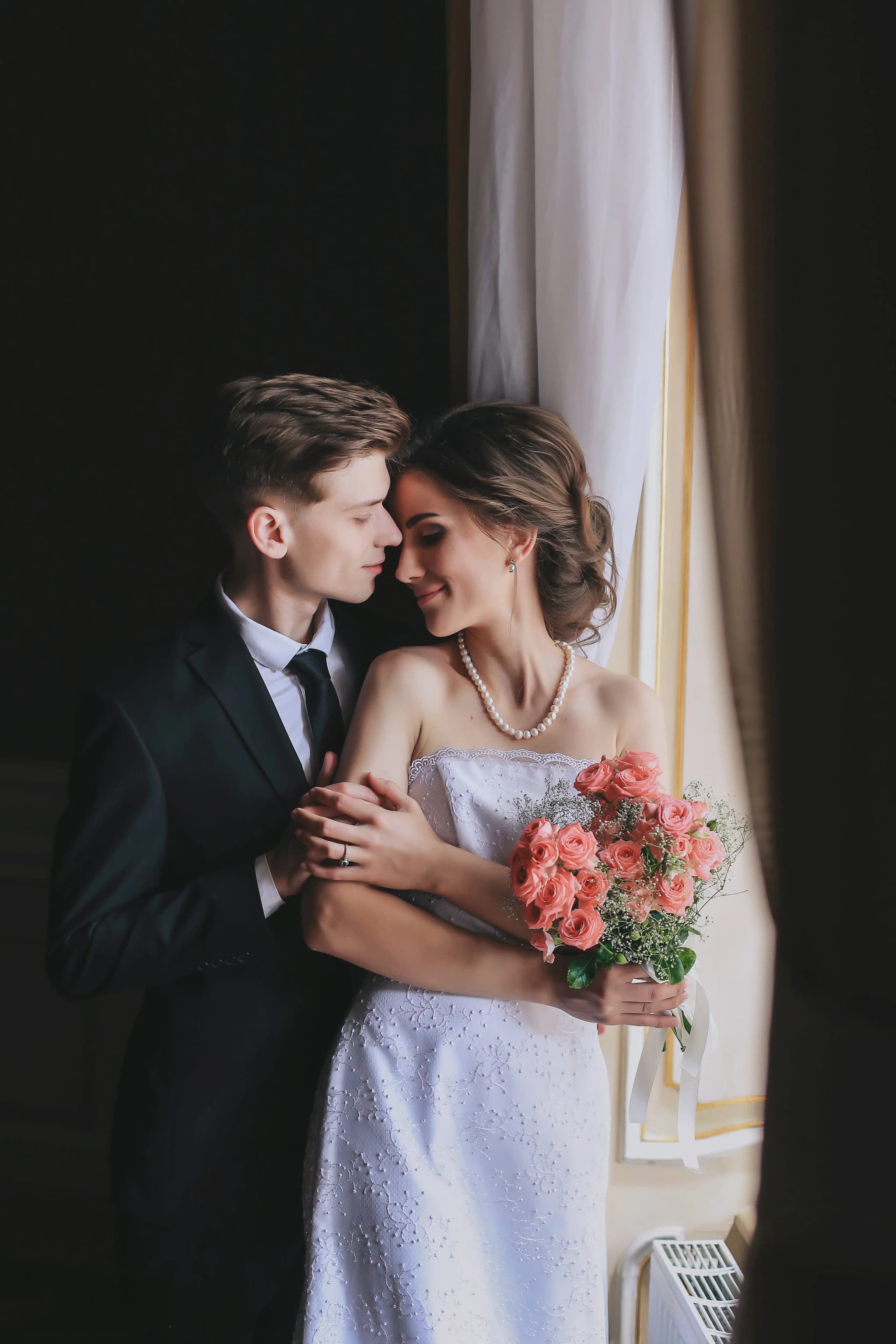
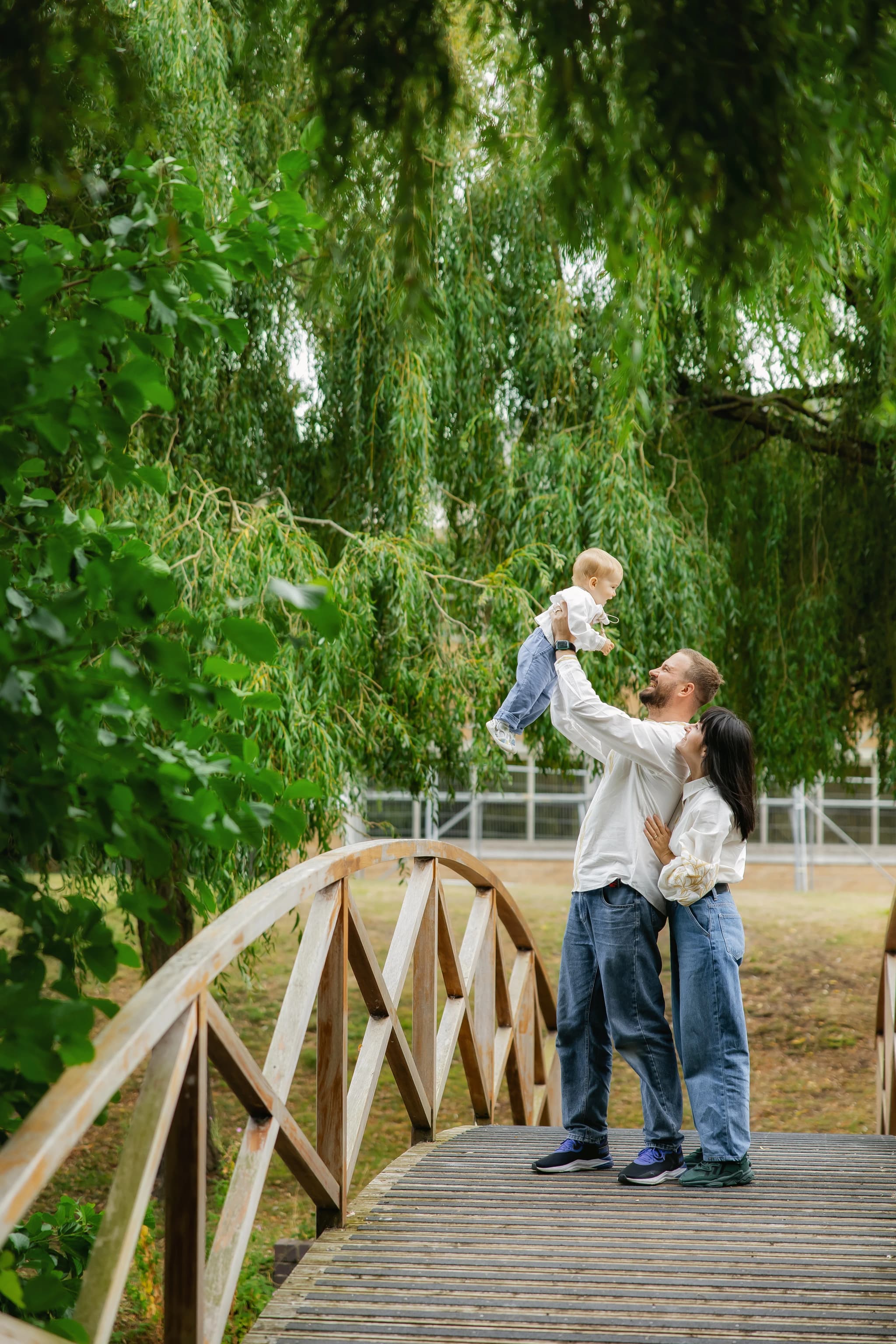
Partner involvement portraits — hands resting together on the bump, a quiet moment of foreheads touching, one partner standing behind the other with arms wrapped around — are consistently among the most beloved maternity images, and often the ones clients say they did not expect to love as much as they do. I usually build a section of the session around these, asking partners to stop looking at the camera altogether and focus on each other instead, which almost always produces something far more natural than a posed, camera-facing smile.
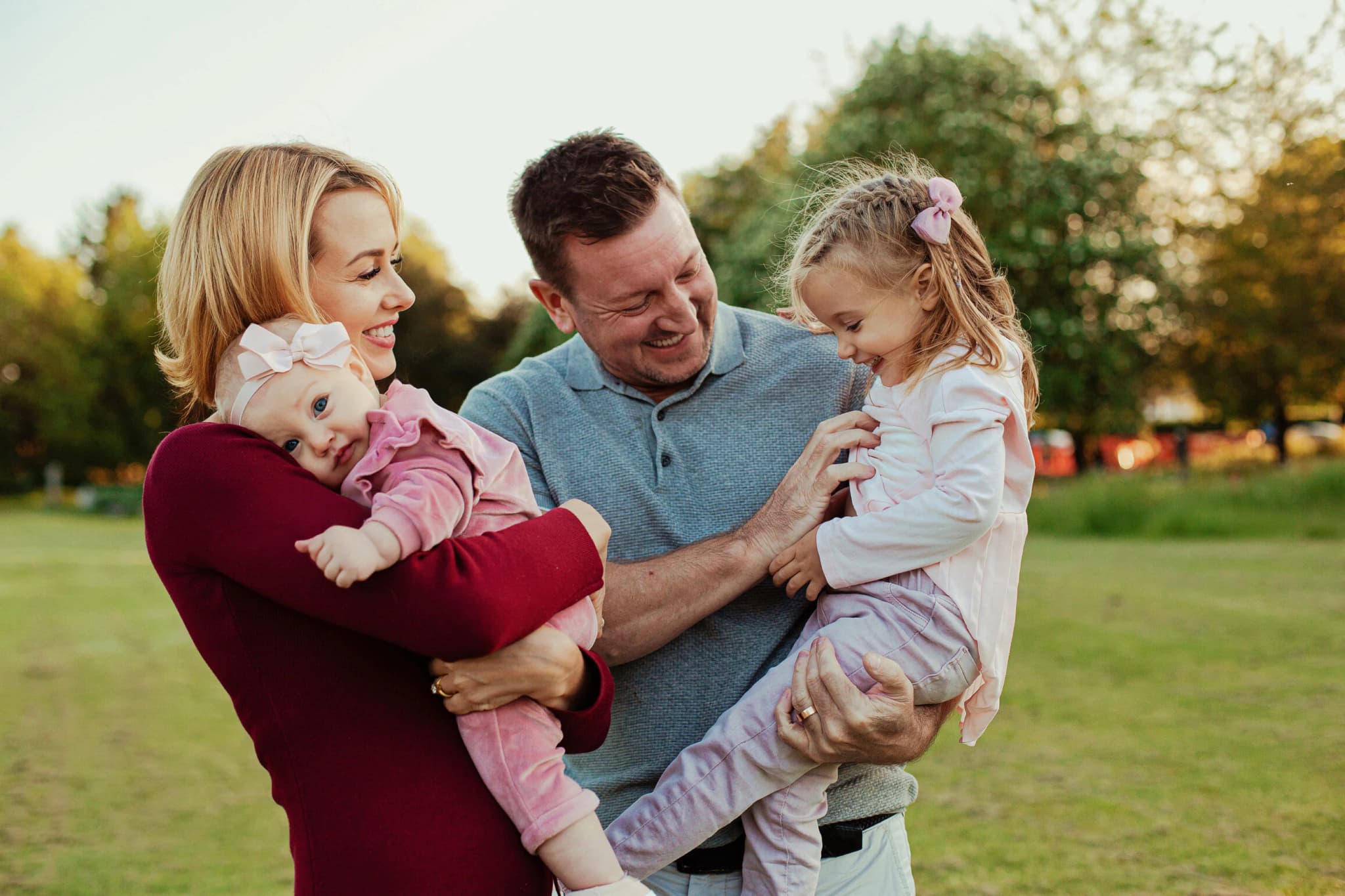
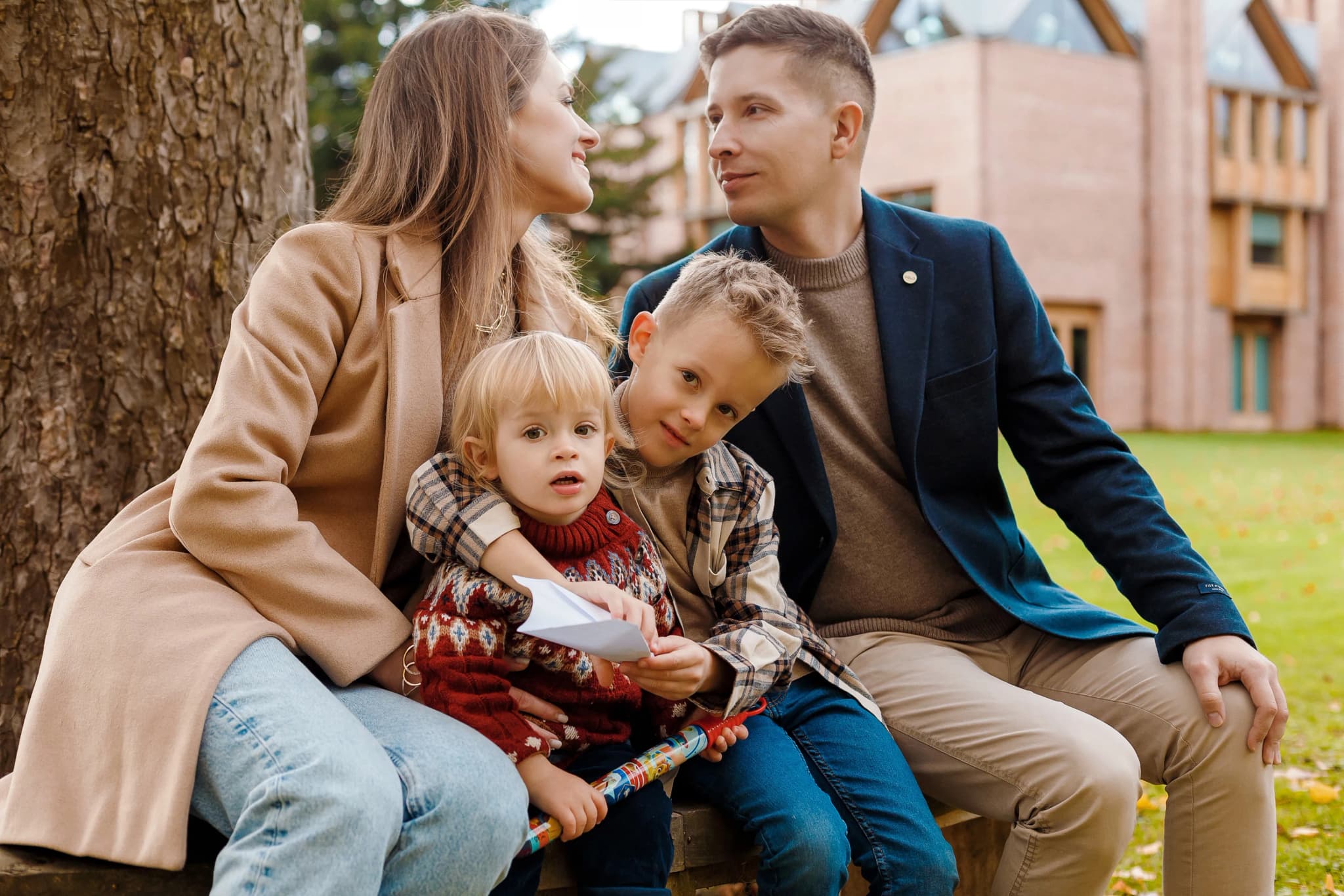
If you have older children, including them adds an entirely different dimension to the session. Their curiosity about the bump — a small hand pressed against it, listening for a kick, asking questions — creates images that document not just the pregnancy but the whole family's beginning of anticipation for the sibling who is about to arrive. Children this age rarely need direction; I let them interact with the bump and with their parents in whatever way feels natural to them, and photograph that rather than orchestrating a pose. These images tend to be the ones families return to years later, since they capture a sibling relationship at its very earliest, unrepeatable point.
For sessions including children, I recommend scheduling around their natural rhythms rather than yours — late morning after a good breakfast, or shortly after a nap, tends to produce far better cooperation than late afternoon when tiredness sets in. A small bag of snacks and a favourite toy nearby, out of frame, is often enough to keep a toddler content for the twenty minutes you need them engaged.
How the Session Itself Runs
A maternity session typically runs between forty-five minutes and an hour — long enough to cover a change of outfit, some solo portraits, partner portraits, and family portraits if children are involved, but short enough that you are not standing for hours in the later stages of pregnancy. I build in regular breaks to sit down, have some water, and simply rest, particularly for outdoor sessions where walking between spots adds up. There is no need to hold a pose for long stretches; most of the images I keep from a session come from short bursts of movement and interaction rather than static held positions.
Weather is always a live consideration for outdoor sessions, and because the flattering timing window is relatively narrow, I try to build some flexibility into scheduling so that a session can move a few days in either direction if the forecast turns. Overcast and lightly cloudy days are, as mentioned, often better than bright sun for maternity photography, so a forecast that looks unpromising for a wedding might actually be ideal for this kind of shoot.
Booking and Preparing
Because the ideal window is only a handful of weeks wide, I recommend getting in touch as soon as you know your due date, even if the session itself will not take place for another two or three months. This gives time to choose the right location for the season, plan around any other appointments or events, and hold a date with some flexibility either side of it. Popular seasonal locations — the bluebell woods in particular — have a genuinely short peak each year, so early booking matters more for those than for a studio or in-home session, where timing is far more flexible.
In the days before the session, staying well hydrated helps the skin look its best in photographs, and getting a reasonable night's sleep beforehand makes a visible difference to how relaxed and comfortable you feel in front of the camera. Beyond that, there is very little to prepare. I handle posing guidance throughout, and the goal is always for the session to feel like a calm hour set aside for yourself and your family rather than a performance.
A maternity session is a small, deliberate pause in what is usually a very full and demanding stretch of time — and it is one of the only kinds of photograph that can never be recreated later. The bump, the light of that particular week, the way a partner's hand rests against it, all belong to a window measured in weeks rather than years. If you have a due date in mind and want to talk through timing, location, and what would suit your family best, get in touch and we can find a date that works well before that window closes.
Yana Skakun
Photographer · England
Professional wedding, family and portrait photographer based in England. Passionate about capturing authentic emotions and timeless moments.
About Yana →maternity photoshoot whenbest time maternity photosmaternity photoshoot UKmaternity photography guide
Maternity Tips — Professional Photography in Cambridge & England
Yana Skakun is a professional photographer based in Cambridge, covering weddings, families, and portraits across England. Every session is personal — planned around your story, your people, and the moments that matter most. This guide — Maternity Photoshoot: When, Where & What to Wear — is part of the photography journal: practical, experience-based advice drawn from real sessions across England. Whether you arrived searching for maternity photoshoot when or best time maternity photos, the same care and attention shapes every session Yana photographs.
Professional Photography sessions are available year-round, with bookings open across Cambridge, Ely, Huntingdon, Peterborough, and further afield — East England, London, the Midlands, and beyond. If you have specific questions about maternity photoshoot uk, mention it in your enquiry. Get in touch through the contact form above to check availability and discuss your session. Enquiries are welcomed from anywhere in the UK.
Frequently Asked Questions
What camera settings should I use for outdoor portraits?+
For outdoor portraits, shoot in aperture priority mode. Use a wide aperture (f/1.8–f/2.8) to blur the background and isolate your subject. Keep ISO as low as possible in good light. In bright conditions, use a neutral density filter or switch to manual to avoid overexposure at wide apertures.
What is the golden hour in photography?+
Golden hour is the period roughly 30–60 minutes after sunrise and before sunset. The sun is low in the sky, producing warm, soft, directional light that flatters skin tones and creates beautiful long shadows. It's widely considered the best natural light for portrait and outdoor photography.
How do you get sharp photos in low light?+
In low light, increase your ISO (accepting some grain), use the widest aperture your lens allows, and slow your shutter speed to the slowest you can hand-hold without camera shake (roughly 1/focal length as a guide). Use image stabilisation if available, and consider a tripod for static subjects.
What is the rule of thirds in photography?+
The rule of thirds divides the frame into a 3×3 grid. Placing your subject on one of the four intersection points — rather than dead centre — creates a more dynamic, visually interesting composition. It's a guideline, not a rule: some of the most powerful images break it deliberately.
How do you edit photos to look professional?+
Professional editing starts with shooting in RAW format. In Lightroom or similar software, correct exposure, white balance, and contrast first. Recover shadow and highlight detail. Apply gentle colour grading for mood. Be conservative with skin retouching — the goal is natural enhancement, not transformation. Consistency across a set of images is what separates professional from amateur editing.
Get in Touch
Ready to Book Your Session?
Get in touch to discuss your vision — I'll reply within 24 hours.