Yana Skakun

Brand Photography for Mindfulness and Meditation Teachers: Presence Without Performance
By Yana Skakun·17 April 2026·9 min read
Brand Photography for Mindfulness and Meditation Teachers
Mindfulness teaching and meditation coaching is a profession where visual authenticity matters more than in almost any other wellness field. The entire premise of mindfulness practice is presence, embodiment, and non-performance — and the brand photography of a mindfulness teacher should reflect exactly that.
The challenge is that brand photography is inherently constructed: you choose the location, the clothing, the time of day, the expression. The skill is in constructing images that nonetheless feel genuine, unguarded, and present — images that communicate something true about the practitioner and their approach even though every element has been deliberately chosen.
The Visual Language of Mindfulness: What to Avoid
Before defining what works, it is worth being clear about what undermines mindfulness teacher brand photography:
- The performed meditation pose: A formal lotus with eyes closed and a beatific expression reads as generic stock-photo spirituality rather than genuine practice. Real meditators don't look like this during actual meditation
- Over-produced or heavily styled imagery: Excessive props, over-saturated editing, or artificially perfect settings contradict the simplicity and non-striving that mindfulness represents
- Corporate headshot conventions: A crisp suit and direct power-pose headshot is incongruent with the warmth and non-hierarchical quality that mindfulness teaching requires
- Spiritual cliché: Crystals, incense sticks, heavily draped fabrics — these read as costume and undermine personal authenticity
What Works: The Qualities to Aim For
Presence and Settledness
The most effective mindfulness teacher brand images are characterised by a quality of being settled — not stiff, not performing, but genuinely at ease. This shows most clearly in the eyes and in the quality of the body language. A mindfulness teacher who is in genuine contact with the present moment during a photography session will produce images that communicate that quality directly.
Genuine Expression
Warmth and genuine amusement — rather than posed smiles — photograph entirely differently and are read differently by viewers. A mindfulness teacher's brand photography should include moments of genuine connection with the photographer, genuine humour, genuine focus, as well as genuine stillness.
Simple, Present-Moment Settings
The settings for mindfulness teacher brand photography should embody simplicity: clean interior light, a natural outdoor environment, a simple and uncluttered space. Nothing competing for attention with the person in the frame.
Core Image Categories for Mindfulness and Meditation Teachers
The Personal Portrait
A warm, genuine portrait that communicates who you are. This is the primary About page and social bio image. It should be characterised by warmth, openness, and a sense of ease — not a corporate authority portrait, not a spiritual performance.
Teaching and Facilitation Images
Images of you actually teaching — in a group setting, in a one-to-one, in an online coaching format — communicate the experience of being guided by you. These images are most valuable for workshop and retreat marketing.
Practice Images
Genuine personal practice images — sitting in meditation, walking mindfully, the moment of settling before a session — with authenticity rather than performance. These are most effective for Instagram and longer-form content.
Atmospheric and Lifestyle
Your morning before a session, a cup of tea, a walk, a journal — the peripheral images that humanise the practitioner and give insight into how you actually live. For social media content over several months, these supporting images are essential.
Location Choices
- Natural settings: Woodland, meadow, riverside — align with the nature-connected quality of much mindfulness practice and photograph with warmth and openness
- Your teaching space: Authentic, direct — lets prospective students visualise attending your classes or retreats
- Your home or personal practice space: The most intimate option — communicates genuine practice rather than professional performance
- Simple indoor with excellent natural light: A clean, warm room with good window light — the most versatile studio-adjacent option
What to Wear
- Clothing you are genuinely comfortable in — discomfort shows immediately in mindfulness teacher photography where the quality of ease is the primary visual communication
- Natural fabrics in calm, organic colour palettes — linen, cotton, soft knit; sage, warm white, soft terracotta, natural grey
- Avoid very formal or very trend-driven clothing — both feel incongruent with the simplicity mindfulness teaching embodies
- Multiple simple outfits for variety rather than one elaborate one
Brand Photography for Mindfulness and Meditation Teachers
Brand photography that communicates genuine presence, warmth, and the quality of your teaching — without performance or spiritual cliché. Get in touch to discuss a session that actually reflects who you are.
Explore Corporate Photography
Yana Skakun
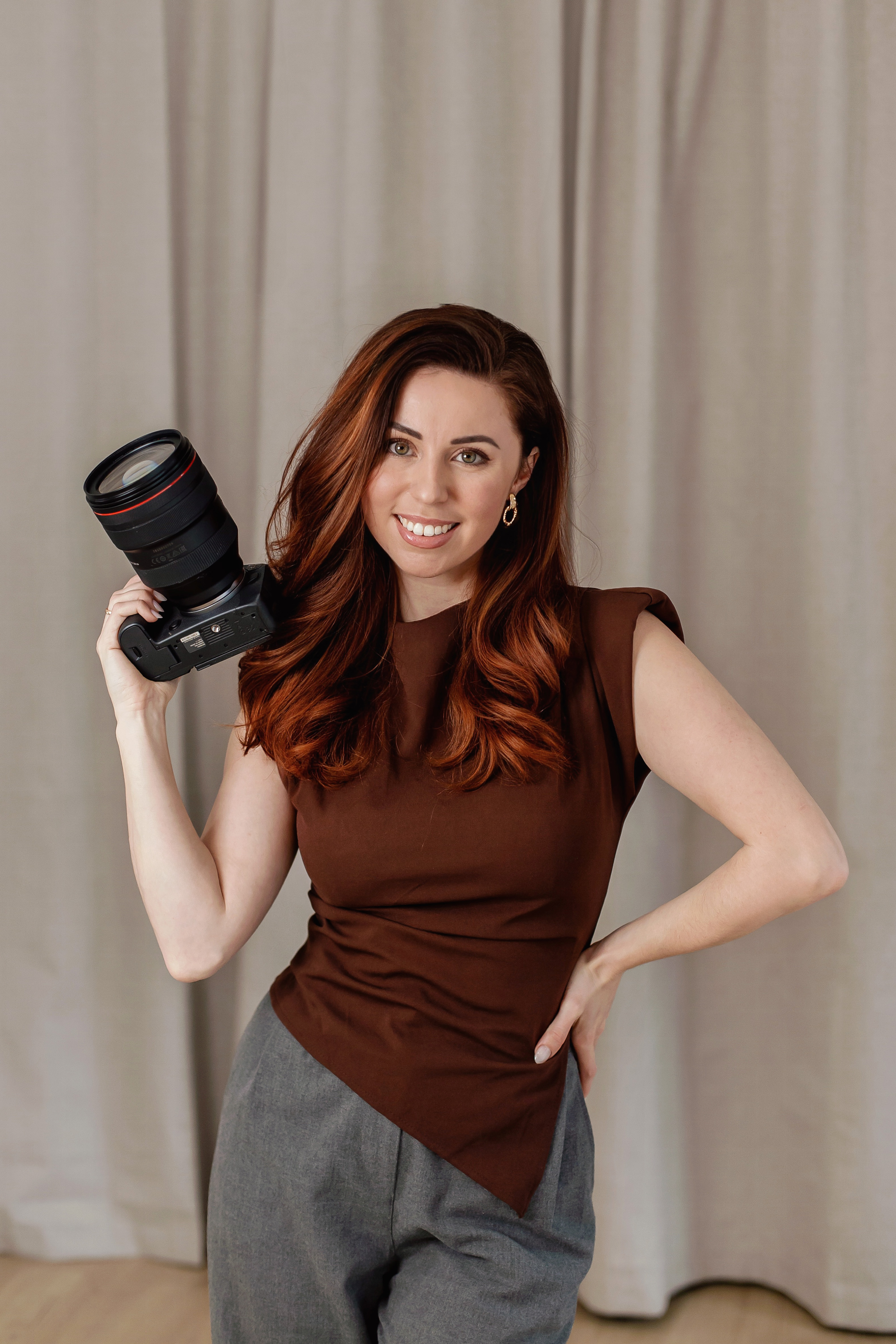
Photographer · England
Professional wedding, family and portrait photographer based in England. Passionate about capturing authentic emotions and timeless moments.
About Yana →mindfulness teacher brand photography UKmeditation teacher headshot UKmindfulness coach brand photosmeditation instructor photography UKwellness coach brand photography Cambridgemindfulness teacher brand images UK
Business Headshots — Corporate Headshot Photography in Cambridge & England
Corporate photography with Yana Skakun covers individual headshots, team portraits, and event documentation — all delivered with the same consistent quality and professional tone. Available in Cambridge and across England for businesses of all sizes. This guide — Brand Photography for Mindfulness and Meditation Teachers: Presence Without Performance — is part of the photography journal: practical, experience-based advice drawn from real sessions across England. Whether you arrived searching for mindfulness teacher brand photography uk or meditation teacher headshot uk, the same care and attention shapes every session Yana photographs.
Corporate Headshot Photography sessions are available year-round, with bookings open across Cambridge, Ely, Huntingdon, Peterborough, and further afield — East England, London, the Midlands, and beyond. If you have specific questions about mindfulness coach brand photos, mention it in your enquiry. Get in touch through the contact form above to check availability and discuss your session. Enquiries are welcomed from anywhere in the UK.
Frequently Asked Questions
What camera settings should I use for outdoor portraits?+
For outdoor portraits, shoot in aperture priority mode. Use a wide aperture (f/1.8–f/2.8) to blur the background and isolate your subject. Keep ISO as low as possible in good light. In bright conditions, use a neutral density filter or switch to manual to avoid overexposure at wide apertures.
What is the golden hour in photography?+
Golden hour is the period roughly 30–60 minutes after sunrise and before sunset. The sun is low in the sky, producing warm, soft, directional light that flatters skin tones and creates beautiful long shadows. It's widely considered the best natural light for portrait and outdoor photography.
How do you get sharp photos in low light?+
In low light, increase your ISO (accepting some grain), use the widest aperture your lens allows, and slow your shutter speed to the slowest you can hand-hold without camera shake (roughly 1/focal length as a guide). Use image stabilisation if available, and consider a tripod for static subjects.
What is the rule of thirds in photography?+
The rule of thirds divides the frame into a 3×3 grid. Placing your subject on one of the four intersection points — rather than dead centre — creates a more dynamic, visually interesting composition. It's a guideline, not a rule: some of the most powerful images break it deliberately.
How do you edit photos to look professional?+
Professional editing starts with shooting in RAW format. In Lightroom or similar software, correct exposure, white balance, and contrast first. Recover shadow and highlight detail. Apply gentle colour grading for mood. Be conservative with skin retouching — the goal is natural enhancement, not transformation. Consistency across a set of images is what separates professional from amateur editing.
Continue Reading
Related Articles
Business Headshots
Why professional business headshots are worth the investment in 2025
7 min read · Read Article
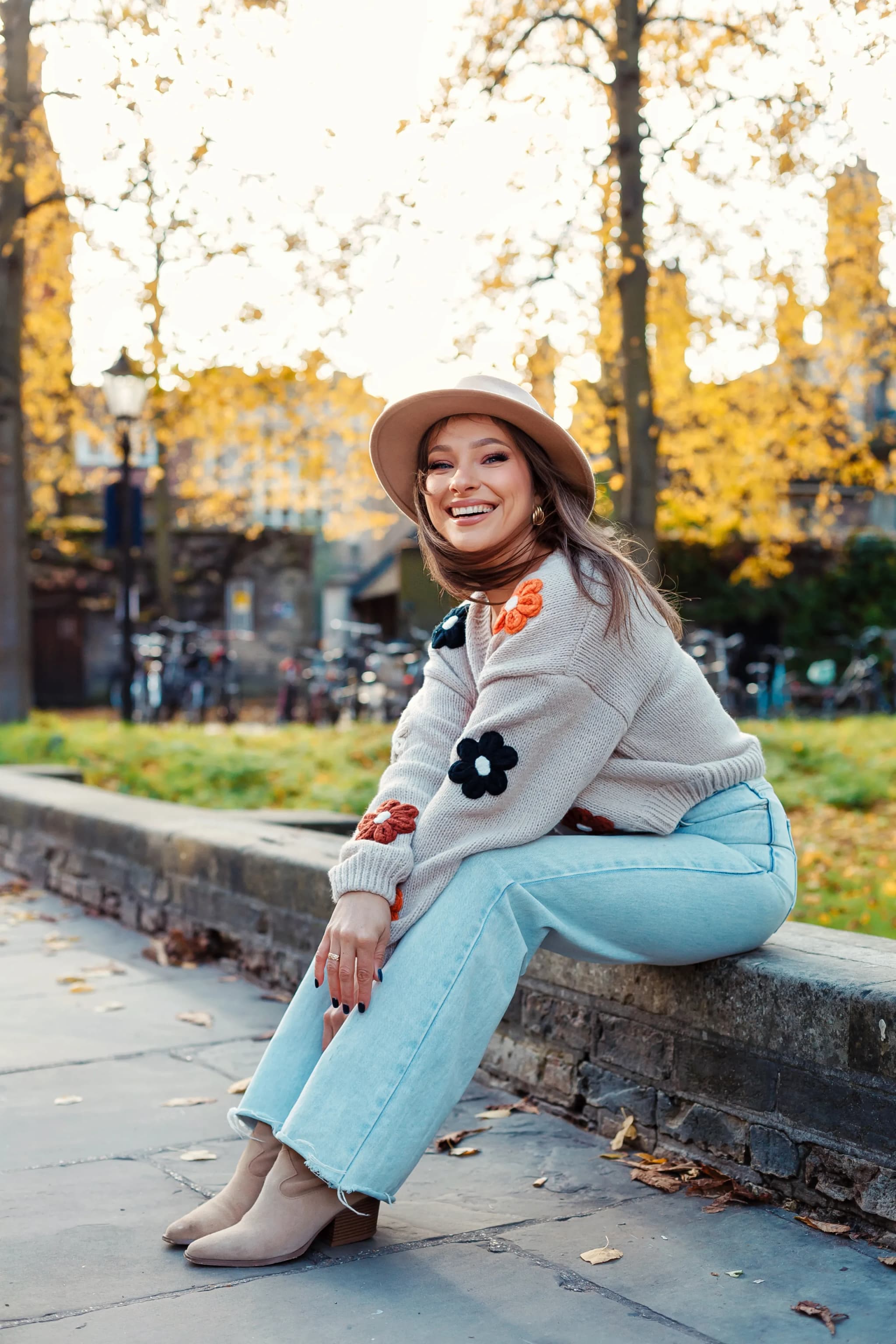
Business Headshots
The complete corporate headshot guide: What to expect and how to prepare
7 min read · Read Article
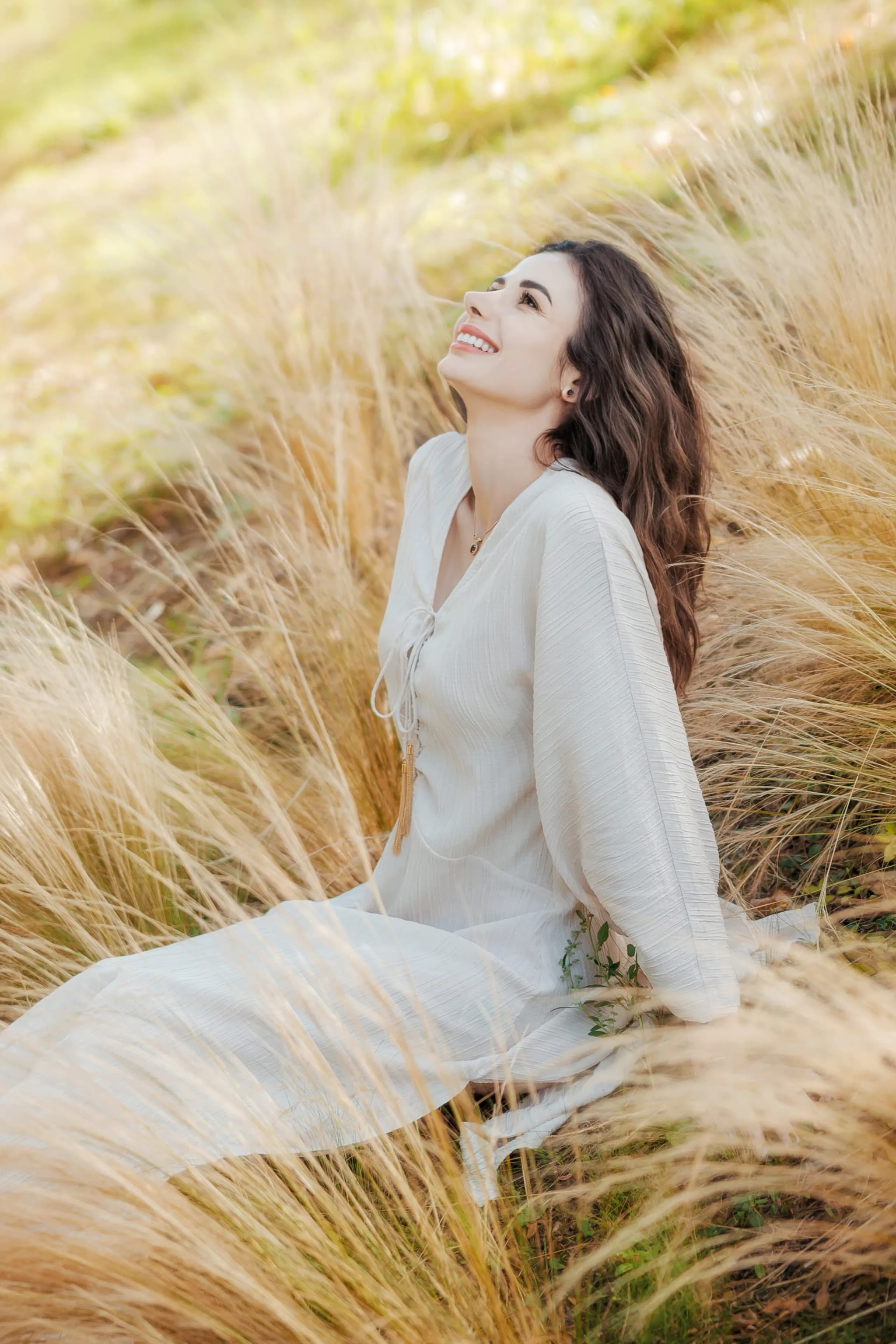
Business Headshots
LinkedIn headshot: What actually makes a profile photo work
7 min read · Read Article
Get in Touch
Ready to Book Your Session?
Get in touch to discuss your vision — I'll reply within 24 hours.