Yana Skakun
Photography Industry Trends 2027 UK: What's Changing
By Yana Skakun·3 October 2026·7 min read
Every January I find myself fielding some version of the same question from clients booking ahead: what is actually changing in photography at the moment, and does it affect what I should ask for? It is a fair question. The UK photography market in 2027 is moving through several shifts at once — AI has swallowed a large share of the generic commercial and stock work, client expectations around speed and communication have hardened, and there is a growing premium on photographers who can demonstrate genuine local knowledge rather than a portfolio that could have been shot anywhere. None of this is abstract industry commentary from where I sit. It changes how I plan a wedding day, how I schedule newborn sessions, and how I talk to a solicitor or academic about what a corporate headshot actually needs to do for them. This piece is my honest read on where things stand, written from inside a working studio based in Cambridge rather than from a trend report.
Why AI Has Changed the Value of Human Photography, Not Ended It
The most visible shift over the past couple of years has been in commercial and stock photography, where AI-generated imagery now covers a huge amount of ground that used to require a photographer, a location, and a model. Generic lifestyle shots, product backgrounds, illustrative imagery for blog posts — a great deal of that work has simply migrated to generative tools, and it is not coming back. I do not think that is worth pretending otherwise about.
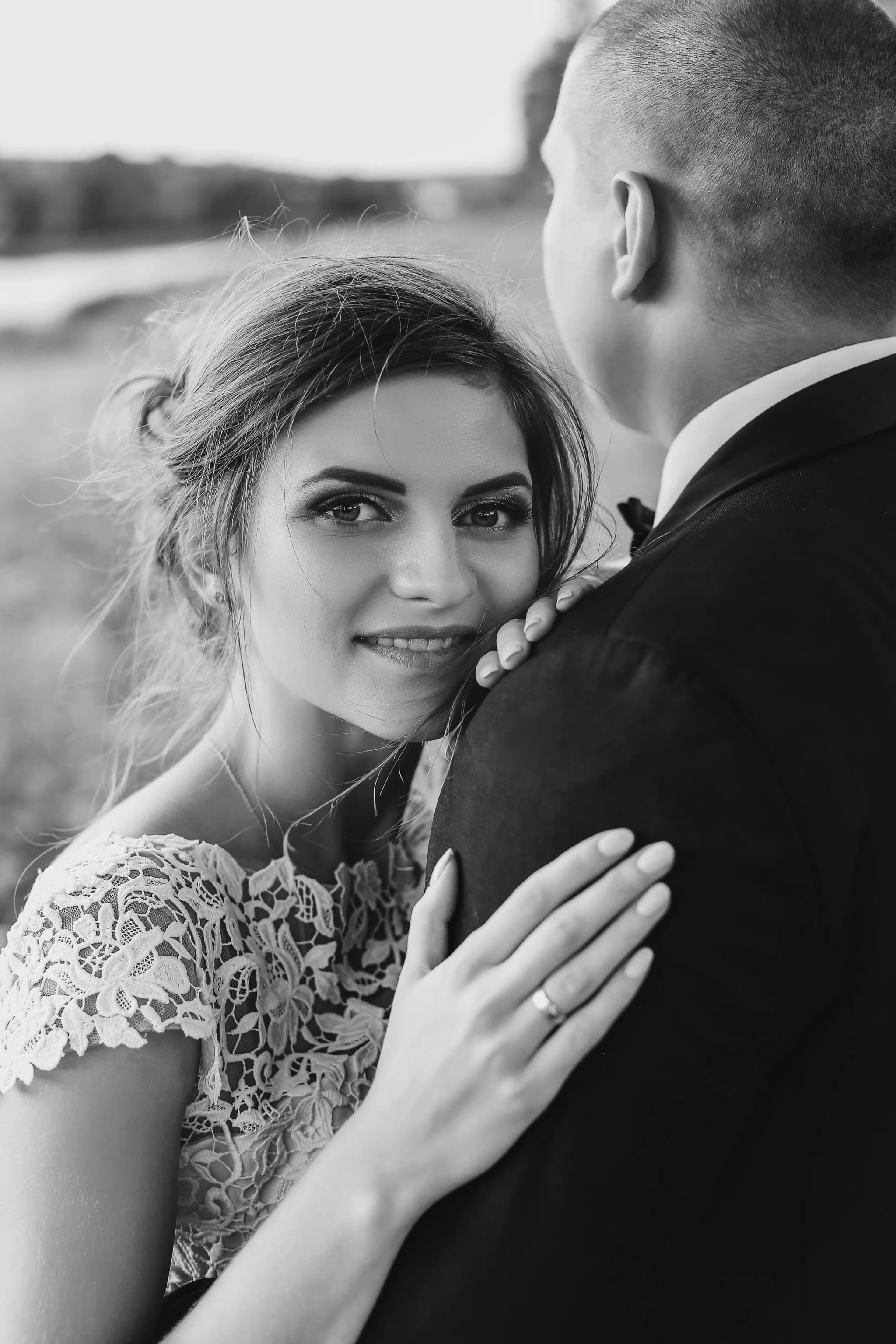
What has not migrated, and I would argue cannot migrate in any way that matters, is anything that depends on a real relationship between photographer and subject at a real moment in time. A newborn session captures a baby who exists, at an age that lasts about ten days, in a home that is actually theirs. A wedding photograph captures the specific way two specific people looked at each other during their actual ceremony, not an approximation of what a wedding looks like. A corporate headshot captures how a real solicitor or academic or founder actually presents themselves, with all the small asymmetries and genuine expressions that make a face recognisable rather than generic. AI cannot photograph something that has not happened yet to people who are real. That distinction is, if anything, becoming more valuable precisely because so much visual content around it is now synthetic. Clients notice the difference, even when they cannot always articulate why.
The practical upshot for anyone booking a photographer in 2027 is that the categories of work worth paying a premium for have narrowed and sharpened. Bespoke, personal, occasion-based photography — newborn, maternity, family, wedding, and considered personal branding — is where working photographers are concentrating, and it is where the quality gap between a professional and a phone photo, or a professional and a generic AI image, is most obvious.
Authenticity and Local Knowledge as a Genuine Selling Point
There is a specific kind of local knowledge that only comes from actually working in a place repeatedly, and I think it has become more valuable rather than less as the wider visual landscape has become more generic. Knowing that the light in the University Botanic Garden is different in late afternoon than it is at midday, knowing which room at a particular Cambridge venue catches the best window light for bridal preparation, knowing which weeks in October the beech woodland at Wandlebury peaks — none of that is available from a stock library or a generative prompt. It comes from years of actually being on the ground with a camera in specific places, in specific weather, at specific times of year.
Clients increasingly ask about this directly. Where a few years ago the question was almost always "can you shoot my wedding on this date," I now more often hear questions like "do you know this venue" or "have you shot at this house before." That is a meaningful shift. It suggests people are consciously choosing photographers on the basis of contextual, local expertise rather than treating photography as an interchangeable commodity service. For a Cambridge and East Anglia-based practice, that plays to a genuine strength — a decade of working the same colleges, the same market towns, the same village churches and barns and gardens builds a depth of knowledge that is difficult for a photographer parachuting in from elsewhere to match on a single booking.
Faster Delivery, Clearer Communication
Client patience for long turnaround times has genuinely shortened, and I think this is fair rather than something to resist. For corporate headshots in particular, same-week delivery has moved from a nice-to-have to something close to an expectation — a new hire needs a LinkedIn photo before their start date, a firm updating its website wants the full set turned around before the next board meeting. I have restructured how I schedule headshot sessions specifically to meet this, batching editing immediately after a shoot rather than letting it queue behind other work.
For weddings and family sessions, the expected window remains longer — typically a few weeks rather than days, because the volume of images and the care taken over each edit genuinely needs that time. But even there, clients want to know where things stand. A sneak peek of a handful of images within a day or two of a wedding, a clear timeline communicated up front rather than a vague "you'll hear from me soon," and a proper online gallery rather than a slow email attachment — these have gone from nice extras to baseline expectations. Photographers who communicate proactively about timing are noticeably outperforming those who leave clients wondering, regardless of how good the actual images turn out to be.
Specialism Over Generalism
One of the clearer shifts I have noticed, both in my own enquiries and in conversation with other photographers, is that clients increasingly search for a specialist rather than a generalist. Someone looking for newborn photography wants to see a portfolio full of newborns, shot with the particular calm, patience, and safety awareness that newborn work demands — not a single newborn gallery buried among weddings, pets, and product shots. Someone booking corporate headshots for a whole firm wants to see evidence of having shot professional headshots at volume, with a consistent, flattering, on-brand style across a full team, not a generalist portfolio with two headshots in it.
This has pushed me, and I think many photographers working seriously in this market, toward deliberately structuring a practice around a defined set of genres rather than accepting any booking that comes in. It is a better outcome for clients too. A photographer who shoots newborns every week has a depth of practical technique — how to soothe a baby, how to pose safely, how to work quickly during the narrow window before a feed is needed — that a generalist simply will not have built up. The same logic applies to wedding photography, where knowing how a day actually unfolds, where the light will be at each stage, and how to work discreetly during a ceremony is the product of repetition, not talent alone.
Photography built around real moments
Newborn, maternity, family, wedding, and corporate headshot photography based in Cambridge, working across East Anglia and the wider UK. If you are planning ahead for 2027 and want to talk through dates, availability, or what a session actually involves, I would be glad to hear from you.
Get in touch about 2027 datesHow Clients Are Researching and Choosing Photographers
The path from first thinking about a photographer to actually making an enquiry has changed shape. Clients now typically arrive at a first message already having looked through a full portfolio, read reviews, checked a website for pricing signals, and often compared two or three photographers before making contact. The enquiry itself is frequently more specific than it used to be — not "do you do weddings" but "I saw your gallery from a wedding at this type of venue, can you tell me about your approach to the ceremony." That means the quality and clarity of a photographer's own web presence matters more than ever, because a huge amount of the decision-making now happens before any conversation takes place.
Trust signals have become correspondingly more important. Genuine Google reviews, a portfolio that is consistent in style and genuinely representative of recent work rather than the best ten images from a decade, clear information about what a session or wedding package actually includes, and a visibly fast, personal response to enquiries — these all weigh heavily now. A photographer with excellent work but a dated or unclear website, or a slow reply to enquiries, is very often losing bookings that never even reach the stage of a conversation. It is a somewhat unglamorous truth, but the business side of photography now genuinely rewards clarity and responsiveness as much as it rewards artistic skill.
Social platforms have shifted role as well. Instagram remains useful for visual discovery — people still scroll and save images that catch their eye — but direct engagement there has declined, and a growing share of actual bookings now originate from Google search, Google Business listings, and word-of-mouth referral rather than social media alone. Repeat clients matter enormously in this environment too. A family who books a newborn session and returns for milestone photographs, first birthdays, and later family sessions, or who refers a friend after a wedding, represents a far more valuable and far less costly relationship than a one-off booking acquired through paid promotion. I try to make it easy and natural for that kind of ongoing relationship to happen, rather than treating every session as a single transaction.
The Cambridge and East Anglia Market Specifically
The local market here reflects these national trends with some distinctive characteristics of its own. Cambridge has an unusually high concentration of professionals — academics, researchers, solicitors, consultants, and founders of growing companies — who need genuinely good headshots and personal branding photography, often on a schedule dictated by conference deadlines, new roles, or funding rounds rather than a leisurely timeline. The university ecosystem also generates steady demand for graduation portraits, academic profile photography, and early-career headshots that need to look credible on a CV or a departmental webpage.
On the family side, the villages and market towns surrounding Cambridge — along the guided busway, out towards Saffron Walden and the wider South Cambridgeshire countryside — have a strong base of families who value considered, unhurried family and newborn photography and are willing to book well ahead for it. Wedding demand concentrates heavily in the spring-through-autumn months, with the region's well-known venues — historic colleges, converted barns, country house grounds — setting an expectation of photography that matches the setting rather than working against it. Understanding these local rhythms, not just the national picture, is what actually shapes how I plan a working year.
None of this changes what has always mattered most in photography, which is being genuinely present with the people in front of the camera and making images that will still mean something in twenty years. What has changed is the context around that work — who you are competing with for attention, how quickly people expect to hear back, and how much local, specific knowledge now counts as a real point of difference rather than a nice extra. If you are thinking ahead to 2027, whether that is a wedding date, a newborn session around a due date, or headshots for a growing team, I would rather talk it through properly than leave you guessing at availability — get in touch and we can work out what makes sense for your timeline.
Yana Skakun
Photographer · England
Professional wedding, family and portrait photographer based in England. Passionate about capturing authentic emotions and timeless moments.
About Yana →photography trends 2027 ukuk photography industry 2027professional photography changes 2027photo industry forecast 2027
Photography Tips — Professional Photography in Cambridge & England
Yana Skakun is a professional photographer based in Cambridge, specialising in wedding, family, and portrait photography across England. Every session is personal — planned around your story, your people, and the moments that matter most. This guide — Photography Industry Trends 2027 UK: What's Changing — is part of the photography journal: practical, experience-based advice drawn from real sessions across England. Whether you arrived searching for photography trends 2027 uk or uk photography industry 2027, the same care and attention shapes every session Yana photographs.
Professional Photography sessions are available year-round, with bookings open across Cambridge, Ely, Huntingdon, Peterborough, and further afield — East England, London, the Midlands, and beyond. If you have specific questions about professional photography changes 2027, mention it in your enquiry. Get in touch through the contact form above to check availability and discuss your session. Enquiries are welcomed from anywhere in the UK.
Frequently Asked Questions
What camera settings should I use for outdoor portraits?+
For outdoor portraits, shoot in aperture priority mode. Use a wide aperture (f/1.8–f/2.8) to blur the background and isolate your subject. Keep ISO as low as possible in good light. In bright conditions, use a neutral density filter or switch to manual to avoid overexposure at wide apertures.
What is the golden hour in photography?+
Golden hour is the period roughly 30–60 minutes after sunrise and before sunset. The sun is low in the sky, producing warm, soft, directional light that flatters skin tones and creates beautiful long shadows. It's widely considered the best natural light for portrait and outdoor photography.
How do you get sharp photos in low light?+
In low light, increase your ISO (accepting some grain), use the widest aperture your lens allows, and slow your shutter speed to the slowest you can hand-hold without camera shake (roughly 1/focal length as a guide). Use image stabilisation if available, and consider a tripod for static subjects.
What is the rule of thirds in photography?+
The rule of thirds divides the frame into a 3×3 grid. Placing your subject on one of the four intersection points — rather than dead centre — creates a more dynamic, visually interesting composition. It's a guideline, not a rule: some of the most powerful images break it deliberately.
How do you edit photos to look professional?+
Professional editing starts with shooting in RAW format. In Lightroom or similar software, correct exposure, white balance, and contrast first. Recover shadow and highlight detail. Apply gentle colour grading for mood. Be conservative with skin retouching — the goal is natural enhancement, not transformation. Consistency across a set of images is what separates professional from amateur editing.
Continue Reading
Related Articles

Photography Tips
Photography Gift Vouchers: The Most Personal Present You Can Give
5 min read · Read Article
Photography Tips
Photo Books vs Photo Albums: What Is the Difference and Which Is Better?
5 min read · Read Article
Photography Tips
Photo Gift Ideas: Turning Professional Images into Meaningful Presents
5 min read · Read Article
Get in Touch
Ready to Book Your Session?
Get in touch to discuss your vision — I'll reply within 24 hours.