Yana Skakun

Portrait Photography for the Over 60s: You Deserve Beautiful Photos Too
By Yana Skakun·10 July 2026·8 min read
There is a strange gap in the photography world. Newborns get photographed within days of arriving. Toddlers get birthday sessions every year. Brides get an entire industry built around a single day. And then, somewhere around retirement age, most people simply stop appearing in front of a camera at all — except in the background of someone else's photo, or in the blurry, badly lit snaps taken on a relative's phone at Christmas. If you are over 60 and cannot remember the last time you had a photograph taken that you actually liked, you are not unusual. You are, in fact, the norm. But that does not mean it should stay that way.
Why This Age Group Gets Overlooked — and Why It Matters
Part of the reason is cultural. Portrait photography has, for decades, been marketed almost entirely at young families and milestone events: engagements, weddings, newborns, school photos. There is very little in the way of "just because" photography aimed at people in their sixties, seventies, and beyond, unless it is explicitly tied to an anniversary or a big birthday. Part of it is personal. Many people over 60 tell me, often within the first few minutes of a conversation, some version of "I don't really photograph well" or "I'd rather be behind the camera than in front of it." Decades of being the one who always takes the family photos, never the one in them, becomes a habit that is hard to break.
But here is the thing families quietly know and rarely say out loud until it is too late: the photographs of grandparents, parents, and older relatives are the ones that end up mattering most. They are the ones pulled out at funerals, printed for order of service cards, framed on mantelpieces, shared in group chats on birthdays. A good portrait of someone at 65 or 75 is not vanity. It is documentation of a person as they actually were — their real face, their real expression, their real character — rather than a decade-old holiday snap that is the last decent photo anyone can find.
What to Expect from a Session
A portrait session for someone over 60 is, in practical terms, not very different from any other portrait session — but the pacing and the conversation are different. I generally allow more time than I would for a younger sitter, not because anything takes physically longer, but because the best images tend to come once someone has relaxed into the process, and that relaxation often takes a little longer to arrive for people who are genuinely unused to being photographed on purpose.
We usually start with some simple, low-pressure shots just to get comfortable with the camera being there, then move into a mix of posed and semi-directed images where I am giving gentle guidance rather than rigid instructions. I am watching for the moments between the poses — the real smile that appears after a shared joke, the thoughtful look that comes when someone is asked about something they genuinely care about, the way someone's whole face changes when a grandchild's name comes up. Those unscripted moments are almost always stronger than anything deliberately posed, and a good part of my job is simply creating the conditions for them to happen and being ready when they do.
Sessions can be indoors in natural light near a window, outdoors in a garden or a favourite local spot, or in a studio setting if that is preferred. I always ask what feels most comfortable rather than defaulting to a single format, because comfort translates directly into how relaxed someone looks in the final images.
Addressing the "I Don't Photograph Well" Worry Honestly
I hear this concern more from people over 60 than from any other age group, and I want to be straightforward about it rather than simply dismissing it. Ageing changes how faces look in photographs, and pretending otherwise would be dishonest. But the solution is not to hide from the camera — it is to work with a photographer who understands how light, angle, and genuine expression interact with an older face, because the technical approach that flatters a 30-year-old is not always the one that flatters a 70-year-old.
Softer, more diffused light is generally more forgiving than harsh direct light, which is one reason I favour overcast days outdoors or window light indoors for this kind of work. Slightly lower camera angles, rather than shooting sharply down at someone, tend to be more flattering. And critically, genuine expression does more for a portrait than any amount of careful lighting — a warm, real smile or a relaxed, thoughtful expression will always outperform a stiff, self-conscious pose, regardless of age. My job is to get past the self-consciousness quickly enough that the real person shows up in front of the lens.
I do light retouching on all delivered images — the same as I would for a bride or a professional headshot client — addressing things like stray hairs, temporary blemishes, or distracting background elements. What I do not do is smooth away the lines and character that come from a life actually lived. A portrait that erases every trace of age does not look like the person's family and friends know them, and it tends to look uncanny rather than flattering. The goal is a photograph that looks like a very good version of the actual person, not an artificially youthful stranger.
Not sure where to start?
Some of the most rewarding sessions I do are ones booked by an adult child for a parent, or a spouse for their partner, as a gift rather than something the sitter arranged themselves. If you are thinking about a session for yourself, a parent, or a grandparent and are not sure what format would suit best, I am happy to talk it through with no obligation.
Get in touchSolo Portraits, Couples, and Multigenerational Sessions
A session does not have to be a solo portrait. Some of the most requested versions of this kind of photography are actually pairs and groups: a couple marking a significant wedding anniversary, siblings coming together for a joint portrait as a gift for their parents, or a full grandparents and grandchildren session that captures a bond most families only otherwise photograph informally and briefly. If there are several generations involved, a proper portrait session gives you something far more considered and lasting than a hurried phone photo taken at a family gathering, where someone is inevitably squinting, mid-blink, or looking the wrong way.
Couples in particular often find these sessions surprisingly moving. After decades together, many couples have very few photographs of just the two of them — most images from recent years include children, grandchildren, or a whole extended family. A dedicated portrait of a long-married couple, with nothing else in the frame, tends to become one of the most treasured images a family owns, precisely because it does not exist anywhere else in their collection.
Choosing a Location and Setting
Location matters more for this kind of portrait than people often expect. A garden someone has tended for thirty years, a favourite armchair by a window, a local park walked every week, or a spot with genuine personal meaning will almost always produce a more resonant image than a generic studio backdrop, precisely because the setting says something true about the person. That said, a simple studio or plain-background portrait has its own value — it ages well, works for framing and printing at any size, and puts the full focus on the face without any distraction.
For anyone in or around Cambridge, I am happy to talk through location options during initial planning, whether that is a home visit, a favourite outdoor spot, or a simple indoor setup using natural window light, which is often the single most flattering and least complicated option for portraits of this kind.
How to Prepare for a Session
Preparation for this type of session is genuinely simple, and I would rather people arrive relaxed than over-prepared. A few practical notes that make a real difference: wear something you feel comfortable and like yourself in, rather than something bought specifically for the occasion and never worn before — unfamiliar clothing tends to show in body language. Solid colours generally photograph better than busy patterns. If you wear glasses day to day, wear them for the session; a portrait without them can look subtly unlike the person everyone actually knows, and modern lighting techniques handle glare from lenses well.
If the session is a gift arranged by someone else, a short conversation beforehand between the person booking and the person being photographed helps enormously — not to spring a surprise, but so the sitter arrives knowing roughly what to expect and does not feel ambushed by a camera on the day. The sessions that go best are the ones where the person being photographed is genuinely willing, even if a little nervous, rather than one where they have been talked into it against their preference.
A Word on Timing
I say this as gently and honestly as I can, because it is the single most common thing families say to me after the fact: nobody ever regrets booking a portrait session too early. Health changes, mobility changes, and simple life circumstances shift faster than any of us expect, and the photograph you meant to get around to "at some point" can very quickly become one you wish you had booked a year or two sooner. This is not meant as pressure — it is meant as the plain truth from someone who has had more than one conversation with a family wishing they had photographed a parent or grandparent while there was still time, and comfort, and good light to do it properly.
If you have been meaning to book something for a while — for yourself, for a parent, for a grandparent, for a couple marking a milestone — treat this as the nudge to actually do it, rather than waiting for a perfect, more convenient moment that may not arrive on the same schedule you are imagining.
Portrait photography for people over 60 is not a niche favour or an afterthought — it deserves the same care, the same attention to light and expression, and the same honest, unhurried approach as any other portrait work. Yana Skakun Photography is based in Cambridge and available for sessions across the UK, whether that is a solo portrait, a couple's session, or a wider multigenerational gathering. You can see general session formats and current pricing, read more about my approach, or simply get in touch to talk through what would suit you or the person you are hoping to photograph.
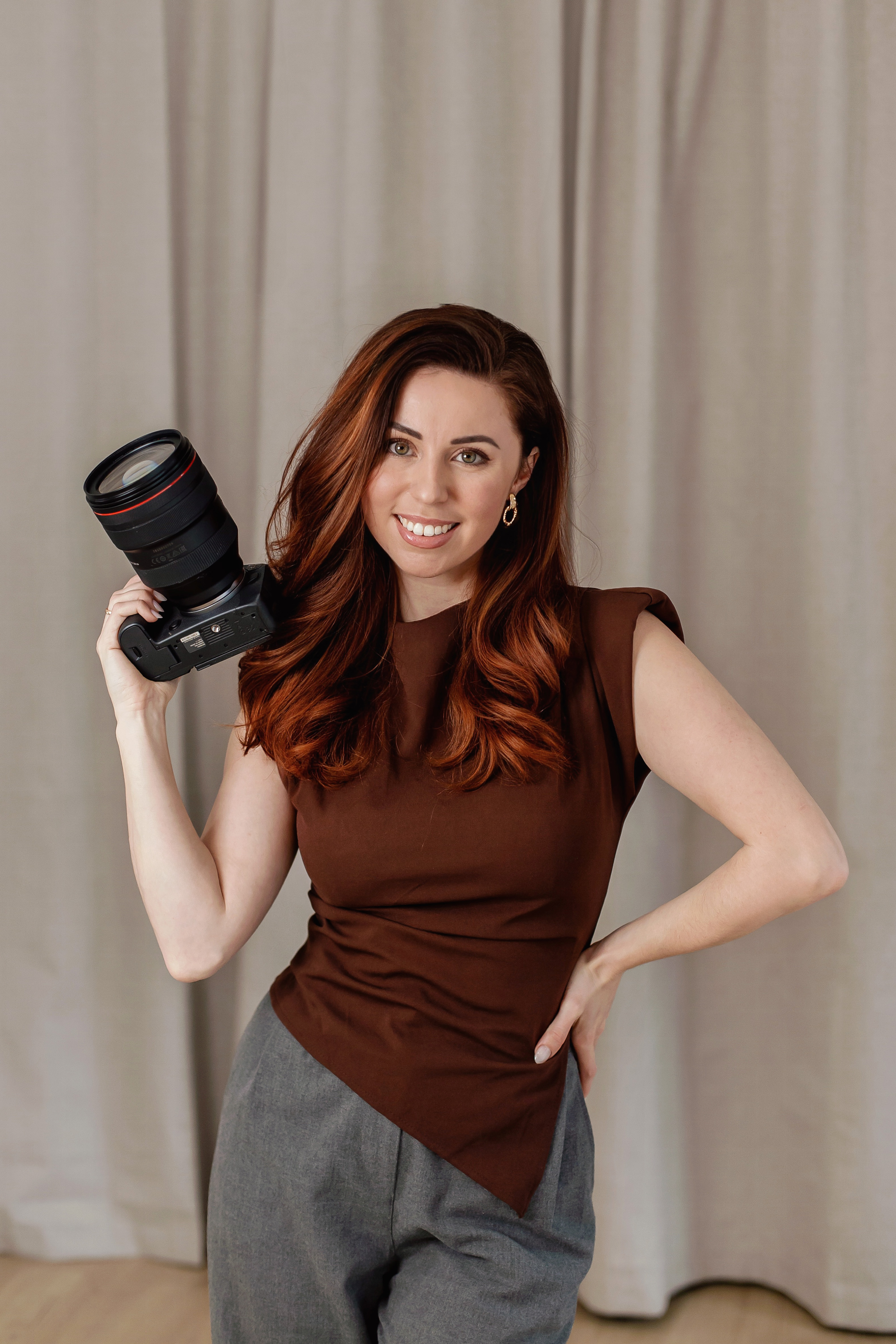
Yana Skakun
Photographer · England
Professional wedding, family and portrait photographer based in England. Passionate about capturing authentic emotions and timeless moments.
About Yana →portrait photography over 60older adults photographysenior portrait photographergrandparent portrait sessionelderly portrait Cambridgeportrait photography for seniors UK
Family Tips — Family Photography in Cambridge & England
Yana Skakun offers natural, relaxed family photography sessions across Cambridge, Cambridgeshire, and the wider East of England. Sessions take place outdoors — in parks, woodland, and countryside — or at your family home, wherever everyone feels most at ease. This guide — Portrait Photography for the Over 60s: You Deserve Beautiful Photos Too — is part of the photography journal: practical, experience-based advice drawn from real sessions across England. Whether you arrived searching for portrait photography over 60 or older adults photography, the same care and attention shapes every session Yana photographs.
Family Photography sessions are available year-round, with bookings open across Cambridge, Ely, Huntingdon, Peterborough, and further afield — East England, London, the Midlands, and beyond. If you have specific questions about senior portrait photographer, mention it in your enquiry. Get in touch through the contact form above to check availability and discuss your session. Enquiries are welcomed from anywhere in the UK.
Frequently Asked Questions
How do you prepare children for a family photoshoot?+
Keep it low-key beforehand — don't over-explain or build it up too much. Make sure children are fed and rested. Bring a snack and a favourite toy or comfort item. Let them warm up at their own pace rather than forcing poses from the start. The best family photos happen when children forget there's a camera.
What should a family wear for photos?+
Choose a colour palette — 2–3 complementary tones — rather than identical outfits. Earthy neutrals, blues and greens, or cream and blush all work beautifully outdoors. Avoid large logos, neon colours, and very small patterns that create visual noise. Dress for the location and season, and make sure everyone is comfortable.
When is the best time for an outdoor family photoshoot?+
The golden hour — the first hour after sunrise or the last hour before sunset — gives the softest, warmest light. Overcast days are also excellent: the cloud acts as a natural diffuser, eliminating harsh shadows. Midday summer sun is the most challenging light to shoot in.
How long does a family photography session take?+
Most family sessions last 45–75 minutes. Mini sessions (30–40 minutes) work well for smaller families and toddlers who have shorter attention spans. Larger extended family groups may need 90 minutes to cover everyone comfortably.
How many photos will I get from a family photoshoot?+
A standard 60-minute family session typically produces 30–60 edited images delivered in a private online gallery. Mini sessions deliver 15–25 images. All images are colour-corrected, naturally edited, and ready for printing.
Continue Reading
Related Articles

Family Tips
Blended Family Photography: A Sensitive Guide to Step-Families, Co-Parenting & Group Portraits
11 min read · Read Article
Family Tips
Baby Milestone Photography: Capturing Every Stage of the First Year
10 min read · Read Article
Family Tips
Maternity Photography in England: When to Book, What to Wear & Where to Shoot
11 min read · Read Article
Get in Touch
Ready to Book Your Session?
Get in touch to discuss your vision — I'll reply within 24 hours.