Yana Skakun
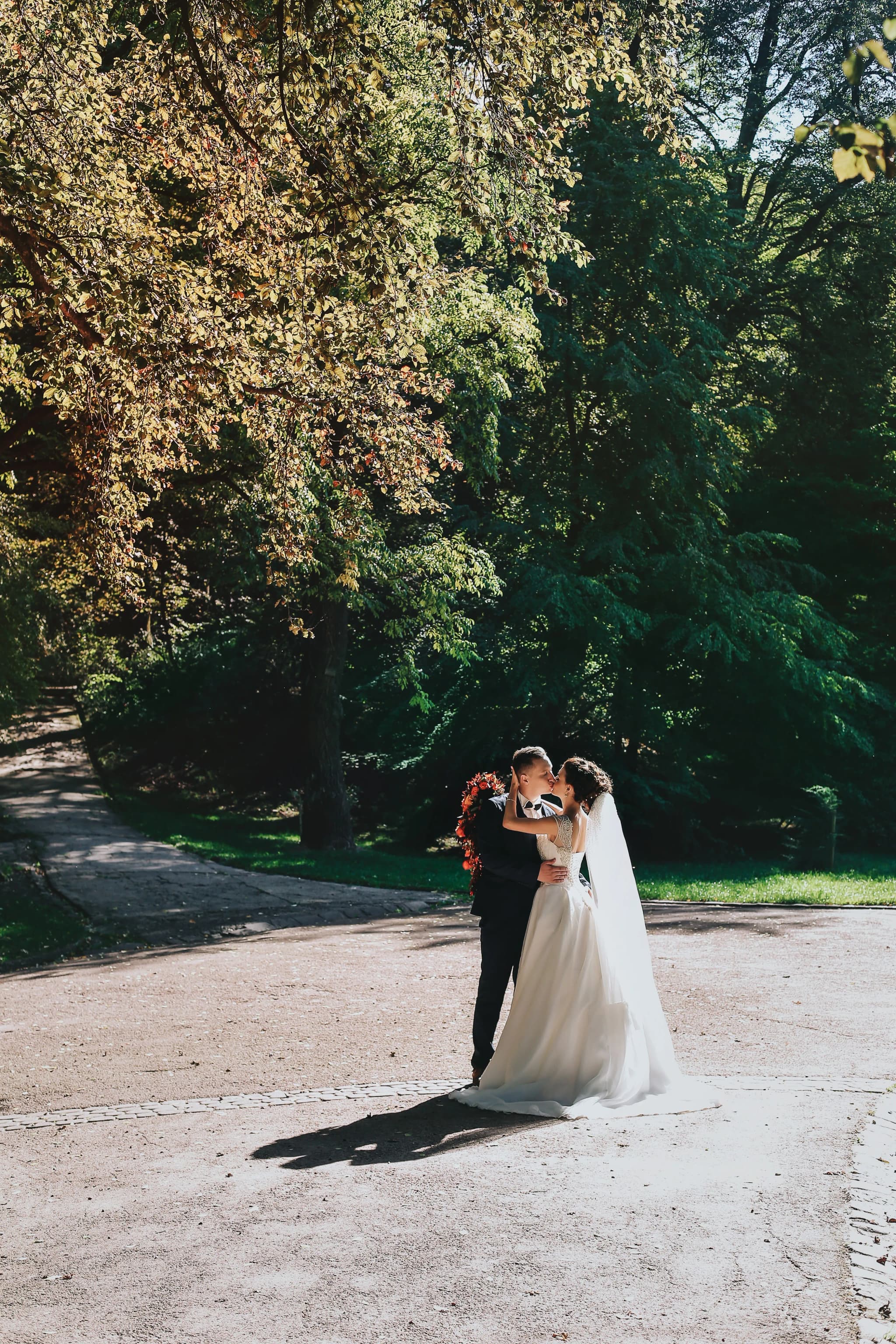
Provence Lavender Wedding Photography: Valensole, Sénanque Abbey and the Luberon
By Yana Skakun·22 April 2026·7 min read
Provence lavender fields are one of the most powerful and immediately recognisable landscape backdrops in all of European photography. The rows of purple lavender converging to the horizon, the stone farmhouse or mas in the background, and the piercing Provençal summer light create images of singular beauty. The lavender season is brief — typically three to four weeks in July — which makes lavender wedding and elopement photography a seasonal event that requires planning and flexible dates.
The Lavender Season in Provence
Lavender (Lavandula angustifolia) in Provence typically blooms from late June through to mid-July in the Valensole Plateau and Luberon, and slightly later (mid-July to early August) at higher altitudes in the Verdon Gorge area and around Sault. The exact season varies by 7–10 days depending on the year's winter and spring temperatures. Harvest (when the fields are cut) begins from around 15 July in the lower areas and extends to early August at altitude.
- ◆Valensole Plateau: The largest continuous lavender-growing area in France — a broad flat plateau above the Durance Valley. The combination of scale (thousands of hectares), with Mont Ventoux and the pre-Alps visible in the background, and the characteristic stone bastide farmhouses, produces the most expansive and dramatic lavender photography.
- ◆Luberon area (Sénanque Abbey, Gordes): Abbaye Notre-Dame de Sénanque — a 12th-century Cistercian abbey in a remote Luberon valley with lavender fields planted around it — is the most reproduced single lavender image in Provence. The combination of ancient stone monastery with the purple-blue of lavender and the grey limestone hills behind it is extraordinary. Visiting before 9am on weekdays is essential; it becomes crowded later.
- ◆Sault (higher altitude): The market town of Sault at 770m altitude has somewhat later lavender bloom — into early August when the lower altitude fields have already been harvested. A fallback for couples who miss the lower altitude peak season.
- ◆Plateau de Albion: A high plateau at 1,100m between Sault and Banon, with late-season lavender and views to Mont Ventoux. Less visited than Valensole or Sénanque in the peak season.
Photography Conditions in Lavender Fields
Photographing in lavender fields requires specific light conditions to capture the colour at its best. The purple-blue of lavender under harsh midday sun becomes flat and washed out — the colour saturation is highest in the soft light of early morning (within the first two hours after sunrise) and in the golden hour before sunset. Overcast light produces well-saturated but soft, mood-driven lavender photography. The combination of a warm stone farmhouse or abbey wall in the background with the cool purple of the lavender in the foreground is at its most vivid in the slanted light of morning and evening.
Practical note: Access to lavender fields on French farms requires permission from the landowner — the fields are someone's crop, not a public garden. Many Valensole Plateau farmers have fenced areas and charge a small entry fee for photography access. Driving down a row of lavender or picking without permission is explicitly prohibited and damages the crop. Enquire with the property in advance for a dawn access session.
Combining Lavender with Provence Villages
The lavender photography works best combined with Provence's distinctive hillside villages for variety across a two-day session: Gordes (the most spectacular of the Luberon's perched stone villages), Roussillon (a village built of red ochre stone in a cliff of red ochre quarry), Les Baux-de-Provence (a ruined medieval fortress on a limestone ridge), and the market towns of Apt and Forcalquier. The pale limestone and terracotta architecture against lavender purple is a complementary colour palette that makes Provence wedding photography distinctive.
Provence Lavender Wedding and Elopement Photography
Lavender season photography in Provence requires advance planning — the season is short and the best dates have high demand. I travel to Provence in July for lavender elopement sessions and destination weddings. Enquire well in advance for July bookings.
Enquire About Provence Lavender Photography
Yana Skakun
Photographer · England
Professional wedding, family and portrait photographer based in England. Passionate about capturing authentic emotions and timeless moments.
About Yana →Provence lavender wedding photographerValensole wedding photographySénanque Abbey wedding photosdestination wedding Provence Francelavender field elopement
Destination Weddings — Professional Photography in Cambridge & England
Yana Skakun is a professional photographer based in Cambridge, covering weddings, families, and portraits across England. Every session is personal — planned around your story, your people, and the moments that matter most. This guide — Provence Lavender Wedding Photography: Valensole, Sénanque Abbey and the Luberon — is part of the photography journal: practical, experience-based advice drawn from real sessions across England. Whether you arrived searching for provence lavender wedding photographer or valensole wedding photography, the same care and attention shapes every session Yana photographs.
Professional Photography sessions are available year-round, with bookings open across Cambridge, Ely, Huntingdon, Peterborough, and further afield — East England, London, the Midlands, and beyond. If you have specific questions about sénanque abbey wedding photos, mention it in your enquiry. Get in touch through the contact form above to check availability and discuss your session. Enquiries are welcomed from anywhere in the UK.
Frequently Asked Questions
What camera settings should I use for outdoor portraits?+
For outdoor portraits, shoot in aperture priority mode. Use a wide aperture (f/1.8–f/2.8) to blur the background and isolate your subject. Keep ISO as low as possible in good light. In bright conditions, use a neutral density filter or switch to manual to avoid overexposure at wide apertures.
What is the golden hour in photography?+
Golden hour is the period roughly 30–60 minutes after sunrise and before sunset. The sun is low in the sky, producing warm, soft, directional light that flatters skin tones and creates beautiful long shadows. It's widely considered the best natural light for portrait and outdoor photography.
How do you get sharp photos in low light?+
In low light, increase your ISO (accepting some grain), use the widest aperture your lens allows, and slow your shutter speed to the slowest you can hand-hold without camera shake (roughly 1/focal length as a guide). Use image stabilisation if available, and consider a tripod for static subjects.
What is the rule of thirds in photography?+
The rule of thirds divides the frame into a 3×3 grid. Placing your subject on one of the four intersection points — rather than dead centre — creates a more dynamic, visually interesting composition. It's a guideline, not a rule: some of the most powerful images break it deliberately.
How do you edit photos to look professional?+
Professional editing starts with shooting in RAW format. In Lightroom or similar software, correct exposure, white balance, and contrast first. Recover shadow and highlight detail. Apply gentle colour grading for mood. Be conservative with skin retouching — the goal is natural enhancement, not transformation. Consistency across a set of images is what separates professional from amateur editing.
Continue Reading
Related Articles
Destination Weddings
Ireland Wedding Photography Guide: Wild Atlantic Way, Castles and the Emerald Landscape
9 min read · Read Article
Destination Weddings
Loch Lomond Wedding Photography: Scotland's Most Accessible Highland Landscape
7 min read · Read Article
Destination Weddings
Gretna Green Elopement Photography: Scotland's Famous Blacksmith and the Border Village
7 min read · Read Article
Get in Touch
Ready to Book Your Session?
Get in touch to discuss your vision — I'll reply within 24 hours.