Yana Skakun
Rustic Wedding Photography Guide: Barns, Natural Materials and Warm Light
By Yana Skakun·20 May 2026·6 min read
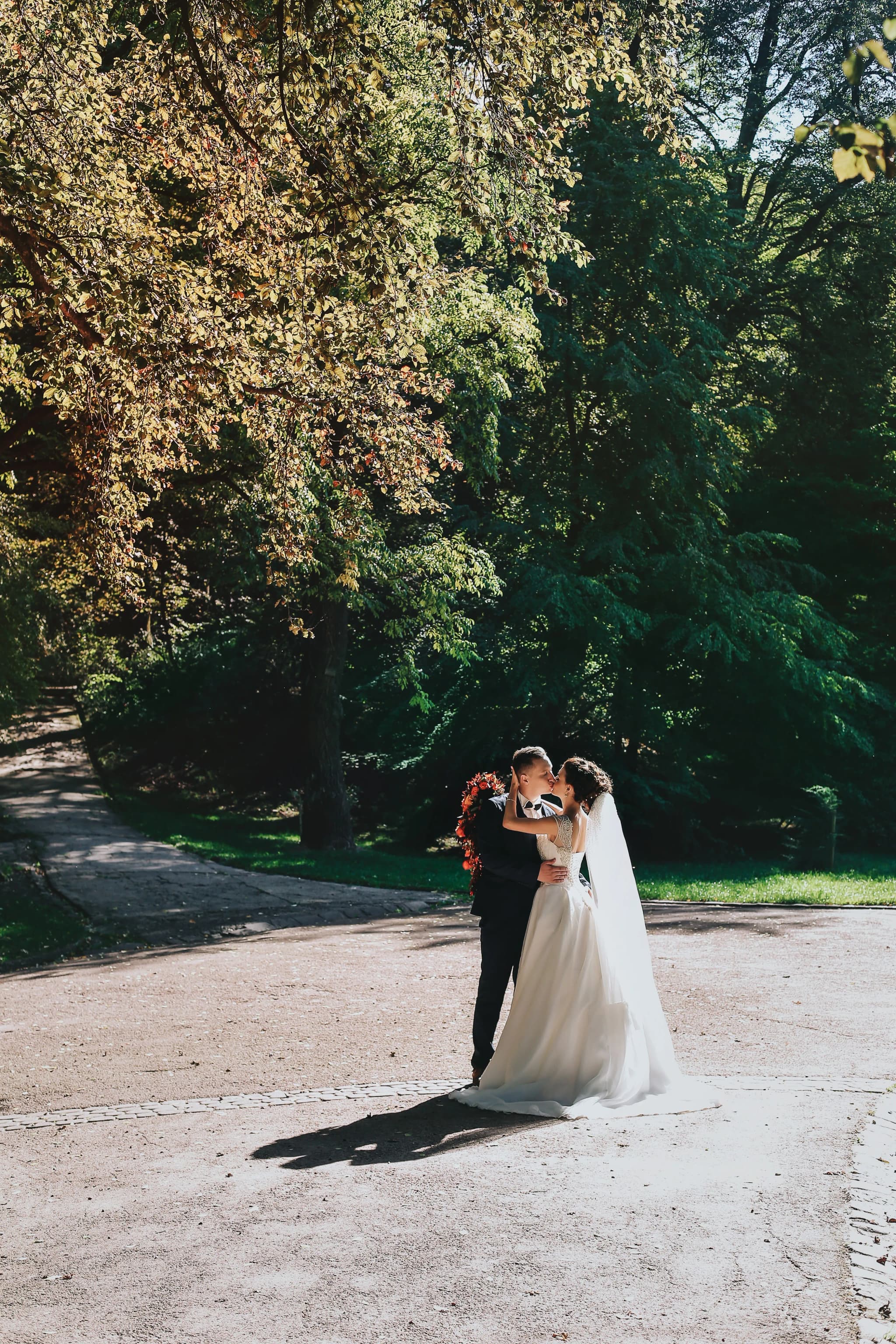
Rustic wedding photography is defined by natural materials, warm light, and venues that have history and texture built into their walls. Converted barns, stone farmhouses, and tithe halls — the character of these spaces provides a ready-made backdrop that works photographically without elaborate additional styling. This guide covers what makes rustic wedding venues so well-suited to photography, how to work with the aesthetic, and the best rustic wedding locations in the UK.
Why Rustic Venues Photograph So Well
- ◆Textural variety: Raw stone, aged timber beams, brick, terracotta, and iron — these materials create immediate visual depth and interest. A wall of exposed stone or a ceiling of original oak beams requires nothing additional to be compelling in photography.
- ◆Warm light behaviour: The warm, amber tones that define rustic aesthetics are reinforced by how candles and fairy lights interact with natural materials. Candlelight photographed against warm stone is completely different to candlelight photographed against white plaster walls.
- ◆Natural exterior settings: Rustic venues are typically set in agricultural or parkland settings — fields, orchards, hedgerows, stone walls. Portrait locations available immediately outside do not require travel and are inherently consistent with the wedding's aesthetic.
- ◆Authentic character: Rustic venues have a history that is visible and tactile — they feel different from purpose-built function rooms, and this comes through in photographs. The patina of old buildings is immediate, honest, and impossible to replicate.
The Rustic Colour Palette
Rustic wedding photography is typically warm-toned — natural, earthy colours that reflect the materials and seasons. The palette varies slightly by season but the underlying warmth is consistent:
- ◆Autumn (September–November): The strongest season for rustic photography. Copper, amber, rust, deep green, terracotta. Foliage turning, harvest light, late afternoon sun low and warm.
- ◆Summer (June–August): Warmer greens, wildflowers, hay bales (if harvest timing aligns), soft evening light lasting until 9–10pm, which suits the golden rustic palette.
- ◆Spring (March–May): Fresh green, blossom, early wildflowers. The light is cleaner and cooler than autumn but sympathetic to natural materials.
- ◆Winter (December–February): Bare branches, frost on fields at dawn, candlelight, fireplace warmth indoors. The most cinematic season for rustic photography if you work with interior light sources.
Best UK Regions for Rustic Wedding Venues
The Cotswolds remain the most recognised rustic wedding destination in England — honey-coloured limestone, stone barns, and thatched buildings concentrated in a small area. Prices reflect the demand.
East Anglia (Norfolk, Suffolk, Cambridgeshire) offers comparable rural character at lower cost — converted granaries, medieval tithe barns, and farm complexes with open agricultural landscapes. The flatness of the fenland creates spectacular skies that add an additional dimension to outdoor photography.
Notable Rustic Wedding Venues — East England
- ◆Chippenham Park, Cambridgeshire — walled garden and Georgian estate farmland
- ◆Bassmead Manor Barns, Cambridgeshire — converted medieval barns, stone and timber
- ◆Hales Hall, Norfolk — 15th-century great barn, arguably the finest medieval barn in England
- ◆Redhouse Barn, Worcestershire — stone threshing barn with original beams
- ◆Smeetham Hall Barn, Suffolk — converted flint barn in the Suffolk countryside
- ◆Alpheton Hall Barns, Suffolk — Georgian thatched barn complex
Photography Approach at Rustic Venues
Rustic barns often present a specific lighting challenge: the interiors are dark, lit by a combination of fairy lights, church candles, and the ambient light from doors and high windows. The contrast range is wide and the overall light levels are low. A photographer comfortable with low-light and mixed artificial light is essential. Flash used poorly will destroy the atmosphere completely — the correct approach balances ambient light preservation with subtle supplemental light when needed.
Rustic Wedding Photography in Cambridgeshire
East Anglia's converted barns and farm venues are some of the most photographically rewarding in England. I have worked at many of the region's most distinctive rustic wedding venues and know how to use their natural materials and light to full photographic advantage.
Enquire About Your Rustic Wedding
Yana Skakun
Photographer · England
Professional wedding, family and portrait photographer based in England. Passionate about capturing authentic emotions and timeless moments.
About Yana →rustic wedding photographybarn wedding photographer UKrustic wedding venues East Angliarustic barn wedding photosCambridge rustic wedding photographer
Wedding Styles — Professional Photography in Cambridge & England
Yana Skakun is a professional photographer based in Cambridge, covering weddings, families, and portraits across England. Every session is personal — planned around your story, your people, and the moments that matter most. This guide — Rustic Wedding Photography Guide: Barns, Natural Materials and Warm Light — is part of the photography journal: practical, experience-based advice drawn from real sessions across England. Whether you arrived searching for rustic wedding photography or barn wedding photographer uk, the same care and attention shapes every session Yana photographs.
Professional Photography sessions are available year-round, with bookings open across Cambridge, Ely, Huntingdon, Peterborough, and further afield — East England, London, the Midlands, and beyond. If you have specific questions about rustic wedding venues east anglia, mention it in your enquiry. Get in touch through the contact form above to check availability and discuss your session. Enquiries are welcomed from anywhere in the UK.
Frequently Asked Questions
What camera settings should I use for outdoor portraits?+
For outdoor portraits, shoot in aperture priority mode. Use a wide aperture (f/1.8–f/2.8) to blur the background and isolate your subject. Keep ISO as low as possible in good light. In bright conditions, use a neutral density filter or switch to manual to avoid overexposure at wide apertures.
What is the golden hour in photography?+
Golden hour is the period roughly 30–60 minutes after sunrise and before sunset. The sun is low in the sky, producing warm, soft, directional light that flatters skin tones and creates beautiful long shadows. It's widely considered the best natural light for portrait and outdoor photography.
How do you get sharp photos in low light?+
In low light, increase your ISO (accepting some grain), use the widest aperture your lens allows, and slow your shutter speed to the slowest you can hand-hold without camera shake (roughly 1/focal length as a guide). Use image stabilisation if available, and consider a tripod for static subjects.
What is the rule of thirds in photography?+
The rule of thirds divides the frame into a 3×3 grid. Placing your subject on one of the four intersection points — rather than dead centre — creates a more dynamic, visually interesting composition. It's a guideline, not a rule: some of the most powerful images break it deliberately.
How do you edit photos to look professional?+
Professional editing starts with shooting in RAW format. In Lightroom or similar software, correct exposure, white balance, and contrast first. Recover shadow and highlight detail. Apply gentle colour grading for mood. Be conservative with skin retouching — the goal is natural enhancement, not transformation. Consistency across a set of images is what separates professional from amateur editing.
Get in Touch
Ready to Book Your Session?
Get in touch to discuss your vision — I'll reply within 24 hours.