Yana Skakun
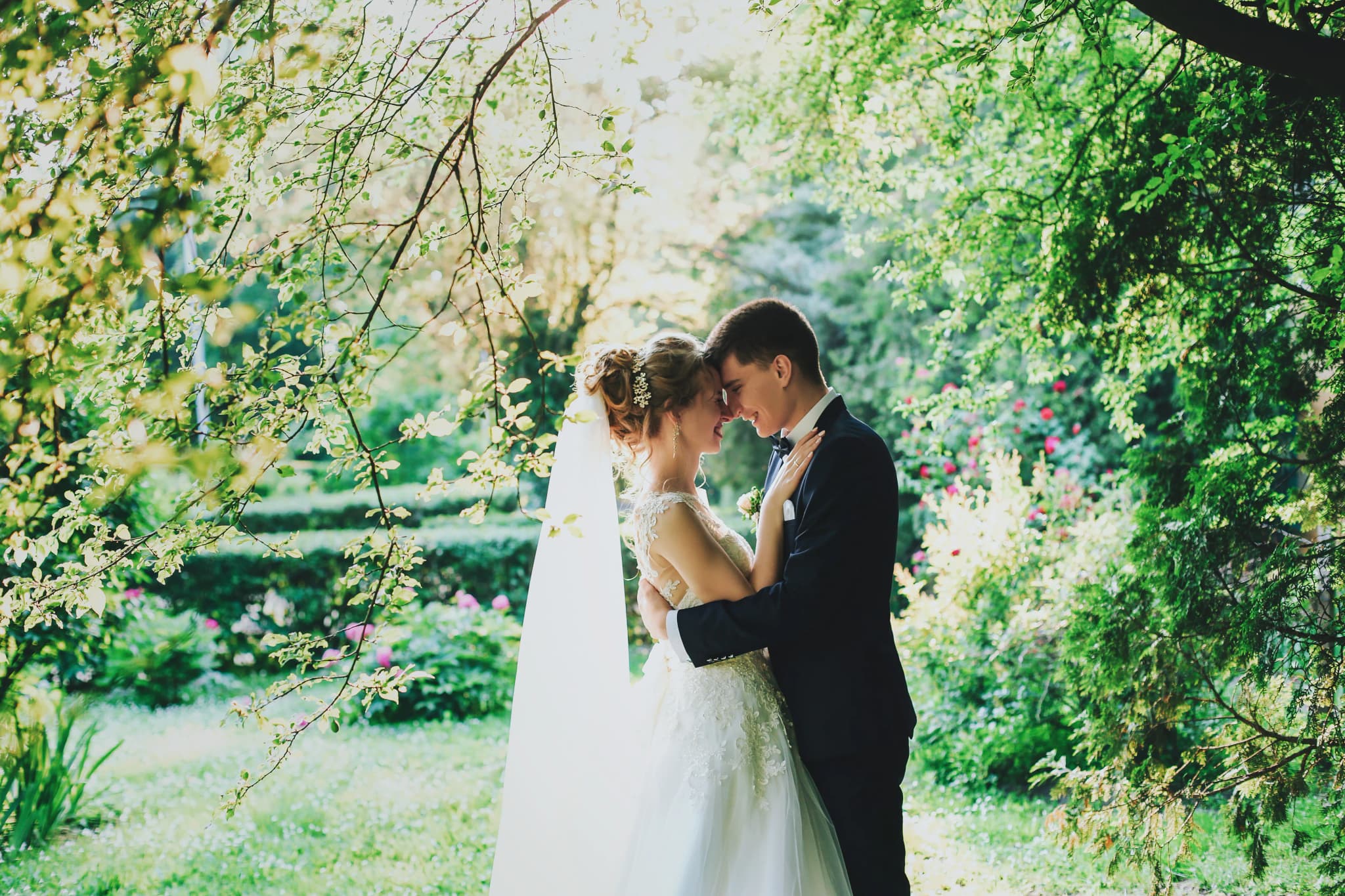
How to feel confident at a photo session: A complete preparation guide
By Yana Skakun·4 August 2026·8 min read
Almost every client who books a portrait session with me says some version of the same sentence within the first few minutes: "I should warn you, I am not photogenic." I hear it from confident, accomplished people — solicitors, business owners, academics at the University, parents who run entire households — people who are perfectly at ease in every other part of their lives. Being in front of a camera is a strange, specific kind of exposure, and almost nobody arrives at it feeling naturally comfortable. What I have learned over years of running portrait sessions is that on-camera confidence is not a fixed trait some people have and others lack. It is a skill, built from preparation, direction, and a bit of practice within the session itself, and it is available to absolutely anyone who is willing to try.
Why the Camera Feels So Exposing
There is a good psychological reason photo sessions provoke nerves that almost nothing else in daily life does. Most of us go through our entire lives without ever seeing ourselves as other people see us. We know our reflection, which is mirrored and static, and we know quick phone snapshots, usually taken from unflattering angles with harsh light and no direction. A professional portrait session asks you to sit with a version of yourself — captured properly, from the front, held still for the camera to study — that most people have simply never encountered before. The anxiety is not vanity. It is the discomfort of an unfamiliar mirror, and the fear that whatever it shows will confirm the least generous thing you already believe about your own face.
There is also a social-performance element. Being looked at deliberately, for an extended period, by someone whose entire job is to notice your face, triggers the same self-consciousness most people feel when they know they are being watched in a meeting or on a video call — except stretched out over thirty or sixty minutes instead of a few seconds. Understanding that this reaction is close to universal, rather than a personal failing, is often the first and most useful thing I can offer a nervous client before we have even picked up the camera.
Preparing in the Days Before Your Session
Confidence on the day starts well before the day. Sleep matters more than most people expect — a poor night's sleep shows in the eyes and in the ease of an expression in a way that is very hard to direct around. I encourage clients to prioritise a proper night's rest in the two days before a session rather than relying on concealer to compensate on the morning itself. Staying well hydrated across the preceding days genuinely changes how skin catches light; it is a small thing but a real one.
Decide on your outfit well in advance, ideally by trying it on and moving around in it — sitting, raising your arms, walking — rather than simply holding it up and assuming it will work. Clothing that pulls, gapes, or needs constant adjustment becomes a distraction that shows in your face throughout the session, because part of your attention stays on the discomfort instead of on being present. If hair or make-up is being done professionally, build in more time than you think you need, so the walk into the session itself is unhurried rather than a dash from one appointment to the next.
Arriving fifteen minutes early rather than exactly on time makes a disproportionate difference. It gives you a few minutes to settle, have a cup of tea, and let your nervous system catch up with where your body already is, rather than starting the first frames while your heart rate is still elevated from the journey.
What to Wear When You Want to Feel Like Yourself
The single most reliable piece of advice I give clients is this: wear something you have already worn and felt good in, not something bought specifically for the session and untested. A new outfit can look perfect on a hanger and feel completely wrong once you are standing in it for an hour, and that discomfort is very difficult to hide once you know it is there. Bring two or three options if you are unsure, and make the final decision once you are dressed and can see and feel how each one sits.
Solid colours in mid-tones generally photograph better than busy patterns or logos, which pull attention away from your face and can date an image quickly. Beyond that, the most important factor is not a specific colour or cut but whether the outfit is one you associate with feeling capable and at ease — the clothes you reach for on a day when you already feel good tend to be the right choice for a portrait session too.
What Actually Happens During the Session
Direction is the difference between an awkward photograph and a confident one, and it is the photographer's job to provide it, not the client's job to arrive already knowing how to pose. Through a session I am giving continuous, small adjustments — turn slightly this way, drop your shoulders, chin forward and down a touch, think about something that makes you smile rather than just smiling on command. None of this requires modelling experience. It requires a willingness to follow instructions and trust that the person behind the camera can see what is and is not working, which you often cannot judge from the inside.
I also find that clients who ask questions during a session end up more relaxed than clients who stay quiet and simply hope for the best. Asking "does this look okay?" or "should I move this way?" turns the session into a collaboration rather than something being done to you. You are always welcome to see images on the back of the camera partway through, to ask for another attempt at something that felt awkward, or to pause for a moment if you need to reset. A relaxed few seconds between set-ups often produces a far more natural expression in the next frame than pushing through when concentration has started to slip.
Movement helps enormously. Static, held poses are where self-consciousness creeps in fastest, because there is nothing to focus on except how you are standing. Walking towards the camera, shifting weight from one foot to the other, laughing at something genuinely said between frames — these produce far more natural results than trying to hold a fixed smile, and they give you something to do with your attention besides worrying about your face.
Sessions built around direction, not just a backdrop
Every portrait session I run includes continuous coaching on posture, expression, and movement — designed specifically for people who do not feel naturally at ease in front of a camera.
Enquire about a portrait sessionMaking Sense of the Images Afterwards
Almost every client tells me, on first seeing their gallery, some version of "this does not look like me" — and almost always they mean it as a compliment. What they are noticing is the difference between a properly lit, well-directed portrait and the flat, unflattering angles most of us are used to seeing of ourselves in phone photos and mirrors. Professional lighting shapes the face rather than flattening it. A longer focal length, generally somewhere in the 85 to 135mm range, compresses features in a way that most people find more flattering than the wide angles built into phone cameras, which distort whatever is closest to the lens. None of this is retouching or trickery — it is simply the accumulated effect of light, lens choice, and genuine expression working together, and it is available to anyone, regardless of whether they think of themselves as photogenic.
It is worth giving yourself a day or two before deciding how you feel about a full gallery. The first viewing, especially for someone who came into the session nervous, can be coloured by the memory of that nervousness rather than by what the images actually show. Clients who look again a few days later, away from the immediate self-consciousness of the session itself, very often find they like far more of the set than they expected to on the first pass.
Confidence Is a Skill, Not a Starting Condition
Every client who has come back for a second or third session over the years has said the same thing: it gets easier. The first session is often the hardest simply because the situation itself is unfamiliar — the second time, you already know what direction feels like, you already know that the awkward middle few minutes pass, and you already have some evidence that the results are worth the discomfort of getting there. Confidence in front of a camera builds the same way any other skill does, through repeated, low-stakes practice, and a good photographer's job is to make that first practice run as gentle and well-guided as possible.
If the idea of a portrait session makes you nervous, that reaction is completely ordinary and not a reason to avoid it — if anything, it is exactly the situation a well-directed, unhurried session is built to handle. I take the time within every session to explain what I am doing and why, to check in on how you are feeling, and to keep adjusting until the images genuinely reflect how you want to be seen rather than how nerves made you feel in the first five minutes. If you would like to talk through what a session with me would involve before committing to anything, get in touch and we can have an honest conversation about it first.
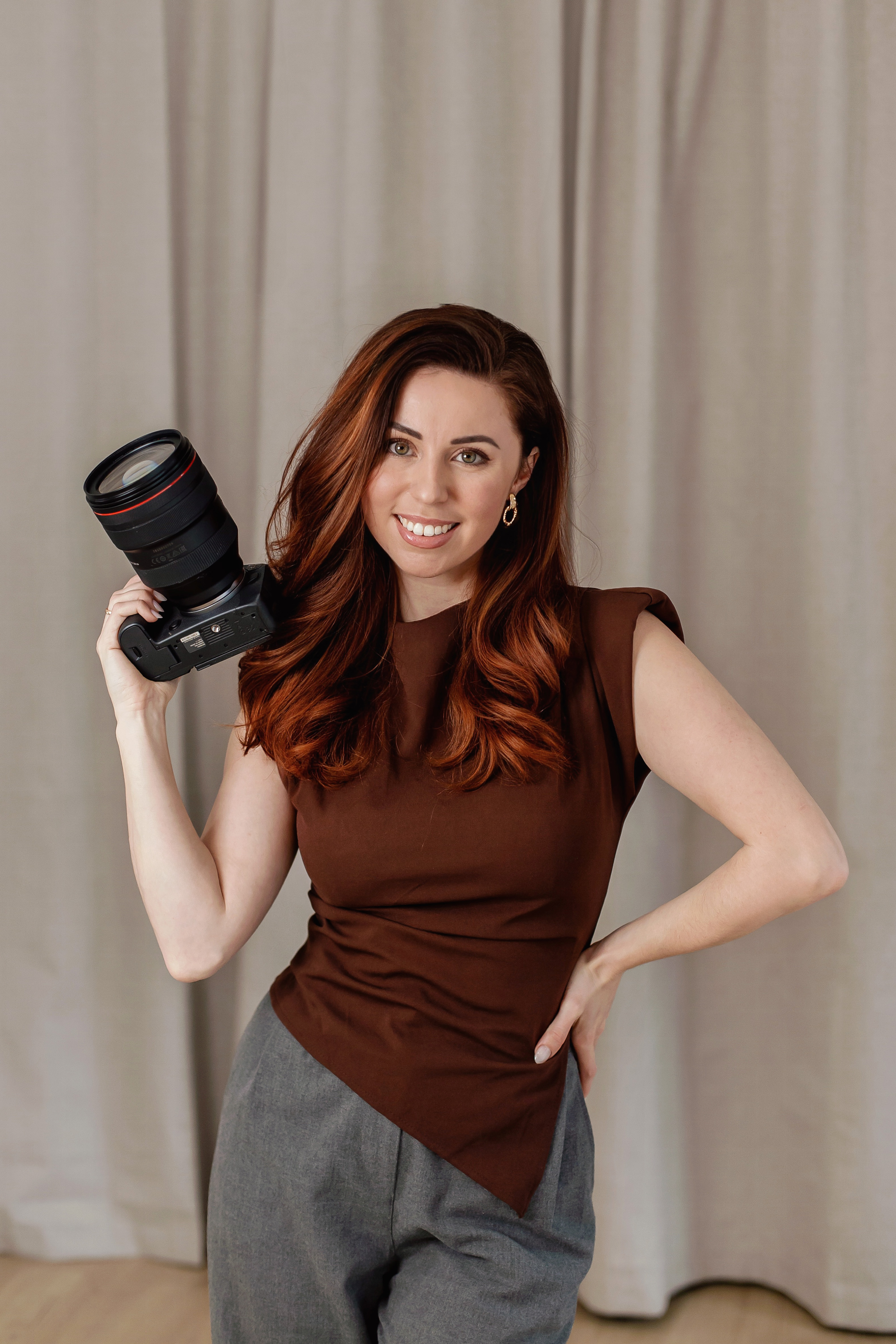
Yana Skakun
Photographer · England
Professional wedding, family and portrait photographer based in England. Passionate about capturing authentic emotions and timeless moments.
About Yana →how to feel confident in photosphoto session preparationnervous about being photographedportrait session tipshow to relax in front of camera
Photography Tips — Professional Photography in Cambridge & England
Yana Skakun is a professional photographer based in Cambridge, specialising in wedding, family, and portrait photography across England. Every session is personal — planned around your story, your people, and the moments that matter most. This guide — How to feel confident at a photo session: A complete preparation guide — is part of the photography journal: practical, experience-based advice drawn from real sessions across England. Whether you arrived searching for how to feel confident in photos or photo session preparation, the same care and attention shapes every session Yana photographs.
Professional Photography sessions are available year-round, with bookings open across Cambridge, Ely, Huntingdon, Peterborough, and further afield — East England, London, the Midlands, and beyond. If you have specific questions about nervous about being photographed, mention it in your enquiry. Get in touch through the contact form above to check availability and discuss your session. Enquiries are welcomed from anywhere in the UK.
Frequently Asked Questions
What camera settings should I use for outdoor portraits?+
For outdoor portraits, shoot in aperture priority mode. Use a wide aperture (f/1.8–f/2.8) to blur the background and isolate your subject. Keep ISO as low as possible in good light. In bright conditions, use a neutral density filter or switch to manual to avoid overexposure at wide apertures.
What is the golden hour in photography?+
Golden hour is the period roughly 30–60 minutes after sunrise and before sunset. The sun is low in the sky, producing warm, soft, directional light that flatters skin tones and creates beautiful long shadows. It's widely considered the best natural light for portrait and outdoor photography.
How do you get sharp photos in low light?+
In low light, increase your ISO (accepting some grain), use the widest aperture your lens allows, and slow your shutter speed to the slowest you can hand-hold without camera shake (roughly 1/focal length as a guide). Use image stabilisation if available, and consider a tripod for static subjects.
What is the rule of thirds in photography?+
The rule of thirds divides the frame into a 3×3 grid. Placing your subject on one of the four intersection points — rather than dead centre — creates a more dynamic, visually interesting composition. It's a guideline, not a rule: some of the most powerful images break it deliberately.
How do you edit photos to look professional?+
Professional editing starts with shooting in RAW format. In Lightroom or similar software, correct exposure, white balance, and contrast first. Recover shadow and highlight detail. Apply gentle colour grading for mood. Be conservative with skin retouching — the goal is natural enhancement, not transformation. Consistency across a set of images is what separates professional from amateur editing.
Continue Reading
Related Articles

Photography Tips
Photography Gift Vouchers: The Most Personal Present You Can Give
5 min read · Read Article
Photography Tips
Photo Books vs Photo Albums: What Is the Difference and Which Is Better?
5 min read · Read Article
Photography Tips
Photo Gift Ideas: Turning Professional Images into Meaningful Presents
5 min read · Read Article
Get in Touch
Ready to Book Your Session?
Get in touch to discuss your vision — I'll reply within 24 hours.