Yana Skakun

Should the Photographer Shoot the Groom Getting Ready Too?
By Yana Skakun·10 July 2026·8 min read
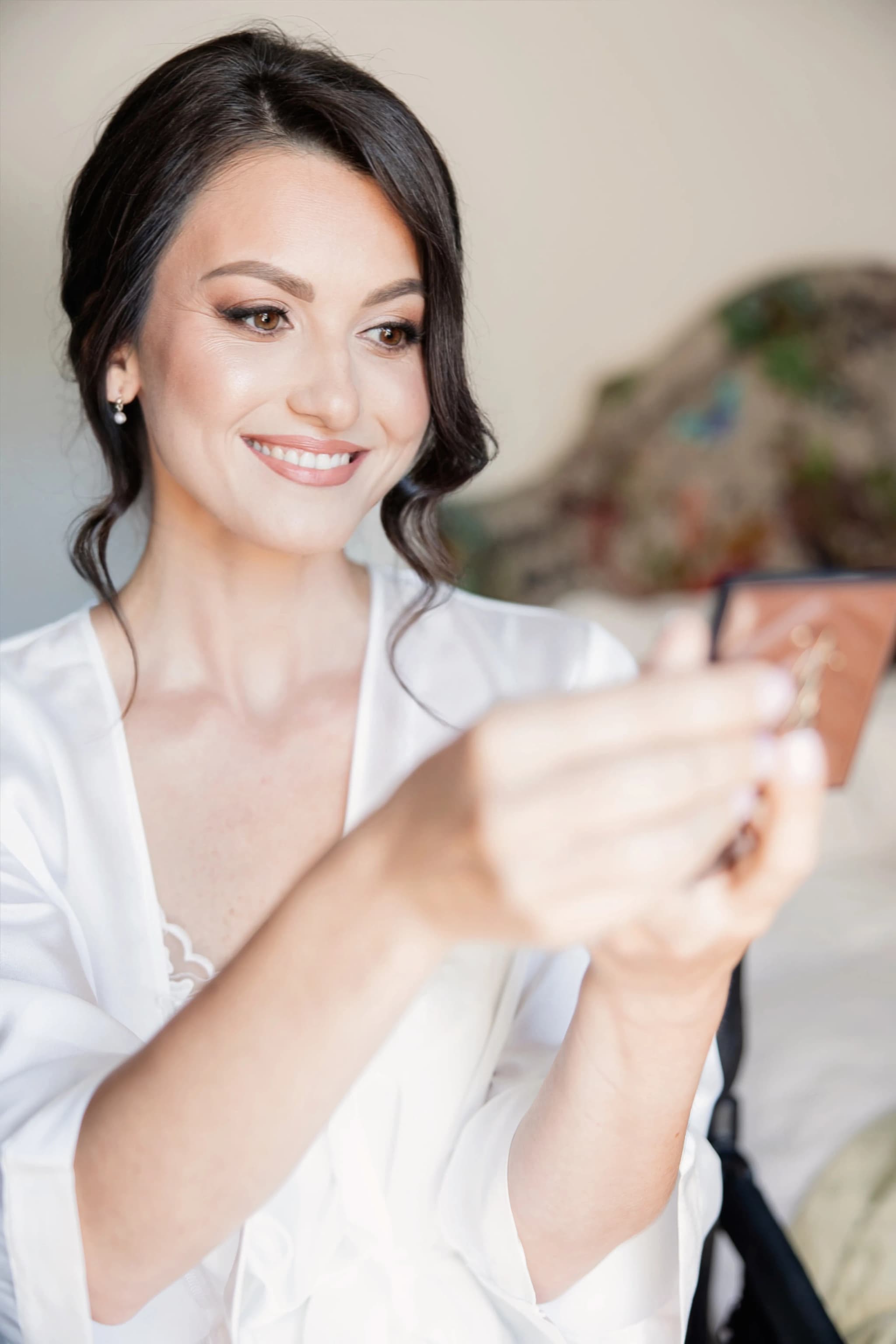
Ask most couples what wedding morning photography looks like and they will describe the bride: dressing gowns, hairpins, a mother fastening the final button on the back of a dress, sunlight coming through a hotel window. Very few couples picture their groom's morning in the same amount of detail, and fewer still book a photographer to be there for it. That is starting to change, and for good reason. Groom getting ready photos have become one of the most requested additions to wedding day coverage over the last few years, and having shot both sides of countless mornings, I think the case for including them is stronger than most couples realise before their wedding.
Why the Groom's Morning Gets Skipped So Often
The imbalance in wedding morning coverage is mostly a matter of history and logistics rather than a considered decision. Traditionally, wedding photography budgets were built around bridal preparation because that is where the dress reveal happens, where the flowers arrive, where the mother-of-the-bride moment takes place, and where hair and makeup naturally create a slow, photogenic build-up over two or three hours. The groom's morning, by comparison, has often been treated as a formality: get dressed, have a coffee, meet the ushers, drive to the venue.
In practice, when couples budget for a single photographer covering only the bride's preparation, the groom's morning is compressed into fifteen or twenty minutes of arrival shots at the ceremony venue — straightening a tie in a car park, a handshake with the best man, maybe a shot of him waiting nervously by the altar. It works, but it tells a much thinner story than the one being told on the other side of the morning.
What Actually Happens During a Groom's Morning
Grooms' mornings are quieter than bridal mornings, but they are rarely uneventful. There is usually a proper breakfast, sometimes cooked by a parent in a family kitchen for the last time before everything changes. There is the ritual of getting dressed — cufflinks, waistcoat, the fumbling process of a bow tie or the satisfaction of a well-tied full Windsor knot. There are the small favours passed around: a father giving a groom the watch he wore at his own wedding, a best man producing the rings from an inside pocket with theatrical seriousness, an aunt appearing with a buttonhole she grew in her own garden.
There is also, almost always, a specific kind of humour that only exists in an all-male or mixed friend group on a wedding morning — nervous jokes, exaggerated toasts with tea instead of whisky because it is still only ten in the morning, someone inevitably being told to sit still while a shirt gets ironed. None of this is staged and none of it repeats itself later in the day. Once it has happened, it is gone, and if no one photographed it, it exists only in memory from that point onwards.
The Emotional Case for Covering It
I have photographed enough grooms' mornings now to say with confidence that the emotional temperature of these mornings is frequently underestimated. Fathers cry watching their sons put on a suit for their wedding day just as often as mothers cry over a daughter in a dress — it simply tends to happen more quietly, in a corner of a room, without anyone drawing attention to it. A best man's speech rehearsal caught candidly through a bedroom doorway, a group of childhood friends going quiet for a moment before the noise starts up again, a groom checking his phone for a message from his partner — these are the images that couples often say mean the most to them once the album arrives, precisely because they had no idea they were being captured.
There is also a fairness argument that more couples are raising themselves. If one half of a couple has two or three hours of considered, unhurried documentary coverage and the other has fifteen minutes of arrival shots, the finished gallery ends up lopsided in a way that can feel slightly deflating for the groom when the two of you sit down to look through everything together months later. Weddings are increasingly planned as a shared project between both partners, and it makes sense for the photography to reflect that same balance.
How I approach groom coverage
When couples book full-day coverage with me, groom preparation is included as standard rather than treated as an add-on. I usually arrive for the last forty-five minutes to an hour of getting ready — enough time to capture the finishing touches, the small rituals, and the walk out the door, without intruding on the earlier, more relaxed part of the morning when nobody particularly wants a camera in the room. If you are planning your wedding day timeline and want to talk through how this would work for your particular morning, I would love to help.
Get in touchSecond Photographer vs. Single Photographer Coverage
The most common way to properly cover both preparations is with a second photographer, and this is one of the clearest cases where the investment pays for itself in the finished gallery. With two photographers, one covers the bride's morning from start to finish while the other joins the groom's side, and both arrive at the ceremony with a complete, parallel record of the morning rather than one detailed thread and one sketch. If you are comparing packages, it is worth looking closely at what is actually included — details on second shooter coverage and timing are usually laid out on a photographer's pricing page, and it is a fair question to ask directly if it is not obvious.
A single photographer can still cover both, but it requires careful timeline planning. Typically this means the photographer starts with whichever preparation is happening first or is geographically closer, spends a defined block of time there, then travels to the second location before the ceremony. It works well when the two getting-ready locations are close together, or when the couple is happy to compress the groom's coverage into a shorter, more targeted window — often the final stages of dressing rather than the whole morning. I always talk this through properly during planning so nobody ends up with a rushed, half-covered morning on either side.
Practical Tips If You Want Groom Getting Ready Photos
A little bit of planning makes a genuine difference to how these images turn out. Choose a room with good natural light if you have any control over it — a bedroom or living room with a window facing away from harsh direct sun works far better than a dim hotel room lit only by an overhead bulb. Keep the space reasonably tidy before the photographer arrives; a room full of coat hangers, coffee cups, and phone chargers on every surface pulls attention away from the people in the frame, and a quick five-minute tidy before anyone starts getting dressed is worth the effort.
Lay out the details in advance if you can — cufflinks, watch, invitation, rings, aftershave, the buttonholes, any family heirlooms being worn or carried. Photographers often build a handful of considered detail shots around these items early in the morning, before things get busy, and having them ready and easy to find saves time that would otherwise be spent searching a suit pocket at the last minute. If there is a meaningful item involved — a grandfather's cufflinks, a hand-written note from a parent, a hip flask that has been passed down through a family — mention it to your photographer directly. These are exactly the kind of details that make morning coverage feel personal rather than generic.
Think, too, about who you want in the room. A getting-ready morning with just the groom and best man photographs very differently to one with a full group of ushers, a father, and assorted family members coming and going. Neither is wrong, but it is worth being honest with yourself about which version you actually want, since it shapes both the mood of the morning and the kind of images that come out of it.
When It Makes Less Sense
Full groom coverage is not universally necessary, and I would rather be honest about that than oversell it to every couple regardless of circumstance. If a groom is getting ready alone in a hotel room twenty minutes before the ceremony with no family or friends present and nothing much happening beyond putting on a suit, there is genuinely limited photographic value in dedicating forty-five minutes of coverage to it. In that situation, a shorter arrival-and-details sequence at the ceremony venue usually captures everything worth capturing, and it makes more sense to put that time and budget toward coverage elsewhere in the day — the ceremony itself, the speeches, or the evening.
Couples having an elopement or intimate wedding with no separate preparation locations at all will naturally skip this question entirely, since there may only be one shared space where everyone gets ready together. In that case the getting-ready coverage is simply whatever happens in that one room, for whoever is in it, and the distinction between bride and groom preparation does not really apply.
How These Images Fit Into the Final Story
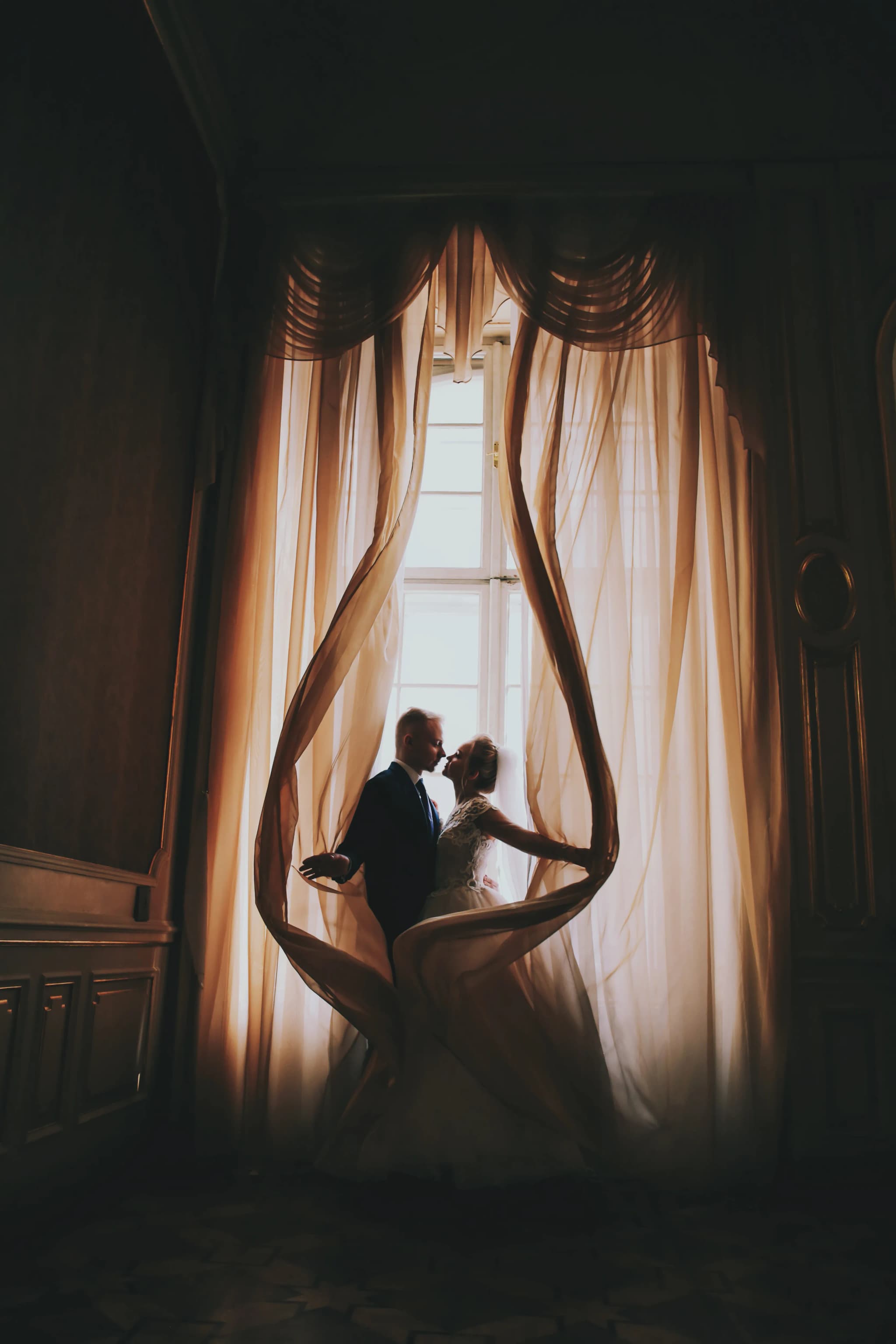
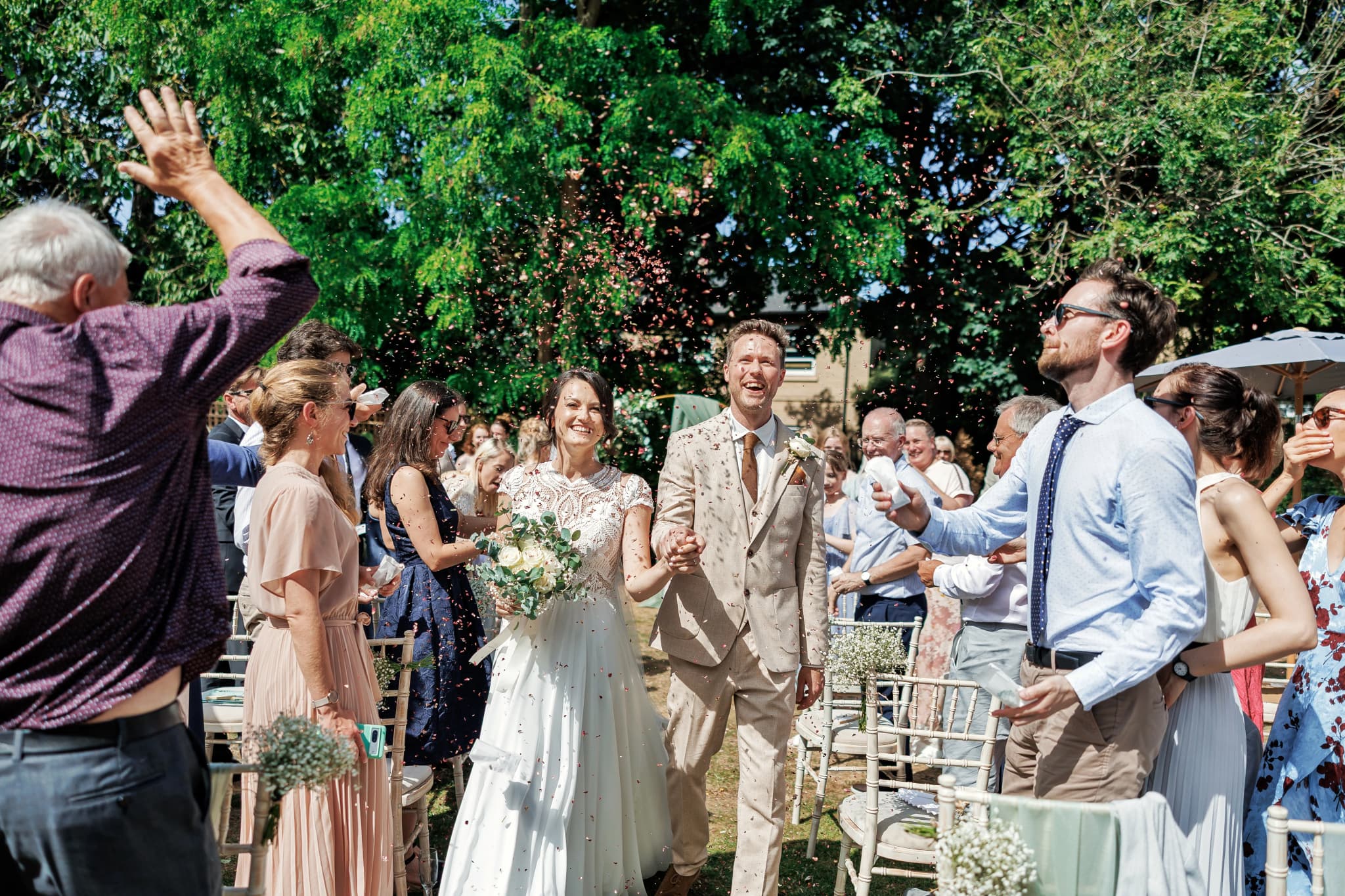
When I hand over a finished gallery or design a wedding album, the getting-ready images from both sides of the morning form the opening chapter of the day's story, and they matter more to that structure than couples often expect before seeing the result. A gallery that opens with two parallel threads — one household calm and unhurried, the other full of nervous energy and laughter — then bringing both of those threads together at the ceremony, reads as a complete narrative in a way that a gallery beginning abruptly at the church door simply cannot. It is the difference between a wedding album that starts at the ceremony and one that starts with the day both people actually lived through to get there.
If you are planning a wedding in Cambridge or further afield and want to talk through how morning coverage for both of you could work within your day, I would genuinely enjoy hearing about your plans. I am Yana Skakun, and as a wedding photographer working across the UK, I build every timeline around the moments that matter most to the two people getting married, not around a fixed template that treats one half of the morning as an afterthought. Feel free to get in touch to discuss your date and how full-day coverage, including groom preparation, would fit your particular wedding.
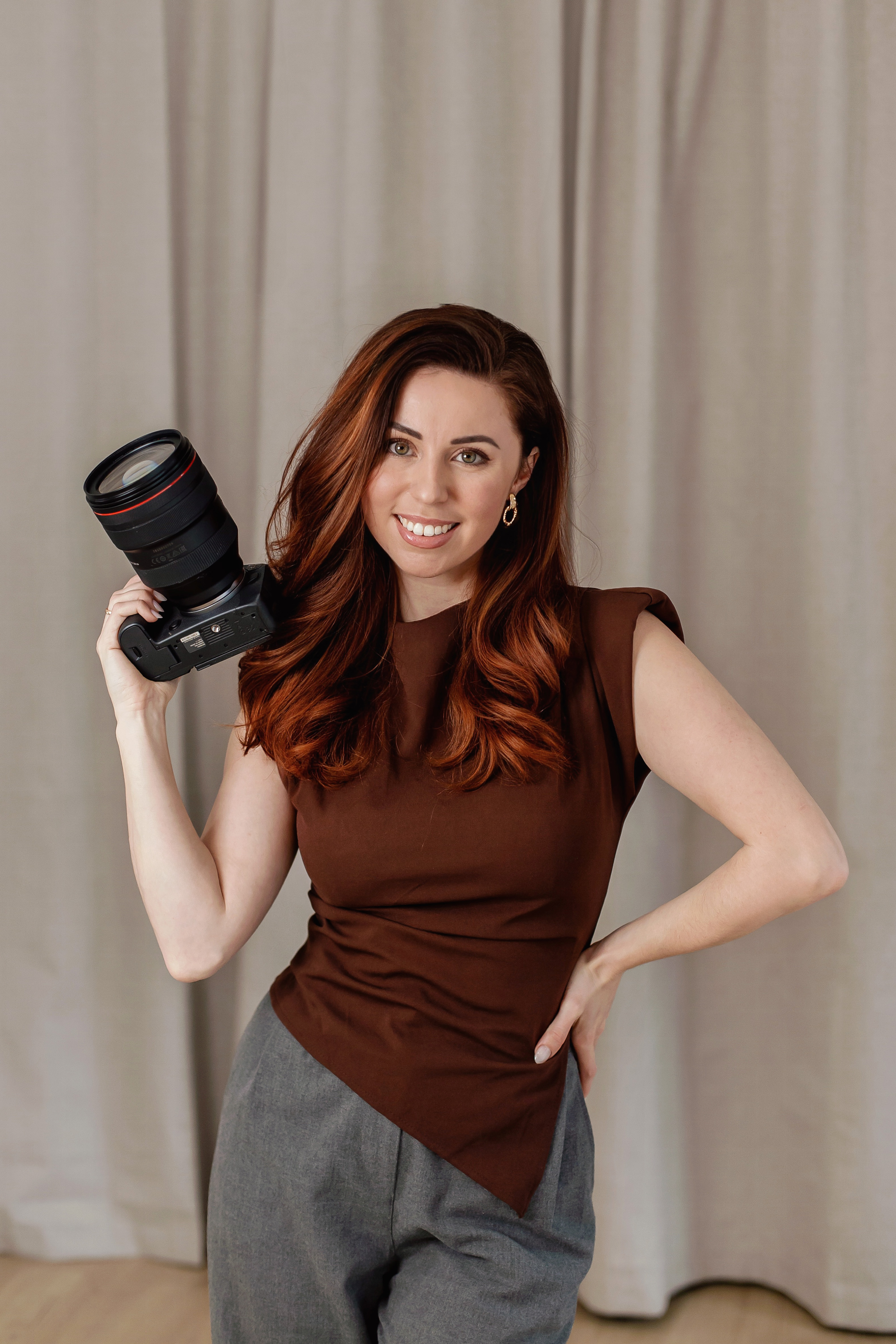
Yana Skakun
Photographer · England
Professional wedding, family and portrait photographer based in England. Passionate about capturing authentic emotions and timeless moments.
About Yana →groom getting ready photoswedding morning photographysecond photographer weddinggroom preparation coverageUK wedding photographerwedding day timeline
Wedding Tips — Wedding Photography in Cambridge & England
Yana Skakun is a professional wedding photographer based in Cambridge, covering weddings across England — from intimate elopements to full-day ceremonies at country houses, barns, and city venues. Every couple receives a relaxed, documentary approach that captures the day as it truly unfolds. This guide — Should the Photographer Shoot the Groom Getting Ready Too? — is part of the photography journal: practical, experience-based advice drawn from real sessions across England. Whether you arrived searching for groom getting ready photos or wedding morning photography, the same care and attention shapes every session Yana photographs.
Wedding Photography sessions are available year-round, with bookings open across Cambridge, Ely, Huntingdon, Peterborough, and further afield — East England, London, the Midlands, and beyond. If you have specific questions about second photographer wedding, mention it in your enquiry. Get in touch through the contact form above to check availability and discuss your session. Enquiries are welcomed from anywhere in the UK.
Frequently Asked Questions
How much does a wedding photographer cost in England?+
Wedding photography in England typically ranges from £1,500 to £4,000+ for a full day. Price depends on experience, coverage hours, and whether albums or engagement shoots are included. Most photographers charge between £2,000–£3,000 for 8–10 hours of coverage.
How early should you book a wedding photographer?+
For peak season (May–September), book 12–18 months in advance. For autumn and winter weddings, 9–12 months is usually sufficient. Popular photographers at popular venues fill up fast — as soon as you have a date and venue confirmed, start reaching out.
How many photos do you get from a wedding photographer?+
Most professional wedding photographers deliver 400–800 edited images for a full-day wedding. The exact number depends on coverage hours, how many guests there are, and the photographer's editing style. Quality matters more than quantity — a curated gallery of 500 images tells the story better than 1,500 unedited files.
Do you need a second photographer at your wedding?+
A second photographer is helpful if you want simultaneous coverage of getting-ready moments in different locations, multiple angles during the ceremony, or more candid coverage during the reception. It adds cost but significantly increases the variety and completeness of your gallery.
What is the difference between documentary and editorial wedding photography?+
Documentary (reportage) wedding photography captures moments as they happen — the photographer observes and doesn't intervene. Editorial photography involves deliberate direction: placing you in good light, shaping compositions, creating intentional portraits. Most photographers blend both styles throughout the day.
Continue Reading
Related Articles

Wedding Tips
Sustainable Eco-Friendly Wedding Guide — Planning a Green Celebration
15 min read · Read Article
Wedding Tips
Trash the Dress Session — Complete Planning and Photography Guide
14 min read · Read Article
Wedding Tips
Client Communication for Photographers — From Enquiry to Gallery Delivery
15 min read · Read Article
Get in Touch
Ready to Book Your Session?
Get in touch to discuss your vision — I'll reply within 24 hours.