Yana Skakun
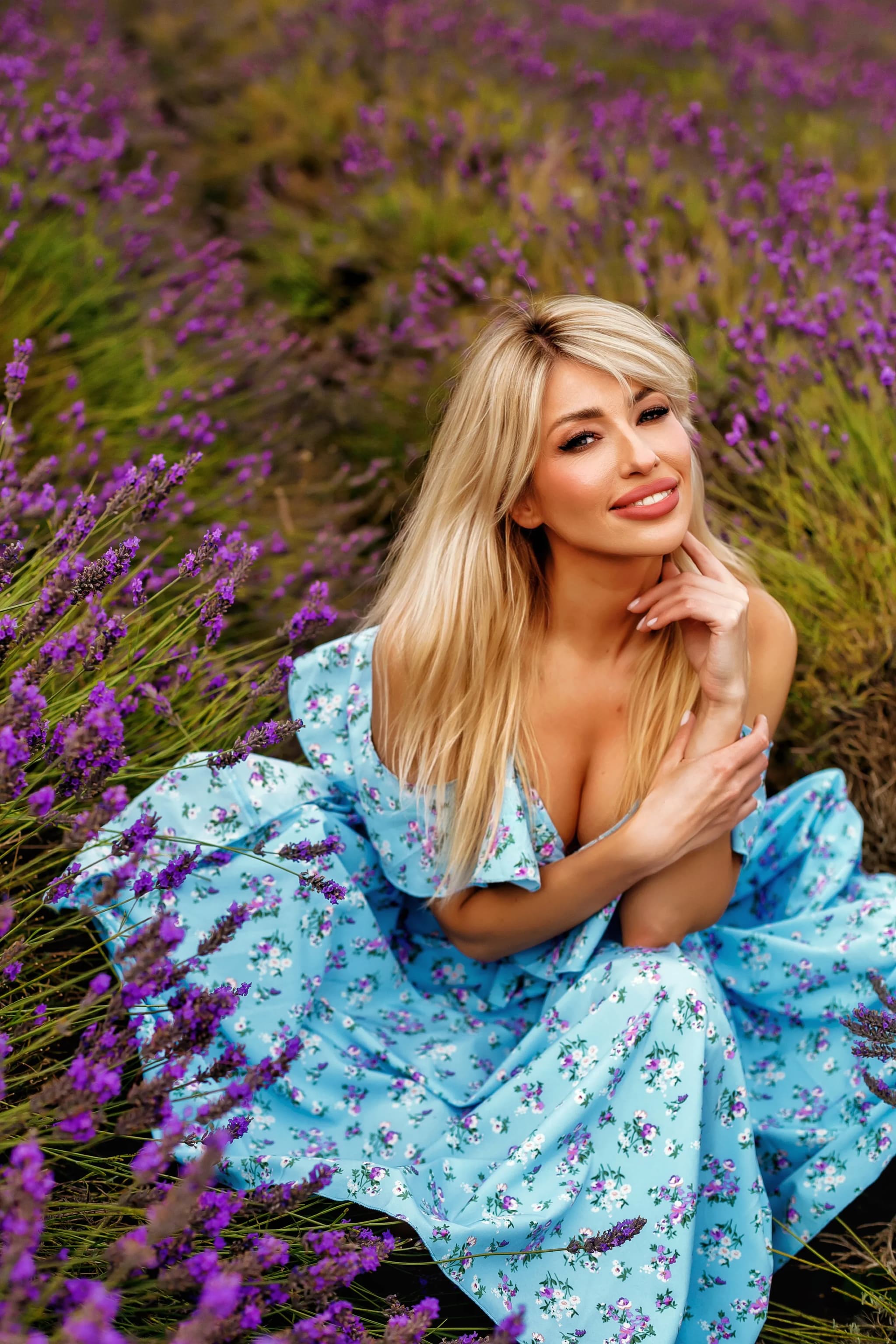
Author & Speaker Headshots: Creating Your Visual Brand
By Yana Skakun·12 March 2026·7 min read
Authors and speakers occupy a distinctive position in professional photography — they need something that goes beyond a standard corporate headshot. The image is part of a personal brand, not just an identification photograph. It needs to communicate something about who you are, what you create, and why people should engage with your work.
What Authors Need
Book jacket photo
The author photo on the inside back cover or back flap is a critical trust signal. It needs to be engaging, warm, and appropriately matched to the genre — different for literary fiction, business books, self-help, and cookery.
Publisher and PR use
Publishers need high-resolution photographs for press releases, book events, review copies, and media features. Provide your publisher with multiple versions: tight headshot, looser portrait, black and white conversion.
Author website and social media
A strong author portrait anchors your website About page and social profiles. It should communicate something about who you are beyond simple identification.
Literary festival and event programmes
Author events, literary festivals, and podcast appearances all use professional photographs. These often appear in high-visibility printed programmes.
What Speakers Need
Conference and event programmes
Speaker biographies in conference programmes appear in print and digital — often as a small headshot beside a short bio. Clean, tight headshots work best here.
Speaker bureau profiles
Professional speaker representation increasingly requires strong visual branding. Speaker bureau websites show headshots prominently — a strong image distinguishes you.
Podcast and media appearances
Podcast producers and broadcasters request speaker photographs for promotion — social media posts, episode artwork, press materials. A range of images gives you flexibility.
Keynote and workshop marketing
When you are featured on conference websites, social promotion for your talk, or workshop marketing materials, a distinctive, high-quality portrait is a significant asset.
Building a Distinctive Visual Brand
Match genre and audience expectations
A business strategy author needs a different visual register than a novelist or self-help writer. Consider what your reader or event audience expects to see — and whether you want to meet or deliberately subvert that expectation.
Show personality as well as professionalism
Author and speaker photographs benefit from having more warmth and personality than purely corporate headshots. The goal is to make someone want to spend time with you — read your book, attend your talk.
Consider a range of images
A session that produces both tight headshots (for programmes and press) and looser environmental portraits (for website and social) gives you maximum flexibility across contexts.
Consistency across your brand
Profile pictures, book jackets, website banners, and social headers should feel like they come from the same person. A cohesive visual identity builds recognition across your audience.
Session Structure for Authors and Speakers
A typical author or speaker portrait session runs 60–90 minutes and covers two or three distinct setups: a clean headshot component (plain or architectural background), a looser environmental portrait component (location that suits your brand), and depending on your book or talk subject, a more contextual component — at a desk, in a library, on a stage.
Location choices for Cambridge and London are diverse — King's Parade, the Backs, Fitzwilliam Museum, and independent bookshops work beautifully for literary authors. Corporate and modern architectural spaces suit business and tech speakers.
Author and speaker portrait sessions
Specialist portrait sessions for authors, public speakers, and thought leaders. Cambridge, London, and on location across the UK.
Book a Portrait Session
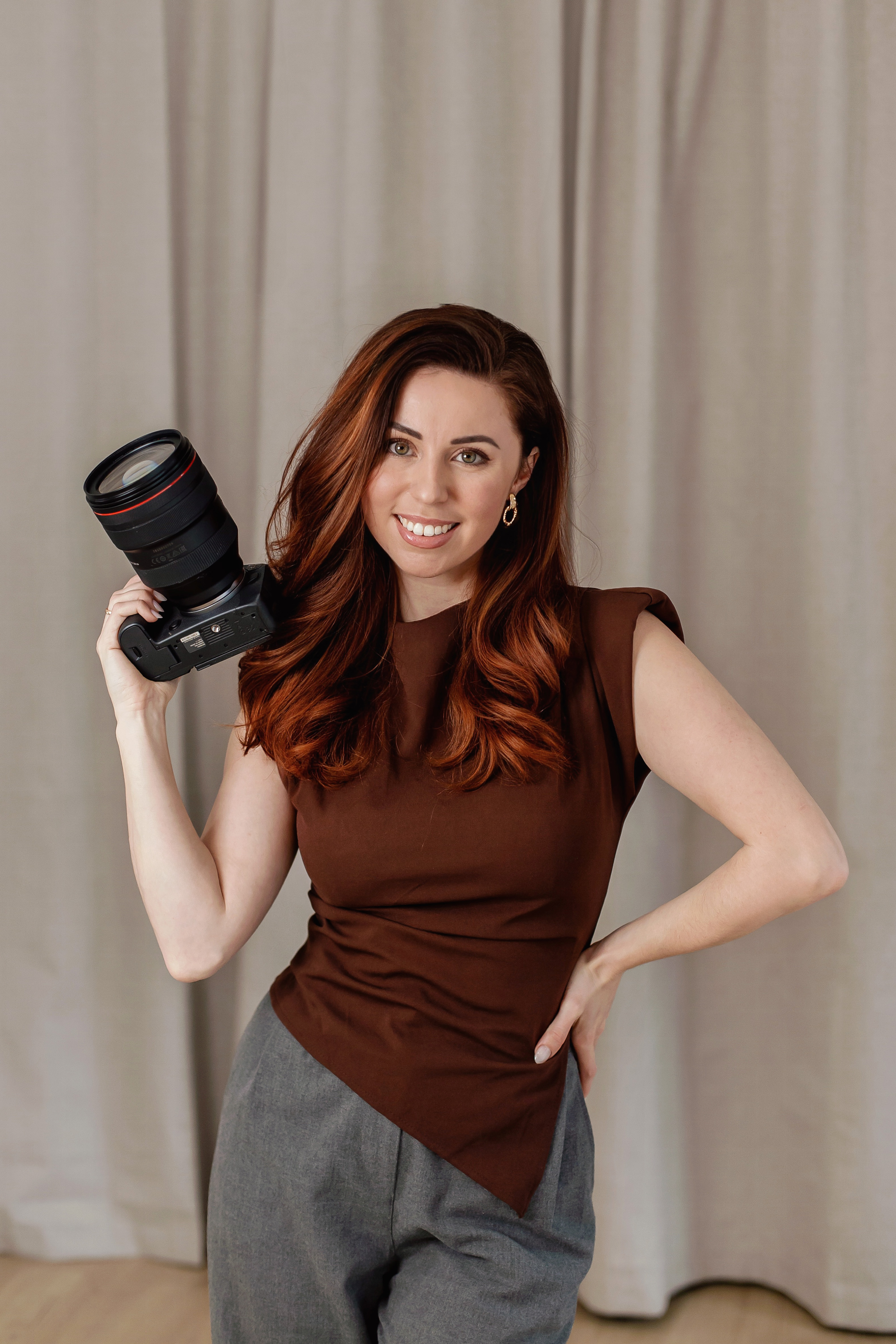
Yana Skakun
Photographer · England
Professional wedding, family and portrait photographer based in England. Passionate about capturing authentic emotions and timeless moments.
About Yana →author headshotsspeaker headshotsauthor portrait photography UKspeaker portrait photography
Business Headshots — Corporate Headshot Photography in Cambridge & England
Corporate photography with Yana Skakun covers individual headshots, team portraits, and event documentation — all delivered with the same consistent quality and professional tone. Available in Cambridge and across England for businesses of all sizes. This guide — Author & Speaker Headshots: Creating Your Visual Brand — is part of the photography journal: practical, experience-based advice drawn from real sessions across England. Whether you arrived searching for author headshots or speaker headshots, the same care and attention shapes every session Yana photographs.
Corporate Headshot Photography sessions are available year-round, with bookings open across Cambridge, Ely, Huntingdon, Peterborough, and further afield — East England, London, the Midlands, and beyond. If you have specific questions about author portrait photography uk, mention it in your enquiry. Get in touch through the contact form above to check availability and discuss your session. Enquiries are welcomed from anywhere in the UK.
Frequently Asked Questions
What camera settings should I use for outdoor portraits?+
For outdoor portraits, shoot in aperture priority mode. Use a wide aperture (f/1.8–f/2.8) to blur the background and isolate your subject. Keep ISO as low as possible in good light. In bright conditions, use a neutral density filter or switch to manual to avoid overexposure at wide apertures.
What is the golden hour in photography?+
Golden hour is the period roughly 30–60 minutes after sunrise and before sunset. The sun is low in the sky, producing warm, soft, directional light that flatters skin tones and creates beautiful long shadows. It's widely considered the best natural light for portrait and outdoor photography.
How do you get sharp photos in low light?+
In low light, increase your ISO (accepting some grain), use the widest aperture your lens allows, and slow your shutter speed to the slowest you can hand-hold without camera shake (roughly 1/focal length as a guide). Use image stabilisation if available, and consider a tripod for static subjects.
What is the rule of thirds in photography?+
The rule of thirds divides the frame into a 3×3 grid. Placing your subject on one of the four intersection points — rather than dead centre — creates a more dynamic, visually interesting composition. It's a guideline, not a rule: some of the most powerful images break it deliberately.
How do you edit photos to look professional?+
Professional editing starts with shooting in RAW format. In Lightroom or similar software, correct exposure, white balance, and contrast first. Recover shadow and highlight detail. Apply gentle colour grading for mood. Be conservative with skin retouching — the goal is natural enhancement, not transformation. Consistency across a set of images is what separates professional from amateur editing.
Continue Reading
Related Articles
Business Headshots
Why professional business headshots are worth the investment in 2025
7 min read · Read Article
Business Headshots
The complete corporate headshot guide: What to expect and how to prepare
7 min read · Read Article
Business Headshots
LinkedIn headshot: What actually makes a profile photo work
7 min read · Read Article
Get in Touch
Ready to Book Your Session?
Get in touch to discuss your vision — I'll reply within 24 hours.