Yana Skakun

Stately Home Wedding Photography: Capturing Grand Architecture
By Yana Skakun·10 July 2026·8 min read
There is a particular kind of drama that a stately home brings to a wedding day that no other venue type quite matches. Cantilevered staircases, wood-panelled libraries, orangeries full of afternoon light, avenues of lime trees leading to a portico — these are settings built centuries ago to impress, and they photograph exactly as you would hope. But grand architecture is also a genuine technical challenge. Vast rooms swallow light. Ornate ceilings and gilded cornicing can overwhelm a frame if you are not careful about composition. And a couple can very easily disappear into the scale of a building that was designed, after all, to make people feel small. Having photographed weddings at country houses across Cambridgeshire, Suffolk, and further afield, this is a practical guide to what makes stately home wedding photography work — and what to think about if you are planning one.
Why Couples Choose a Stately Home
Stately homes offer something a barn or a hotel simply cannot: a sense of permanence and occasion that comes from a building with genuine history. Many of the country houses used for weddings in the East of England have stood for two, three, sometimes four hundred years, and that history is visible in the fabric of the place — in worn stone steps, in oil paintings on the walls, in a walled garden that has been tended for generations. Couples are often drawn to that continuity, the feeling of adding their own day to a much longer story.
There is also enormous visual range within a single venue. A stately home typically offers formal gardens for outdoor portraits, a grand hall or staircase for dramatic indoor images, more intimate rooms like a library or drawing room for quieter moments, and often parkland beyond the immediate grounds for a change of scale entirely. Few venue types give a photographer this much variety to work with across one day, which is part of why they consistently produce such a strong final gallery. If you are still comparing venue types more broadly, my guide to choosing a wedding photographer in the UK covers how venue and photographer style should be matched from the outset.
Working with Scale: Making Architecture a Backdrop, Not a Distraction
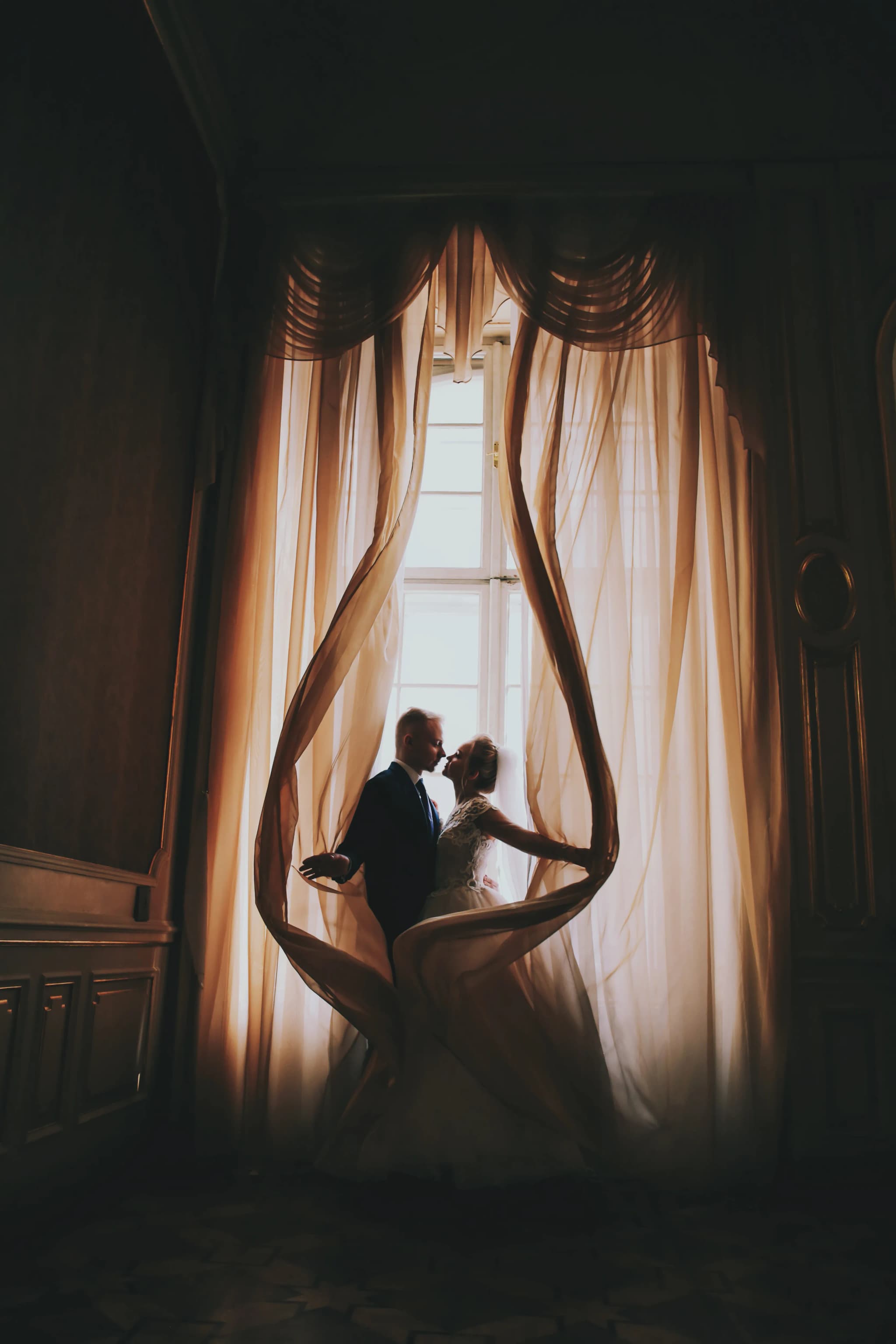
The single biggest technical challenge of a stately home is scale. A room with a thirty-foot ceiling, elaborate cornicing, and a run of tall windows is visually busy, and a couple standing in the middle of it can easily read as small and lost rather than as the clear subject of the photograph. The way around this is deliberate use of leading lines and framing elements that the architecture itself provides. A grand staircase becomes a natural frame if you shoot from below looking up, with the couple positioned on a landing where the stonework or balustrade curves around them. A long gallery or corridor creates a vanishing point that draws the eye directly to the couple standing at the far end, using the architecture's own perspective to do the compositional work.
I also spend real time using scale intentionally rather than avoiding it. There is a place for a wide shot that shows the couple as a small, deliberate detail within an enormous hall — it communicates the scale of the day and the venue honestly, and used sparingly it is one of the more striking image types a stately home makes possible. The skill is balancing these wide, architectural shots against close, intimate portraits so the gallery has both scale and warmth, rather than one at the expense of the other.
Light in Historic Interiors
Historic interiors are rarely built with photography in mind, and light is usually the limiting factor. Tall sash windows let in beautiful directional light on a bright day, but many principal rooms in country houses are also panelled in dark oak or hung with heavy fabric wallpapers that absorb far more light than a modern painted wall would. This means a room that looks perfectly bright to the eye can actually be working with very little usable light by camera standards, especially by late afternoon in the UK from autumn through to early spring.
In practice this means I scout timings around the building's own light rather than fighting it. A drawing room facing south or west might be glorious at eleven in the morning and almost unusable by four in the afternoon, while a north-facing library holds even, soft light for most of the day and is a reliable fallback whatever the weather is doing. Where a room genuinely does not have enough natural light — a windowless hall, or a room being used after dark for the reception — I bring off-camera flash and bounce it off high ceilings or pale walls, which keeps the light soft and avoids the harsh, flat look of a flash fired straight at a subject. The goal in every case is that the light should look like it belongs to the room, not like it has been imposed on it.
Grounds and Gardens: The Other Half of the Story
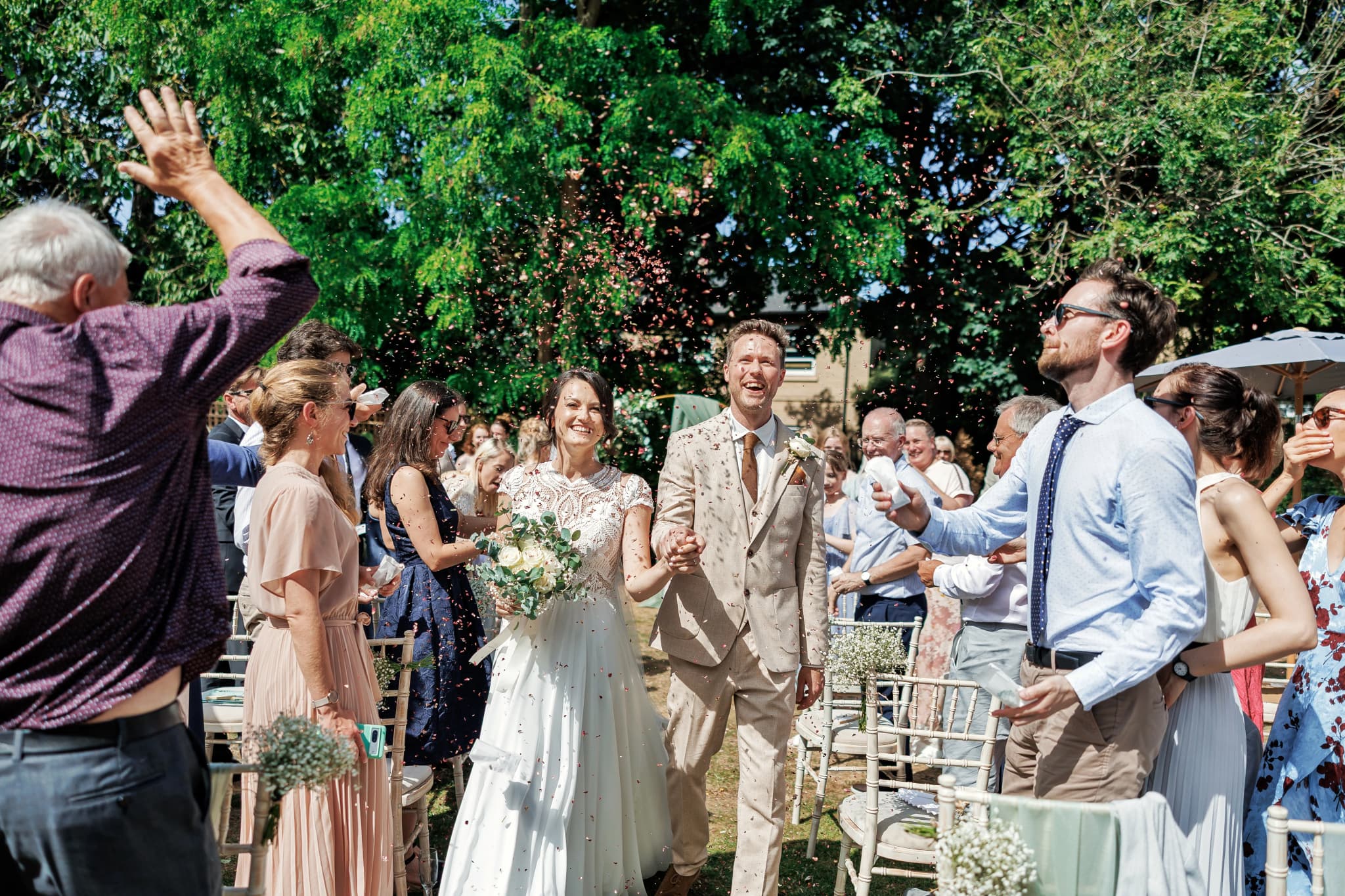
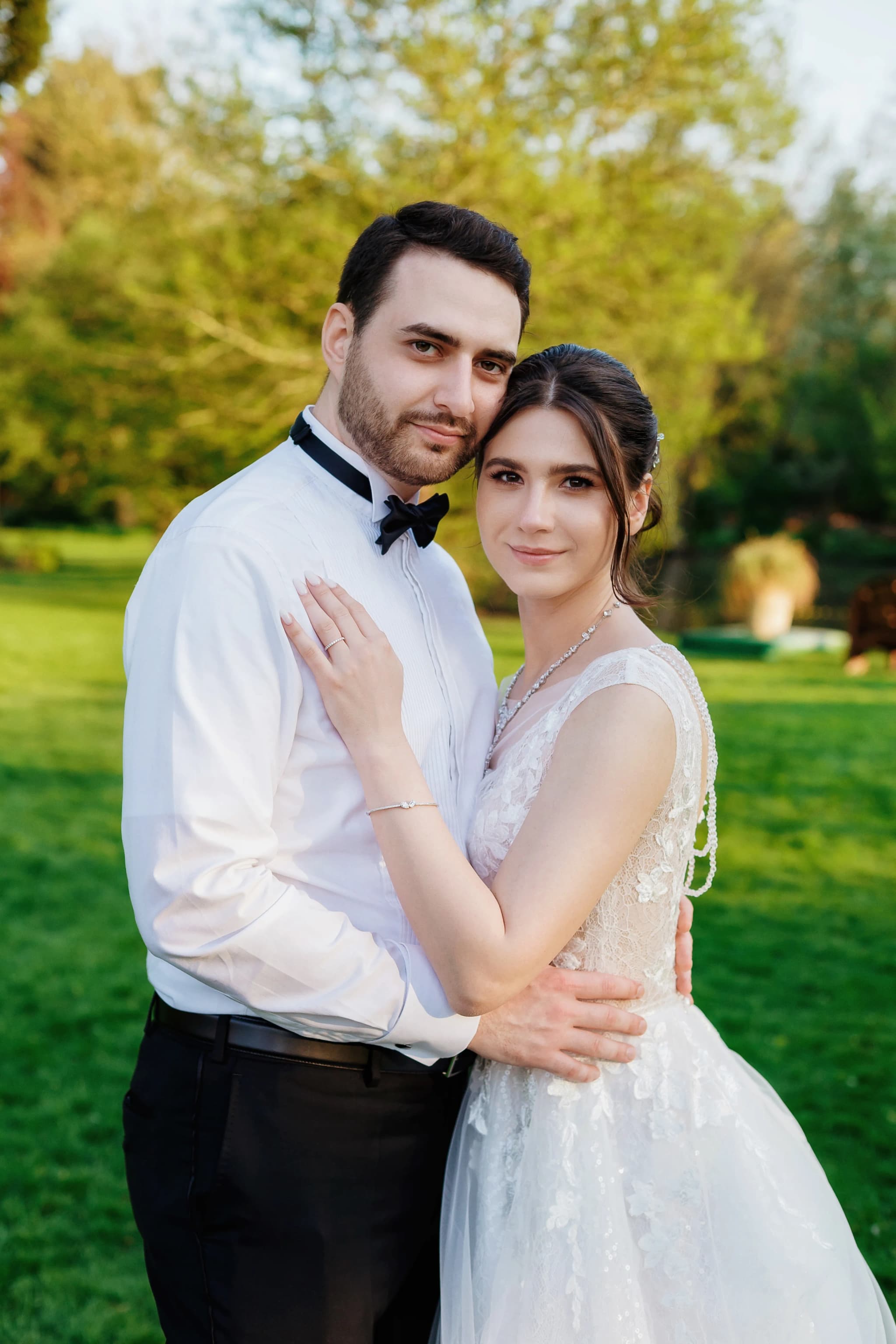
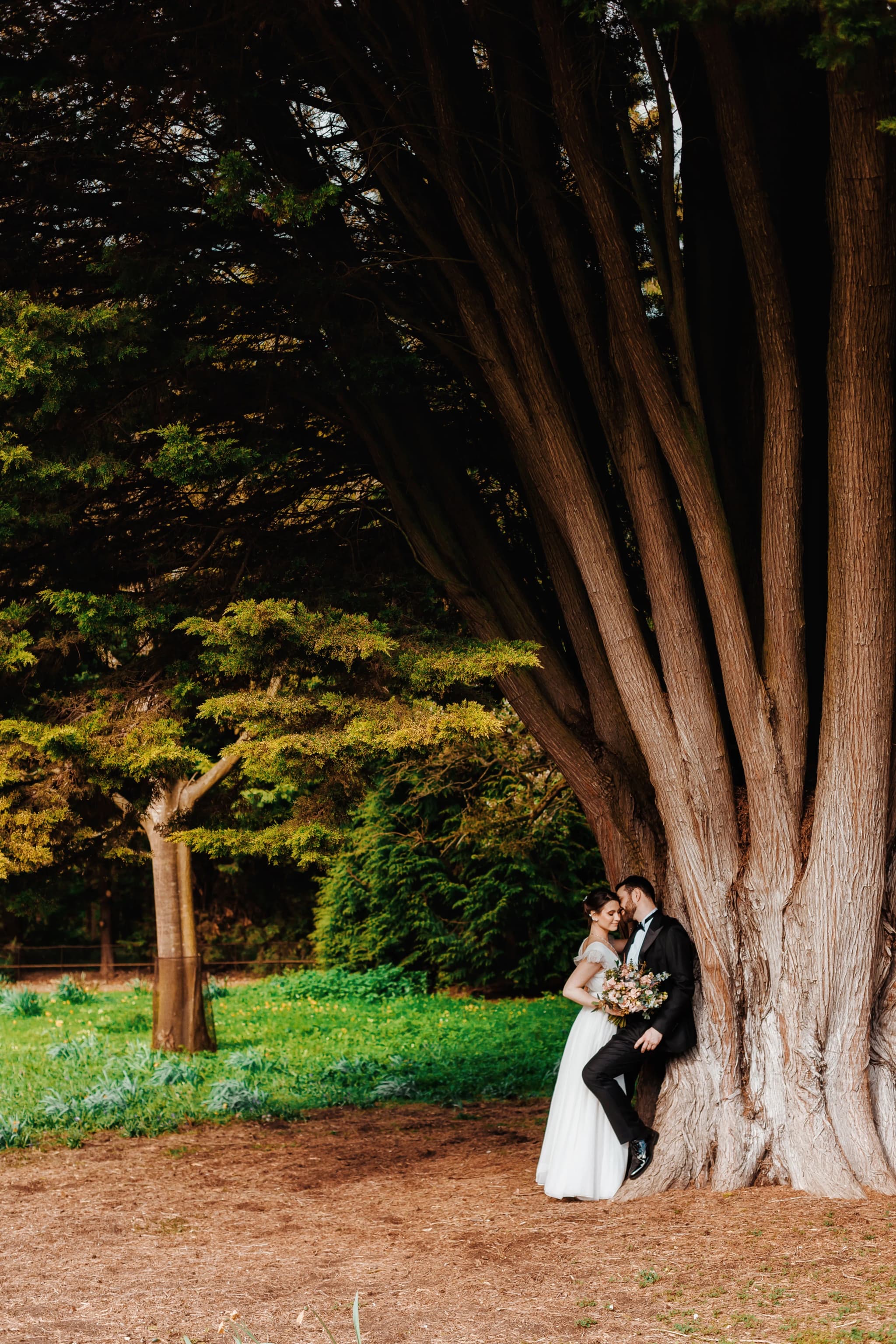
Most stately homes earn their reputation as wedding venues as much for their grounds as for the house itself, and the gardens usually offer the best conditions for relaxed couple portraits. Walled kitchen gardens, formal parterres, avenues of clipped yew, lakes, follies, and parkland all provide backdrops with far more natural light and far more room to move than any interior can offer. I generally plan for a proper window of couple portraits in the grounds, ideally either shortly after the ceremony while the light is still good, or in the early evening as the light softens — the classic golden hour slot that a country estate with open parkland makes particularly easy to use well.
It is worth walking the grounds with your photographer in advance if you can, or at minimum discussing them by phone, because the best spots are rarely the most obvious ones near the house. A gate at the far end of a walled garden, a bench under a mature cedar, a bridge over an ornamental lake — these are the details that a venue's own marketing photographs rarely show but that make for the most personal and least crowded images on the day itself.
Planning a stately home wedding
If you have a venue in mind, or you are still deciding between a handful of country houses, I am always happy to talk through timings, light, and how a particular building tends to photograph before you book anything. A short call early on can shape the whole day's timeline for the better.
Get in touchTimeline Considerations Specific to Grand Venues
Stately homes tend to have their own rhythm, and it is worth building your timeline around the building rather than a generic wedding schedule. Many historic houses have restrictions on confetti, on candles near panelling, or on access to certain rooms, and some require the wedding party to be out of principal rooms by a set time to allow staff to reset for other events or for the house's regular opening hours. None of this is a problem if it is known and planned for in advance, but it can eat unexpectedly into portrait time if it is discovered on the day itself.
I usually recommend building in a slightly longer window than you might for a simpler venue — perhaps ninety minutes rather than sixty for the combined couple and family portraits — because moving between grounds, principal rooms, and any secondary locations like a folly or a walled garden simply takes longer when the site is large. It is also worth confirming early whether the house permits access to upper floors, private wings, or areas not normally part of the wedding package, since some of the most striking rooms in a country house are not always included by default and may need a specific request or a small additional fee.
Weather and the Indoor Fallback
British weather makes a proper indoor fallback essential for any wedding, and this is one area where stately homes genuinely outperform most other venue types. A marquee wedding with no substantial indoor space can be badly compromised by rain, but a country house with a grand hall, an orangery, or a long gallery gives you somewhere with real character to retreat to that does not feel like a consolation prize. I always ask in advance which rooms are available as a wet-weather option and build a rough plan for how portraits would work there, so that if the forecast turns, we are working from a plan rather than improvising on the morning itself.
Conservatories and orangeries deserve a specific mention here because they are often the best of both worlds on a mixed-weather day — full of natural light, visually striking with their glass and ironwork, and dry regardless of what is happening outside. If a venue has one, it is usually worth including in the plan even on a day with good weather, simply because the light quality is so consistently good.
Choosing a Photographer for a Grand Venue
Not every wedding photographer has spent significant time working in historic interiors, and it shows in the results. Large, ornate rooms reward a photographer who understands how to read available light quickly, who is comfortable using off-camera flash discreetly when a room demands it, and who has an eye for the compositional opportunities that grand architecture offers rather than being intimidated by the scale of it. When you are looking through a photographer's portfolio for a stately home wedding, look specifically for images taken inside similarly grand spaces — a portfolio full of barns and marquees does not necessarily translate to a two-hundred-year-old country house with dark panelling and low winter light.
It is also worth discussing coverage carefully for a large venue, since more square footage generally means more locations worth covering across the day. My wedding photography approach for grand venues typically includes dedicated time for the architecture and grounds alongside the usual coverage of ceremony, speeches, and dancing, and my pricing reflects the longer days that larger estates often require. Couples planning a smaller, quieter day at a historic property sometimes also look at my elopement photography option, which suits an intimate ceremony in a chapel or walled garden just as well as it suits a full wedding.
Making the Most of the Final Gallery
A stately home wedding tends to produce an unusually varied final gallery, and it is worth thinking early about how you want to present that variety once the day is over. The architectural detail shots, the wide hall images, the intimate portraits in a quiet library, and the golden hour portraits in the grounds all sit together well in a printed album, where the pacing of a physical book can move between grand and intimate in a way that a digital gallery alone does not always convey. I go through this in more detail in my guide to wedding albums, but for a venue with this much visual range, a well-designed album is often where the day truly comes together.
A stately home wedding asks more of a photographer than most other venues do — more scouting, more technical judgement around difficult light, and a genuine eye for using scale and architecture rather than being overwhelmed by it. Done well, though, it produces some of the most striking and enduring wedding photography there is. If you are planning a wedding at a country house or historic estate and would like to talk through how the venue is likely to photograph, get in touch — I am Yana Skakun, and I would be glad to help you plan the day around the building you have chosen.

Yana Skakun
Photographer · England
Professional wedding, family and portrait photographer based in England. Passionate about capturing authentic emotions and timeless moments.
About Yana →stately home wedding photographycountry house wedding photographerUK wedding venueshistoric wedding venue photographygrand hall wedding portraitsCambridgeshire wedding photographer
Venue Guides — Wedding Photography in Cambridge & England
Yana Skakun photographs weddings across England, with particular expertise in regional venues and the distinct lighting and architectural challenges each space presents. Coverage areas include Cambridgeshire, East England, London, and the Midlands. This guide — Stately Home Wedding Photography: Capturing Grand Architecture — is part of the photography journal: practical, experience-based advice drawn from real sessions across England. Whether you arrived searching for stately home wedding photography or country house wedding photographer, the same care and attention shapes every session Yana photographs.
Wedding Photography sessions are available year-round, with bookings open across Cambridge, Ely, Huntingdon, Peterborough, and further afield — East England, London, the Midlands, and beyond. If you have specific questions about uk wedding venues, mention it in your enquiry. Get in touch through the contact form above to check availability and discuss your session. Enquiries are welcomed from anywhere in the UK.
Frequently Asked Questions
What are the best wedding venues in Cambridgeshire?+
Cambridgeshire has excellent options across every budget and style. King's College Chapel and Trinity Hall offer iconic Cambridge settings. Anstey Hall and Ely Cathedral provide classic country house and cathedral drama. Granchester Meadows and various farm venues suit couples wanting a relaxed outdoor feel. The region's historic colleges, riverside venues, and country estates make it one of England's finest wedding destinations.
How do I find a hidden gem wedding venue?+
Look beyond the first page of Google results. Talk to your photographer and caterer — suppliers who work at venues regularly know which ones are genuinely beautiful to work in versus just well-photographed. Visit venues in person rather than relying on Instagram. Historic house venues, working farms, and privately-owned estates sometimes offer exceptional beauty without the premium price of established commercial venues.
What is the average cost of a wedding venue in England?+
Venue hire in England typically ranges from £2,000 to £15,000+ depending on region, exclusivity, catering arrangements, and guest numbers. London and the Home Counties tend to be at the higher end. East Anglia and the Midlands offer excellent venues at more accessible price points. Some venues quote a total minimum spend including catering, so always understand what's included.
Can you get married outside in England?+
Since 2022, couples in England and Wales can legally marry in a wider variety of outdoor settings, though regulations are still evolving. Many licensed venues now offer outdoor civil ceremonies. Check with your local Register Office for current rules and licensing requirements if you want a legal outdoor ceremony.
What is a dry hire wedding venue?+
A dry hire venue provides the space only — you arrange all your own suppliers (caterers, bar, furniture, decorations, entertainment). It gives maximum flexibility and can be more cost-effective than all-inclusive venues, but requires more coordination. Make sure you understand what's included: some 'dry hire' venues include tables and chairs, others are literally just a shell space.

Get in Touch
Ready to Book Your Session?
Get in touch to discuss your vision — I'll reply within 24 hours.