Yana Skakun

Sunrise Photoshoots: Why Waking Up Early Gets the Best Photos
By Yana Skakun·10 July 2026·7 min read
Every photographer has the same conversation at some point with a client who has just been offered a 5am start time: "Do we really have to be up that early?" The honest answer is no, not for every session — but for a specific kind of photograph, the kind with soft directional light, empty locations, and a genuine sense of calm running through every frame, there is no substitute for sunrise. A sunrise photography session asks more of everyone involved than a mid-morning slot does, and it gives back more too. This is a look at why that trade genuinely works, what a sunrise session actually involves, and how to prepare for one so the early alarm feels worth it.
Why Sunrise Light Is Different From Every Other Time of Day
The technical reason sunrise photography looks the way it does comes down to the angle of the sun and the state of the atmosphere at that hour. In the thirty to forty-five minutes after the sun clears the horizon, light travels through more atmosphere than it does at midday, scattering the harsher blue wavelengths and leaving behind the warm, golden tones that photographers spend the rest of the day trying to recreate artificially. The sun sits low, which means it lights faces from the side rather than from directly above, carving out gentle shadows under the cheekbones and jaw instead of the flat, slightly unflattering light that comes from a sun high overhead.
There is also a stillness to sunrise light that sunset does not quite have. Sunset light is beautiful but it is also the light of a day winding down — often slightly hazy from a day of heat and activity in the air. Sunrise light, particularly after a clear, cool night, tends to be crisper and cleaner. Mist sitting in low ground, dew on grass catching the first light, condensation on car windows — all of it adds texture to an image that simply is not there three hours later once the day has properly started.
I photograph a fair amount of both weddings and portrait work, and one thing that becomes obvious quickly when you shoot professionally is how much of what separates a good photograph from a genuinely striking one comes down to light quality rather than location or outfit. You can put the same two people in the same field at midday and at sunrise and get two entirely different photographs, and the sunrise version will almost always be the stronger one.
What to Expect During a Sunrise Session
A sunrise session runs to a schedule that is dictated entirely by the sun, which means the start time changes throughout the year. In midsummer, that can mean meeting at a location before 5am; in autumn and winter, sunrise sessions become far more civilised, often starting around 7am or later. I always check the exact sunrise time for the date and location in the days before the session and confirm a meeting time that gets us set up and settled fifteen to twenty minutes before the sun actually appears, because the light in the run-up to sunrise — the soft blue and pink of civil twilight — is often just as usable as the light immediately after.
The session itself tends to move faster than a midday shoot. The best light at sunrise genuinely does not last long — the golden, low-angle quality of the first twenty to thirty minutes shifts fairly quickly into brighter, more ordinary daylight as the sun climbs. That means less time spent deliberating between locations and more time working efficiently through a small number of spots that I have already scouted in advance. For couples and portrait clients, this often makes for a more relaxed experience than people expect, precisely because there is no lingering: we move, we shoot, the light does the work, and the whole thing has a rhythm to it that flows rather than drags.
Locations at sunrise are also, almost without exception, empty. A field, a beach, a bridge, or a stretch of riverside that would be full of dog walkers, joggers, and other photographers by mid-morning is often completely still at 6am. For couples who feel self-conscious being photographed in public, or for anyone who simply wants a location without other people wandering into every frame, that solitude is one of the most underrated practical benefits of shooting early.
Who Sunrise Sessions Actually Suit
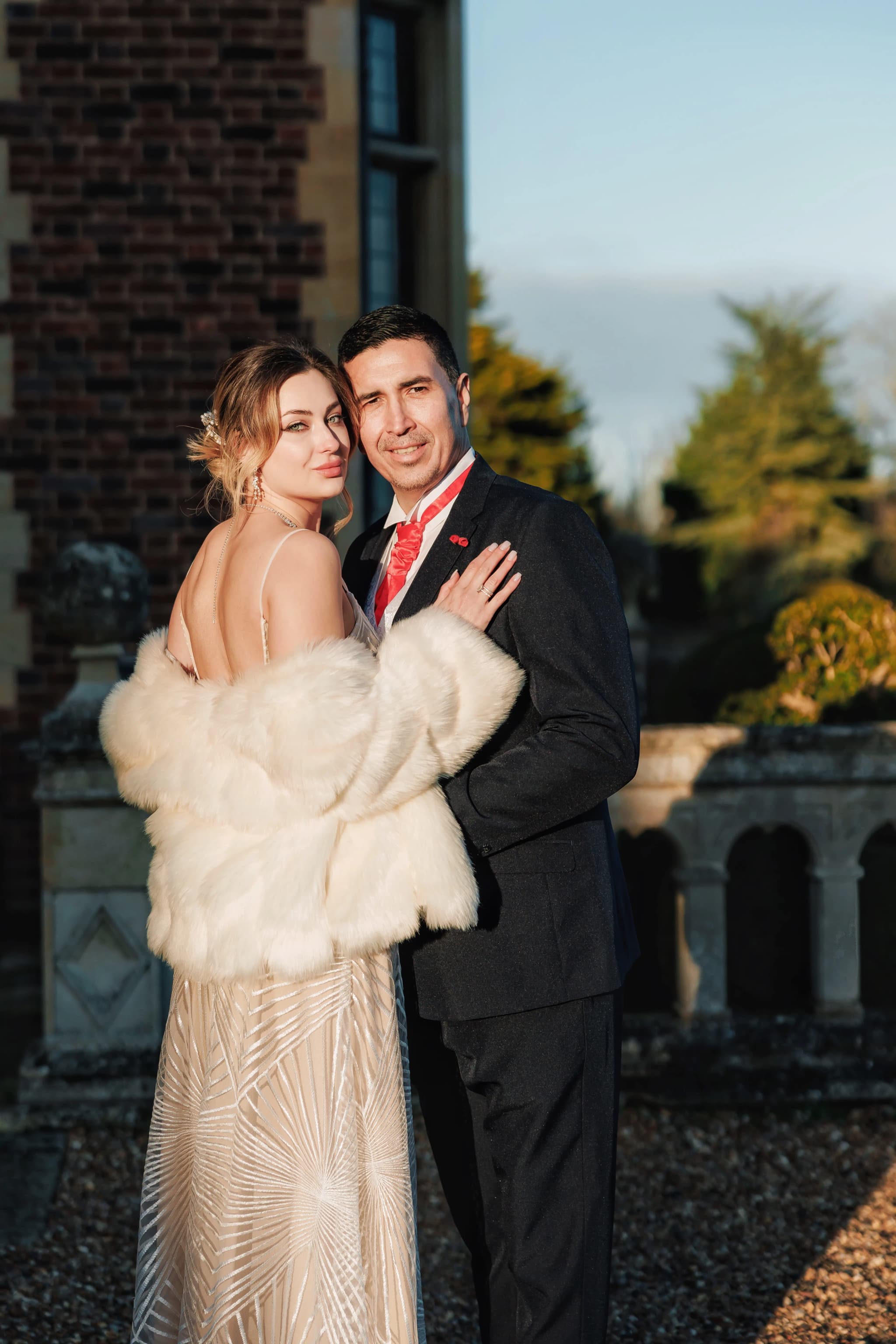
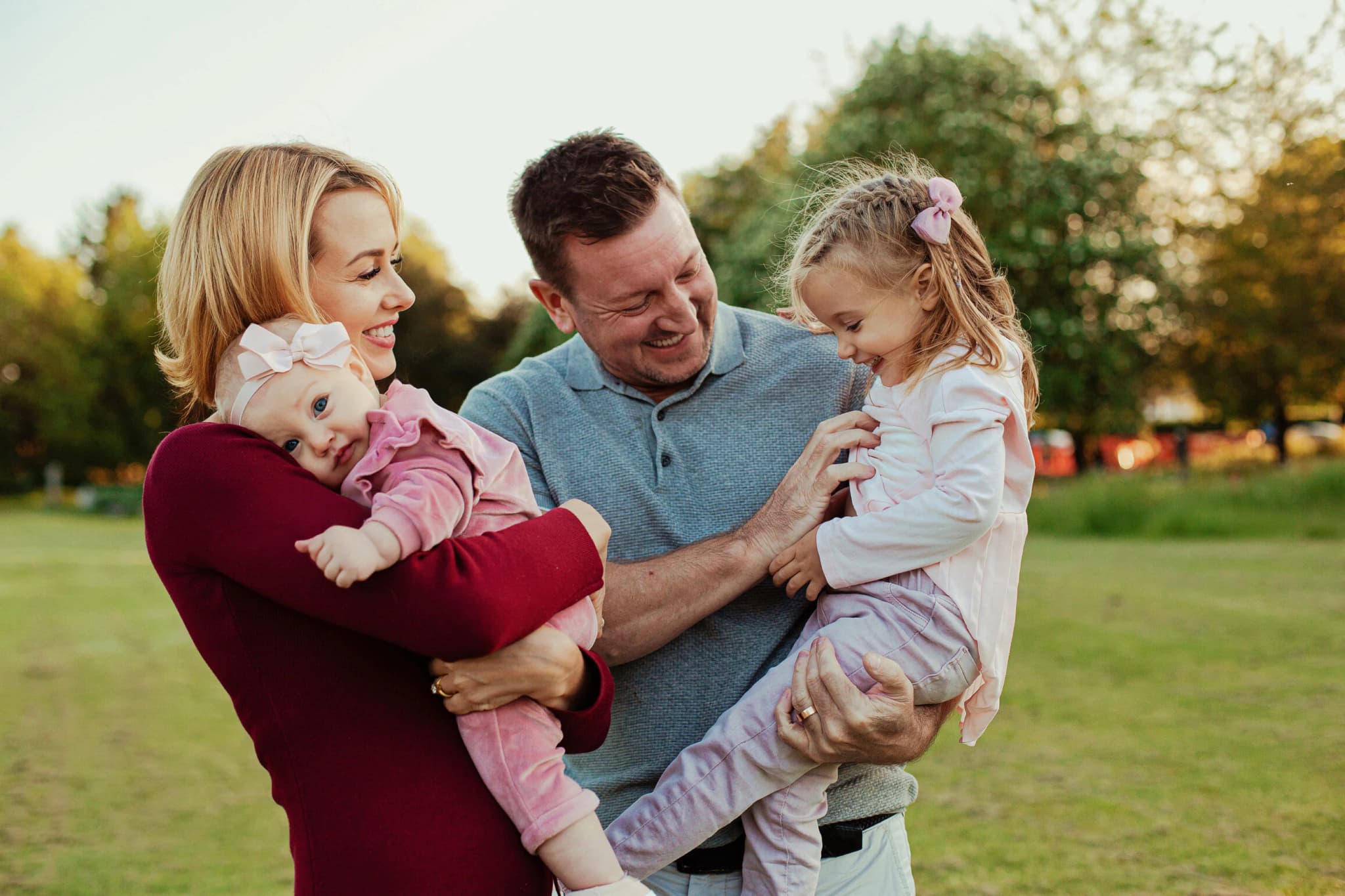
Sunrise sessions are a natural fit for couples — engagement shoots and anniversary sessions in particular, where the quiet, unhurried atmosphere adds something genuinely different to a set of images beyond just nice light. I also find them work well for solo portrait sessions and personal branding shoots for people who want a calmer, more contemplative feel than a typical daytime headshot session provides, and for family sessions with younger children who are simply better-tempered first thing in the morning than they will be by mid-afternoon after a full day of activity and overstimulation.
They are less suited to large groups. Coordinating six or eight adults, some of whom are travelling from a distance, to be ready and functioning before dawn is genuinely difficult, and I generally steer bigger family sessions and corporate group shoots towards other times of day where logistics are simpler. For one or two people, though, a sunrise start is entirely manageable, and the quality of the light more than compensates for the early alarm.
If you are weighing up whether a sunrise slot fits your particular occasion, it is worth having a conversation about it directly — I am always happy to talk through timing options as part of general pricing and session planning, since the right time of day genuinely depends on what you are trying to capture and who is involved.
Considering an early start?
If you like the idea of a quiet location, soft golden light, and photographs with a genuinely different atmosphere to the standard daytime session, a sunrise slot might be exactly right for you. I can check sunrise times for your date and talk through locations near you.
Get in touchHow to Prepare for an Early Start
The single most useful thing you can do before a sunrise session is sleep the night before rather than staying up late getting ready. Faces that have had proper rest photograph noticeably better than faces running on four hours of sleep, no matter how good the light is. Lay out clothing, pack any bags, and prepare anything you need the evening before, so the morning of the shoot only requires getting dressed and travelling rather than any last-minute scrambling that leaves you flustered before you have even arrived.
Hair and makeup for a sunrise session generally works best kept simple and slightly more natural than you might choose for an evening shoot, partly because heavy makeup can look at odds with the soft, gentle quality of early light, and partly because there is rarely time or appetite for an elaborate routine at 4.30 in the morning. A light hand tends to photograph more naturally in this kind of light than a full glam look does.
Bring a flask of coffee or tea if you need it, and dress in layers — even in summer, early mornings in the UK are genuinely cold, particularly near water or in open fields where there is nothing to break the wind. A jumper or jacket you can remove once the sun is properly up and the temperature climbs makes the wait before shooting starts far more comfortable, and comfort translates directly into more relaxed, natural expressions in the finished images.
Choosing the Right Location for Sunrise
Not every location works equally well at sunrise. East-facing spots are generally the strongest choice, since they catch the sun directly as it rises rather than having it hidden behind trees, buildings, or hills for the first hour of the day. Open ground — fields, riverbanks, beaches, hilltops — tends to outperform enclosed woodland at this time of day, simply because woodland can stay in shadow for some time after sunrise depending on the density and orientation of the canopy.
Around Cambridge, I favour a handful of spots that catch the early light particularly well — I have mapped out my favourites in more detail on my Cambridge sunrise photography spots page, including open ground near the river where mist regularly sits in the low areas, and a few elevated spots on the edge of the city where the horizon is unobstructed. For clients based further afield, the same principles apply wherever you are — an east-facing field, a quiet stretch of coastline, or high ground with a clear horizon will almost always outperform a spot that looks lovely at midday but sits in shadow until mid-morning. If a particular location matters to you for personal reasons, it is usually possible to make it work with the right timing, even if it is not naturally east-facing — sometimes the fix is simply arriving slightly later once the sun has cleared any obstruction.
The Emotional Quality Sunrise Sessions Capture
Beyond the technical light quality, there is something genuinely different about the atmosphere of a sunrise shoot that comes through in the finished photographs. There is a stillness to being out before the rest of the world is awake that tends to soften people, particularly couples. Conversations feel quieter and more genuine. There is less self-consciousness, partly because there is no one else around to feel watched by, and partly because the sheer effort of getting up that early tends to put people in a slightly more relaxed, slightly giddy frame of mind once they are actually out and the sun starts coming up.
This is the quality that photographs well and is very difficult to fake later at a desk. You can warm up the colour grading on a midday photograph, but you cannot manufacture the particular ease that comes through in a couple who have shared a flask of coffee at 5.30am watching the sky change colour together. It is one of the reasons I recommend a sunrise slot to engaged couples in particular, alongside my broader work as a wedding photographer across the UK, where I see time and again that the quieter, less staged moments tend to become the images people love most a decade later.
Sunrise vs Golden Hour vs Sunset: Which One Do You Actually Want?
People sometimes use "golden hour" and "sunrise" interchangeably, but they are not quite the same thing. Golden hour refers to the warm, low-angle light that occurs both shortly after sunrise and shortly before sunset — I have written more about that light generally on my golden hour page. Sunrise specifically gives you that golden quality combined with empty locations, cooler, crisper air, and the practical advantage of having the rest of your day still ahead of you once the session finishes. Sunset gives similarly beautiful light but with locations that are typically busier, air that carries more haze from a warm day, and a session that necessarily caps off your day rather than starting it.
Neither is objectively better — it depends on your schedule, your tolerance for early starts, and what you want the rest of the day to look like. Couples getting married often choose golden hour portraits during their wedding day itself simply because that is when the schedule allows for it, while engagement sessions and personal portrait sessions have the freedom to choose sunrise specifically for the quiet and the solitude it offers.
Frequently Asked Questions
Is a sunrise session worth the early start? For the specific combination of soft light, empty locations, and a calm atmosphere, yes — but it is genuinely a personal choice, and I would never push a client into a 5am start they are not enthusiastic about. If early mornings are not your thing, a late afternoon golden hour slot delivers much of the same light quality with a far more sociable start time.
What happens if it is cloudy on the morning of the shoot? Overcast sunrise mornings still photograph beautifully, in a softer, more muted way — cloud acts as a natural diffuser and can produce genuinely lovely, even light even without the classic golden colour. I keep an eye on the forecast in the days beforehand and will always flag if conditions look genuinely unworkable, but light rain or cloud is rarely a reason to reschedule.
How long does a sunrise session usually last? Most sunrise sessions run for around forty-five minutes to an hour, covering the run-up to sunrise and the window immediately afterwards while the light is at its best. Once the sun has fully risen and the light flattens out, we generally wrap up rather than push on into less flattering conditions.
If you are curious whether a sunrise slot could work for your engagement shoot, family portraits, or personal branding session, I would genuinely love to talk it through. I am Yana Skakun, a Cambridge-based photographer available for sessions across the UK, and early starts happen to be one of my favourite parts of the job — there is nothing quite like watching a location transform in real time as the sun comes up. Get in touch and we can look at sunrise times for your date and find a location that makes the early alarm worth it.
Yana Skakun
Photographer · England
Professional wedding, family and portrait photographer based in England. Passionate about capturing authentic emotions and timeless moments.
About Yana →sunrise photography session benefitssunrise photoshootgolden hour photography UKearly morning portrait sessionCambridge photographer sunriseengagement shoot lighting
Photography Tips — Professional Photography in Cambridge & England
Yana Skakun is a professional photographer based in Cambridge, specialising in wedding, family, and portrait photography across England. Every session is personal — planned around your story, your people, and the moments that matter most. This guide — Sunrise Photoshoots: Why Waking Up Early Gets the Best Photos — is part of the photography journal: practical, experience-based advice drawn from real sessions across England. Whether you arrived searching for sunrise photography session benefits or sunrise photoshoot, the same care and attention shapes every session Yana photographs.
Professional Photography sessions are available year-round, with bookings open across Cambridge, Ely, Huntingdon, Peterborough, and further afield — East England, London, the Midlands, and beyond. If you have specific questions about golden hour photography uk, mention it in your enquiry. Get in touch through the contact form above to check availability and discuss your session. Enquiries are welcomed from anywhere in the UK.
Frequently Asked Questions
What camera settings should I use for outdoor portraits?+
For outdoor portraits, shoot in aperture priority mode. Use a wide aperture (f/1.8–f/2.8) to blur the background and isolate your subject. Keep ISO as low as possible in good light. In bright conditions, use a neutral density filter or switch to manual to avoid overexposure at wide apertures.
What is the golden hour in photography?+
Golden hour is the period roughly 30–60 minutes after sunrise and before sunset. The sun is low in the sky, producing warm, soft, directional light that flatters skin tones and creates beautiful long shadows. It's widely considered the best natural light for portrait and outdoor photography.
How do you get sharp photos in low light?+
In low light, increase your ISO (accepting some grain), use the widest aperture your lens allows, and slow your shutter speed to the slowest you can hand-hold without camera shake (roughly 1/focal length as a guide). Use image stabilisation if available, and consider a tripod for static subjects.
What is the rule of thirds in photography?+
The rule of thirds divides the frame into a 3×3 grid. Placing your subject on one of the four intersection points — rather than dead centre — creates a more dynamic, visually interesting composition. It's a guideline, not a rule: some of the most powerful images break it deliberately.
How do you edit photos to look professional?+
Professional editing starts with shooting in RAW format. In Lightroom or similar software, correct exposure, white balance, and contrast first. Recover shadow and highlight detail. Apply gentle colour grading for mood. Be conservative with skin retouching — the goal is natural enhancement, not transformation. Consistency across a set of images is what separates professional from amateur editing.
Continue Reading
Related Articles

Photography Tips
Photography Gift Vouchers: The Most Personal Present You Can Give
5 min read · Read Article
Photography Tips
Photo Books vs Photo Albums: What Is the Difference and Which Is Better?
5 min read · Read Article
Photography Tips
Photo Gift Ideas: Turning Professional Images into Meaningful Presents
5 min read · Read Article
Get in Touch
Ready to Book Your Session?
Get in touch to discuss your vision — I'll reply within 24 hours.