Yana Skakun

Therapist & Wellness Practitioner Photography: Warm, Approachable Images That Build Trust
By Yana Skakun·10 July 2026·8 min read
A therapist's website is one of the few places online where a photograph genuinely has to do emotional work before a single word is read. Someone arrives at the page anxious, uncertain, sometimes in real distress, and the first thing they see is your face. Within a second or two they are making a judgement that has very little to do with your qualifications: does this person look like someone I could sit in a room with and tell the truth to? That is an enormous amount of weight to place on one image, and it is exactly why photography for therapists, counsellors, psychologists, and wellness practitioners is a genuinely distinct discipline from standard corporate headshots — not because the camera or the lighting is different, but because the brief is different.
Why This Type of Photography Is Different from a Standard Headshot
Most professional headshots exist to communicate competence, authority, and polish. A barrister, a finance director, a consultant — these are contexts where a sharp, formal, slightly aspirational image does exactly the right job. Therapy and wellness work asks for something quieter. A client choosing a counsellor is not trying to establish that you look successful; they are trying to work out, often in a state of some vulnerability, whether you look safe. That single shift in what the image needs to communicate changes almost every decision in the session: the expression I ask for, the distance of the lens, the softness of the light, the level of formality in the styling, even the angle of the shoulders relative to the camera.
I've photographed a number of therapists, counsellors, and health practitioners over the years, and the brief is nearly always some version of the same request — approachable but still credible, warm but not casual, kind without looking soft in the sense of unprofessional. Those are genuinely competing instincts to balance in a single frame, and getting the balance right is the actual craft of this kind of session. It is worth reading a little about the general distinction between a headshot and a portrait if you are trying to work out which style your practice needs, because therapist photography often sits somewhere between the two.
What Actually Builds Trust in a Photograph
Trust in a still image is built from a small number of specific, observable things, and none of them are mysterious. Genuine engagement in the eyes is the biggest one — not a hard stare into the lens, but a relaxed, unforced eye contact that reads as present rather than performed. A slight softening around the mouth, a real smile rather than a held one, does more to communicate warmth than almost anything else in the frame. Open body language, meaning shoulders that are not braced or squared aggressively at the camera, reads as unguarded. And light that falls evenly and gently across the face, without hard shadow under the eyes or across one side, avoids any of the visual cues we associate, even subconsciously, with tension or concealment.
The opposite of all of this is the stock-photo therapist look that is unfortunately common on practice websites: arms folded, a fixed corporate smile, hard flash lighting, a plain grey backdrop. It photographs as competent in a generic sense, but it does not photograph as safe, and safe is the thing a prospective client is actually screening for in those first few seconds on your site. I spend a good part of every therapist session simply talking with the person being photographed before the camera comes up properly, because a relaxed conversation produces a relaxed face, and a relaxed face is what reads as trustworthy on screen.
What to Expect During a Session
A typical therapist or wellness practitioner session runs somewhere between forty-five minutes and just over an hour, depending on how many looks and settings you want covered. I usually start with a short conversation, partly to put you at ease and partly because it genuinely helps me to understand how you talk about your own practice — the words you use tend to tell me something about the tone the images should carry. From there we work through a handful of setups: a primary headshot suitable for your website and directory listings, a slightly wider shot that shows more of the room or setting if that is relevant to your practice, and often a few candid, in-motion frames — writing notes, adjusting a chair, walking through a doorway — that feel less posed and work well for social media or blog use.
Expression coaching is a genuine part of what I do during these sessions rather than something left to chance. Very few people have a naturally relaxed "resting" expression in front of a lens — most of us tense slightly, and therapists in particular are often used to being the calm, watching presence in a room rather than the person being watched, which can make the camera feel unexpectedly exposing. I give specific, small directions between frames — think about the last client who thanked you, drop your shoulders, exhale before I count you in — because these produce a genuine shift in expression far more reliably than simply saying "relax" or "smile naturally," which rarely works on command.
Considering new photography for your practice?
I photograph therapists, counsellors, psychologists, and wellness practitioners across Cambridge and further afield, working in your consulting room or a natural-light studio depending on what suits your brand. Sessions are relaxed, unhurried, and built around a real conversation rather than a rushed camera setup.
Get in touchChoosing a Setting: Consulting Room, Home, or Studio
Where you are photographed matters almost as much as how you are photographed. A session shot in your own consulting room, if it has decent natural light and a calm, uncluttered aesthetic, can be genuinely valuable — it lets prospective clients see the actual space they will be sitting in, which does its own quiet work in reducing first-session anxiety. A soft armchair, a plant, a shelf of books, a window with natural light coming in at an angle rather than straight on: these details root the image in reality rather than presenting an anonymous, could-be-anywhere backdrop.
Not every consulting room photographs well, though — some are windowless, some are shared spaces without much personality, and some simply have awkward proportions for a camera. In those cases a natural-light studio session, or a session at your home if you have a suitable room, usually produces a stronger result than trying to force a shoot into an unflattering room. I will always be honest with you in advance about which option is likely to work best rather than defaulting to whichever is easiest for me to schedule. A soft, neutral backdrop with warm natural light and a few considered props — a cup of tea, a notebook, a cushion in a muted tone — can carry exactly the same warmth as an in-room shoot without any of the compromises of a difficult space.
Styling, Colour, and Clothing Choices
Clothing does more work in this genre of photography than people usually expect. Sharp tailoring, high-contrast black and white, or anything with a strong logo or pattern reads as corporate and slightly formal — useful for some professions, less useful here. Soft knitwear, muted mid-tones, and layered, slightly textured fabrics photograph as approachable without tipping into looking unprofessional. Warm neutrals — sage, terracotta, dusty blue, oatmeal, soft burgundy — tend to work particularly well for therapist and wellness photography because they sit gently against skin tones and avoid the visual harshness of pure black or stark white.
I generally advise against very bright, saturated colours and busy patterns, both of which pull the eye away from the face and can look dated within a couple of years, which matters if you intend to use the images for a long time. A general guide on what to wear for a professional headshot covers a lot of the same ground and is worth a read before your session, though for this particular type of work I would lean even further towards soft, warm, unpatterned pieces than the guidance there might suggest for a purely corporate context.
Where These Images Actually Get Used
It is worth thinking through the full set of places your images will end up before the session, because it changes what I plan to shoot. Your website homepage and about page will likely want a warm, close, engaging headshot. Therapist directories — the ones that list dozens or hundreds of practitioners on a single page — reward a slightly different image, one with strong contrast and clear eye contact, because it has to hold its own as a small thumbnail among many competing faces. LinkedIn and other professional networks tend to work best with a marginally more polished version of the same warm headshot. And a wider, more editorial shot — you in your room, mid-gesture, genuinely engaged — is useful for blog posts, press features, or a longer "about me" page where a single tight headshot would feel repetitive.
I plan for this variety within a single session rather than treating it as an afterthought, which is one of the reasons a therapist or wellness session tends to run a little longer than a single quick headshot appointment. You leave with a genuinely usable set rather than one image cropped and recropped for every context, which rarely looks as good as images actually composed for their intended use.
Practical Preparation and Common Questions
A few things consistently make a real difference to how a session goes. Sleep matters more than almost any other single factor — a tired face reads as tired regardless of lighting or editing, so a good night's sleep beforehand is genuinely more valuable than any amount of preparation on the day itself. Arrive with skin slightly hydrated but not freshly product-heavy, since a lot of texture and shine from rich creams or heavy make-up can catch unflatteringly under continuous or flash light. If you wear glasses day-to-day, bring them — clients will recognise you more easily from an image that looks like you, and modern lighting techniques largely avoid the old problem of glare across the lenses.
A question I get often is whether to smile or hold a more neutral, composed expression. My honest answer is that both have a place, and a good session captures a range rather than committing to one on principle. A genuine, warm smile is usually right for your primary website image. A slightly more composed, thoughtful expression can work well for a secondary image used in more clinical or academic contexts, such as a professional bio for a journal article or a speaking engagement. Neither is more "correct" — it depends entirely on where the image will live. If your work involves speaking at conferences or CPD events alongside your regular practice, it is also worth looking at what makes a strong speaker headshot, since the requirements overlap but are not identical.
Pricing for this kind of session generally sits in a similar range to standard professional headshot sessions, though it can run a little higher than a bare-bones single-headshot appointment given the additional time spent on conversation, multiple setups, and often a location visit to your consulting room. It is genuinely worth looking at the pricing page for current session options, and getting in touch directly if you want to talk through what a session tailored specifically to your practice would involve.
If you are a therapist, counsellor, psychologist, or wellness practitioner based in Cambridge or anywhere else in the UK and thinking about updating your photography, I would genuinely welcome the conversation. I photograph this kind of session with real care because I understand what is riding on it — not vanity, but the very real, very human decision a stranger makes about whether to trust you before they have exchanged a single word. You can find more about my approach on the about page, and I am always happy to talk through what would work best for your practice before booking anything. Yana Skakun Photography is based in Cambridge and available for sessions across the UK — get in touch to check availability.
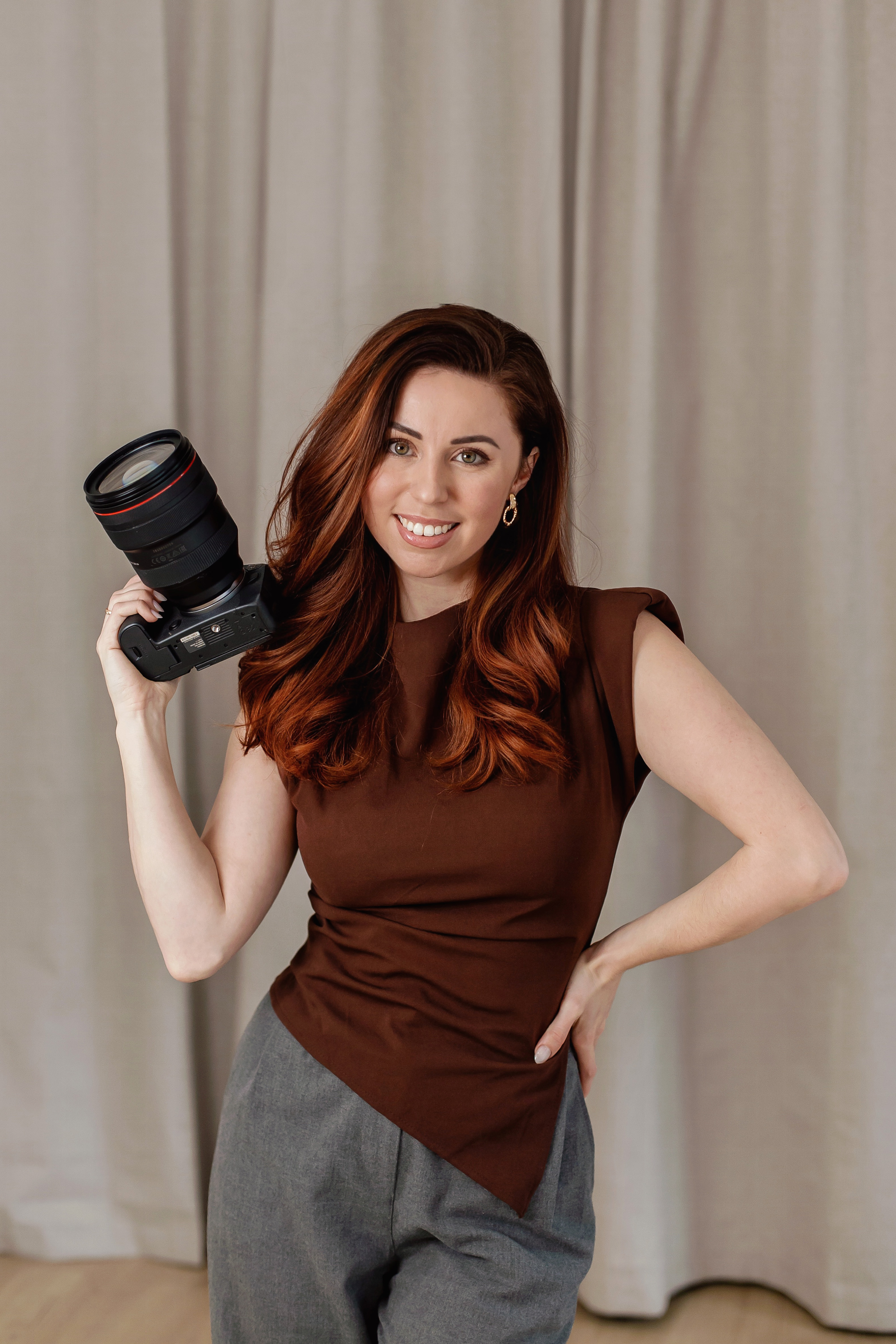
Yana Skakun
Photographer · England
Professional wedding, family and portrait photographer based in England. Passionate about capturing authentic emotions and timeless moments.
About Yana →therapist photographywellness practitioner headshotscounsellor headshotsapproachable professional photographytherapist website photosCambridge therapist photographer
Business Headshots — Corporate Headshot Photography in Cambridge & England
Corporate photography with Yana Skakun covers individual headshots, team portraits, and event documentation — all delivered with the same consistent quality and professional tone. Available in Cambridge and across England for businesses of all sizes. This guide — Therapist & Wellness Practitioner Photography: Warm, Approachable Images That Build Trust — is part of the photography journal: practical, experience-based advice drawn from real sessions across England. Whether you arrived searching for therapist photography or wellness practitioner headshots, the same care and attention shapes every session Yana photographs.
Corporate Headshot Photography sessions are available year-round, with bookings open across Cambridge, Ely, Huntingdon, Peterborough, and further afield — East England, London, the Midlands, and beyond. If you have specific questions about counsellor headshots, mention it in your enquiry. Get in touch through the contact form above to check availability and discuss your session. Enquiries are welcomed from anywhere in the UK.
Frequently Asked Questions
What camera settings should I use for outdoor portraits?+
For outdoor portraits, shoot in aperture priority mode. Use a wide aperture (f/1.8–f/2.8) to blur the background and isolate your subject. Keep ISO as low as possible in good light. In bright conditions, use a neutral density filter or switch to manual to avoid overexposure at wide apertures.
What is the golden hour in photography?+
Golden hour is the period roughly 30–60 minutes after sunrise and before sunset. The sun is low in the sky, producing warm, soft, directional light that flatters skin tones and creates beautiful long shadows. It's widely considered the best natural light for portrait and outdoor photography.
How do you get sharp photos in low light?+
In low light, increase your ISO (accepting some grain), use the widest aperture your lens allows, and slow your shutter speed to the slowest you can hand-hold without camera shake (roughly 1/focal length as a guide). Use image stabilisation if available, and consider a tripod for static subjects.
What is the rule of thirds in photography?+
The rule of thirds divides the frame into a 3×3 grid. Placing your subject on one of the four intersection points — rather than dead centre — creates a more dynamic, visually interesting composition. It's a guideline, not a rule: some of the most powerful images break it deliberately.
How do you edit photos to look professional?+
Professional editing starts with shooting in RAW format. In Lightroom or similar software, correct exposure, white balance, and contrast first. Recover shadow and highlight detail. Apply gentle colour grading for mood. Be conservative with skin retouching — the goal is natural enhancement, not transformation. Consistency across a set of images is what separates professional from amateur editing.
Continue Reading
Related Articles
Business Headshots
Why professional business headshots are worth the investment in 2025
7 min read · Read Article
Business Headshots
The complete corporate headshot guide: What to expect and how to prepare
7 min read · Read Article
Business Headshots
LinkedIn headshot: What actually makes a profile photo work
7 min read · Read Article
Get in Touch
Ready to Book Your Session?
Get in touch to discuss your vision — I'll reply within 24 hours.