Yana Skakun

Top Wedding Planners in London for Luxury Weddings
By Yana Skakun·10 July 2026·8 min read
Planning a luxury wedding in London is a genuinely different undertaking to planning a wedding almost anywhere else in the UK. The venues are more competitive to book, the supplier market is larger and more varied, and the logistics of moving guests, flowers, catering, and equipment through a capital city add a layer of complexity that a countryside wedding simply does not have. A good wedding planner earns their fee many times over in a city like this — not by adding polish at the end, but by handling the hundreds of small decisions and negotiations that a couple juggling full-time jobs cannot realistically manage alone. This guide looks at what a luxury London wedding planner actually does, the different types of planning support available, and how to think about choosing the right one for your day.
What "Luxury" Actually Means in Wedding Planning
The word luxury gets used loosely in the wedding industry, so it is worth being precise about what it means when applied to planning specifically. A luxury wedding planner is not simply someone who works on weddings with bigger budgets. The defining characteristic is depth of service: a genuinely luxury planning experience means the planner is involved from the earliest stages of concept and venue sourcing, manages every supplier relationship personally rather than delegating to a junior coordinator, attends every significant meeting and site visit, and is present and hands-on for the entire wedding weekend rather than just the ceremony day.
This level of service typically comes with day rates or flat fees that reflect the hundreds of hours involved, and planners working at this level tend to take on a small number of weddings each year — sometimes as few as ten to fifteen — specifically so they can give each one the attention it needs. If you are being quoted a fee that feels low relative to your overall budget, it is worth asking directly what is included, because "full planning" can mean very different things between one planner and the next.
Full Planning, Partial Planning, and On-the-Day Coordination
Most London wedding planners offer some version of three tiers of service, and understanding the difference is the single most useful thing you can do before you start reaching out to anyone.
Full planning starts at the very beginning — often before a venue is even chosen — and covers everything from budget structuring and venue sourcing through to supplier selection, design, logistics, and management of the wedding weekend itself. This is the right choice for couples who are short on time, who are planning from abroad, or who simply want someone else to hold the entire project so the process stays enjoyable rather than becoming a second job.
Partial planning assumes you have already made some of the major decisions — venue and date are usually locked in — and the planner steps in from a few months out to refine the remaining supplier bookings, build the detailed timeline, and manage the final stretch. This suits couples who enjoy the early creative decisions but want expert support pulling everything together as the date approaches.
On-the-day (or "month-of") coordination is the lightest tier: the planner takes over logistics and supplier liaison in the final four to six weeks and manages the wedding day itself, so that you, your families, and your bridal party are not fielding questions from the florist or the venue duty manager while you are supposed to be getting ready. Even couples who have planned everything themselves very often bring in a coordinator for this final stage, and it is one of the best-value additions to a wedding budget precisely because it protects the day you have already put so much work into.
Coordinating with your planner and photographer together
The wedding days that run most smoothly are the ones where the planner and photographer are in direct contact well before the date — agreeing the timeline, the golden hour window, family photo groupings, and the order of key moments together rather than working from two separate briefs. If you are building your supplier team for a luxury London wedding, I am always glad to speak directly with your planner as part of the process.
Get in touchWhere to Start Looking
London's luxury wedding planning market is genuinely deep, and it is worth approaching your search from several directions rather than relying on a single source. Personal recommendation remains one of the strongest signals — if you know anyone who has married in London in the last two or three years, ask them directly about their experience, including the parts that were difficult, not just the highlights. Venue coordinators at London's grander hotels, historic houses, and private members' clubs also tend to have a shortlist of planners they have seen deliver consistently well in that specific space, and they are usually happy to share names if you ask.
Industry associations such as the UK Alliance of Wedding Planners and the National Association of Wedding Professionals maintain member directories, and membership at least confirms a baseline of professional standing, insurance, and ongoing training. Wedding industry publications and award bodies that focus on the luxury end of the market — the kind that cover real weddings at London's best-known venues — are also a useful way to see a planner's actual work rather than just their marketing copy. Instagram and planner portfolio sites are worth browsing, but treat them as a starting point for a shortlist rather than a final decision; a beautifully photographed wedding tells you about the day's design, not necessarily about how well the planner communicated, budgeted, or handled the inevitable last-minute problem.
Questions Worth Asking Before You Book
A short conversation with a prospective planner reveals a great deal if you ask the right questions. Ask how many weddings they personally lead each year, and whether the person you are speaking to in the consultation is the person who will actually be present on your wedding day — some larger planning companies use senior staff for sales meetings and junior coordinators for delivery, which is worth knowing upfront. Ask how they structure their fee: a flat fee, a percentage of the total wedding budget, or a day rate, and what exactly is covered within it versus what counts as an additional cost.
Ask about their approach to supplier relationships. Some planners work from a fixed preferred supplier list and are reluctant to move outside it; others are genuinely open to bringing in suppliers you have already fallen in love with, including a photographer you have chosen independently. If you already know you want a particular photographic style, it is worth confirming this openness early, since a planner who insists on their own roster regardless of your preferences can be a genuine source of friction later in the process.
Finally, ask to see a sample timeline from a wedding of similar scale and venue type to yours. A planner who can produce a detailed, realistic hour-by-hour document without prompting is demonstrating exactly the kind of operational thinking that a luxury wedding actually needs on the day itself.
Venues Where Planning Expertise Matters Most
Certain categories of London venue make a strong planner particularly valuable. Historic private members' clubs and grand hotels often have strict operational rules around timings, noise, décor changes, and vendor access that an experienced planner will already know how to navigate. Multi-space venues — where a ceremony happens in one room, drinks reception in a courtyard or roof terrace, and the wedding breakfast in a separate hall — need someone actively managing guest flow so that transitions do not turn into long, disorganised waits. And venues with listed-building restrictions, which cover a great many of London's most beautiful spaces, often require a planner who understands what can and cannot be altered, moved, or fixed to a wall, and who has already built a relationship with the venue's events team.
If you are still choosing between venues, it is worth reading more broadly about how the wedding photography and planning experience differs across London's luxury spaces, and pairing that research with a look at London wedding photography more generally to understand how photographic coverage typically works across a full wedding day in the capital.
Budgeting for Planning Fees Realistically
Planning fees for full-service luxury London weddings vary enormously depending on the scope of the wedding, the planner's experience and reputation, and the number of guests and moving parts involved. As a general principle, industry guidance suggests allocating somewhere between ten and fifteen percent of your total wedding budget to planning if you want genuinely full-service support, though many couples choose a lower tier of service and spend proportionally less. It is far better to have an honest conversation about what you can commit to planning fees before you start meeting planners than to fall for a design you love and then discover the fee structure does not fit your overall budget.
It is also worth remembering that a good planner frequently saves money elsewhere — through supplier relationships that secure better rates, through avoiding costly last-minute changes, and through preventing the kind of budget creep that happens when every decision is made in isolation without someone tracking the total. The fee is rarely the full financial story.
Building Your Wider Supplier Team Around Your Planner
Once a planner is in place, the rest of the supplier team tends to come together more smoothly, because the planner is doing the legwork of checking availability, negotiating contracts, and coordinating site visits. This is a good moment to think holistically about the whole day — not just the ceremony and reception, but the getting-ready hours, the details, and the way the story of the day will be told afterwards through photography and, in many cases, a considered wedding album. Looking at real examples of how a full wedding day is documented from morning preparation through to the evening reception can help you and your planner agree a realistic, unhurried timeline rather than one that tries to cram too much into too few hours.
It is also sensible to align your planning fee and photography investment together rather than in isolation, since both are shaped by the same core decisions — guest numbers, venue complexity, and the length of the day. A look at typical wedding photography pricing alongside your planner's proposed fee structure will give you a clearer, more honest picture of your total supplier budget before contracts are signed.
Red Flags Worth Taking Seriously
A few warning signs are worth taking seriously during the search process. Be cautious of any planner who is reluctant to provide references from at least two or three recent clients, or who cannot clearly explain their insurance and contract terms when asked directly. Be wary of pressure to sign quickly without time to read a contract properly, and be cautious of planners who cannot name a single venue or supplier they would not recommend — genuine expertise usually comes with honest, specific opinions, including about the things that have not worked well in past weddings.
Equally, trust your own instinct about communication style. Full planning is a months-long, sometimes years-long relationship involving hundreds of small decisions, and working with someone whose communication style suits you — whether that is fast and informal or more structured and scheduled — matters as much as their portfolio.
A luxury London wedding is a significant undertaking, and the right planner makes an enormous difference to how enjoyable the process is, not just how the day itself looks. If you are building your supplier team for a wedding in London and want to talk through how photography coverage would work alongside your planner's timeline, I would love to hear from you — get in touch and we can talk through your day. Yana Skakun Photography works with couples and planners across London and the wider UK to document weddings with warmth, honesty, and genuine attention to the moments that matter.
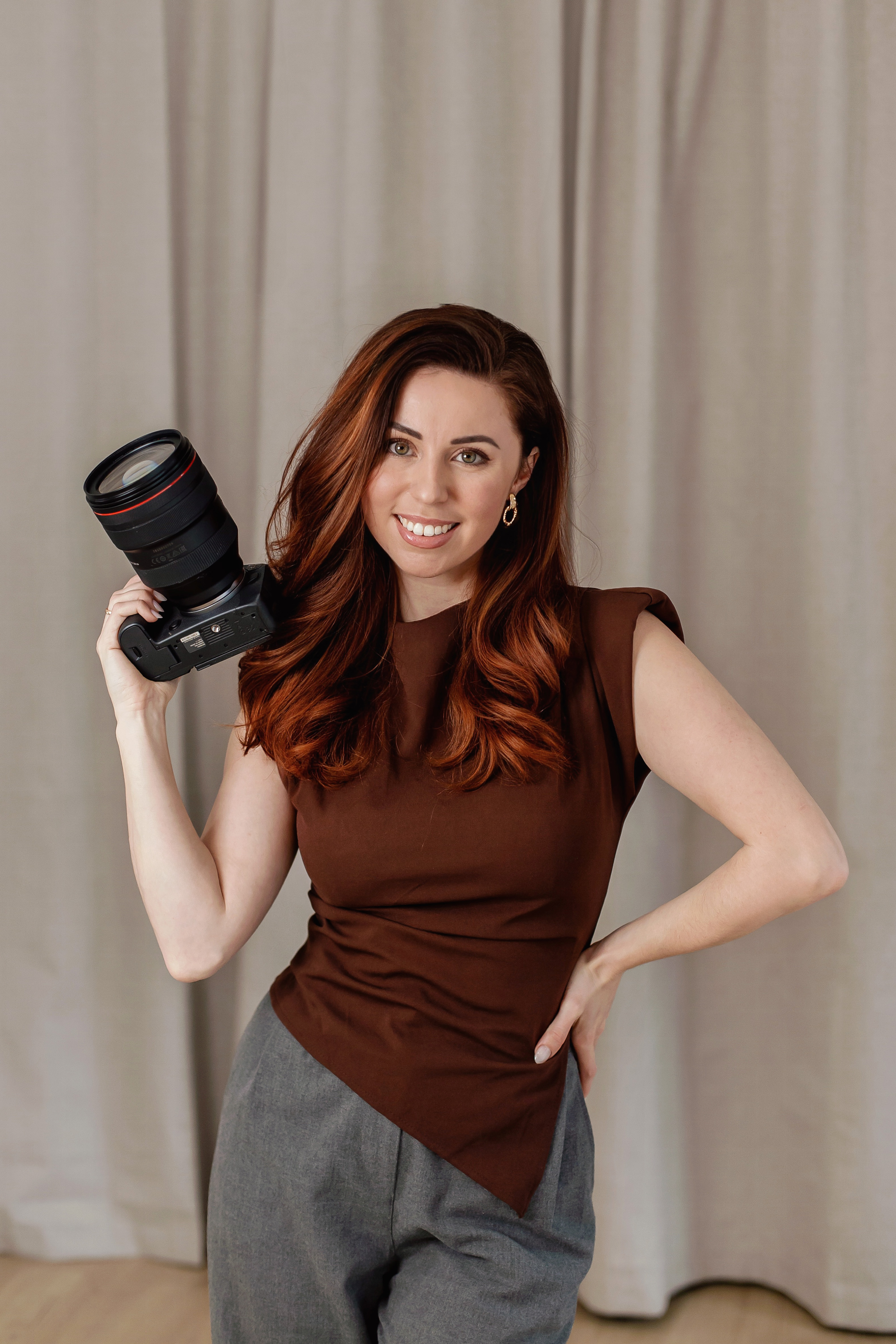
Yana Skakun
Photographer · England
Professional wedding, family and portrait photographer based in England. Passionate about capturing authentic emotions and timeless moments.
About Yana →luxury wedding planners londonlondon wedding plannerfull service wedding planningluxury wedding UKwedding day coordination londonlondon wedding venues
Wedding Tips — Wedding Photography in Cambridge & England
Yana Skakun is a professional wedding photographer based in Cambridge, covering weddings across England — from intimate elopements to full-day ceremonies at country houses, barns, and city venues. Every couple receives a relaxed, documentary approach that captures the day as it truly unfolds. This guide — Top Wedding Planners in London for Luxury Weddings — is part of the photography journal: practical, experience-based advice drawn from real sessions across England. Whether you arrived searching for luxury wedding planners london or london wedding planner, the same care and attention shapes every session Yana photographs.
Wedding Photography sessions are available year-round, with bookings open across Cambridge, Ely, Huntingdon, Peterborough, and further afield — East England, London, the Midlands, and beyond. If you have specific questions about full service wedding planning, mention it in your enquiry. Get in touch through the contact form above to check availability and discuss your session. Enquiries are welcomed from anywhere in the UK.
Frequently Asked Questions
How much does a wedding photographer cost in England?+
Wedding photography in England typically ranges from £1,500 to £4,000+ for a full day. Price depends on experience, coverage hours, and whether albums or engagement shoots are included. Most photographers charge between £2,000–£3,000 for 8–10 hours of coverage.
How early should you book a wedding photographer?+
For peak season (May–September), book 12–18 months in advance. For autumn and winter weddings, 9–12 months is usually sufficient. Popular photographers at popular venues fill up fast — as soon as you have a date and venue confirmed, start reaching out.
How many photos do you get from a wedding photographer?+
Most professional wedding photographers deliver 400–800 edited images for a full-day wedding. The exact number depends on coverage hours, how many guests there are, and the photographer's editing style. Quality matters more than quantity — a curated gallery of 500 images tells the story better than 1,500 unedited files.
Do you need a second photographer at your wedding?+
A second photographer is helpful if you want simultaneous coverage of getting-ready moments in different locations, multiple angles during the ceremony, or more candid coverage during the reception. It adds cost but significantly increases the variety and completeness of your gallery.
What is the difference between documentary and editorial wedding photography?+
Documentary (reportage) wedding photography captures moments as they happen — the photographer observes and doesn't intervene. Editorial photography involves deliberate direction: placing you in good light, shaping compositions, creating intentional portraits. Most photographers blend both styles throughout the day.
Continue Reading
Related Articles

Wedding Tips
Sustainable Eco-Friendly Wedding Guide — Planning a Green Celebration
15 min read · Read Article
Wedding Tips
Trash the Dress Session — Complete Planning and Photography Guide
14 min read · Read Article
Wedding Tips
Client Communication for Photographers — From Enquiry to Gallery Delivery
15 min read · Read Article
Get in Touch
Ready to Book Your Session?
Get in touch to discuss your vision — I'll reply within 24 hours.