Yana Skakun

University Graduation Photography: Why Professional Photos Are Worth the Investment
By Yana Skakun·10 July 2026·8 min read
Graduation day arrives after years of work, and for most students it happens once. There is no second sitting of finals, no repeat of the walk across the courtyard in a gown you will likely never wear again, no do-over of the exact configuration of family who managed to be in the same city on the same afternoon. Given all of that, it is worth asking honestly why so many graduates rely on a rushed phone photo outside the ceremony venue, or a single official photographer's image taken mid-stride as they cross a stage. The short answer is that graduation photography has traditionally been treated as an afterthought, squeezed into a day that is already full of logistics, gowns, timings, and family coordination. I think that is a shame, because a graduation is exactly the kind of milestone that photographs well when it is given proper attention, and exactly the kind of day people regret not documenting properly once it has passed.
Why Graduation Photography Deserves Real Investment
A degree ceremony marks the end of a specific, unrepeatable period of a person's life. The friendships, the workload, the version of yourself who moved into halls as an eighteen-year-old and left as someone entirely different — none of that gets a second photograph. Parents and grandparents who have supported a student through years of study, often at real financial and emotional cost, are present for a single afternoon that represents the return on all of that support. That combination of significance and irreversibility is precisely what makes professional photography worth the investment: it is one of the few days in a person's twenties where everyone who matters is in the same place, dressed formally, and genuinely happy to be photographed.
The official photographer hired by the university or the ceremony venue typically captures one framed moment — usually the handshake or the walk across the stage — and does so at volume, processing hundreds of graduates through an assembly line in a single afternoon. That image has its place, but it is not a substitute for photographs that actually show who was there, how people looked at each other, and what the day genuinely felt like. A dedicated session, either immediately before or after the ceremony, produces a completely different kind of record: one built around your actual family and your actual friends rather than a generic institutional backdrop.
What to Expect During a Graduation Session
A typical graduation session runs somewhere between thirty minutes and an hour, scheduled either before the ceremony while everyone is still fresh and the gown is still crisp, or immediately after while the mood is celebratory and relief has properly set in. I usually recommend booking a slot that sits just outside the ceremony itself, because trying to squeeze photography into the same window as robing, seating, and the procession tends to create stress that shows up in the images. A short window with nothing else competing for attention almost always produces better results than trying to fit everything into the gaps of an already tightly scheduled day.
During the session I aim to cover a mix of formal and informal images: the graduate alone in their gown and hood, the graduate with each parent or guardian individually, full family groupings, and looser, more candid shots with friends who have gone through the same course together. Those friend-group photographs are often the ones graduates value most a decade later, because they are the people who will scatter to different cities and different lives within a few months, and the photograph becomes one of the few remaining records of a group that existed in that exact form for a brief window of time.
I also try to capture some detail and environment shots — the gown itself, the hood colours that denote the specific degree and institution, the building or college where the ceremony takes place. These details matter more than people expect at the time; years later, a photograph of a specific college doorway or a specific gown colour combination becomes a genuinely useful anchor for memory in a way that a generic portrait does not.
How to Prepare for the Day
Preparation for a graduation session is mostly about logistics rather than styling, because the gown does most of the visual work already. That said, a few practical steps make a real difference. Collect your gown, hood, and cap the day before if possible, so you are not ironing creases out of it in the final twenty minutes before the ceremony. Bring a spare hairbrush and any touch-up items you might want, since mortarboards and hoods have a habit of disturbing hair in ways you will not notice until you see the photographs. If you wear glasses, bring a cloth — ceremony venues get warm, and lens glare in photographs is easy to avoid with thirty seconds of attention beforehand.
Coordinate with family in advance about where and when to meet for the photography slot. Graduation days involve enormous crowds, one-way pedestrian systems around ceremony venues, and parking that fills up hours before the event starts. Agreeing a specific meeting point well ahead of time, rather than trying to find each other by phone in a crowd of several thousand people, removes one of the more common sources of stress on the day. If you are working with a photographer for a dedicated session, confirm the exact meeting location, arrival time, and a contingency plan in case the ceremony itself overruns, which happens more often than universities like to admit.
Think, too, about who you actually want in the photographs. It sounds obvious, but the number of people trying to coordinate schedules around a single afternoon — siblings, grandparents, partners, close friends who happen to be visiting — means it is worth having a rough list beforehand of the groupings you want captured, so the session moves efficiently rather than working it out on the spot while everyone waits.
Choosing the Right Location
Cambridge is a particularly strong setting for graduation photography, and much of that comes down to the architecture itself doing genuine work in the frame. College courtyards, the Backs along the river, the approach to Senate House, and the various chapel and gatehouse frontages all provide a backdrop with real texture and history rather than a generic lawn or car park. If your ceremony takes place at a specific college, that college's own courtyards and gardens are often the most meaningful location for photographs, since they are tied directly to the years actually spent there rather than being an arbitrary pretty setting chosen for its looks alone.
Timing around location matters as much as the location itself. Cambridge on graduation days gets extremely busy, with multiple ceremonies often running across the same afternoon and courtyards filling with dozens of other families doing exactly the same thing. Scheduling a session slightly earlier or later than the peak crush, even by thirty or forty minutes, makes a noticeable difference to how much space and how much genuine quiet you get in a location that would otherwise be shoulder to shoulder with other graduating groups.
For students graduating elsewhere in the UK, the same principle applies: look for the locations on campus or in the surrounding town that carry actual meaning — the library you spent three years in, the department building, a favourite spot on campus — rather than defaulting only to whatever backdrop the ceremony organisers have set up. A photograph in front of a building you have a genuine relationship with tends to age better emotionally than one taken in front of a step-and-repeat banner.
Booking ahead matters
Graduation dates are set by universities well in advance, and the best photography slots — particularly around peak Cambridge congregation weeks — are booked out early. If you know your ceremony date, it is worth getting in touch as soon as it is confirmed rather than waiting until the final few weeks, when availability for that specific week narrows considerably.
Get in touchGetting Natural, Unforced Results
Graduation photographs have a tendency to look stiff when everyone is asked to line up and smile on command, which is exactly what happens in the official queue-based photography that most ceremonies provide. The way around this is fairly simple: give people something to actually do or react to, rather than asking them to hold a static pose. Asking a parent to say something to their graduate rather than just standing beside them, or asking friends to talk to each other for a moment rather than staring at the lens, produces expressions that look like the day actually felt — relief, pride, and a fair amount of genuine laughter, since graduation days tend to be some of the most unguarded, high-emotion days a family has together.
Throwing the mortarboard is a genuine cliché at this point, but clichés earn their status for a reason, and a well-timed toss photographed properly still produces one of the most reliably joyful images of the whole day. I tend to do a couple of takes rather than one rushed attempt, since the first throw is often more about nerves than joy and the second or third genuinely relaxes into a better expression.
Weather in the UK being what it is, it is worth having a loose plan B for indoor or covered locations in case of rain, particularly for ceremonies scheduled in the notoriously unpredictable months of spring and early summer. A courtyard archway or a college cloister can produce images just as strong as an open lawn, and knowing that option exists in advance removes a lot of the anxiety around checking forecasts obsessively in the week before the ceremony.
Common Questions About Graduation Photography
A question I hear often is whether it is worth booking a photographer separately when the university already provides one. My honest view is that the two serve different purposes rather than competing with each other. The official photographer produces a formal record of the specific moment of conferral, useful in its own right, but it does not capture your actual family, your actual friends, or the wider context of the day. A dedicated session fills that gap.
Another frequent question is how many people can realistically be included in a single session. There is no strict limit, but larger groups — extended family, several friend groups, multiple generations — do benefit from a slightly longer time slot so that each combination of people gets a proper, unhurried few minutes rather than being rushed through in sequence. It is worth mentioning your expected group size when booking so the session length can be planned accordingly.
People also ask whether graduation photography is really different from a standard portrait session, given that both involve a similar mix of formal and informal images. In practice, the emotional register of a graduation is distinct from most other portrait work I do — there is a specific mix of pride, exhaustion, and release that shows up in expressions on graduation day and rarely appears in quite the same way elsewhere, and it is worth a photographer who understands how to work with that energy rather than imposing a generic portrait structure onto it. You can see more of how I approach portraiture generally on the portraits page, and current session pricing is listed on the pricing page if you want a sense of cost before getting in touch.
Graduation happens once, and the version of your family gathered together for it — the specific mix of people, at the specific ages they are, in that specific gown on that specific afternoon — will never be assembled again in quite the same way. I am Yana Skakun, a Cambridge-based photographer working across the UK, and graduation photography is one of the sessions I most enjoy precisely because of how much genuine, unguarded emotion tends to be in the room. You can read more about my approach on the about page, and if you have a graduation date confirmed, I would encourage getting in touch as early as you can to secure the slot you want.
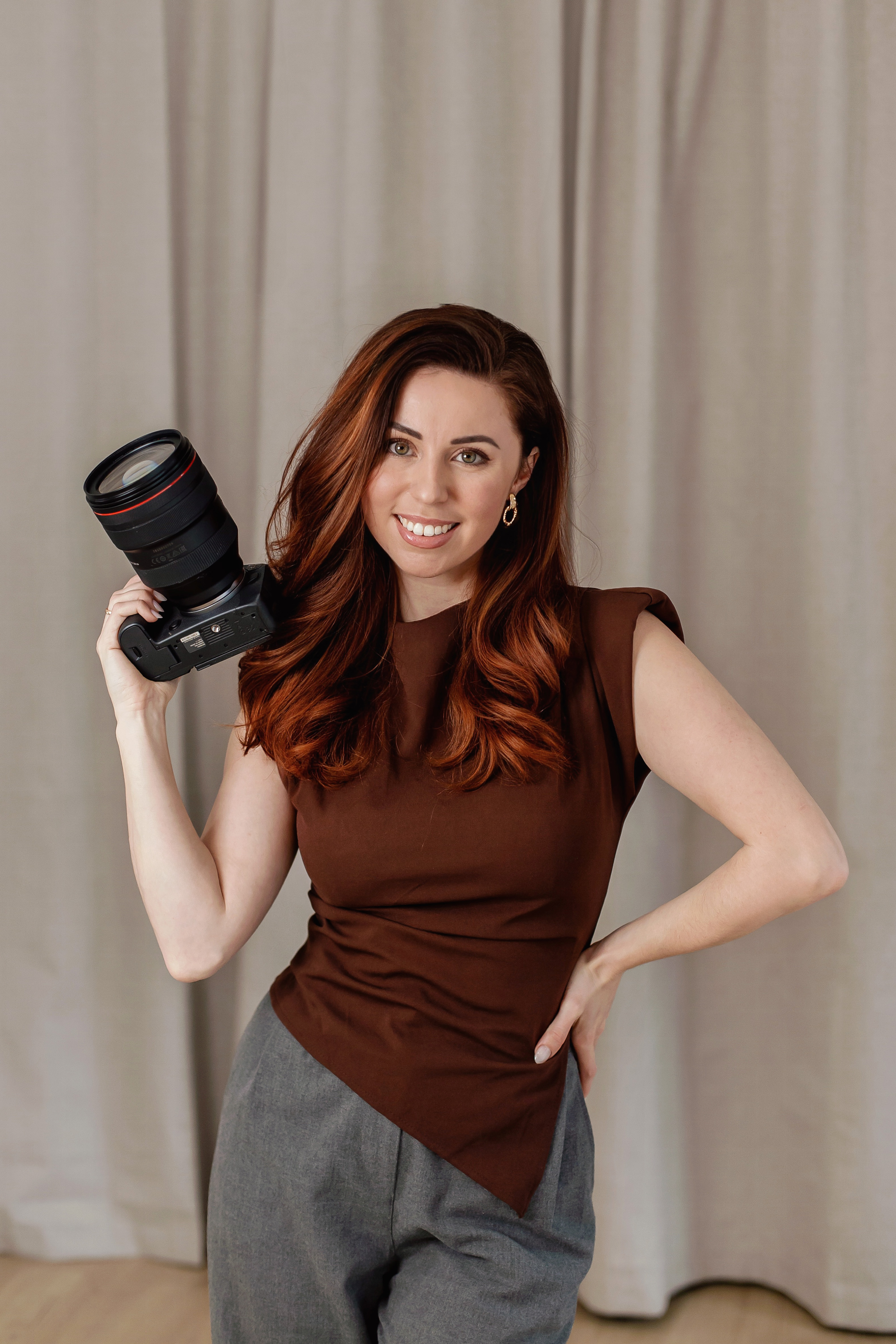
Yana Skakun
Photographer · England
Professional wedding, family and portrait photographer based in England. Passionate about capturing authentic emotions and timeless moments.
About Yana →graduation photographyuniversity graduation photosgraduation photographer Cambridgeprofessional graduation portraitsgraduation photoshoot tipsCambridge graduation photography
Portrait Tips — Portrait Photography in Cambridge & England
Portrait sessions with Yana Skakun are unhurried and personal — designed to produce images that feel genuinely like you, not a performance. Sessions are available in Cambridge, across East England, and at locations throughout the UK. This guide — University Graduation Photography: Why Professional Photos Are Worth the Investment — is part of the photography journal: practical, experience-based advice drawn from real sessions across England. Whether you arrived searching for graduation photography or university graduation photos, the same care and attention shapes every session Yana photographs.
Portrait Photography sessions are available year-round, with bookings open across Cambridge, Ely, Huntingdon, Peterborough, and further afield — East England, London, the Midlands, and beyond. If you have specific questions about graduation photographer cambridge, mention it in your enquiry. Get in touch through the contact form above to check availability and discuss your session. Enquiries are welcomed from anywhere in the UK.
Frequently Asked Questions
How do I look natural in portrait photos?+
The key is to keep moving — walking, talking, laughing. Still poses often look stiff. A good portrait photographer will direct you gently rather than just pointing and shooting. Take a breath, drop your shoulders, and try to focus on something that makes you happy rather than worrying about how you look.
What should I wear for a portrait session?+
Wear something you feel good in — not something borrowed or brand new that you haven't worn before. Solid colours photograph better than busy patterns. Bring a second outfit for variety. Think about the location: flowing fabrics work beautifully outdoors; tailored looks suit urban settings.
How long does a portrait session take?+
Standard portrait sessions last 60–75 minutes. This allows enough time to warm up, try different locations and poses, and explore a couple of looks without rushing. If you're very camera-shy, a longer session helps — the more relaxed you become, the better the final images.
What locations are best for outdoor portrait photography?+
Gardens, parks, riverside paths, woodland, and areas with interesting architecture all make great portrait backgrounds. The most important factor is light — a location with open shade or soft directional light will always photograph better than a technically beautiful spot in harsh midday sun.
What is the difference between a portrait session and a headshot session?+
Portrait sessions focus on you as a whole person — full-body, three-quarter, and close-up images in a relaxed, often outdoor setting. Headshot sessions focus specifically on professional or actor headshots: face and upper body, often in a controlled setting with consistent, professional lighting.
Continue Reading
Related Articles

Portrait Tips
Glasses and Glare in Photography: How to Get Great Results
6 min read · Read Article
Portrait Tips
Fake Tan Before a Photoshoot: Timing, Application, and What Can Go Wrong
6 min read · Read Article
Portrait Tips
Hair and Makeup for a Photoshoot: What Photographs Well
7 min read · Read Article
Get in Touch
Ready to Book Your Session?
Get in touch to discuss your vision — I'll reply within 24 hours.