Yana Skakun
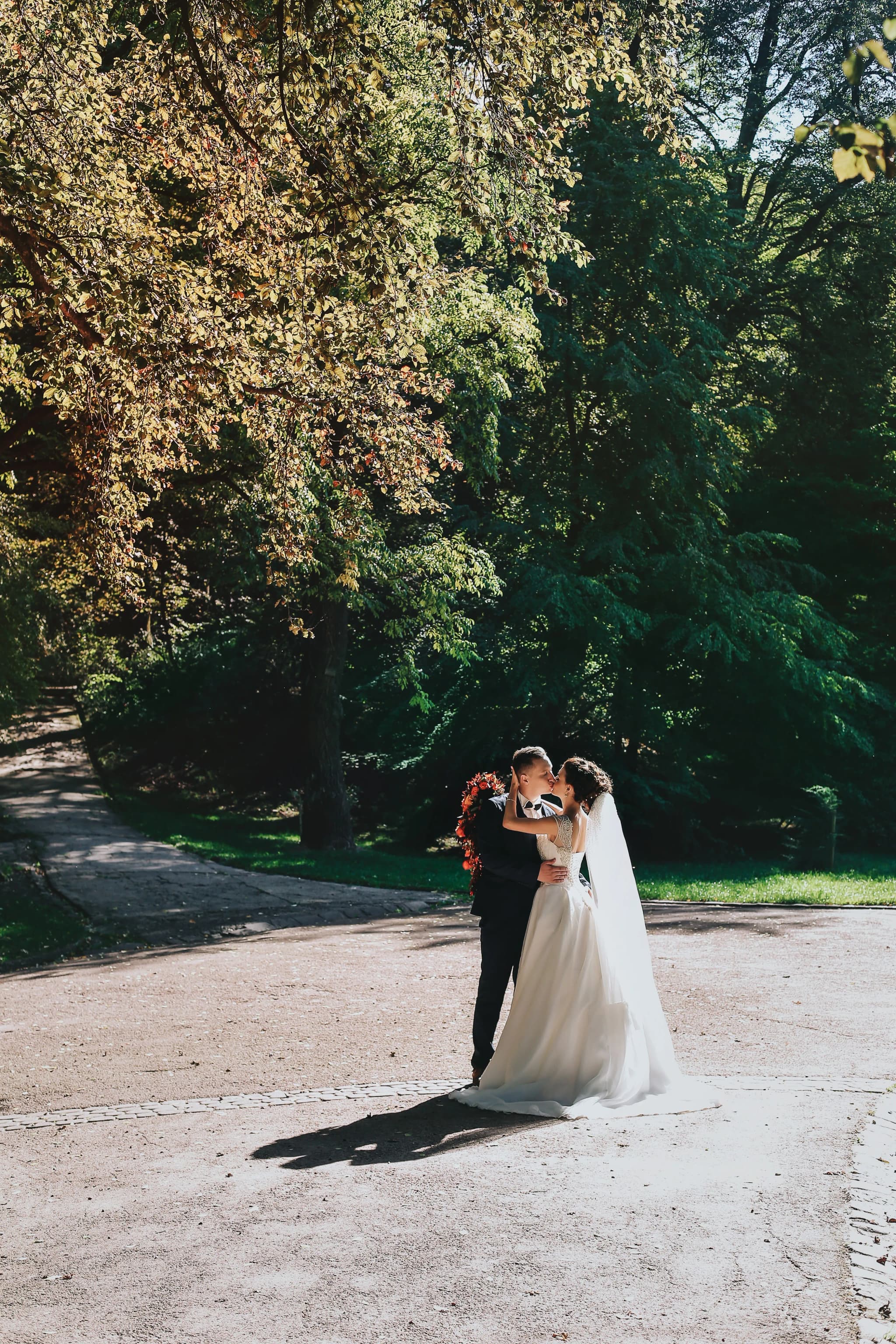
Val d'Orcia Elopement Photography: UNESCO Landscape, Podere Belvedere and Pienza
By Yana Skakun·18 April 2026·7 min read
The Val d'Orcia in southern Tuscany is one of the most photographed landscapes in the world — and for good reason. This UNESCO World Heritage landscape of rolling clay hills (crete senesi), isolated farmhouses perched on hilltops, rows of cypress trees marching along ridge lines, and medieval hill towns rising from the valley floor is the defining image of Tuscany. At golden hour, the light turns the pale hills amber and rose, and the shadow lines of cypress rows fall long across the fields in a way that looks almost artificially perfect.
The Val d'Orcia Landscape
The valley runs roughly from Siena in the north to the Amiata peninsula in the south. The iconic landscapes are concentrated around the communes of Pienza, Montalcino, Montepulciano, Castiglione d'Orcia, and Bagno Vignoni. The characteristic feature is the crete senesi — heavily eroded gullied clay hillsides, pale grey-green in winter and harvest gold in summer, that create a lunar, minimalist landscape unlike any other part of Italy. Combined with the lone cypress trees, stone farmhouses (poderi), and the snaking white gravel roads (strade bianche), the Val d'Orcia is an elopement photographer's most powerful Italian landscape.
Key Photography Locations for Elopements
- ◆Podere Belvedere (near San Quirico d'Orcia): The most photographed single farmhouse in Tuscany — a stone podere on a hilltop surrounded by arching cypress trees, with the rolling crete senesi hillside behind it. This location has been on the cover of countless Tuscany travel books and is instantly recognisable. Early morning fog filling the valley below is extraordinary.
- ◆Pienza: The 15th-century ideal Renaissance city built by Pope Pius II on a Val d'Orcia hilltop. The cathedral facade on the central piazza, the town's loggia and terraces, and the fortified perimeter with views across the valley offer multiple ceremony and portrait spaces. The main piazza at dawn — before the coach-tour day-trippers arrive — is empty, golden, and magnificent.
- ◆The Strade Bianche: The white gravel roads that cross the Val d'Orcia ridgelines are a quintessential landscape element. Driving or walking along a strade bianca with the valley spreading out either side, cypress trees marking farmstead boundaries, takes couples into the heart of the landscape for intimate portrait sequences.
- ◆Montalcino: Town of Brunello di Montalcino wine, dominated by its 14th-century fortress. Below the town, the Montalcino vineyards produce the most famous red wine in Italy. The fortress ramparts give panoramic views across the southern Val d'Orcia to Monte Amiata.
- ◆Bagno Vignoni: A village with an extraordinary central feature — the main piazza has been replaced by a large Renaissance thermal pool (no longer usable for bathing but visually extraordinary). The thermal pools and the valley views from the surrounding cliffs are distinctive and unusual elopement settings.
Best season and time: The Val d'Orcia is most beautiful in May (when the rape (colza) fields are yellow and the hills are green), in late September–October (harvest gold, warm amber light), and in winter when frost covers the crete and morning fog fills the valleys. Golden hour in the Val d'Orcia — the last 60–90 minutes before sunset — produces some of the most extraordinary natural light available anywhere in Europe.
Elopement Logistics in the Val d'Orcia
The Val d'Orcia is reached by road from Rome (2h 30m to Pienza) or from Florence (1h 15m to the northern edge of the valley). The nearest large airport is Florence (Amerigo Vespucci) or Rome Fiumicino for transatlantic arrivals. A hire car is essential — the landscape only opens up when you can explore the strade bianche and reach the isolated farmhouses and hilltop positions that make the photography extraordinary.
Most couples stay in an agriturismo in or around the valley — Pienza, San Quirico d'Orcia, and Montalcino all have good accommodation within easy reach of the iconic photography spots. For a two-day elopement session, the Pienza surrounds and the Podere Belvedere area form a natural pairing for Day 1, with Montalcino and the Brunello vineyards for Day 2.
Val d'Orcia Elopement and Destination Photography
The Val d'Orcia is one of the most visually rewarding destination photography landscapes I work in. I offer full elopement packages for the valley combining sunrise, golden hour, and ceremony coverage. Enquire to discuss your Tuscany plans.
Enquire About Val d'Orcia Elopement Photography

Yana Skakun
Photographer · England
Professional wedding, family and portrait photographer based in England. Passionate about capturing authentic emotions and timeless moments.
About Yana →Val d'Orcia elopement photographerTuscany UNESCO landscape weddingPodere Belvedere photographyPienza weddingdestination elopement Val d'Orcia
Destination Weddings — Professional Photography in Cambridge & England
Yana Skakun is a professional photographer based in Cambridge, covering weddings, families, and portraits across England. Every session is personal — planned around your story, your people, and the moments that matter most. This guide — Val d'Orcia Elopement Photography: UNESCO Landscape, Podere Belvedere and Pienza — is part of the photography journal: practical, experience-based advice drawn from real sessions across England. Whether you arrived searching for val d'orcia elopement photographer or tuscany unesco landscape wedding, the same care and attention shapes every session Yana photographs.
Professional Photography sessions are available year-round, with bookings open across Cambridge, Ely, Huntingdon, Peterborough, and further afield — East England, London, the Midlands, and beyond. If you have specific questions about podere belvedere photography, mention it in your enquiry. Get in touch through the contact form above to check availability and discuss your session. Enquiries are welcomed from anywhere in the UK.
Frequently Asked Questions
What camera settings should I use for outdoor portraits?+
For outdoor portraits, shoot in aperture priority mode. Use a wide aperture (f/1.8–f/2.8) to blur the background and isolate your subject. Keep ISO as low as possible in good light. In bright conditions, use a neutral density filter or switch to manual to avoid overexposure at wide apertures.
What is the golden hour in photography?+
Golden hour is the period roughly 30–60 minutes after sunrise and before sunset. The sun is low in the sky, producing warm, soft, directional light that flatters skin tones and creates beautiful long shadows. It's widely considered the best natural light for portrait and outdoor photography.
How do you get sharp photos in low light?+
In low light, increase your ISO (accepting some grain), use the widest aperture your lens allows, and slow your shutter speed to the slowest you can hand-hold without camera shake (roughly 1/focal length as a guide). Use image stabilisation if available, and consider a tripod for static subjects.
What is the rule of thirds in photography?+
The rule of thirds divides the frame into a 3×3 grid. Placing your subject on one of the four intersection points — rather than dead centre — creates a more dynamic, visually interesting composition. It's a guideline, not a rule: some of the most powerful images break it deliberately.
How do you edit photos to look professional?+
Professional editing starts with shooting in RAW format. In Lightroom or similar software, correct exposure, white balance, and contrast first. Recover shadow and highlight detail. Apply gentle colour grading for mood. Be conservative with skin retouching — the goal is natural enhancement, not transformation. Consistency across a set of images is what separates professional from amateur editing.
Continue Reading
Related Articles
Destination Weddings
Ireland Wedding Photography Guide: Wild Atlantic Way, Castles and the Emerald Landscape
9 min read · Read Article
Destination Weddings
Loch Lomond Wedding Photography: Scotland's Most Accessible Highland Landscape
7 min read · Read Article
Destination Weddings
Gretna Green Elopement Photography: Scotland's Famous Blacksmith and the Border Village
7 min read · Read Article
Get in Touch
Ready to Book Your Session?
Get in touch to discuss your vision — I'll reply within 24 hours.