Yana Skakun

Vintage 1920s Great Gatsby Theme Wedding Photography
By Yana Skakun·10 July 2026·8 min read
There is a particular kind of glamour that a 1920s theme brings to a wedding day, and it photographs beautifully — if it is planned with photography in mind from the start. Great Gatsby weddings are having a genuine moment in the UK right now: art deco stationery, feather headpieces, low-slung pearls, jazz-age suits, and reception venues dressed in gold and black. As a wedding photographer who has covered a number of vintage-themed days across Cambridgeshire and beyond, I want to share what actually works when a couple commits to a 1920s aesthetic, and what tends to trip people up when the theme is treated as a decoration exercise rather than something considered alongside the photography and the light.
Why the 1920s Theme Suits Photography So Well
Most wedding themes are about colour and props. The 1920s theme is different because it is fundamentally about silhouette, texture, and light — three things that translate directly into strong photographs rather than staying at the level of styling. Drop-waist dresses, structured tailoring, art deco geometry in the stationery and decor, and the glint of sequins or beading under directional light all create images with genuine visual interest even before a single pose is considered. Where a lot of modern wedding styling relies on soft, diffused, evenly lit rooms, the Gatsby aesthetic actively wants contrast: gold against black, sharp lines against soft feathers, warm lamplight against cool evening air. That contrast is a gift for a photographer, because it gives images depth and mood rather than the flat, pretty-but-forgettable look that overly uniform styling can produce.
It also tends to attract couples who care about detail, which makes the documentary side of the day much richer. Cigarette holders, vintage cars, brass and glass bar setups, monogrammed matchbooks, hand-lettered menus — these are the kind of details that reward close, considered photography rather than being an afterthought squeezed in before the ceremony. If you are drawn to this theme, lean into it as something that shapes the whole day's visual language, not just the reception decor.
Venues That Actually Suit an Art Deco or Gatsby Feel
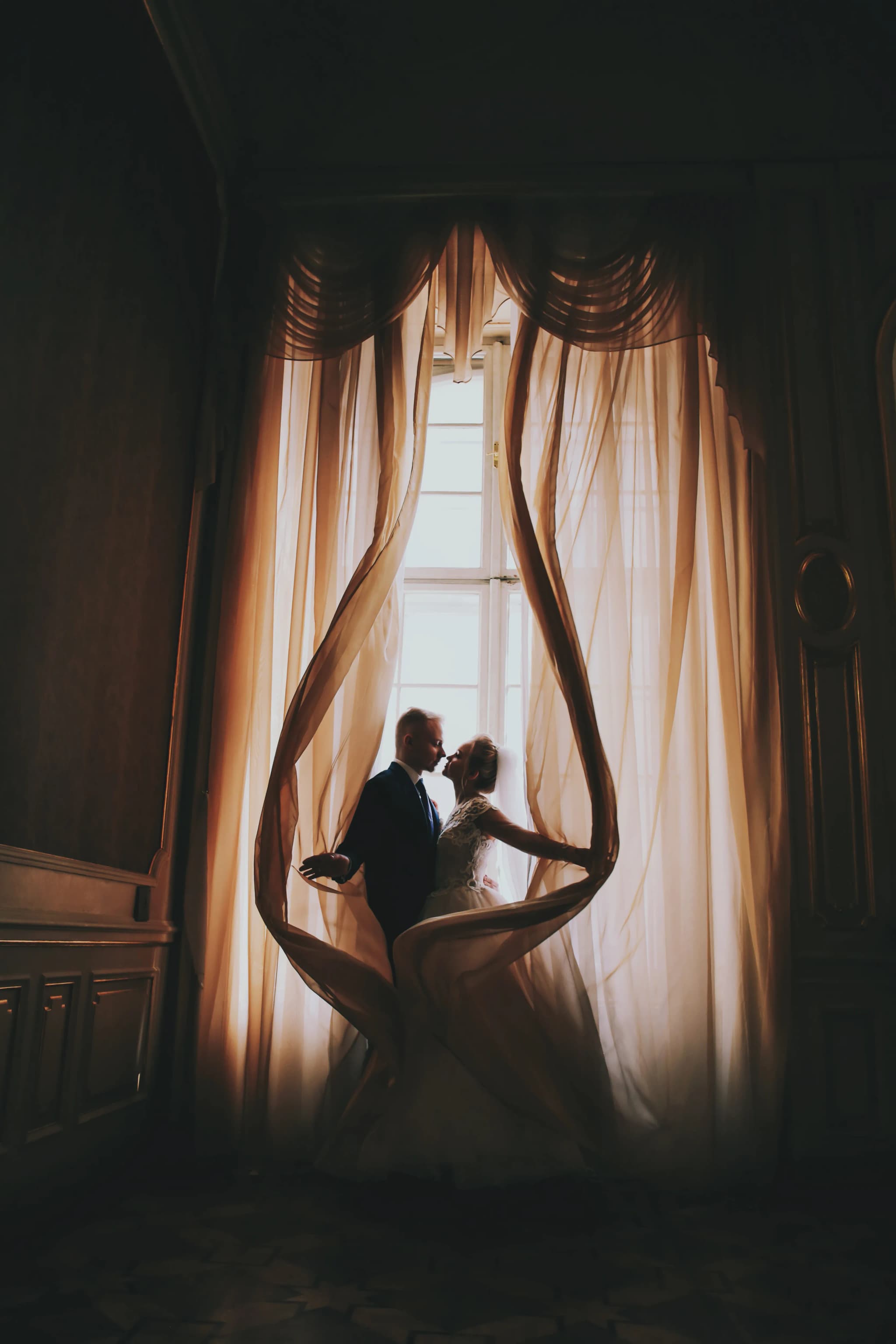
Not every venue needs the theme forced onto it, and some genuinely resist it. The strongest results come from venues that already have some of the bones of the era: high ceilings, period detailing, dark wood panelling, or a ballroom with good architectural presence. Cambridgeshire has several venues that lend themselves naturally to this — grand country houses with libraries and galleried halls, and city venues with genuine period character, work far better than a modern marquee that has to be entirely dressed to fit the brief. If your venue leans contemporary and minimal, the theme can still work, but it will rely much more heavily on styling, lighting, and props to carry it, which raises both the cost and the risk of it feeling like a costume party rather than a considered aesthetic.
When couples ask me for advice at the venue-viewing stage, I always suggest walking the space at the time of day the key photographs will happen and paying attention to where natural light falls against dark surfaces — a shaft of late-afternoon sun across a dark wood floor or a black-and-gold bar photographs dramatically well, while the same room lit only by flat overhead lighting will need much more work from a lighting setup on the day. If you are still choosing a venue and want a second opinion on how a particular room will photograph for this kind of theme, it is worth discussing during a planning conversation — you can see examples of how different venues and light conditions come together across full days on the weddings page.
Styling Details That Make the Biggest Difference in Photographs
Beading and sequin work catches light in a way that flat fabric does not, so a beaded dress, a sequin clutch, or a beaded headpiece will consistently produce the strongest close-up detail shots of the day. Feathers add movement and texture, particularly in headpieces and boas, and photograph well against both bright outdoor light and warm indoor lamplight. Pearls, worn long and layered in the period style rather than as a single modern strand, read clearly in portraits and add a genuine sense of period accuracy without requiring a full costume commitment.
For the groom and groomsmen, waistcoats, braces, and two-tone shoes do more visual work than a full head-to-toe costume change, and they photograph naturally alongside modern suiting rather than looking like fancy dress. A pocket watch, a flat cap or boater for less formal moments, and a simple bow tie all nod to the era without tipping into theatrical territory. The couples whose photographs age best are usually the ones who chose two or three strong, well-made period details rather than trying to source an entire wardrobe of exact reproductions.
On flowers and stationery, art deco geometry — fan shapes, sunburst motifs, gold foil, sharp typography — pairs well with loose, slightly overblown floral arrangements in deep jewel tones: emerald, burgundy, navy, and gold-toned foliage like eucalyptus or copper beech. The contrast between rigid geometric design elements and soft, generous florals is very much in keeping with the period and gives a stylist and a photographer plenty to work with in the flat-lay and detail images at the start of the day.
Planning a themed wedding day
If you are planning a 1920s or art deco themed wedding anywhere in Cambridgeshire or further afield, it genuinely helps to talk through the venue, the light, and the styling with your photographer before the big decisions are locked in. A short planning conversation early on can save a lot of second-guessing later and means the photography, the styling, and the timeline are all working together rather than being figured out separately.
Get in touchLighting a Gatsby-Themed Reception
Evening receptions with a jazz-age theme tend to favour low, warm, atmospheric lighting — candles, string lights, lamps, and gold uplighting rather than bright even light. This is beautiful to be in and beautiful to photograph, but it requires a different technical approach than a bright, evenly lit modern reception. Low ambient light with pools of warm lamp glow against dark walls creates real depth and drama in photographs, provided the exposure and flash work is handled carefully so that faces stay clear and skin tones stay natural rather than the whole room reading as an orange blur.
I generally recommend against relying entirely on candlelight for a first dance or speeches, since it rarely provides enough consistent light for sharp images once people are moving, but a few well-placed practical lights combined with careful off-camera flash work can preserve the moody, warm atmosphere the couple wants while still producing images with genuine clarity and colour accuracy. If band or DJ lighting is part of the evening, it is worth flagging the 1920s theme to them directly — warm amber and gold lighting rigs suit the aesthetic far better than the blue and purple washes that are the default for a lot of modern wedding entertainment lighting.
Timeline Considerations for a Themed Day
A heavily styled, detail-rich wedding needs a little more time built into the schedule than a simpler day, particularly around the flat-lay and detail photography before the ceremony and the couple portraits. If you have invested in specific props, a vintage car, or a particular styling moment, it is worth allocating a dedicated slot for it rather than hoping it happens organically between other things. I always ask couples with a strong theme to send through a list of the details they most want captured — the cigarette holder, the specific brooch, the car, the signature cocktail — so nothing meaningful gets missed in a day that is naturally busier than average.
Golden hour portraits work particularly well with this theme because the warm, low evening light echoes the same amber and gold palette as the styling, creating a cohesive look across the whole gallery rather than a jarring shift between daytime and evening tones. If your venue and season allow for it, protecting twenty to thirty minutes around sunset for portraits is one of the highest-value timeline decisions you can make for a themed day like this.
Keeping It Genuine Rather Than a Costume Party
The Gatsby weddings that photograph best over time are the ones where the theme feels like an extension of the couple's taste rather than a full re-enactment. A tightly curated set of period-accurate details against a genuinely elegant, well-chosen venue will look timeless in ten years. A wedding where every guest is asked to dress head-to-toe in 1920s costume can look wonderful on the day but risks reading, in photographs viewed a decade later, as more of a themed party than a wedding. My honest advice to couples is to let the theme guide the styling, the flowers, the stationery, and perhaps the couple's own outfits, while keeping the wider guest dress code more relaxed unless everyone attending is genuinely enthusiastic about committing to it.
This is also where thinking ahead to your final images pays off. A themed wedding produces a gallery with real visual cohesion — the gold tones, the period silhouettes, the warm evening light — and that cohesion is exactly what makes for a striking wedding album, where the sequencing of detail shots, portraits, and reception moments can echo the art deco design language of the day itself.
If You Are Planning a Smaller or More Intimate Gatsby Wedding
The 1920s aesthetic is not only for large, full-scale weddings. A number of couples I have worked with have taken exactly this theme and applied it to a much smaller, more intimate day — a handful of guests, a beautifully dressed room, and the same attention to styling and detail, without the scale of a hundred-plus guest reception. If you are drawn to the aesthetic but want a quieter, more personal day, it is worth looking at what an elopement or small wedding approach could offer, since the theme's strongest elements — styling, light, and detail — often come through even more clearly when there is less going on around them.
Choosing a Photographer for a Themed Wedding
Not every photographer will be equally comfortable working in low, warm, contrast-heavy light, and not every photographer will think to shape a shot list around period detail rather than the standard modern checklist. When you are looking at portfolios, look specifically for evidence of low-light indoor work, genuine skin tone accuracy under warm lighting, and an eye for the kind of close, considered detail photography that a themed wedding rewards. It is a fair question to ask directly in a consultation, and any photographer confident in this kind of work should be glad to talk through it. You can see the general approach to full wedding days, including evening reception coverage, on the wedding photographer pages, alongside current pricing for full and partial day coverage.
A well-executed 1920s or Great Gatsby theme is one of the most photogenic choices a couple can make for their wedding day, provided the venue, the light, and the styling are considered together rather than treated as separate decisions made in isolation. If you are planning a vintage or art deco themed wedding in Cambridgeshire or further afield and want to talk through how the day could come together, I would love to hear about it — get in touch and let's start planning. This is exactly the kind of considered, detail-led wedding that Yana Skakun Photography enjoys working on most.

Yana Skakun
Photographer · England
Professional wedding, family and portrait photographer based in England. Passionate about capturing authentic emotions and timeless moments.
About Yana →vintage 1920s wedding photographyGreat Gatsby wedding themeart deco weddingvintage wedding styling UKCambridgeshire wedding photographerjazz age wedding
Wedding Tips — Wedding Photography in Cambridge & England
Yana Skakun is a professional wedding photographer based in Cambridge, covering weddings across England — from intimate elopements to full-day ceremonies at country houses, barns, and city venues. Every couple receives a relaxed, documentary approach that captures the day as it truly unfolds. This guide — Vintage 1920s Great Gatsby Theme Wedding Photography — is part of the photography journal: practical, experience-based advice drawn from real sessions across England. Whether you arrived searching for vintage 1920s wedding photography or great gatsby wedding theme, the same care and attention shapes every session Yana photographs.
Wedding Photography sessions are available year-round, with bookings open across Cambridge, Ely, Huntingdon, Peterborough, and further afield — East England, London, the Midlands, and beyond. If you have specific questions about art deco wedding, mention it in your enquiry. Get in touch through the contact form above to check availability and discuss your session. Enquiries are welcomed from anywhere in the UK.
Frequently Asked Questions
How much does a wedding photographer cost in England?+
Wedding photography in England typically ranges from £1,500 to £4,000+ for a full day. Price depends on experience, coverage hours, and whether albums or engagement shoots are included. Most photographers charge between £2,000–£3,000 for 8–10 hours of coverage.
How early should you book a wedding photographer?+
For peak season (May–September), book 12–18 months in advance. For autumn and winter weddings, 9–12 months is usually sufficient. Popular photographers at popular venues fill up fast — as soon as you have a date and venue confirmed, start reaching out.
How many photos do you get from a wedding photographer?+
Most professional wedding photographers deliver 400–800 edited images for a full-day wedding. The exact number depends on coverage hours, how many guests there are, and the photographer's editing style. Quality matters more than quantity — a curated gallery of 500 images tells the story better than 1,500 unedited files.
Do you need a second photographer at your wedding?+
A second photographer is helpful if you want simultaneous coverage of getting-ready moments in different locations, multiple angles during the ceremony, or more candid coverage during the reception. It adds cost but significantly increases the variety and completeness of your gallery.
What is the difference between documentary and editorial wedding photography?+
Documentary (reportage) wedding photography captures moments as they happen — the photographer observes and doesn't intervene. Editorial photography involves deliberate direction: placing you in good light, shaping compositions, creating intentional portraits. Most photographers blend both styles throughout the day.
Continue Reading
Related Articles

Wedding Tips
Sustainable Eco-Friendly Wedding Guide — Planning a Green Celebration
15 min read · Read Article
Wedding Tips
Trash the Dress Session — Complete Planning and Photography Guide
14 min read · Read Article
Wedding Tips
Client Communication for Photographers — From Enquiry to Gallery Delivery
15 min read · Read Article
Get in Touch
Ready to Book Your Session?
Get in touch to discuss your vision — I'll reply within 24 hours.