Yana Skakun
What happens if it rains on my wedding day? A photographer's answer
By Yana Skakun·9 June 2026·8 min read
Rain on a wedding day is one of the most feared scenarios for couples planning an outdoor ceremony or garden portraits, and I understand why. You have spent months imagining a particular light, a particular backdrop, a particular version of the day, and a grey forecast a week out can feel like it is threatening all of it. So here is the honest answer, from a photographer who has shot weddings in every kind of English weather — brilliant June sunshine, driving November rain, and everything in between: rain is not a disaster. Handled properly, with the right planning and the right photographer, it is often the opposite. Some of the most striking, most talked-about wedding galleries I have delivered were shot on days that started with a soaked, grey sky and a bride convinced the whole thing was ruined.
Why Rain Often Makes Better Photographs
Overcast and wet weather produces soft, even, deeply flattering light — the same quality that portrait photographers spend a great deal of money trying to recreate artificially in a studio with diffusers and softboxes. On a bright cloudless day at noon, the sun sits high and hard overhead, throwing harsh shadows under eyes and noses, blowing out skies to featureless white, and forcing everyone in a group photograph to squint. None of that exists on an overcast day. The entire sky becomes one enormous, soft light source, wrapping evenly around faces from every angle, with no harsh edges to correct in post-processing and no squinting to manage.
Rain itself adds texture that a dry day simply cannot offer. Wet stone at a country house or college courtyard picks up reflections and a richness of colour that dry stone never shows. Puddles become mirrors for architecture and sky. A light drizzle caught side-on by a flash or by low afternoon light reads as a fine, glittering texture in the air rather than as a nuisance. Dark, dramatic storm clouds rolling behind a marquee or church spire make for a far more striking sky than the flat, featureless blue of a hot August afternoon. If there is mist rising off a field or through woodland — which happens often on damp English mornings — it adds a depth and atmosphere to portraits that no amount of editing can convincingly fake. I say this to nearly every couple who calls me anxious about a rainy forecast: some of my favourite images from the last several years were taken in weather that the couple, at the time, thought had ruined their day.
What a Good Photographer Does Before the Day Arrives
A competent wedding photographer does not improvise a weather plan on the morning of the wedding. Contingency planning happens weeks in advance, as a normal part of preparing for your day, alongside the timeline and the shot list. Before I photograph any wedding, I ask about the venue's covered spaces specifically — not as an afterthought, but as a deliberate line of questioning during the planning call. Which porticoes, orangeries, cloisters, barn doorways, or covered walkways exist on site. Which of those spaces get good natural light and which are dim, low-ceilinged corners that will only work with flash. Whether there is a marquee or garden room that could host portrait time if the ceremony itself has to move indoors.
I also think about equipment protection well before the day. A wedding photographer working in wet weather needs weather-sealed camera bodies where possible, rain covers for anything that is not, a supply of microfibre cloths that actually get used rather than left in the bag, and a mindset that treats a bit of drizzle as a minor operational detail rather than a reason to rush. Couples can tell the difference between a photographer who is calm and prepared in the rain and one who is visibly stressed by it, and that difference shows up in how relaxed people look in the resulting photographs. Nervous energy from vendors transfers to the wedding party; calm energy does too.
The single most important principle is this: the "what do we do if it rains" conversation should happen at the planning stage, ideally at the venue visit, not as a panicked phone call on the morning of the wedding when everyone is already getting dressed. By the time your wedding morning arrives, I want to already know the answer to every weather scenario, so that if the forecast does turn, the only conversation needed is a quick, confident "we're going with Plan B" rather than a stressful improvisation involving five people and a golf umbrella.
Building the Practical Plan With Your Venue
Most good UK wedding venues have dealt with British weather many times before and have covered spaces built into the site specifically for this reason — porticoes at Georgian houses, arched cloister walkways at former abbeys and colleges, deep barn entrances at converted agricultural venues, orangeries and garden rooms at country estates. Part of my planning process is identifying two or three fallback portrait locations at your specific venue, either during a joint venue visit or by working through photographs and floor plans the venue or wedding planner shares with me in advance. I want backup locations that still look intentional and beautiful in photographs, not a fire exit corridor used purely because it happens to have a roof.
It also matters to brief the wider vendor team — the venue coordinator, the planner if you have one, sometimes the celebrant — so that everyone understands the Plan B before the day, not during it. When a light rain starts twenty minutes before a ceremony is due to begin, the last thing anyone needs is five people having a debate in a doorway about where the guests should sit. A shared, pre-agreed plan means the shift from outdoor to covered happens smoothly, calmly, and without anyone in the wedding party even fully registering that anything changed from the original plan.
For the couple portrait session specifically, I always build in flexibility around timing as well as location. If rain is forecast for the early afternoon but the forecast shows a clear window later in the day, I will often suggest shifting portrait time to take advantage of it, rather than assuming the whole day is written off because of one wet patch. English weather changes quickly and often locally, and a fixed, rigid schedule is usually the wrong response to it. A flexible one, discussed and agreed in advance, is not.
Planning a wedding and worried about the forecast?
I build a weather contingency plan into every wedding I photograph, as standard, well before the day itself. If you would like to talk through your venue's covered options and how a Plan B would work for your day, I am happy to have that conversation early.
Talk through your wedding day planWhat to Tell Your Guests
One small piece of advice makes a genuine difference to how a rainy wedding day feels and looks: tell your guests, in the invitation or on the wedding website, to bring an umbrella. Not primarily for shelter, although that helps too, but for photographs. A confetti exit or an outdoor ceremony under a sea of open umbrellas is one of the most striking, joyful images a rainy wedding can produce — guests laughing, colour and movement everywhere, rain caught in the light. It photographs far better than the same moment with everyone hunched and miserable under a marquee awning. Some couples go a step further and specifically ask guests to bring umbrellas in a particular colour, or provide a basket of matching umbrellas near the entrance, purely because the visual effect in photographs is so worthwhile. It costs very little and changes the entire mood of a wet-weather gallery.
It is also worth briefing your close bridal party in the same way. Bridesmaids and groomsmen who know in advance that a bit of rain is genuinely fine, and who have been told the plan rather than left to worry about it, tend to relax and enjoy themselves rather than spending the day anxiously checking the sky. That relaxed mood comes through clearly in candid photographs, and it is one of the more overlooked benefits of good communication before the day.
Wedding Insurance and What It Actually Covers
Wedding insurance is worth having for any UK wedding, and it is particularly worth understanding properly rather than assuming it covers more than it does. Weather-related clauses vary significantly between policies, but the general pattern is this: a policy will typically cover postponement or cancellation if a venue becomes genuinely unusable due to weather — flooding that makes the site inaccessible, storm damage to a structure, that kind of scenario. What most policies do not cover is simply "it rained on the day." A wet Saturday in the Cambridgeshire countryside is not, on its own, an insurable event; it is simply British weather, and venues, suppliers, and photographers are all expected to have contingency plans for it as a matter of course.
If you do take out wedding insurance, read the weather section of the policy carefully and ask direct questions of the provider rather than assuming standard cover applies. Check what counts as "venue inaccessible," whether there is a specific rainfall threshold or a named-storm requirement, and whether marquee weddings are treated differently from indoor-venue weddings with an outdoor ceremony option. None of this replaces good contingency planning with your venue and your photographer — it is a financial backstop for genuinely extreme scenarios, not a substitute for having a sensible Plan B for ordinary rain.
On the Day: How I Actually Work in the Rain
When rain does arrive on a wedding morning, my approach is to keep the day moving at its normal pace rather than treating the weather as a crisis that needs everyone to stop and reconsider everything. Getting-ready photographs happen exactly as planned, indoors, regardless of weather, so that part of the day is entirely unaffected. For the ceremony, if it is due to be outdoors and the rain has not eased, we move to the pre-agreed covered or indoor alternative smoothly, because that decision was already made in advance and does not need to be debated in the moment.
For couple portraits, a covered walkway, an arched doorway, or even a single large golf umbrella can produce genuinely beautiful, intimate images — often more intimate than a big open-field portrait in bright sun, because the couple is physically closer together and the frame is naturally tighter. I also keep a close eye on short breaks in the rain. English weather rarely stays uniformly wet for an entire day; there are usually gaps, sometimes only five or ten minutes long, and a photographer who is watching for them can use a brief clearing to step outside for a handful of images before the next shower arrives. Having a flexible running order for the day, discussed in advance with you and your planner, makes it easy to seize those short windows without disrupting the rest of the timeline.
Weather in England is genuinely unpredictable, and no forecast a week out, or even a day out, can be fully trusted. What can be trusted is preparation: a venue with genuine covered options, a photographer who has already thought through every scenario, guests who know to bring umbrellas and treat them as part of the fun rather than a nuisance, and a couple who has been reassured, well before the day, that rain does not mean the photographs will be any less beautiful. I photograph weddings in every kind of English weather, with contingency plans built in as standard and the technical experience to make any conditions work in your favour rather than against you. If you are planning a wedding and would like to talk through how a weather contingency plan would work for your specific venue, get in touch and we can work through it together, well before you need to think about it again.
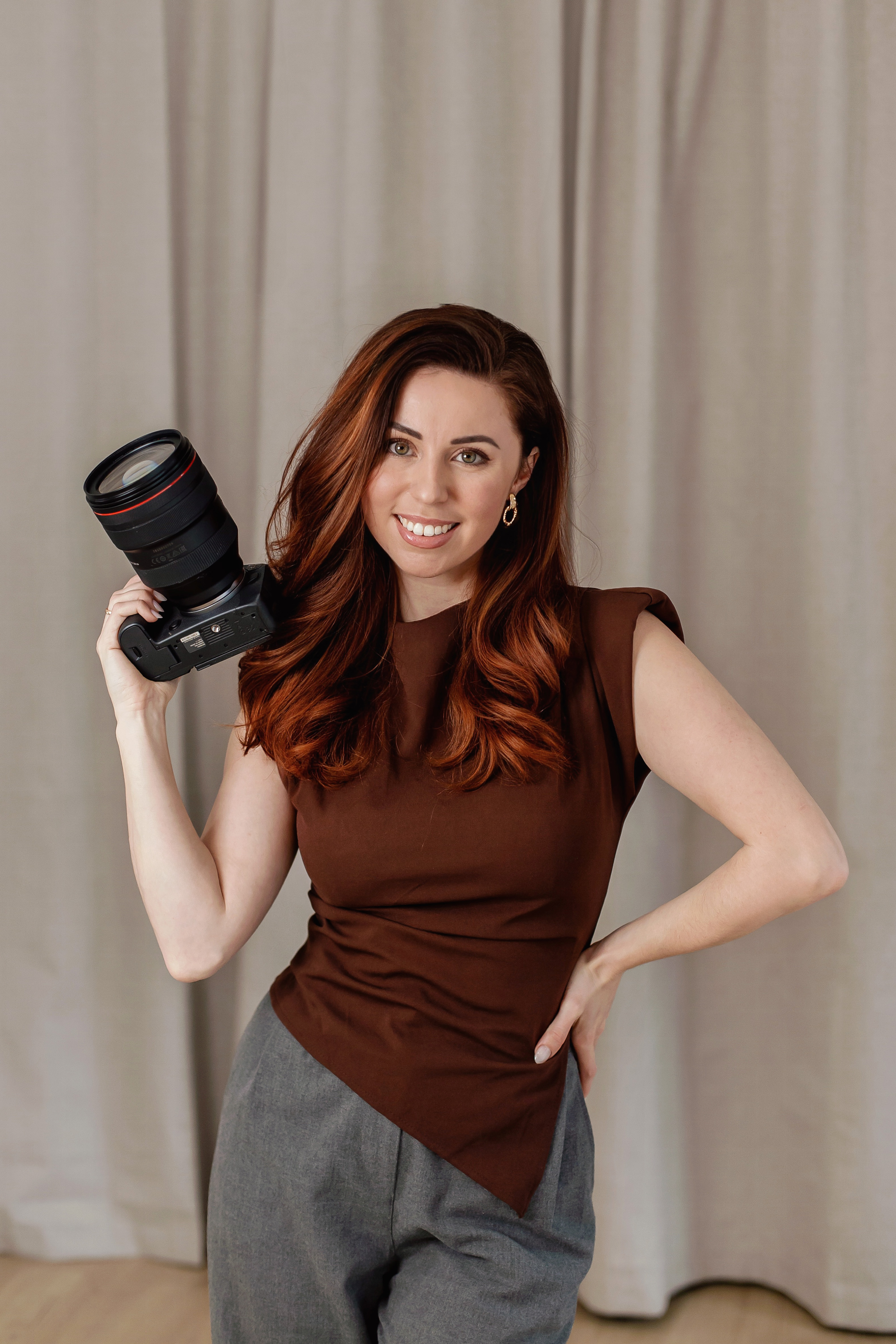
Yana Skakun
Photographer · England
Professional wedding, family and portrait photographer based in England. Passionate about capturing authentic emotions and timeless moments.
About Yana →rain wedding photographywet weather wedding photoswedding weather contingencyrainy wedding day planoutdoor wedding rain UK
Wedding Tips — Wedding Photography in Cambridge & England
Yana Skakun is a professional wedding photographer based in Cambridge, covering weddings across England — from intimate elopements to full-day ceremonies at country houses, barns, and city venues. Every couple receives a relaxed, documentary approach that captures the day as it truly unfolds. This guide — What happens if it rains on my wedding day? A photographer's answer — is part of the photography journal: practical, experience-based advice drawn from real sessions across England. Whether you arrived searching for rain wedding photography or wet weather wedding photos, the same care and attention shapes every session Yana photographs.
Wedding Photography sessions are available year-round, with bookings open across Cambridge, Ely, Huntingdon, Peterborough, and further afield — East England, London, the Midlands, and beyond. If you have specific questions about wedding weather contingency, mention it in your enquiry. Get in touch through the contact form above to check availability and discuss your session. Enquiries are welcomed from anywhere in the UK.
Frequently Asked Questions
How much does a wedding photographer cost in England?+
Wedding photography in England typically ranges from £1,500 to £4,000+ for a full day. Price depends on experience, coverage hours, and whether albums or engagement shoots are included. Most photographers charge between £2,000–£3,000 for 8–10 hours of coverage.
How early should you book a wedding photographer?+
For peak season (May–September), book 12–18 months in advance. For autumn and winter weddings, 9–12 months is usually sufficient. Popular photographers at popular venues fill up fast — as soon as you have a date and venue confirmed, start reaching out.
How many photos do you get from a wedding photographer?+
Most professional wedding photographers deliver 400–800 edited images for a full-day wedding. The exact number depends on coverage hours, how many guests there are, and the photographer's editing style. Quality matters more than quantity — a curated gallery of 500 images tells the story better than 1,500 unedited files.
Do you need a second photographer at your wedding?+
A second photographer is helpful if you want simultaneous coverage of getting-ready moments in different locations, multiple angles during the ceremony, or more candid coverage during the reception. It adds cost but significantly increases the variety and completeness of your gallery.
What is the difference between documentary and editorial wedding photography?+
Documentary (reportage) wedding photography captures moments as they happen — the photographer observes and doesn't intervene. Editorial photography involves deliberate direction: placing you in good light, shaping compositions, creating intentional portraits. Most photographers blend both styles throughout the day.
Continue Reading
Related Articles

Wedding Tips
Sustainable Eco-Friendly Wedding Guide — Planning a Green Celebration
15 min read · Read Article
Wedding Tips
Trash the Dress Session — Complete Planning and Photography Guide
14 min read · Read Article
Wedding Tips
Client Communication for Photographers — From Enquiry to Gallery Delivery
15 min read · Read Article
Get in Touch
Ready to Book Your Session?
Get in touch to discuss your vision — I'll reply within 24 hours.