Yana Skakun
Wedding Photography Trends 2027: Next Year's Biggest Styles
By Yana Skakun·1 October 2026·7 min read
Every January I sit down with the enquiries and consultations from the previous wedding season and try to work out what actually changed, as opposed to what simply got talked about. There is always a gap between the two. Wedding photography trend pieces tend to describe what is being posted, not necessarily what couples are asking for in real consultations in Cambridge sitting rooms and coffee shops. Having spent the last year photographing weddings across Cambridgeshire, Suffolk, and the wider East Anglian region, and having had the same handful of conversations with couples again and again, a clear pattern has emerged for 2027: after several years of heavily edited, highly directed, aesthetically maximalist wedding photography, couples are asking for less. Less direction, less obvious editing, less performance. What they want instead is something that still looks and feels like the actual day.
The Return of Honest, Unposed Coverage
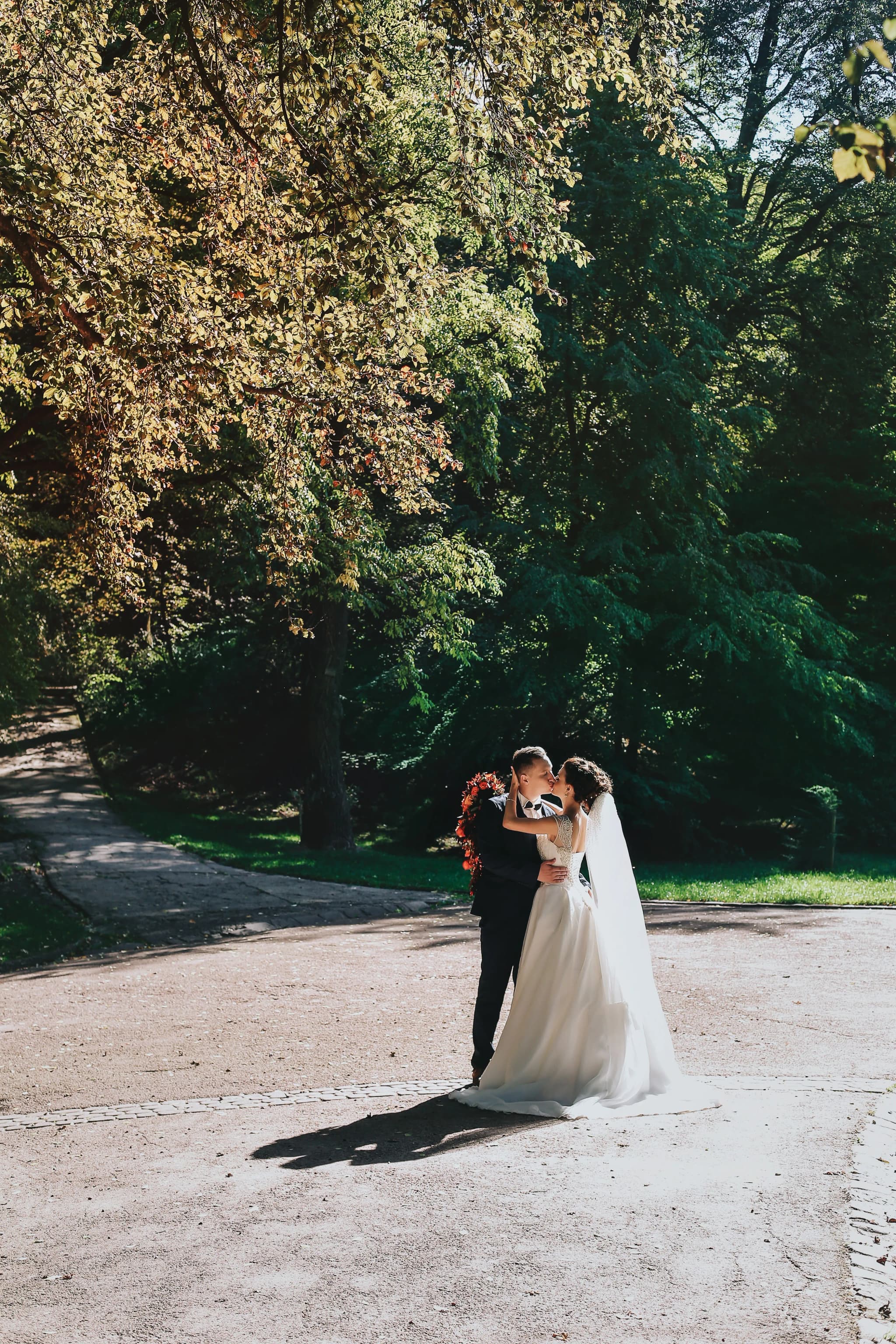
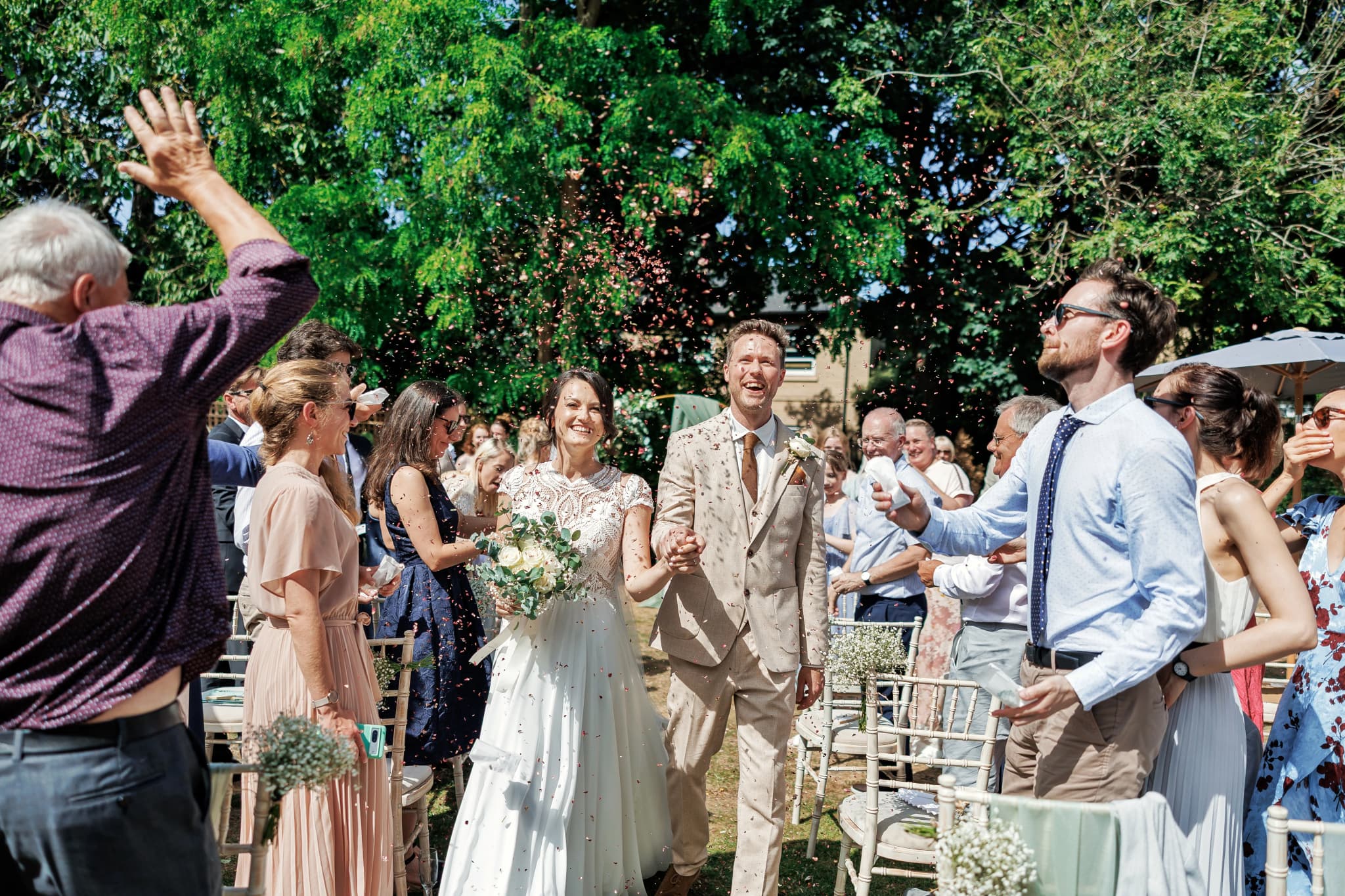
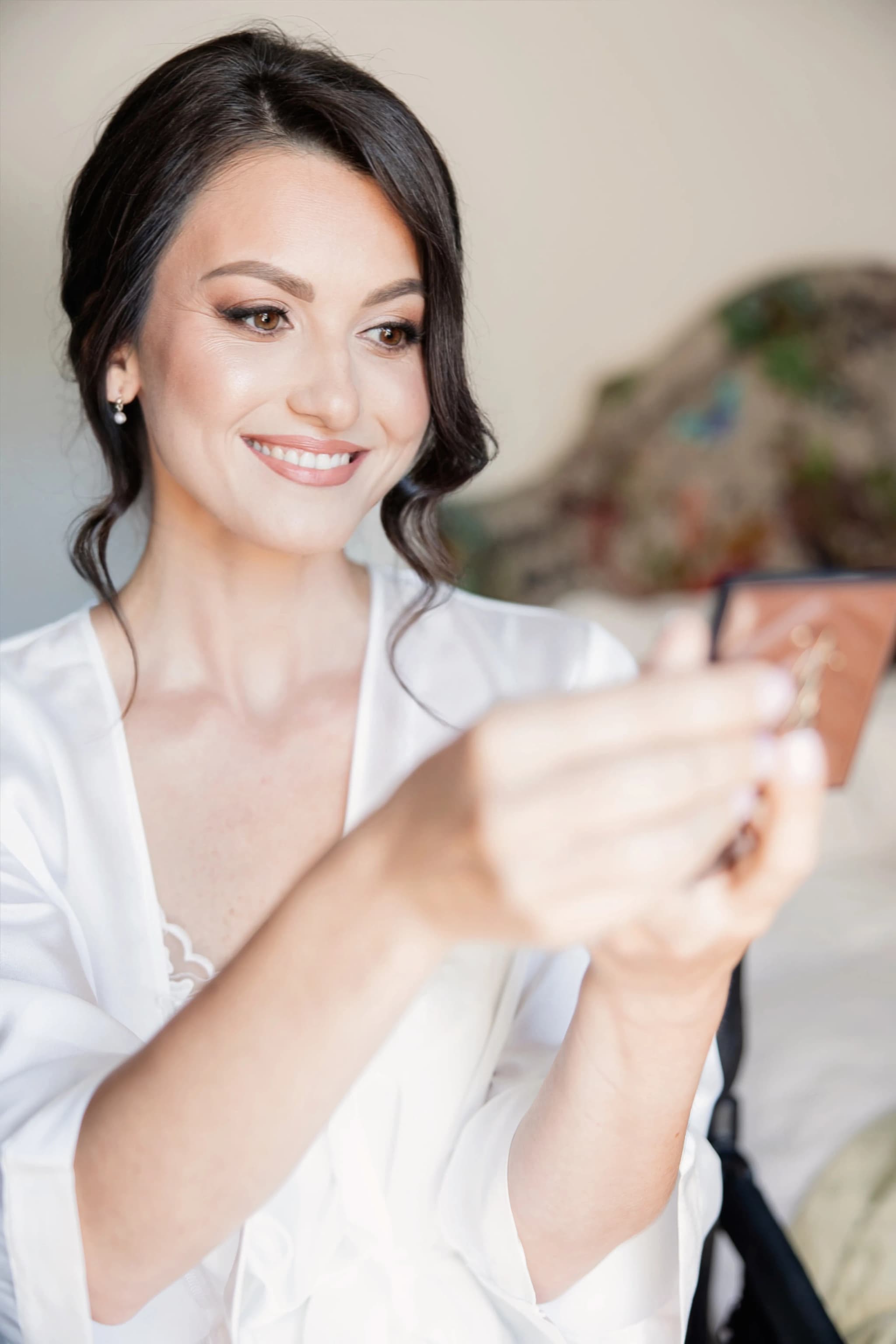
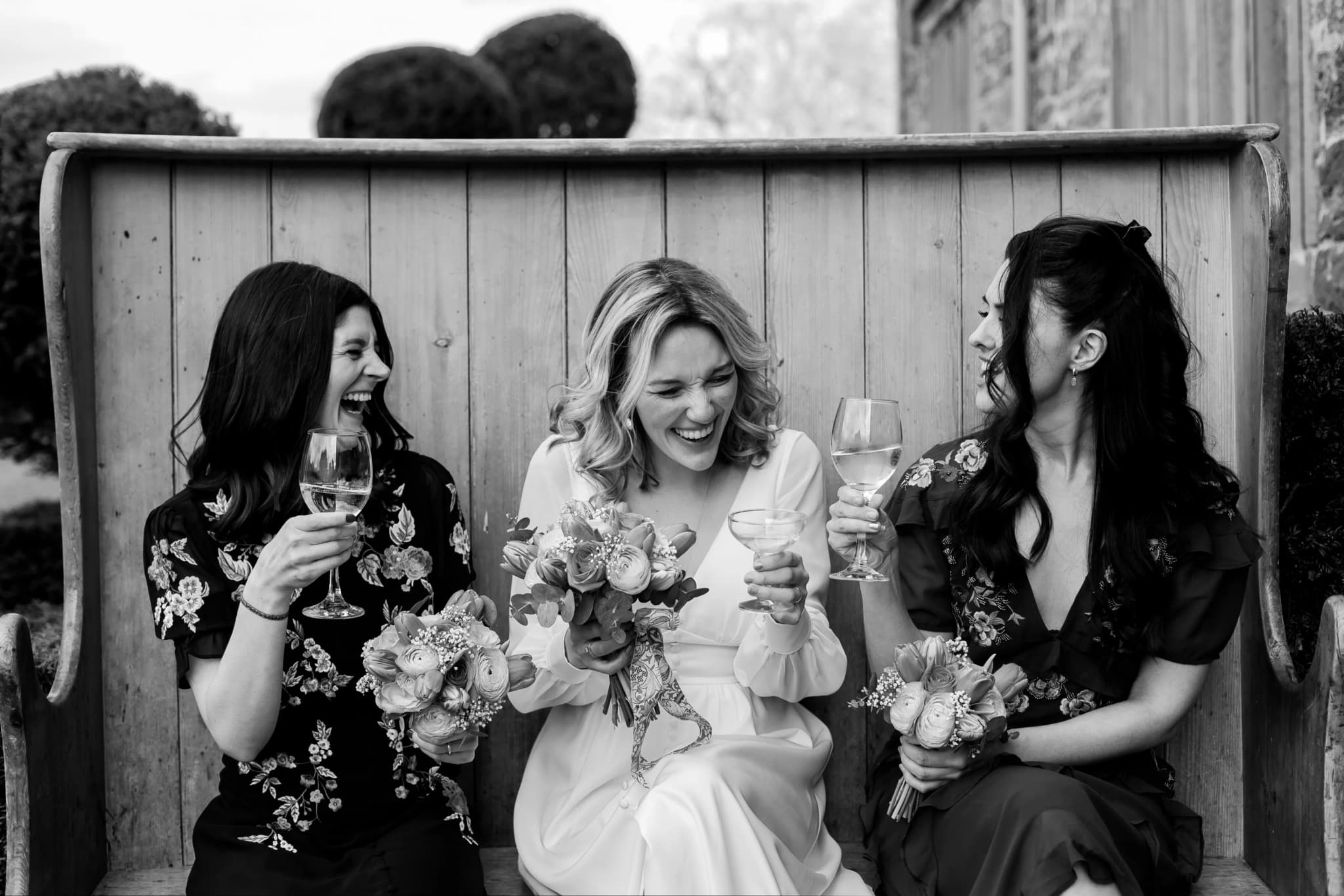
The single most consistent request I hear now is some version of "we don't want it to look staged." Couples have grown wary of the heavily directed, editorial wedding photography that dominated for the best part of a decade — the repeated poses, the walking-away-and-looking-back shot, the choreographed first look angled for the camera rather than for each other. What they are asking for instead is documentary-style coverage: a photographer who is present throughout the day, who captures speeches, glances, the mess of getting ready, and the ordinary in-between moments, rather than one who is constantly interrupting the day to construct images.
This does not mean posed portraits disappear entirely — couples still want a small number of considered images of themselves and their families, properly lit and composed. But the balance has shifted. Where a wedding album a few years ago might have been dominated by carefully constructed portraits with a handful of candid moments scattered through, couples now want the reverse: a day told mostly through genuine, unposed moments, with a smaller number of intentional portraits woven through rather than framing the whole story.
A Quieter, More Restrained Editing Style
The warm, faded, film-inspired editing look has been present in wedding photography for years now, but 2027 is seeing it mature into something more restrained. The earlier version of this look leaned heavily into orange skin tones, crushed shadows, and a haze that, while attractive in isolation, does not always age well. What I am seeing requested now is a much more tonally accurate version of the same idea: gentle grain, a slightly reduced contrast, natural skin tones that have not been pushed warm or cool, and colours that look like an honest representation of the day rather than a heavy filter placed over the top of it.
Couples are increasingly asking to see how a photographer's work from several years ago looks today, rather than just their most recent portfolio. It is a sensible question. A wedding album is meant to be looked at for decades, and an editing style that reads as very obviously "of its year" can date a set of images in a way that a more neutral, considered approach does not. I edit with that longevity in mind — images that feel warm and true to how the day actually looked, rather than images built around whatever preset happens to be popular on Instagram this season.
Smaller Guest Lists, Better Access
The move towards smaller, more intimate weddings that began during the pandemic years has not reversed — if anything, it has settled into a genuine and lasting preference rather than a temporary necessity. Guest lists in the twenty to eighty range remain common among the couples I work with, and there are practical photographic benefits that come with this that are worth being honest about. Smaller ceremonies mean more access, less obstruction from other guests holding phones aloft, and considerably more genuine interaction to photograph, because everyone present actually knows the couple well rather than being a distant colleague or a plus-one.
This has changed how I plan coverage for a wedding day. With a smaller guest list there is often more time built into the schedule for relaxed group photographs, more natural conversation during the drinks reception that makes for good candid images, and a general atmosphere that photographs more warmly because it feels less like an event being managed and more like a gathering of people who genuinely want to be there.
Colour Palettes Chosen for the Camera, Not Just the Room
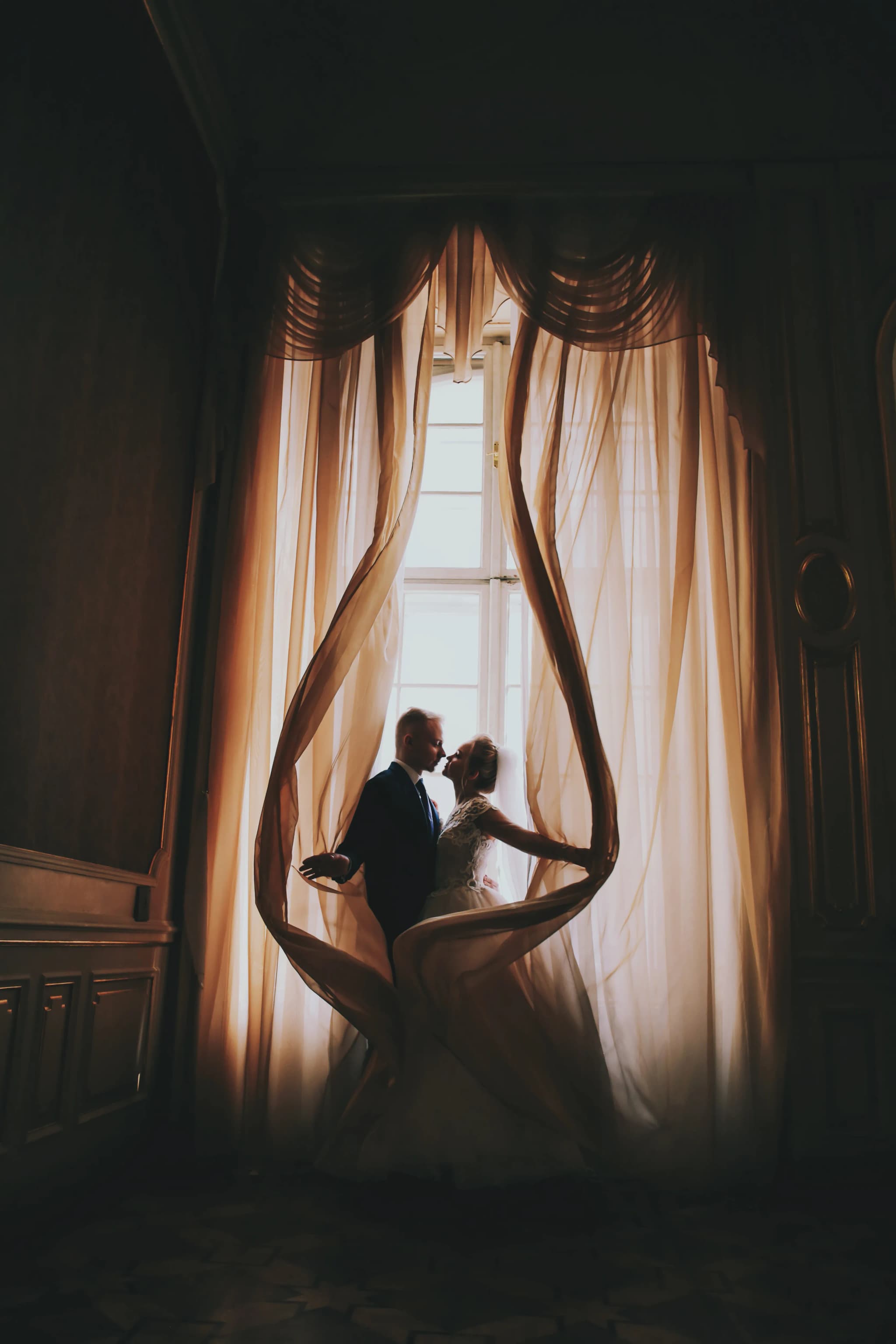
Sage green, terracotta, dusty rose, warm ivory, and soft olive have been the dominant colour choices for florals, stationery, and bridesmaid dresses across the weddings I have photographed recently, and couples are increasingly explicit that this is partly a photographic decision rather than a purely decorative one. Bright, highly saturated colours — hot pink, bright royal blue, neon accents — photograph in a very particular way that not everyone wants for images that will be looked at for the rest of their lives. Muted, earthy tones tend to sit more gently in photographs, complement a wider range of skin tones and venue backdrops, and age more gracefully in an album than a very of-the-moment bright palette.
I am often asked directly, at the planning stage, how a particular colour will look in photographs under a marquee, in a church, or against the stone of a particular Cambridge college. It is a genuinely useful conversation to have before florists and dressmakers are booked, because light and venue backdrop change how a colour reads on camera far more than most people expect.
Portraits Without the Forty-Five-Minute Marathon
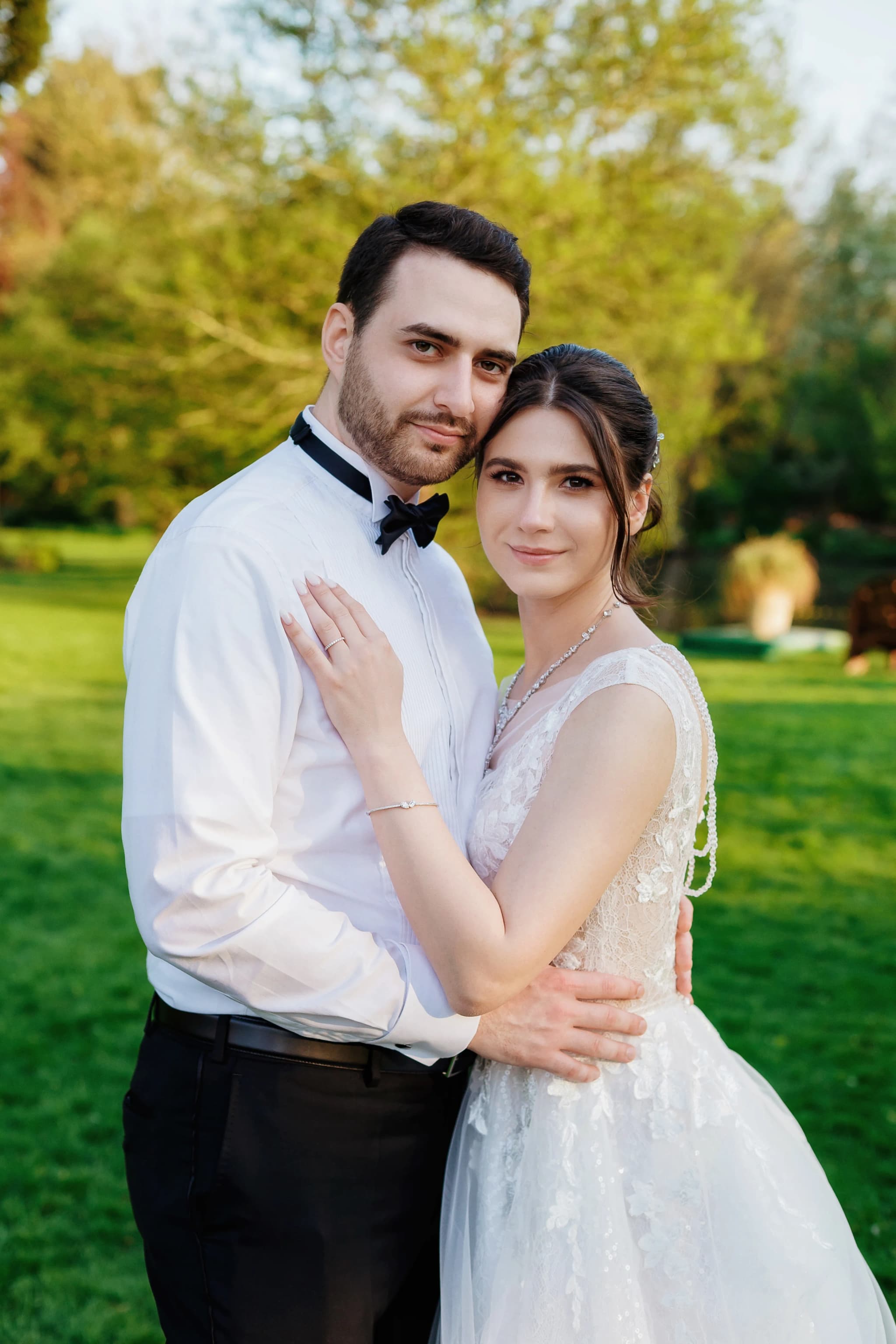
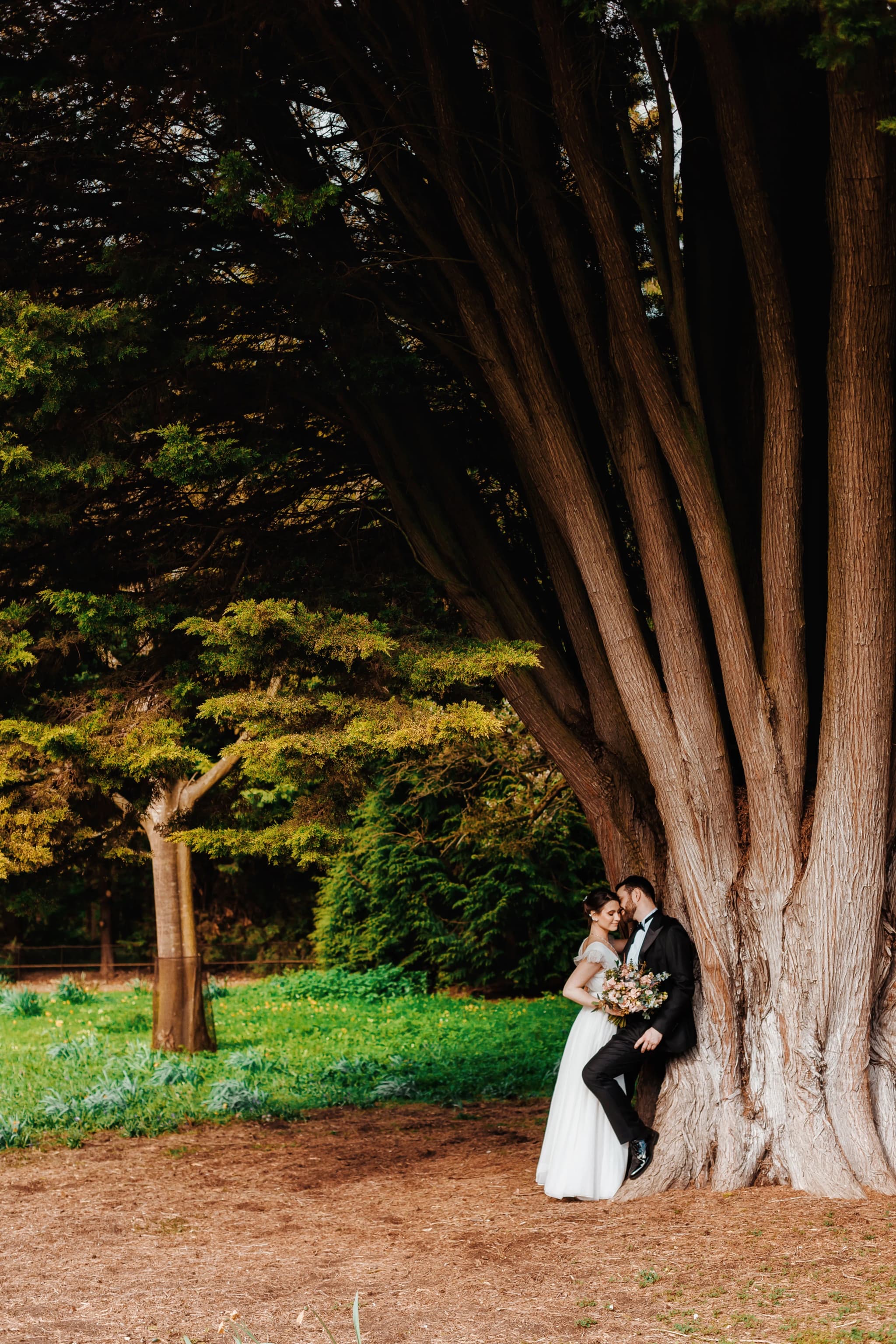
The old approach to the couple portrait session — disappearing for the better part of an hour to hit three or four different locations chasing the perfect golden hour shot — is being replaced by something shorter and more focused. Couples increasingly want to spend as little of their wedding day as possible standing in a field being directed, and I understand exactly why. A wedding day moves quickly and every twenty minutes spent walking to a second or third portrait location is twenty minutes not spent with guests, not dancing, not enjoying the meal while it is still warm.
My approach now leans towards a shorter, more concentrated portrait window at one well-chosen location near the ceremony or reception venue, timed to make the most of the light available, rather than a lengthy tour of multiple spots. The images from a focused fifteen-minute session at one beautiful spot are very often just as strong as the images from a fragmented hour spent travelling between several — and the couple gets far more of their own day back in return.
A Second Photographer as the New Standard
Having a second photographer present for the day has moved from being a premium add-on to something couples increasingly expect as part of standard coverage, and it is a genuinely useful shift. A second photographer means the groom's reactions can be captured at the exact moment the bride enters, rather than choosing between the two. It means detail shots of the venue and the getting-ready preparations at both ends of the day can happen simultaneously rather than sequentially. And it means a wider range of angles during the ceremony and speeches, without the coverage relying on a single person being in exactly the right place at exactly the right moment throughout an entire day.
Planning a wedding for 2027?
I offer natural, documentary-leaning wedding photography across Cambridge and East Anglia, with availability filling up well in advance for peak season dates. Let's talk about your day and how these approaches might fit it.
Enquire about wedding datesWhat Couples Are Moving Away From
It is worth being equally clear about what is fading. Heavily filtered, extremely high-contrast editing — crushed blacks, blown highlights, aggressive colour grading pushed to an obvious extreme — is ageing visibly in the portfolios I look back on from several years ago, and couples are noticing this in their own research. "Timeless" has become a word I hear in almost every consultation, usually accompanied by a request to see examples of a photographer's work that are several years old, to check whether it still looks good rather than dated.
Elaborate, over-directed couple sessions built entirely around poses copied from social media are also declining in favour of genuine interaction, real laughter, and moments that feel like they belong to the couple rather than to a template. There is also a growing wariness around AI-generated wedding content — AI-assembled highlight galleries, AI-written speeches, AI-touched-up images — with a fairly firm backlash from couples who specifically want to know that the images they receive are honest photographs of their actual day, not something reconstructed or embellished afterwards. And destination-style photography from photographers without genuine local knowledge of light, timing, and access at a venue is losing ground to photographers who already know a location well, because that local knowledge shows up directly in the quality of the images produced on the day.
None of this amounts to a dramatic reinvention of wedding photography — it is, if anything, a correction back towards something simpler and more honest after several years of increasing production value for its own sake. What couples are asking for in 2027 is coverage that feels true to the day as it actually happened, edited in a way that will still look good in twenty years, and delivered by someone who was genuinely present rather than directing from the sidelines. If that is the kind of wedding photography you are looking for, get in touch and let's talk about your date.
Yana Skakun
Photographer · England
Professional wedding, family and portrait photographer based in England. Passionate about capturing authentic emotions and timeless moments.
About Yana →wedding photography trends 20272027 wedding photo stylesnext year wedding photography trendswedding photography 2027 uk
Wedding Tips — Wedding Photography in Cambridge & England
Yana Skakun is a professional wedding photographer based in Cambridge, covering weddings across England — from intimate elopements to full-day ceremonies at country houses, barns, and city venues. Every couple receives a relaxed, documentary approach that captures the day as it truly unfolds. This guide — Wedding Photography Trends 2027: Next Year's Biggest Styles — is part of the photography journal: practical, experience-based advice drawn from real sessions across England. Whether you arrived searching for wedding photography trends 2027 or 2027 wedding photo styles, the same care and attention shapes every session Yana photographs.
Wedding Photography sessions are available year-round, with bookings open across Cambridge, Ely, Huntingdon, Peterborough, and further afield — East England, London, the Midlands, and beyond. If you have specific questions about next year wedding photography trends, mention it in your enquiry. Get in touch through the contact form above to check availability and discuss your session. Enquiries are welcomed from anywhere in the UK.
Frequently Asked Questions
How much does a wedding photographer cost in England?+
Wedding photography in England typically ranges from £1,500 to £4,000+ for a full day. Price depends on experience, coverage hours, and whether albums or engagement shoots are included. Most photographers charge between £2,000–£3,000 for 8–10 hours of coverage.
How early should you book a wedding photographer?+
For peak season (May–September), book 12–18 months in advance. For autumn and winter weddings, 9–12 months is usually sufficient. Popular photographers at popular venues fill up fast — as soon as you have a date and venue confirmed, start reaching out.
How many photos do you get from a wedding photographer?+
Most professional wedding photographers deliver 400–800 edited images for a full-day wedding. The exact number depends on coverage hours, how many guests there are, and the photographer's editing style. Quality matters more than quantity — a curated gallery of 500 images tells the story better than 1,500 unedited files.
Do you need a second photographer at your wedding?+
A second photographer is helpful if you want simultaneous coverage of getting-ready moments in different locations, multiple angles during the ceremony, or more candid coverage during the reception. It adds cost but significantly increases the variety and completeness of your gallery.
What is the difference between documentary and editorial wedding photography?+
Documentary (reportage) wedding photography captures moments as they happen — the photographer observes and doesn't intervene. Editorial photography involves deliberate direction: placing you in good light, shaping compositions, creating intentional portraits. Most photographers blend both styles throughout the day.
Continue Reading
Related Articles

Wedding Tips
Sustainable Eco-Friendly Wedding Guide — Planning a Green Celebration
15 min read · Read Article
Wedding Tips
Trash the Dress Session — Complete Planning and Photography Guide
14 min read · Read Article
Wedding Tips
Client Communication for Photographers — From Enquiry to Gallery Delivery
15 min read · Read Article
Get in Touch
Ready to Book Your Session?
Get in touch to discuss your vision — I'll reply within 24 hours.