Yana Skakun

Wellness Brand Photography: Visuals for Therapists, Coaches, and Healers
By Yana Skakun·10 July 2026·8 min read
Wellness practitioners sell trust before they sell anything else. A client choosing a therapist, a coach, a nutritionist, or a yoga teacher is making a decision that feels personal and slightly vulnerable — they are handing over something about their mental health, their body, or their life direction to a stranger they have found on a screen. Before a single session takes place, the only thing that stranger has to go on is what they see: a website, an Instagram grid, a Psychology Today profile, a LinkedIn page. Wellness brand photography exists to make that first impression an honest and reassuring one, so the visuals a practitioner shows the world actually match the calm, capable presence they offer in the room.
I work regularly with therapists, coaches, yoga teachers, and other health practitioners across Cambridge and further afield, and the brief is almost always some version of the same thing: existing photos feel either too corporate and stiff, or too casual and amateur, and neither extreme communicates what the practice actually feels like. Good wellness photography sits in the middle — professional enough to be trusted, warm enough to feel approachable.
Why This Type of Photography Matters More Than It Seems
In most service industries, a slightly awkward headshot is a minor inconvenience. In wellness and mental health work, it can be an active barrier. Someone researching therapists for anxiety, or a burnt-out professional looking for an executive coach, is often already anxious about the process of reaching out at all. If the photo on the website looks cold, overly clinical, or oddly staged, that hesitation gets reinforced rather than eased. Conversely, a photograph where the practitioner looks genuinely present and at ease does real work — it lowers the emotional cost of picking up the phone or filling in the contact form.
There is also a practical, commercial dimension. Wellness practitioners are frequently self-employed and rely heavily on their own website and social presence for new enquiries, without the brand recognition a larger clinic or gym might carry. The photography effectively is the brand for a huge number of independent therapists and coaches. That is a lot of weight for a single set of images to carry, and it is why treating this as a proper session rather than a quick phone snap in good light genuinely pays off over the life of a practice.
What to Expect During a Wellness Branding Session
A typical session runs for around ninety minutes to two hours and is built around a mix of different image types rather than one single pose repeated with a different expression. We usually start with straightforward headshots — the kind that need to work at a small size on a directory listing or a LinkedIn thumbnail — because those tend to be the images people are most anxious about and it helps to get them done while everyone is fresh. From there we move into more environmental shots: you in your therapy room or studio space, working at a desk, holding a mug, mid-conversation with a colleague or assistant if you have one, or simply sitting somewhere that reflects the actual feel of your practice.
For coaches and yoga teachers in particular, movement and interaction images tend to matter more than they do for a talking therapist. A coach might want shots that suggest energy and forward motion — walking, gesturing while speaking, working with a client at a table. A yoga teacher benefits from images that show real posture and real teaching, not stock-photo perfect poses on a beach that have nothing to do with their actual studio or style. I ask about this in advance so the session is built around what your specific work looks like day to day, rather than a generic wellness template.
Many practitioners I photograph are camera-shy, and that is completely normal — plenty of people who are entirely comfortable holding space for a client in a therapy room feel the opposite in front of a lens. Part of my job is simply talking through the session as we go, giving small, specific direction rather than vague instructions like "look natural," and building in enough time that the stiffness of the first ten minutes has a chance to wear off before we get to the images that matter most.
How to Prepare for the Session
Preparation for a wellness branding shoot is less about grooming perfection and more about clarity of purpose. Before the session, it helps enormously to know where the images will actually be used: a website homepage, a directory profile such as Psychology Today or the BACP register, LinkedIn, an email signature, printed leaflets in a GP surgery waiting room. Different platforms crop and display images differently, and knowing the end use in advance means we can compose shots that will not get awkwardly cropped later.
It is also worth thinking about your working environment before the day. If you see clients in a rented therapy room that is not particularly photogenic, we might use a small part of it for authenticity and shoot the rest somewhere else nearby — a nice corner of your home, a quiet outdoor location, or a studio space. If you work entirely online, we can lean more heavily into portrait-style images against a simple, calming background rather than trying to fabricate an office that does not exist. Bringing two or three outfit options, a favourite mug or plant if it is meaningful to your brand, and a short list of the specific pages the images will appear on all make the session more efficient and the results more useful.
If you are updating an existing brand rather than starting from scratch, it is genuinely useful to send over your current website and social media links beforehand. Seeing what you already have tells me a lot about the gap between where your visuals are now and where they need to be, and helps avoid simply reproducing the same problem in a new location.
Choosing the Right Setting
Location does a lot of quiet work in wellness photography. A cluttered, poorly lit consulting room photographs badly no matter how skilled the photographer is, while a simple, tidy corner with soft natural light can look genuinely calming with very little effort. For therapists and health practitioners, I generally recommend using your actual working space if it is presentable, because there is a subtle honesty in a client seeing the room they will actually sit in before they arrive for a first session. If your working space is not photogenic, a similar-feeling alternative — a quiet home study, a borrowed consulting room, or a studio set up to resemble one — usually serves the brand better than pretending the images were taken somewhere they were not.
For coaches and yoga teachers whose work is less tied to a fixed physical space, I often suggest a mix of settings: an indoor shot for the headshots and desk-based images, and an outdoor location for anything more energetic or aspirational. Cambridge has no shortage of calm green spaces and quiet architectural backdrops that work well for this — college gardens, riverside paths, and parkland all photograph beautifully without looking staged, provided the light and time of day are chosen carefully.
Colour and texture in the background matter too. Busy patterned wallpaper, harsh fluorescent lighting, or a background cluttered with filing cabinets and paperwork will fight against the calm, trustworthy tone most wellness brands are aiming for. Neutral walls, soft natural light from a window, plants, and simple furniture almost always photograph better than anything more elaborate.
Tips for Getting Genuinely Warm, Trustworthy Results
The single biggest factor in whether a wellness headshot feels trustworthy is the eyes and the space around them, not the outfit or the background. A relaxed jaw, a soft rather than forced smile, and eye contact that reads as attentive rather than staring all matter more than any styling decision. I spend a good portion of every session simply talking to the person in front of the camera about something unrelated to the shoot — their work, a recent trip, whatever comes up naturally — because genuine engagement in conversation produces genuine expression, and that difference is visible in the final images even to people with no photography background.
Clothing should support the message rather than distract from it. Solid colours in mid-tones generally photograph better than busy patterns, and clothing that fits comfortably and allows natural movement will read as more relaxed than anything overly formal or restrictive. I usually suggest avoiding pure white, which can look stark and clinical under most lighting, and avoiding anything with visible branding or text that will date the images or compete with your own brand.
It also helps to think about variety without overcomplicating things. A single strong headshot plus four or five environmental or interaction shots will usually cover a website homepage, an about page, a directory listing, and a handful of social posts, without needing dozens of near-identical frames. I deliver a curated set for exactly this reason — enough choice to suit different platforms, without so many options that choosing becomes its own source of stress.
Building a brand people trust before they meet you
I work with therapists, coaches, and health practitioners across Cambridge and UK-wide to create photography that feels like an honest introduction rather than a polished performance. If you are updating a directory profile, launching a new website, or simply tired of a headshot that no longer reflects your practice, I would love to talk through what a session could look like for you.
Get in touchFrequently Asked Questions
Do I need a different set of photos for different platforms? Not necessarily a different set, but the same set used thoughtfully. A square-cropped headshot works for a directory thumbnail, while a wider environmental shot suits a website banner. I plan the shoot with the various end uses in mind so one session covers most of what you need, rather than requiring separate shoots for every platform. If you specifically need headshots for a directory such as a therapist listing, sessions built around therapist headshots in Cambridge are designed exactly for that purpose.
I run a coaching business rather than a therapy practice — does the same approach apply? Largely yes, with some adjustments in energy and setting. Coaching brands often benefit from images that suggest momentum and clarity rather than stillness, so I tend to include more dynamic and interaction-based shots for coaches. If that is your focus, take a look at coach branding photography for an idea of how that differs in practice from a purely therapeutic brand.
What if I teach yoga or run wellness classes rather than working one-to-one? Group and movement-based practitioners generally need a wider mix of images — teaching shots, studio environment, and individual portraits — and the session structure adjusts accordingly. There is more detail on this in the yoga teacher branding photography page, and the broader wellness photography page covers the range of practitioners this kind of session tends to suit.
How much does a session like this cost, and how do I book? Pricing depends on session length and how many final images you need, and is set out clearly on the pricing page so there are no surprises before you commit. You can see more about my general approach to portrait and branding work on the about page, and the best way to check availability or ask questions before booking is simply to get in touch.
A good set of wellness brand photographs should do one thing above all else: help the right client feel, before they have exchanged a single word with you, that they have found someone they can trust. That is a genuinely different brief from most commercial photography, and it is one I take seriously with every therapist, coach, and healer I work with. Yana Skakun Photography is based in Cambridge and available for wellness branding sessions across the UK — if you would like to talk through what this could look like for your practice, get in touch and we can find a time that works.
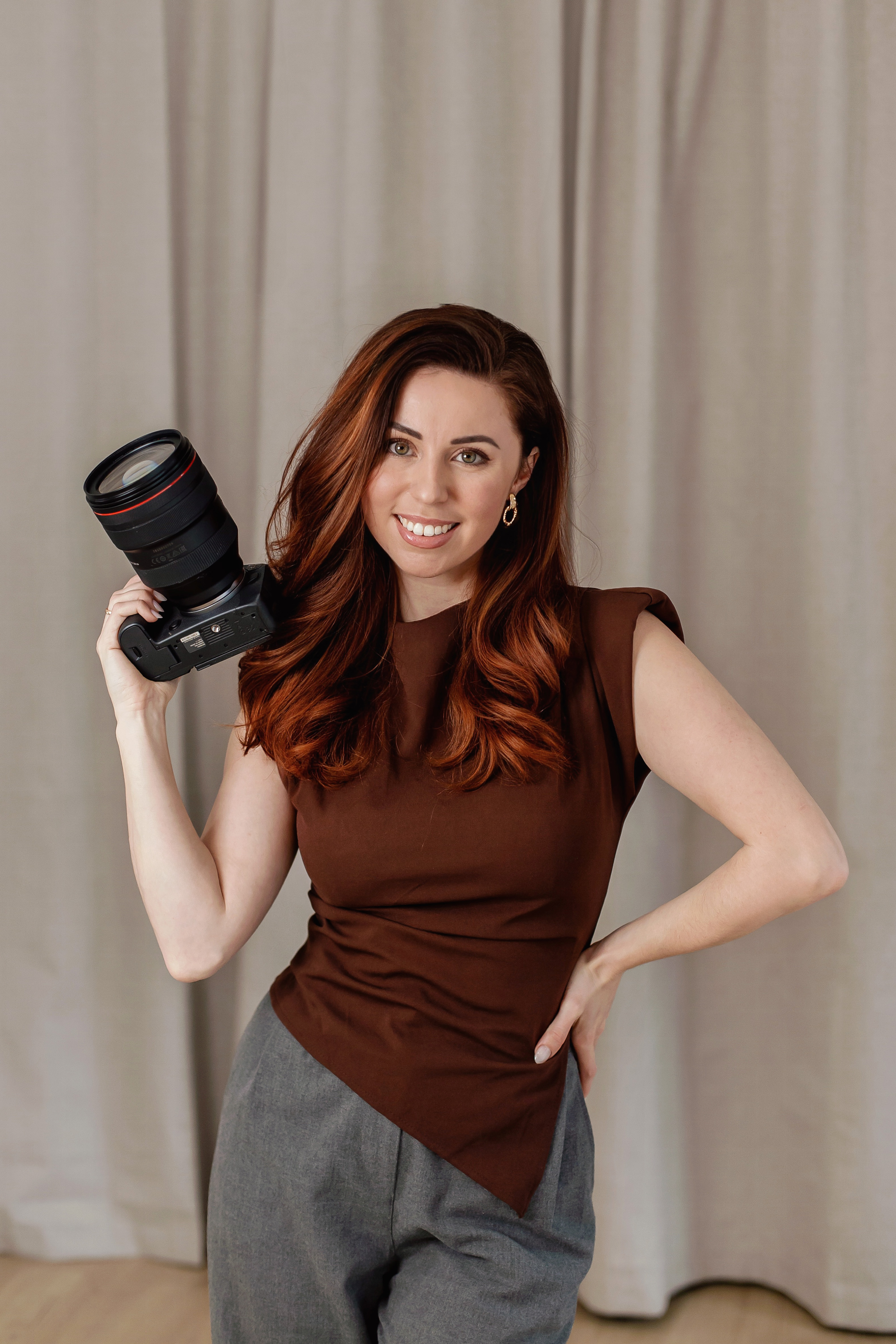
Yana Skakun
Photographer · England
Professional wedding, family and portrait photographer based in England. Passionate about capturing authentic emotions and timeless moments.
About Yana →wellness brand photographytherapist headshotscoach branding photographywellness photographypersonal branding photographer Cambridgehealth practitioner headshots
Portrait Tips — Portrait Photography in Cambridge & England
Portrait sessions with Yana Skakun are unhurried and personal — designed to produce images that feel genuinely like you, not a performance. Sessions are available in Cambridge, across East England, and at locations throughout the UK. This guide — Wellness Brand Photography: Visuals for Therapists, Coaches, and Healers — is part of the photography journal: practical, experience-based advice drawn from real sessions across England. Whether you arrived searching for wellness brand photography or therapist headshots, the same care and attention shapes every session Yana photographs.
Portrait Photography sessions are available year-round, with bookings open across Cambridge, Ely, Huntingdon, Peterborough, and further afield — East England, London, the Midlands, and beyond. If you have specific questions about coach branding photography, mention it in your enquiry. Get in touch through the contact form above to check availability and discuss your session. Enquiries are welcomed from anywhere in the UK.
Frequently Asked Questions
How do I look natural in portrait photos?+
The key is to keep moving — walking, talking, laughing. Still poses often look stiff. A good portrait photographer will direct you gently rather than just pointing and shooting. Take a breath, drop your shoulders, and try to focus on something that makes you happy rather than worrying about how you look.
What should I wear for a portrait session?+
Wear something you feel good in — not something borrowed or brand new that you haven't worn before. Solid colours photograph better than busy patterns. Bring a second outfit for variety. Think about the location: flowing fabrics work beautifully outdoors; tailored looks suit urban settings.
How long does a portrait session take?+
Standard portrait sessions last 60–75 minutes. This allows enough time to warm up, try different locations and poses, and explore a couple of looks without rushing. If you're very camera-shy, a longer session helps — the more relaxed you become, the better the final images.
What locations are best for outdoor portrait photography?+
Gardens, parks, riverside paths, woodland, and areas with interesting architecture all make great portrait backgrounds. The most important factor is light — a location with open shade or soft directional light will always photograph better than a technically beautiful spot in harsh midday sun.
What is the difference between a portrait session and a headshot session?+
Portrait sessions focus on you as a whole person — full-body, three-quarter, and close-up images in a relaxed, often outdoor setting. Headshot sessions focus specifically on professional or actor headshots: face and upper body, often in a controlled setting with consistent, professional lighting.
Continue Reading
Related Articles

Portrait Tips
Glasses and Glare in Photography: How to Get Great Results
6 min read · Read Article
Portrait Tips
Fake Tan Before a Photoshoot: Timing, Application, and What Can Go Wrong
6 min read · Read Article
Portrait Tips
Hair and Makeup for a Photoshoot: What Photographs Well
7 min read · Read Article
Get in Touch
Ready to Book Your Session?
Get in touch to discuss your vision — I'll reply within 24 hours.