Yana Skakun

Why Digital Files Aren't Enough: The Importance of a Wedding Album
By Yana Skakun·10 July 2026·8 min read
Almost every couple I photograph tells me the same thing at some point during planning: "We just want the digital files, we'll sort prints out later." I understand the instinct completely. Digital files feel flexible, they feel modern, and they feel like the safe choice when you are trying not to overspend on a wedding that already has a dozen competing costs. But five, ten, fifteen years into marriage, almost none of the couples I know from earlier in my career have actually done anything with those files beyond the odd social media post and a folder buried somewhere in cloud storage. The importance of a wedding album is not really about nostalgia or tradition for its own sake — it is about the simple, practical fact that a folder of files and a finished, printed object behave completely differently over the course of a life.
Digital Files Disappear More Easily Than You Think
This is the argument that tends to land hardest with couples who consider themselves organised and tech-savvy, because it is the one they are least prepared for. Hard drives fail. Phones are lost, stolen, or dropped in the bath. Cloud accounts get forgotten, subscriptions lapse, email addresses tied to old accounts stop being checked. I have had clients come back to me years after their wedding asking if I still have the files because their own copies were gone — a laptop that died without a backup, a Google Photos account under an old work email nobody has access to any more, a hard drive that simply stopped spinning up one day with no warning.
A printed album sitting on a shelf does not require a working device, a paid subscription, a remembered password, or a functioning internet connection to exist. It survives house moves, it survives operating system updates, it survives the slow attrition of accounts and devices that happens to everyone over a decade or two without anyone particularly intending it. This is not a reason to skip digital delivery — you should absolutely have your files, and I deliver every client a full-resolution online gallery as standard — but treating the digital files as the entire deliverable rather than one part of a fuller archive is where couples run into trouble later.
Files You Never Look At Are Not Really Serving Their Purpose
There is a particular pattern I have watched play out with almost every couple who chose files-only over the years. The gallery arrives, everyone is thrilled, a handful of images go up on social media, a few get sent to family, and then the folder gets filed away. Six months later it has not been opened again. A year later, most people could not tell you which drive or account it is even saved on without checking. This is not a criticism of anyone — it is simply how digital objects behave. They do not have a physical presence that reminds you they exist, so they slip out of daily life extremely easily, however meaningful the content is.
An album, by contrast, sits somewhere in the house where you will actually see it — a shelf, a coffee table, a box under the bed that gets pulled out on anniversaries. It gets shown to house guests. It gets handed to children when they are old enough to ask what the wedding was like. It gets looked at in a completely different way than a phone screen ever produces, because turning physical pages and holding a printed object in your hands engages attention in a way that scrolling simply does not replicate. The photographs you spent so much money and thought commissioning are only doing their job if they get looked at, and an album is, in practice, the format that actually gets looked at.
An Album Is a Curated Story, Not a Data Dump
A wedding gallery from a full day of coverage typically runs to several hundred images. That is exactly as it should be — you want the full record of the day, the quiet in-between moments as well as the formal portraits. But several hundred images with no order or hierarchy is not a story, it is raw material. An album forces a different kind of decision-making: which forty or fifty or eighty images actually carry the narrative of the day from getting ready through the ceremony, the speeches, and the dancing at the end of the night.
I design every album personally rather than handing that job to software, sequencing images so the pacing of the pages mirrors the pacing of the day itself — the quiet build-up in the morning, the emotional peak of the vows, the loosening energy of the reception. That editorial process is something a folder of files simply cannot offer. Nobody sits down and scrolls through four hundred images in narrative order for pleasure. But people do sit and turn through fifty beautifully sequenced pages, more than once, for years. If you are choosing between a full wedding package and a smaller one, it is worth looking at what is included on the pricing page and thinking specifically about where an album sits in that decision, rather than treating it as an afterthought to add later.
Albums are easier to plan into the day than most couples expect
A common misconception is that album design happens somewhere at the end of a long, separate process that has to be organised months after the wedding. In practice, I build album design into the delivery timeline for every couple who chooses one, working from the same full edit you already have, so there is no extra shoot, no extra planning burden on you, and no need to revisit decisions during a busy first year of marriage. If you are still deciding what to include in your wedding photography package, it is worth talking it through before the big day rather than after.
Get in touchPrint Quality Fades From Memory Faster Than People Expect
One thing I say to almost every couple during their planning consultation is that the way a wedding photograph looks on a phone screen and the way it looks printed at a proper size on quality paper are genuinely different experiences, not just different formats of the same thing. Screens compress detail, they are viewed in short bursts, and they are almost always viewed at a fraction of the size the image was actually captured at. A well-printed album page, by contrast, shows the texture of a dress, the grain of the light, the expression on a parent's face during the speeches, in a way that rewards slow looking rather than a quick swipe.
This matters more than it might sound, because the way you remember your wedding day is genuinely shaped by how you continue to encounter the images afterwards. Couples who have an album in the house tend to describe their wedding day memories more vividly years later than couples who have not looked at their files since the month after the wedding, simply because they have had more meaningful, repeated contact with the images. This is not a marketing claim — it is a pattern I have observed directly with clients I have stayed in touch with over many years of running this business, and it lines up with what most photographers who have been doing this a long time will tell you.
What Happens When You Skip the Album and Change Your Mind Later
I do get enquiries from couples a year or two after their wedding asking whether it is still possible to order an album from their files. The honest answer is usually yes, but it is rarely as smooth a process as it would have been at the time. Album design benefits enormously from being done close to the wedding, while the day is still fresh and the story of it is easy to reconstruct in sequence. Doing it two years later from a folder of unlabelled files, without the context of who was standing where and what mattered about a particular moment, produces a noticeably weaker result than an album designed with the day still vivid in memory.
There is also a simple practical risk: files that were never printed and never really looked at are exactly the files most likely to be the ones lost to a drive failure or a forgotten account a few years down the line. Ordering an album at the time of your wedding, even a smaller one than you might eventually want, at least guarantees that a meaningful cross-section of your day exists in a form that cannot simply vanish. Couples researching wedding photographers across the UK often focus heavily on shooting style and coverage hours, which are important, but spend comparatively little time thinking about what actually happens to the images after delivery — and that is usually the part that determines whether the investment feels worthwhile a decade on.
Albums Matter Even More for Smaller and Intimate Weddings
Couples having an elopement or a very small ceremony sometimes assume an album is a large-wedding thing, reserved for days with three hundred guests and a full reception to document. In my experience it is often more important for smaller weddings, not less. With fewer guests present to witness the day and fewer photographs floating around from other people's phones and cameras, your own photographs carry more of the weight of remembering exactly what happened and how it felt. An album for an intimate day or an elopement can be smaller in page count and still carry the same emotional function — a compact, complete, physical object that holds the story of a day that, by its nature, very few other people directly witnessed.
The same logic applies to any wedding style. Whether you are planning a large traditional celebration or something quieter and more personal, browsing real examples of finished work on the weddings page is a useful way to see how a day's worth of images actually gets edited down and sequenced into a finished set, rather than imagining it in the abstract before you have booked anyone.
How I Approach Wedding Albums With Every Couple
I do not treat the album as an upsell tacked onto the end of a sales conversation. It is built into how I think about delivering a wedding from the start, because I have seen too many couples regret not having one and almost none regret having one. After your full gallery is delivered, I put together an initial album design using the images that carry the story most strongly, then send it over for your feedback. Most couples ask for only small adjustments — swapping a handful of images, reordering a spread — because the sequencing generally reflects how the day actually unfolded. The finished album is produced through a professional printer using archival materials designed to last for decades, not the kind of consumer photo-book service that yellows or falls apart within a few years.
If you already have your files from a previous wedding and never got around to an album, or you are currently planning your wedding and weighing up whether to include one, it is a conversation worth having properly rather than assuming you will get to it later. More detail on the full range of album options is available on the wedding albums page, including sizes, materials, and how the design process fits into your overall delivery timeline.
Digital files are not a mistake — they are a necessary part of a modern wedding photography delivery, and every couple I work with receives theirs in full. But a wedding album is what turns that archive into something that gets opened, shared, and genuinely lived with, rather than something that quietly sits unopened for years. At Yana Skakun Photography, every wedding package is built with that difference in mind, and I am always happy to talk through album options as part of your planning. If you would like to discuss what might work for your day, get in touch and we can talk it through properly.
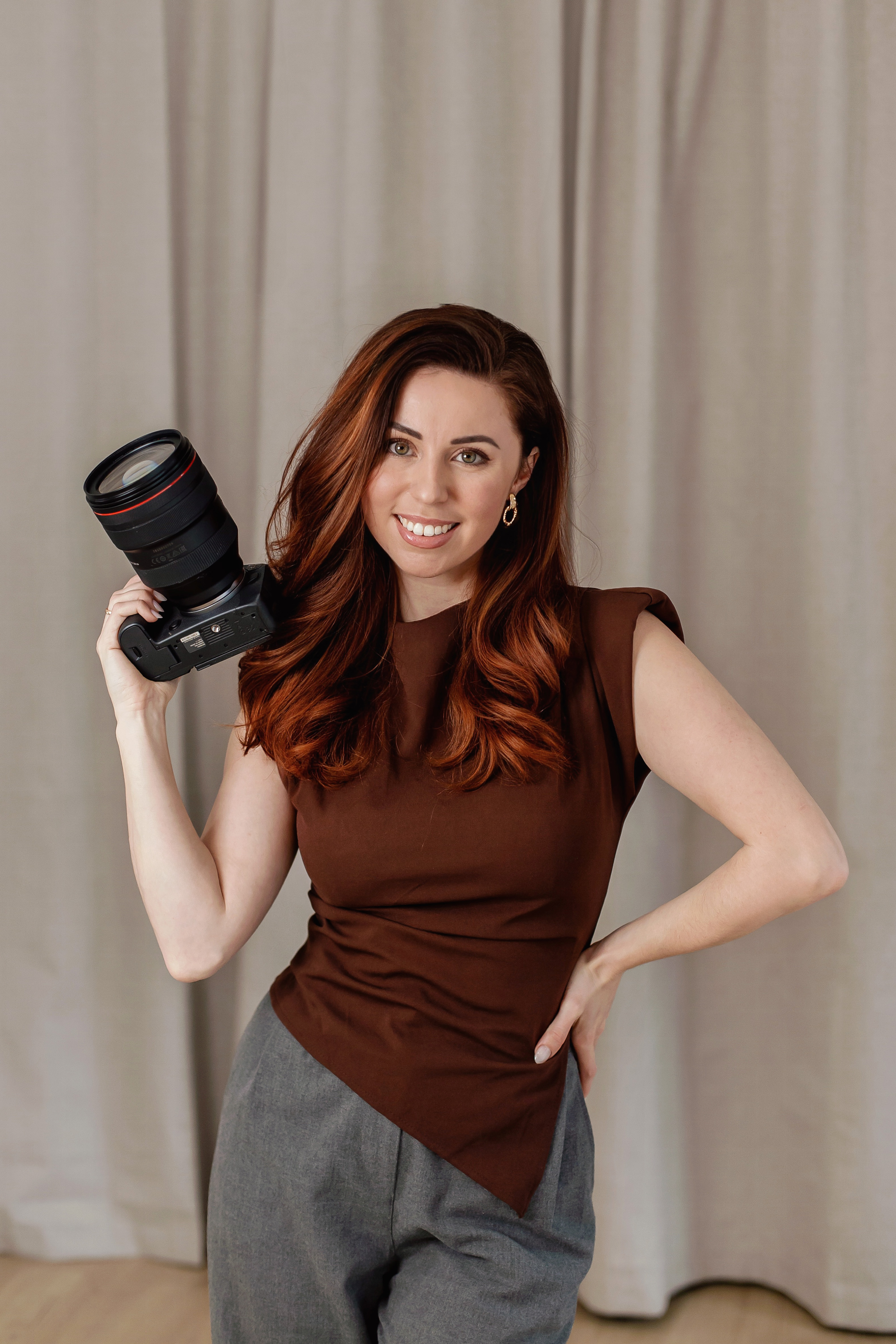
Yana Skakun
Photographer · England
Professional wedding, family and portrait photographer based in England. Passionate about capturing authentic emotions and timeless moments.
About Yana →importance of a wedding albumwedding album vs digital fileswhy print your wedding photoswedding photography CambridgeUK wedding photographerwedding album design
Wedding Tips — Wedding Photography in Cambridge & England
Yana Skakun is a professional wedding photographer based in Cambridge, covering weddings across England — from intimate elopements to full-day ceremonies at country houses, barns, and city venues. Every couple receives a relaxed, documentary approach that captures the day as it truly unfolds. This guide — Why Digital Files Aren't Enough: The Importance of a Wedding Album — is part of the photography journal: practical, experience-based advice drawn from real sessions across England. Whether you arrived searching for importance of a wedding album or wedding album vs digital files, the same care and attention shapes every session Yana photographs.
Wedding Photography sessions are available year-round, with bookings open across Cambridge, Ely, Huntingdon, Peterborough, and further afield — East England, London, the Midlands, and beyond. If you have specific questions about why print your wedding photos, mention it in your enquiry. Get in touch through the contact form above to check availability and discuss your session. Enquiries are welcomed from anywhere in the UK.
Frequently Asked Questions
How much does a wedding photographer cost in England?+
Wedding photography in England typically ranges from £1,500 to £4,000+ for a full day. Price depends on experience, coverage hours, and whether albums or engagement shoots are included. Most photographers charge between £2,000–£3,000 for 8–10 hours of coverage.
How early should you book a wedding photographer?+
For peak season (May–September), book 12–18 months in advance. For autumn and winter weddings, 9–12 months is usually sufficient. Popular photographers at popular venues fill up fast — as soon as you have a date and venue confirmed, start reaching out.
How many photos do you get from a wedding photographer?+
Most professional wedding photographers deliver 400–800 edited images for a full-day wedding. The exact number depends on coverage hours, how many guests there are, and the photographer's editing style. Quality matters more than quantity — a curated gallery of 500 images tells the story better than 1,500 unedited files.
Do you need a second photographer at your wedding?+
A second photographer is helpful if you want simultaneous coverage of getting-ready moments in different locations, multiple angles during the ceremony, or more candid coverage during the reception. It adds cost but significantly increases the variety and completeness of your gallery.
What is the difference between documentary and editorial wedding photography?+
Documentary (reportage) wedding photography captures moments as they happen — the photographer observes and doesn't intervene. Editorial photography involves deliberate direction: placing you in good light, shaping compositions, creating intentional portraits. Most photographers blend both styles throughout the day.
Continue Reading
Related Articles

Wedding Tips
Sustainable Eco-Friendly Wedding Guide — Planning a Green Celebration
15 min read · Read Article
Wedding Tips
Trash the Dress Session — Complete Planning and Photography Guide
14 min read · Read Article
Wedding Tips
Client Communication for Photographers — From Enquiry to Gallery Delivery
15 min read · Read Article
Get in Touch
Ready to Book Your Session?
Get in touch to discuss your vision — I'll reply within 24 hours.