Yana Skakun

Why We Regret Not Taking More Photos of Our Parents: A Photographer's Personal Story
By Yana Skakun·10 July 2026·8 min read
Every photographer who has been in this job long enough has had the same conversation, more than once. A client calls, and their voice has a particular quality to it — not quite panic, but something close. A parent has just been given a difficult diagnosis, or has had a fall, or has simply, suddenly, seemed older than they did a year ago. "We don't really have any recent photos of Mum," they say. "Just us. Together. I don't know why we never did this." I have had that conversation often enough that I want to write down, honestly, what I have learned from it — not to sell you a photo session, though I do think this is one of the more meaningful ones I offer, but because the regret behind that phone call is real, common, and almost entirely avoidable.
The Photos We Take and the Photos We Don't
Think about your phone's camera roll for a moment. It is very likely full of your children — first steps, birthday cakes, school plays, sports days, a thousand small milestones documented almost automatically because that is what modern parenting looks like. Now think about how many recent photographs you have of your own parents. Not photos where they happen to be in the background of a Christmas dinner, but actual photographs — you and them, together, taken deliberately, in the last year or two.
For most people, the honest answer is: not many. This isn't neglect or thoughtlessness. It is simply how the camera roll works. We photograph what is changing quickly and visibly — babies who look different every month, children who grow before our eyes. Parents, by contrast, seem to stay the same. They were there last Christmas and they will be there this Christmas, so there is no urgency, no sense that this particular moment needs capturing before it is gone. That assumption of permanence is exactly where the regret comes from later, because it is not true. Parents change too, just more slowly and less visibly, until suddenly a photograph from three years ago looks like a different person.
What Families Tell Me Afterwards
I have photographed grandparents and their adult children and grandchildren together on ordinary Saturday afternoons, in gardens, in living rooms, on beaches during a family holiday. Almost without exception, the feedback I get weeks or months later is not about how flattering the images were, or how well the light worked, though I do care about those things. It is about relief. Relief that the photograph exists. One woman told me that the session I did with her father, six months before he passed, was now the image her whole family used to remember him by — not a photo from a phone, blurry and half-cropped, but a proper, considered photograph where he looked like himself, at ease, laughing at something her daughter had said.
That is the thing about this kind of photography that is hard to explain to someone booking a session for the first time. You are not booking it for how you will feel in the two weeks after, scrolling through the gallery and picking favourites. You are booking it for how you or your children will feel in ten or twenty years, when that photograph is one of the primary ways you remember what your parent or grandparent actually looked like — their exact expression, the way they held themselves, the particular warmth in their eyes when looking at a grandchild. Memory fades and blurs in ways photographs do not.
Why We Put This Off (and Why That's Understandable)
There are practical and emotional reasons families delay this, and I want to name them honestly rather than gloss over them, because understanding the resistance is the first step to overcoming it. Cost is a factor for some families — though a proper session is often less expensive than people assume, and I would rather talk about a realistic budget with you than have cost be the reason this never happens. Time is another — coordinating a date when everyone is free, including adult children who may live some distance away, can feel like an administrative headache nobody has the energy for.
But the deepest reason, I think, is that booking this kind of session forces a family to confront something nobody wants to sit with directly: that our parents are getting older, that time with them is finite, and that a photograph taken today is, in some quiet way, an acknowledgement of that. It is much easier to think "we'll do it next year" than to sit with the discomfort of why this feels urgent now. I understand that reluctance completely. But I have also sat with enough families on the other side of "too late" to say, gently, that the discomfort of booking is nothing compared to the permanence of not having the photograph.
What a Session Like This Actually Looks Like
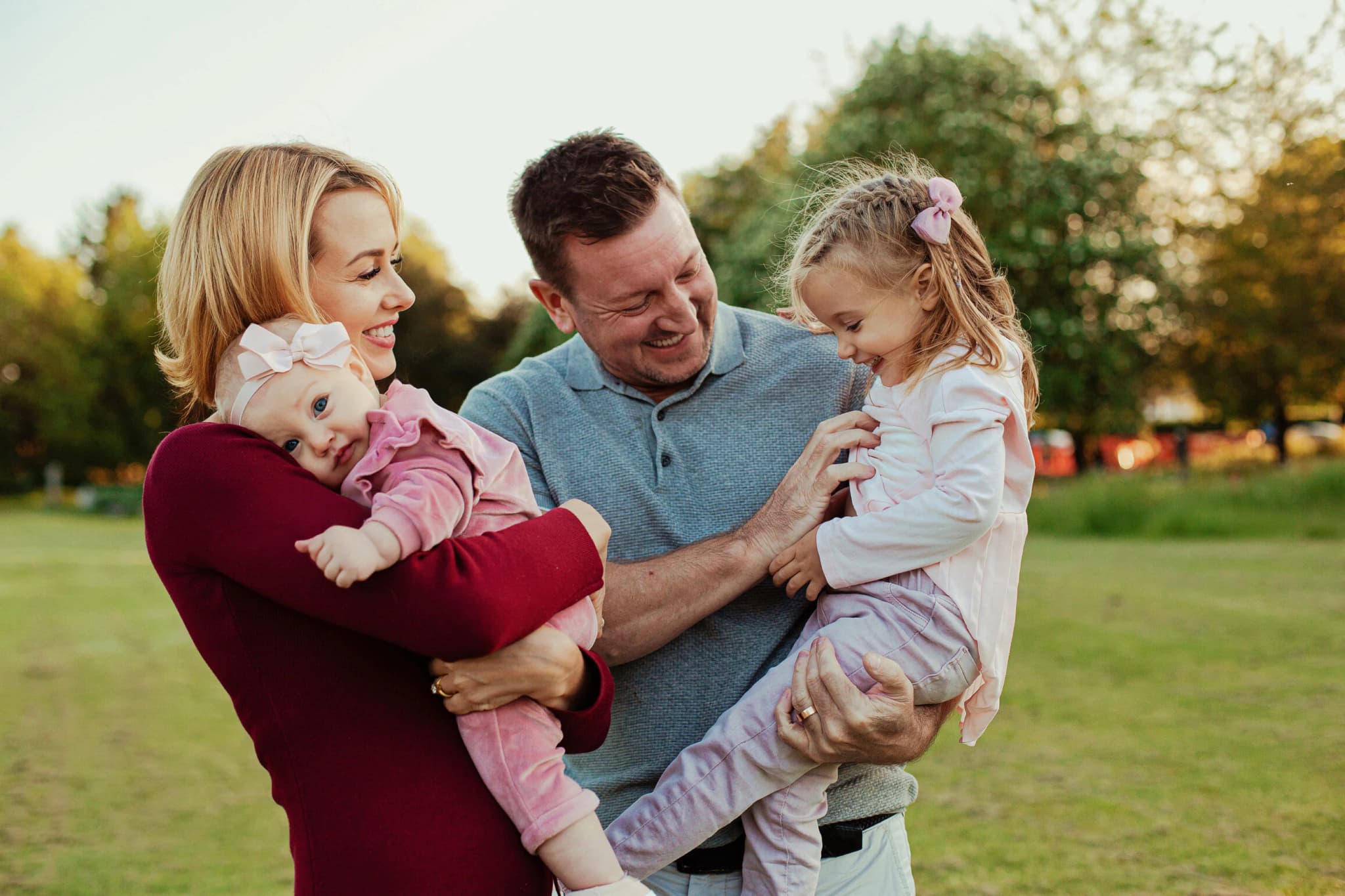
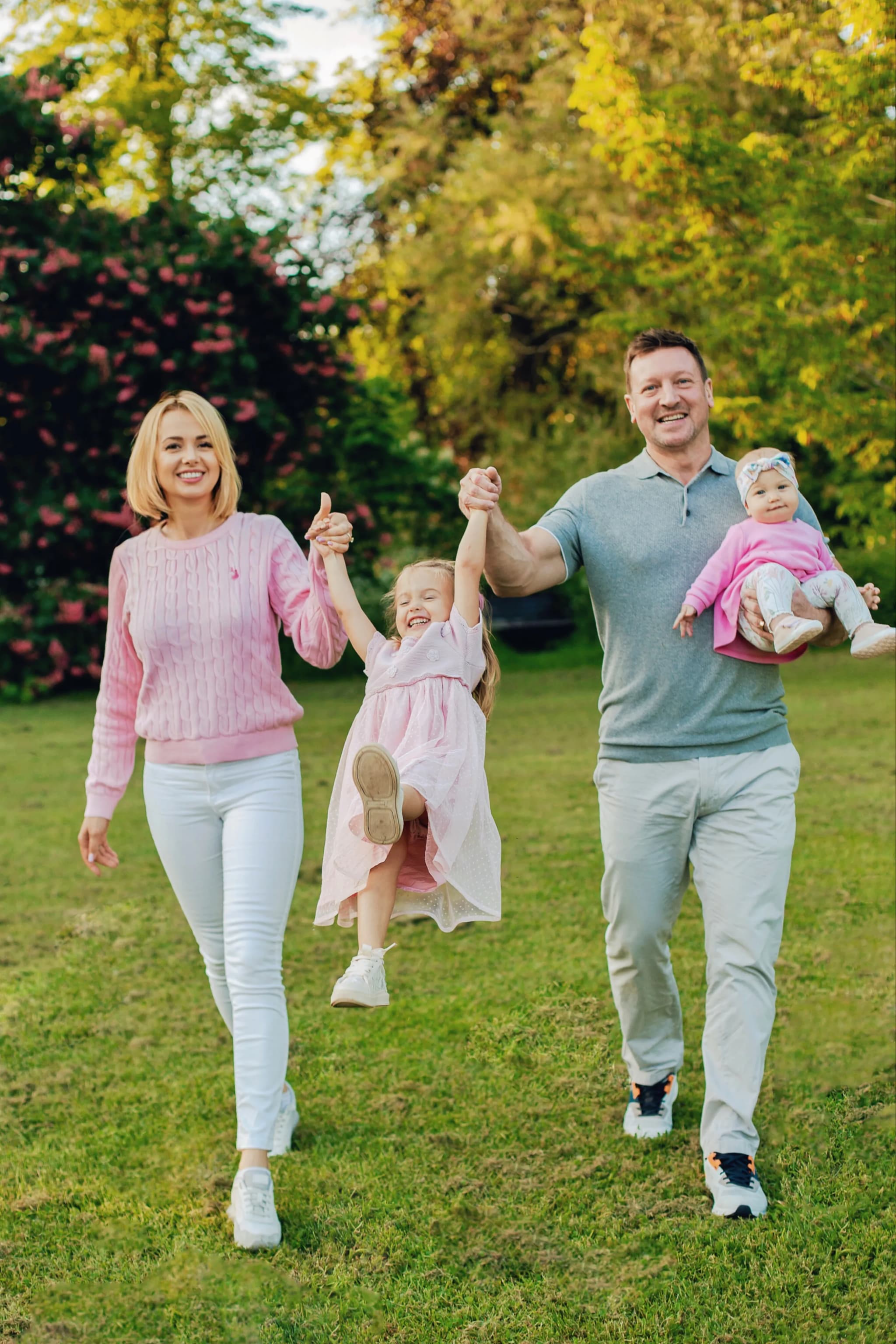
This does not have to be a formal, stiff, studio-style portrait sitting, and for most families I photograph, it isn't. Some of my favourite sessions have taken place in a parent's own garden, on a Sunday afternoon, with grandchildren running around and the whole extended family simply doing what they would normally do — having tea, pottering, sitting together on a bench — while I photograph it as it unfolds. Other families prefer something a little more structured, with a few posed combinations (parent and each adult child individually, the whole family together, grandparents with each grandchild) alongside the candid, unguarded moments in between.
For a full multigenerational session, I usually recommend allowing an hour to ninety minutes. That sounds like a lot, but it accounts for the reality of coordinating several adults and possibly young children, allows time to work through both posed and candid images, and leaves enough breathing room that nobody feels rushed or like they are being marched through a shot list. If mobility, energy levels, or health are a concern for a parent or grandparent, we can and should build the session around that — shorter, at home, seated, whatever makes the day comfortable rather than something to be endured. You can read more about how I approach multigenerational family photography and grandparents photography sessions, and see examples of past work.
If you've been meaning to do this
If reading this has made you think of a parent or grandparent you keep meaning to photograph "properly" one day, I would genuinely rather help you do it sooner than later. Sessions can be as simple or as considered as you need, at your home or somewhere meaningful to your family, and I'm happy to talk through timing, cost, and what would work best before you commit to anything.
Get in touchPractical Advice for Getting This Photograph Taken
If you have decided you want to do this, here is what actually helps. First, don't wait for a "perfect" occasion. Families often put this off waiting for a milestone birthday or an anniversary, but the most natural, honest photographs usually come from an ordinary day, not a stage-managed event. Second, keep clothing simple and coordinated without being matchy — a shared, muted colour palette across the family reads far better in photographs than everyone in their own bright, competing colours. There's more detailed guidance on this in my notes on what to wear for a family photoshoot, most of which applies just as well to a multigenerational group.
Third, involve your parent or grandparent in the decision rather than presenting the session as something being done to them. Some older adults are genuinely uncomfortable in front of a camera, often because their only recent experience of being photographed is a hurried, unflattering phone snap. A relaxed, unhurried, professional session tends to change that impression quickly — most people, once they see a handful of images from early in the session on the back of the camera, visibly relax. Fourth, think about location with comfort in mind first and aesthetics second. A parent's own home or garden, somewhere they feel entirely themselves, will almost always produce better photographs than an unfamiliar location chosen purely for how it looks.
Finally, don't over-plan the day into rigidity. Leave space for the unscripted moments — a grandchild climbing onto a grandparent's lap unprompted, a joke that makes everyone laugh at once — because those are very often the images families end up treasuring most, far more than the carefully posed group shot everyone was staring straight at the camera for.
A Few Honest Answers to Questions Families Ask
Does it have to be the whole family, all at once? No. Some of the most meaningful images I've taken have been one adult child and one parent, nothing more elaborate than that. A full multigenerational gathering is wonderful when it's possible, but a smaller, simpler session is just as valid and, logistically, often much easier to actually make happen.
What if a parent is self-conscious about how they look now? This comes up often, and it is worth saying plainly: the goal is not to erase the marks of a life well lived, but to photograph someone in a way that feels true to who they are, taken with care and without judgement. Good, gentle portrait photography tends to soften this worry considerably once people see the actual results.
What if we live far apart and coordinating everyone is difficult? Plan around a visit that's already happening — a holiday, a birthday gathering — rather than trying to create a separate occasion. I photograph families based across the UK and am happy to travel to wherever the gathering is taking place, whether that's Cambridge or somewhere further afield.
Is there a "best" time to do this? The honest answer is now, whenever now happens to be for you. There is no ideal season or milestone to wait for. The single biggest predictor of regret I hear from families is not a bad photograph — it is no photograph at all, because the right time kept getting pushed to next year.
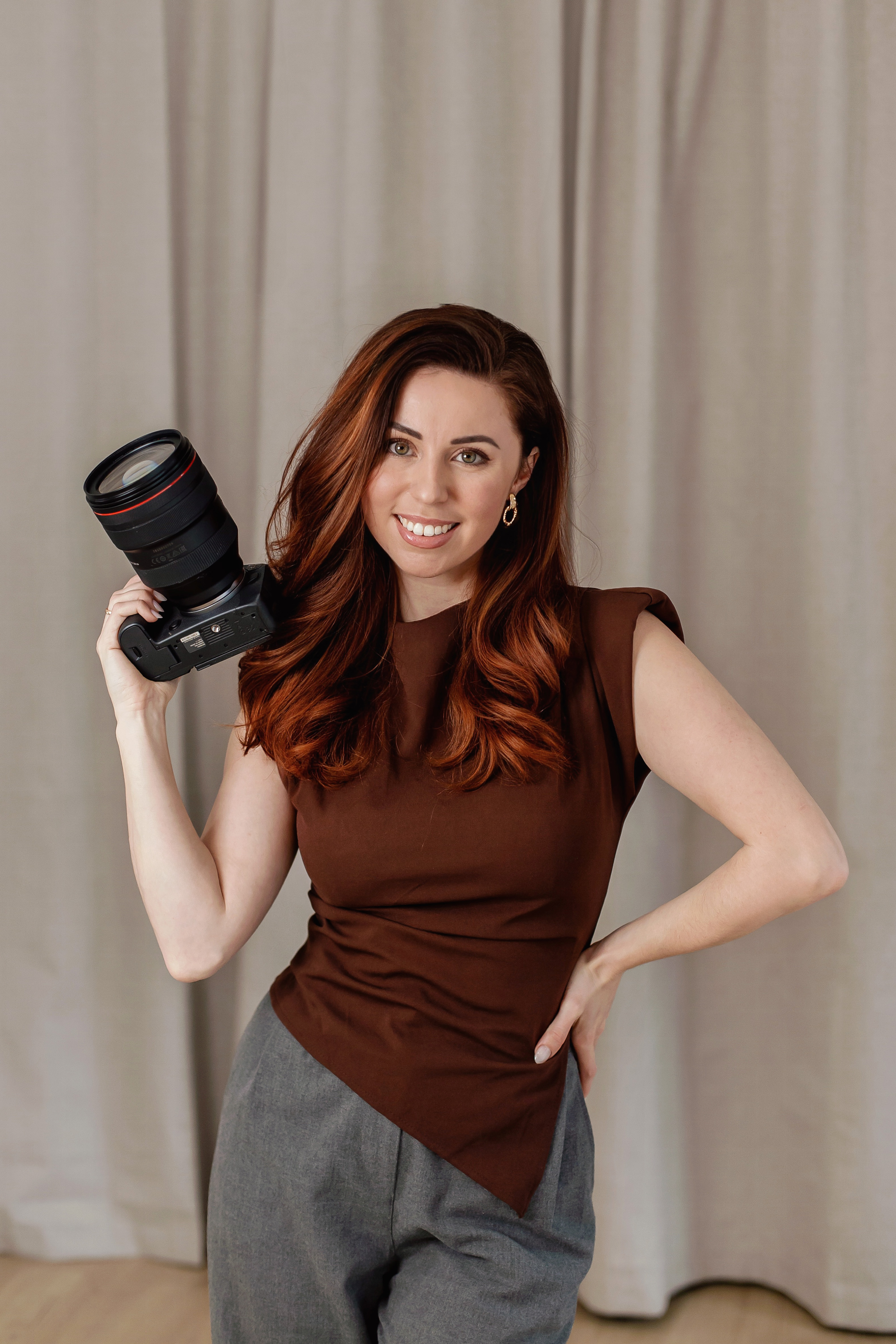
I am Yana Skakun, a photographer based in Cambridge and available for sessions across the UK, and multigenerational and family photography is some of the work I find most meaningful. If you have been putting off photographing your parents or grandparents — for whatever reason, practical or emotional — I would encourage you not to wait much longer. You can find out more about how I work on my about page, or simply get in touch and we can talk through what a session for your family might look like.
Yana Skakun
Photographer · England
Professional wedding, family and portrait photographer based in England. Passionate about capturing authentic emotions and timeless moments.
About Yana →regret not taking photos parentsfamily photography with parentsgrandparent photographymultigenerational family photoselderly parent portrait sessionCambridge family photographer
Family Tips — Family Photography in Cambridge & England
Yana Skakun offers natural, relaxed family photography sessions across Cambridge, Cambridgeshire, and the wider East of England. Sessions take place outdoors — in parks, woodland, and countryside — or at your family home, wherever everyone feels most at ease. This guide — Why We Regret Not Taking More Photos of Our Parents: A Photographer's Personal Story — is part of the photography journal: practical, experience-based advice drawn from real sessions across England. Whether you arrived searching for regret not taking photos parents or family photography with parents, the same care and attention shapes every session Yana photographs.
Family Photography sessions are available year-round, with bookings open across Cambridge, Ely, Huntingdon, Peterborough, and further afield — East England, London, the Midlands, and beyond. If you have specific questions about grandparent photography, mention it in your enquiry. Get in touch through the contact form above to check availability and discuss your session. Enquiries are welcomed from anywhere in the UK.
Frequently Asked Questions
How do you prepare children for a family photoshoot?+
Keep it low-key beforehand — don't over-explain or build it up too much. Make sure children are fed and rested. Bring a snack and a favourite toy or comfort item. Let them warm up at their own pace rather than forcing poses from the start. The best family photos happen when children forget there's a camera.
What should a family wear for photos?+
Choose a colour palette — 2–3 complementary tones — rather than identical outfits. Earthy neutrals, blues and greens, or cream and blush all work beautifully outdoors. Avoid large logos, neon colours, and very small patterns that create visual noise. Dress for the location and season, and make sure everyone is comfortable.
When is the best time for an outdoor family photoshoot?+
The golden hour — the first hour after sunrise or the last hour before sunset — gives the softest, warmest light. Overcast days are also excellent: the cloud acts as a natural diffuser, eliminating harsh shadows. Midday summer sun is the most challenging light to shoot in.
How long does a family photography session take?+
Most family sessions last 45–75 minutes. Mini sessions (30–40 minutes) work well for smaller families and toddlers who have shorter attention spans. Larger extended family groups may need 90 minutes to cover everyone comfortably.
How many photos will I get from a family photoshoot?+
A standard 60-minute family session typically produces 30–60 edited images delivered in a private online gallery. Mini sessions deliver 15–25 images. All images are colour-corrected, naturally edited, and ready for printing.
Continue Reading
Related Articles

Family Tips
Blended Family Photography: A Sensitive Guide to Step-Families, Co-Parenting & Group Portraits
11 min read · Read Article
Family Tips
Baby Milestone Photography: Capturing Every Stage of the First Year
10 min read · Read Article
Family Tips
Maternity Photography in England: When to Book, What to Wear & Where to Shoot
11 min read · Read Article
Get in Touch
Ready to Book Your Session?
Get in touch to discuss your vision — I'll reply within 24 hours.