Yana Skakun

Winter Wonderland Wedding Photography Theme Ideas
By Yana Skakun·10 July 2026·8 min read
Winter weddings have a quiet drama that summer simply cannot offer. Bare branches against a pale sky, breath visible in the cold air, candlelight doing the work that golden hour does in June, and a stillness in the landscape that makes every photograph feel deliberate. More couples are choosing to marry between November and February than they did even five years ago, partly for the lower venue costs and partly because they have seen the images — frosted gardens, roaring fireplaces, dramatic grey skies, snow if you are lucky — and want that mood for their own day. If you are planning a winter wedding and want the photographs to actually deliver on the "winter wonderland" promise rather than looking like a summer wedding shot indoors, there is a fair amount of practical planning that makes the difference.
Choosing a Venue That Photographs Well in Winter
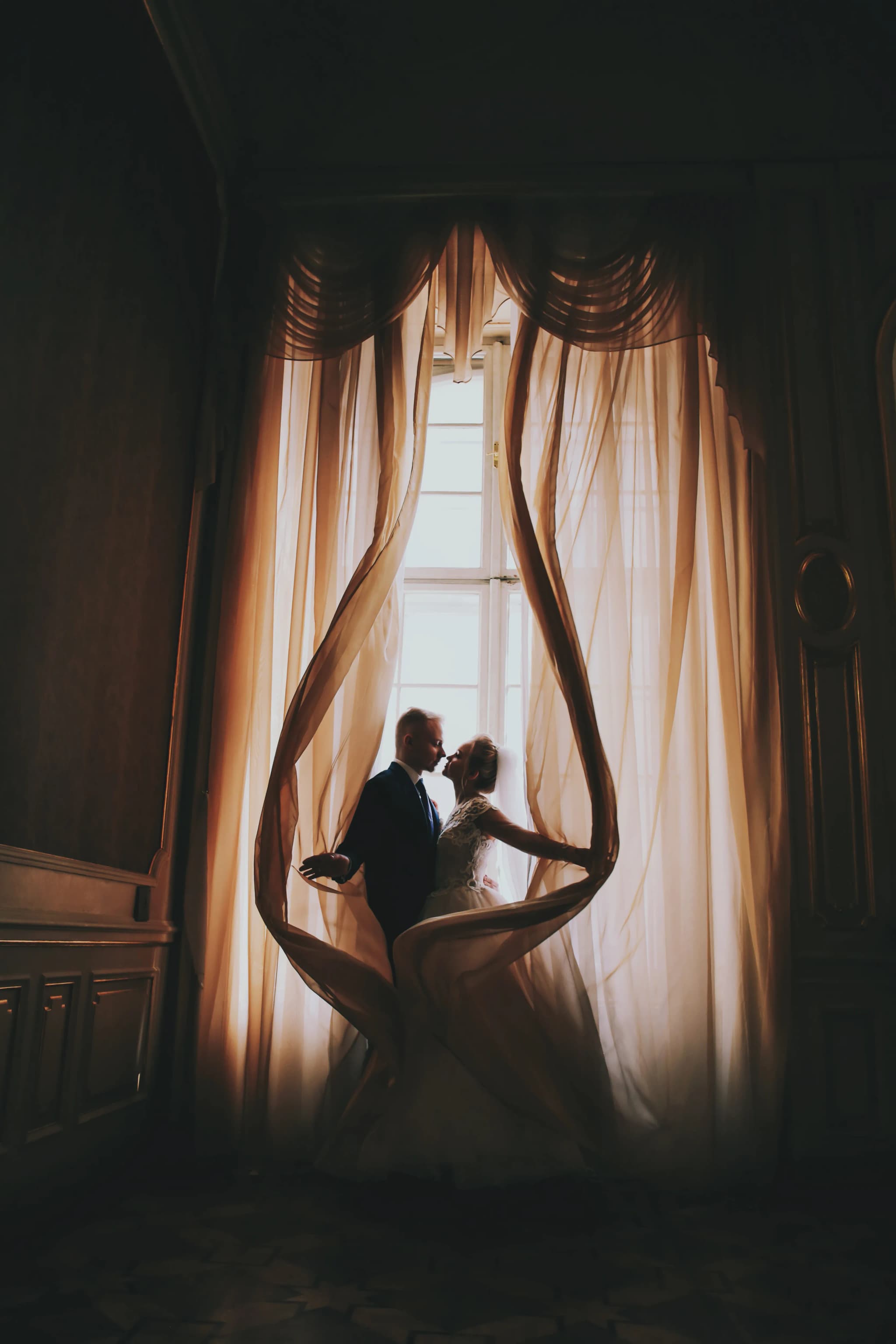
Not every wedding venue that looks wonderful in a June brochure photograph works equally well in December. The gardens that carry a summer wedding with roses and lawns can look bare and muddy in winter, and a venue chosen purely from a summer portfolio can be a disappointment on the day. When I am asked to recommend venues for a winter date, I look specifically at what the building and grounds offer once the greenery has gone: a grand staircase, large windows that flood a room with the low winter sun, an open fire, exposed beams, or formal gardens with good structure — box hedging, gravel paths, mature trees — that hold their shape without leaves.
Country houses and manor houses tend to photograph particularly well in winter because their architecture was never dependent on planting. Deer parks, orangeries, walled gardens with yew and topiary, and long gravel drives all give a winter wedding somewhere to stand that looks intentional rather than bare. If you already have a venue booked, it is worth walking the grounds in November or December before the wedding itself, ideally around the time of day your ceremony or portraits will happen, just to see what the light and the landscape are actually doing at that time of year.
Working With Short Winter Daylight
The single biggest practical difference between a summer and a winter wedding, photographically, is the amount of daylight available. In late December the sun can set as early as half past three in the afternoon, and civil twilight — the point at which useable natural light really disappears — often arrives by four. A wedding timeline built around a summer template, with a ceremony at two and portraits squeezed in after the meal, simply will not work in December because the light will be gone.
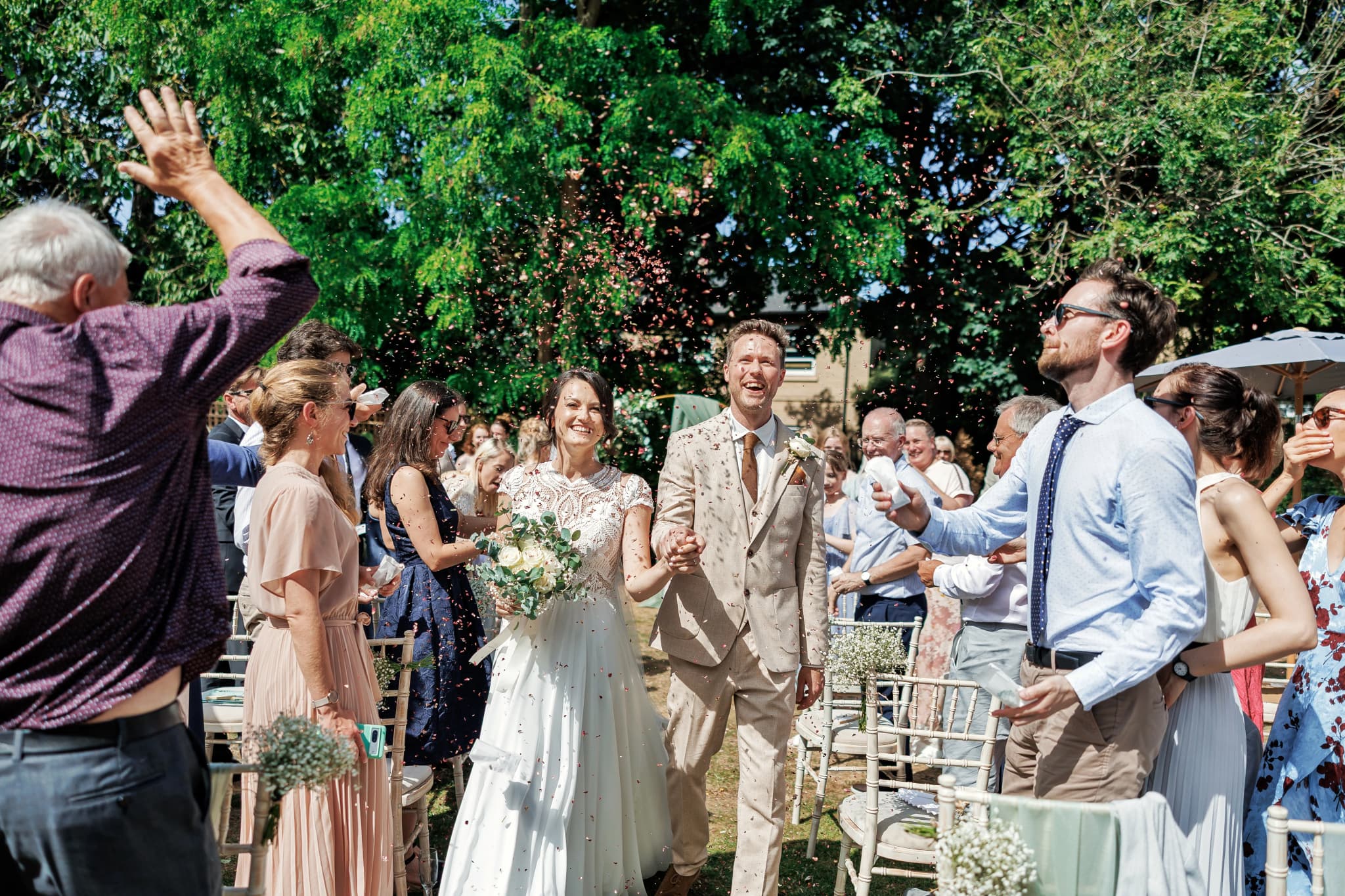
I always ask couples marrying between November and February to build their day around the sun rather than around habit. That usually means an earlier ceremony, generally late morning to early afternoon, with couple portraits and family groups scheduled for the hour or so immediately after, while there is still strong natural light. Confetti, if you are having it, works beautifully in winter light with breath visible and colour against a muted background — but again, it needs to happen while daylight allows for it. I send every winter couple a timeline built specifically around their venue's sunset time for their wedding date, not a generic template, because ten minutes either way can be the difference between a golden-lit portrait and one taken in near darkness.
The upside of short days is that the golden hour and blue hour both arrive early and are often more dramatic in winter than in summer, when the sun sets slowly and gently. Winter sunsets can be fast, intense, and vividly coloured, and the period of blue hour immediately afterwards — when the sky turns a deep, saturated blue and any lit windows or fairy lights start to glow — is one of my favourite times to photograph a winter reception from outside, looking in.
Dressing for the Cold Without Compromising the Photographs
Cold is the practical obstacle every winter wedding has to solve, and it affects photographs directly because a shivering bridal party does not photograph naturally. A faux fur wrap or a tailored winter coat over a dress works far better in portraits than a couple gritting their teeth through five minutes outside in just a dress and shirtsleeves for the sake of the shot. I keep portrait sessions outdoors genuinely brief in cold weather — a focused ten to fifteen minutes rather than a leisurely wander — and plan the locations in advance so we are not searching for a spot while everyone gets colder.
For the bridal party, gloves that can be removed for ring shots, a hip flask or hot drink kept just out of frame, and hand warmers tucked into pockets between photographs all make a genuine difference to comfort and therefore to how relaxed everyone looks. Grooms and groomsmen in a well-cut wool overcoat photograph exceptionally well against a bare winter landscape — the tailoring reads as considered rather than as an afterthought layered on for warmth. If snow is a possibility, wellies or sturdy boots that can be swapped for indoor shoes just before the ceremony are worth having on hand, since arriving at the altar with wet, cold feet is not the memory anyone wants.
Using Candlelight and Fairy Lights Indoors
Winter weddings tend to spend far more of the day indoors than summer weddings do, which shifts a lot of the photographic character of the day onto how the room is lit. Candlelight is, in my experience, the single most flattering and most reliably beautiful light source for a winter wedding breakfast and reception. Dozens of small candles along a long table produce a warmth and intimacy that no amount of overhead lighting can match, and they photograph with a genuine glow rather than the flat, slightly clinical look that fluorescent or bright LED venue lighting often produces.
Fairy lights woven through greenery, draped along beams, or wrapped around a fireplace add a similar quality after dark, and they are particularly effective photographed slightly out of focus in the background of a portrait, turning into soft round points of light. I would gently steer couples away from very bright, very white venue lighting for the evening reception if there is any choice in the matter — it tends to flatten faces and strip out the atmosphere that makes winter weddings distinctive in the first place. If your venue has dimmable lighting, using it is one of the easiest ways to improve every photograph taken after dark.
Planning a winter wedding?
I build every winter timeline around your venue's actual sunset time and walk the grounds with you in advance wherever possible, so the portraits make the most of the short daylight and the reception glows rather than flattens under harsh lighting. If you are getting married between November and February and want photographs that genuinely capture the season, I would love to talk through your day.
Get in touchSnow: What to Actually Expect and How to Prepare
Snow on a wedding day is, for most UK couples, a hope rather than a plan, and it is worth being honest about that. Genuine snowfall on the exact date of a wedding is relatively rare in most of England, and building an entire vision around it is likely to lead to disappointment. What I encourage couples to do instead is choose a venue and a colour palette that will look beautiful with or without snow — if it falls, wonderful, and if it does not, the day still looks exactly as intended.
If snow does arrive, it changes the photography considerably and for the better. It brightens overcast light, meaning portraits taken under grey winter skies with snow on the ground are often more evenly and flatteringly lit than the same scene without snow. It also means footwear needs rethinking on the morning of the wedding, transport can be affected, and timings may need to flex, so I always suggest couples build in a little slack around their morning preparation schedule during a winter with any chance of snow in the forecast, simply so a delayed hair and makeup team or a slower drive does not put pressure on the rest of the day.
Styling Details That Reinforce a Winter Theme
Small styling choices do a lot of work in winter wedding photography, often more than couples expect. Deep, saturated colour palettes — emerald, burgundy, navy, forest green, charcoal — photograph beautifully against bare branches and grey winter skies in a way that pastel palettes, designed for spring and summer light, simply do not. Foliage-heavy florals with eucalyptus, pine, and winter berries alongside a smaller number of statement blooms give bouquets and table arrangements real texture and depth without needing flowers that are out of season and expensive to source.
Table settings with brass or gold cutlery, dark linen, and clusters of varying candle heights photograph with a richness that summer's bright white settings do not have. Outside, a single dramatic arch or arrangement framed against a bare tree line often has more visual impact in winter than the same structure would in a lush summer garden, precisely because there is less competing detail around it. If your ceremony is outdoors or partially outdoors, a warm drink station — mulled wine, hot chocolate, coffee — doubles as both a practical comfort for guests and a genuinely photogenic detail in its own right.
A Note on Winter Elopements and Smaller Ceremonies
Winter is, in my experience, one of the very best seasons for an intimate wedding or elopement. The short days that create scheduling pressure for a large wedding are far less of a constraint when it is just the two of you, a celebrant, and perhaps a handful of guests, because the whole day can be shaped around a single well-timed window of light rather than around catering timings and a long guest list. A frosty morning ceremony followed by an unhurried, relaxed few hours of portraits across a beautiful winter landscape, finished with a warm meal somewhere cosy, is a genuinely lovely way to marry, and it tends to produce some of the most striking images of the year. If that sounds appealing, it is worth looking at how an elopement photographer approaches these smaller, more flexible days differently from a full wedding.
Whatever the scale of your day, the planning principles are the same: work with the season rather than against it, respect how little daylight you actually have, dress for warmth without losing the look you want, and lean into the candlelight, bare branches, and rich colour palette that make winter weddings so distinctive in photographs. It is a season that rewards a little extra thought at the planning stage with images that genuinely could not have been taken at any other time of year.
I photograph weddings across Cambridge and the wider region through every season, and winter dates are consistently among my favourites for the atmosphere and light they offer. You can see more examples of how different seasons and venues come together on the weddings page, find current packages on the pricing page, and browse options for keeping your images beyond the digital gallery on the wedding albums page. If you are planning a winter wedding and would like to talk through dates, venues, or timelines, Yana Skakun Photography would love to hear from you — get in touch to start the conversation.

Yana Skakun
Photographer · England
Professional wedding, family and portrait photographer based in England. Passionate about capturing authentic emotions and timeless moments.
About Yana →winter wonderland wedding photoswinter wedding photographyUK winter weddingwinter wedding venuewinter elopement Cambridgecandlelight wedding photography
Wedding Tips — Wedding Photography in Cambridge & England
Yana Skakun is a professional wedding photographer based in Cambridge, covering weddings across England — from intimate elopements to full-day ceremonies at country houses, barns, and city venues. Every couple receives a relaxed, documentary approach that captures the day as it truly unfolds. This guide — Winter Wonderland Wedding Photography Theme Ideas — is part of the photography journal: practical, experience-based advice drawn from real sessions across England. Whether you arrived searching for winter wonderland wedding photos or winter wedding photography, the same care and attention shapes every session Yana photographs.
Wedding Photography sessions are available year-round, with bookings open across Cambridge, Ely, Huntingdon, Peterborough, and further afield — East England, London, the Midlands, and beyond. If you have specific questions about uk winter wedding, mention it in your enquiry. Get in touch through the contact form above to check availability and discuss your session. Enquiries are welcomed from anywhere in the UK.
Frequently Asked Questions
How much does a wedding photographer cost in England?+
Wedding photography in England typically ranges from £1,500 to £4,000+ for a full day. Price depends on experience, coverage hours, and whether albums or engagement shoots are included. Most photographers charge between £2,000–£3,000 for 8–10 hours of coverage.
How early should you book a wedding photographer?+
For peak season (May–September), book 12–18 months in advance. For autumn and winter weddings, 9–12 months is usually sufficient. Popular photographers at popular venues fill up fast — as soon as you have a date and venue confirmed, start reaching out.
How many photos do you get from a wedding photographer?+
Most professional wedding photographers deliver 400–800 edited images for a full-day wedding. The exact number depends on coverage hours, how many guests there are, and the photographer's editing style. Quality matters more than quantity — a curated gallery of 500 images tells the story better than 1,500 unedited files.
Do you need a second photographer at your wedding?+
A second photographer is helpful if you want simultaneous coverage of getting-ready moments in different locations, multiple angles during the ceremony, or more candid coverage during the reception. It adds cost but significantly increases the variety and completeness of your gallery.
What is the difference between documentary and editorial wedding photography?+
Documentary (reportage) wedding photography captures moments as they happen — the photographer observes and doesn't intervene. Editorial photography involves deliberate direction: placing you in good light, shaping compositions, creating intentional portraits. Most photographers blend both styles throughout the day.
Continue Reading
Related Articles

Wedding Tips
Sustainable Eco-Friendly Wedding Guide — Planning a Green Celebration
15 min read · Read Article
Wedding Tips
Trash the Dress Session — Complete Planning and Photography Guide
14 min read · Read Article
Wedding Tips
Client Communication for Photographers — From Enquiry to Gallery Delivery
15 min read · Read Article
Get in Touch
Ready to Book Your Session?
Get in touch to discuss your vision — I'll reply within 24 hours.