The Short Answer
Start from your ceremony time and work backwards. Block out 1.5–2 hours for getting-ready coverage, add realistic travel buffers between locations, and reserve time near golden hour for couple portraits. Map the key moments – ceremony, confetti, speeches, first dance – and slot them around your venue's schedule. Then share your venue, the day's sunset time and a short family-photo list with your photographer, who will refine it into a calm, workable plan with you.
Start With the Fixed Points
Before anything else, write down the moments that cannot move: your ceremony start time, when the venue needs guests seated for the wedding breakfast, and any supplier curfews (some venues stop music at midnight). These anchors hold the whole day together. Once they are on paper, everything else – prep, portraits, drinks reception – can be arranged around them rather than fighting against them. Most UK couples find that two or three fixed points are enough to build a realistic timeline.
Work Backwards From the Ceremony
Your ceremony time is the natural pivot. Count back from it to schedule getting ready (typically 1.5–2 hours of coverage, longer if you want both partners documented), hair and makeup finishing roughly 45 minutes before guests arrive, and any first-look or pre-ceremony moments. Working backwards stops the morning feeling rushed and prevents the classic mistake of a half-done hairstyle when the photographer walks in. Give yourself a small cushion – mornings always run a little behind.
Build In Travel and Buffer Time
Travel is where timelines quietly fall apart. If your prep, ceremony and reception are in different places, add generous buffers – not just the journey time, but parking, gathering people and the inevitable last goodbye. As a rule of thumb, pad every transition by 10–15 minutes. UK weather and rural lanes are unpredictable, so a relaxed buffer is far better than a missed grand entrance. A timeline with breathing room feels luxurious; one packed to the minute feels stressful.
Plan Portraits Around Golden Hour
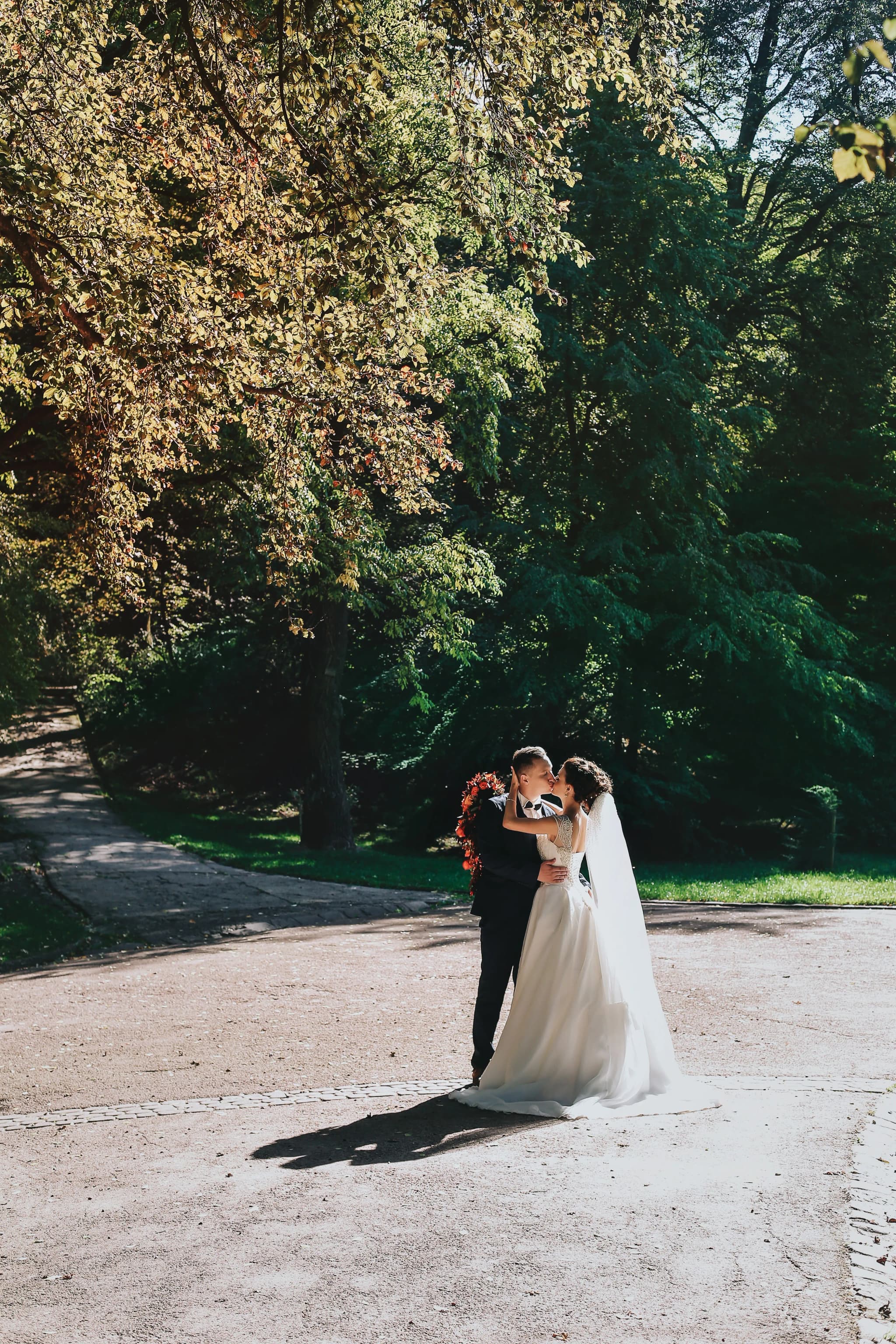
The softest, most flattering light of the day comes in the hour before sunset, so check your wedding date's sunset time and try to steal 15–20 minutes for couple portraits then. In a British summer that might be 9pm; in autumn or winter it could fall during your reception, which is perfectly fine – we simply note it and slip out together for a few quiet frames. You do not need a long session; a short, unhurried walk away from the crowd produces the images couples treasure most.
Keep Family Photos Short and Specific
Group photos are the part of the day most likely to overrun, usually because nobody knows who is needed. The fix is a short, named list – ideally 8 to 12 combinations – shared in advance. Appoint a confident friend or usher who knows both families to call people forward, and you will sail through the list in 20–30 minutes rather than losing an hour of your drinks reception. Tell guests roughly when to expect group shots so they do not wander off to the bar.
Leave Room for the Unplanned
The best moments are rarely on the schedule – a grandmother laughing, a quiet hug before the speeches, children dancing. A timeline that is too tight squeezes these out. Aim to fill no more than about 80% of the day with planned items, leaving the rest as open, candid time. Documentary photography thrives in these gaps, so the goal is a framework that keeps the day on track while still letting it breathe and surprise you.
Share It With Your Photographer Early
A timeline works best as a conversation, not a solo task. Once you have a draft, send it over with your venue details, sunset time and family list. I will sanity-check the pacing, flag anything that looks tight, and suggest where the light and quiet moments will fall – then we finalise a realistic, unhurried schedule together. Having this agreed a few weeks before the day means everyone, from your planner to your hair stylist, is working to the same plan.