Yana Skakun

Is 6 Hours Enough for Wedding Photography? A Full Breakdown
By Yana Skakun·10 July 2026·7 min read
Six hours of wedding photography coverage is one of the most common package lengths offered by UK photographers, and it is also one of the most common sources of pre-wedding anxiety. Couples building their day around a six-hour block want to know, honestly, whether it is going to be enough — or whether they will look back at their gallery and see the gap where getting ready, first dance, or last orders should have been. The honest answer is: it depends entirely on how your day is structured, and with the right timeline, six hours is genuinely enough for the overwhelming majority of UK weddings. But there are specific trade-offs worth understanding before you commit to that package length, and this article walks through them properly rather than giving you a vague reassurance.
What Six Hours Typically Covers
In UK wedding photography, a six-hour package is usually built around one of two shapes. The first, and most common, starts an hour or so before the ceremony — covering final getting-ready details, the groom and groomsmen arriving, and guests being seated — and runs through the ceremony, confetti or group exit, drinks reception, formal family photographs, speeches, and into the very start of the evening reception, often finishing just after the first dance. The second shape starts earlier in the morning to capture full bridal prep — dress, hair, makeup, the details flat lay — and finishes earlier in the evening, sometimes before speeches if the wedding breakfast is running late.
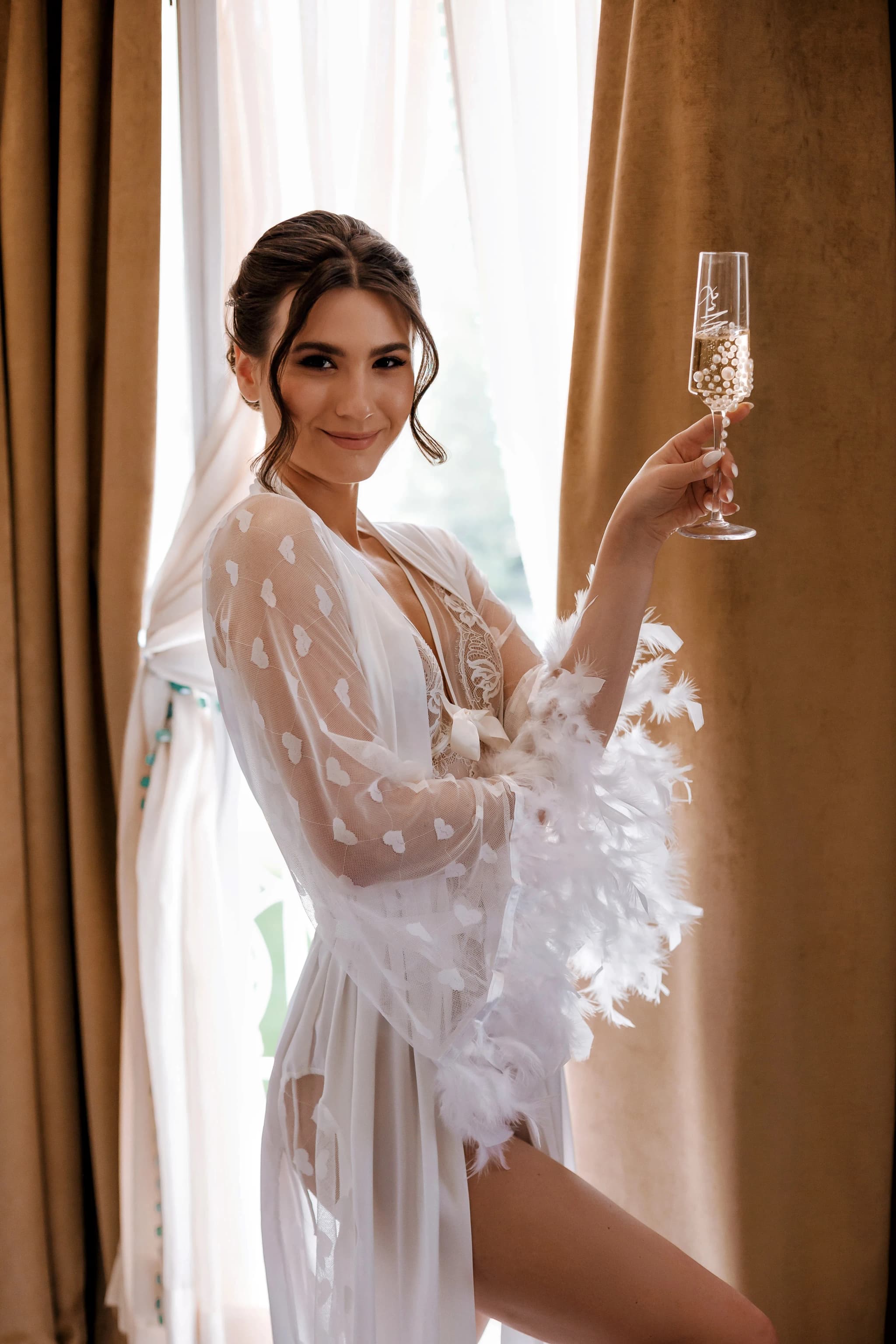
Both are legitimate ways to use six hours, and which one suits you depends on what actually matters to you. If getting-ready photographs with your bridesmaids in matching robes and a slow, quiet morning are important to you, you want the first structure. If you care more about documenting the party atmosphere, the speeches, and the first dance, you want the second. A good photographer will ask you this directly during timeline planning rather than assuming.
The Moments Six Hours Realistically Captures
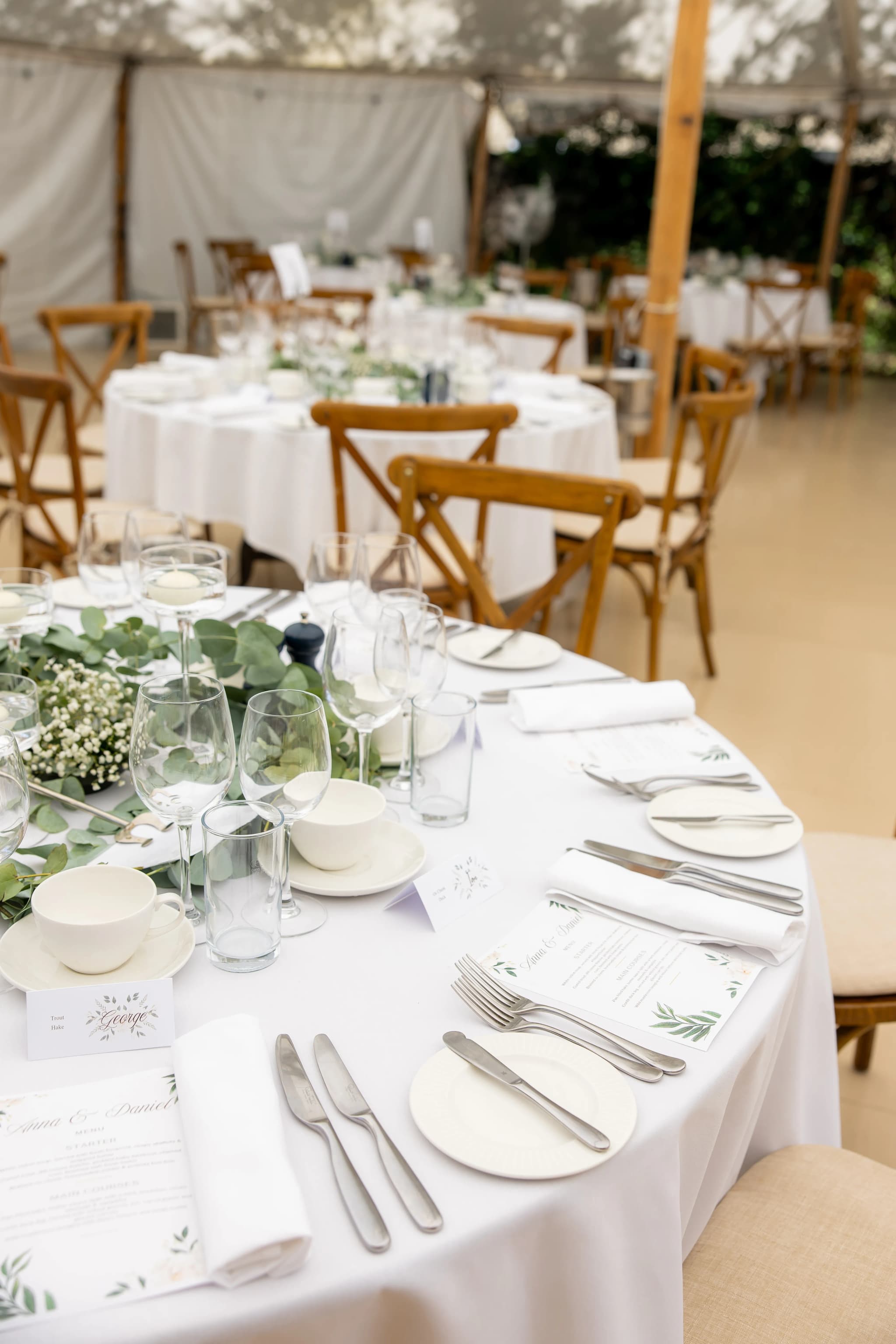
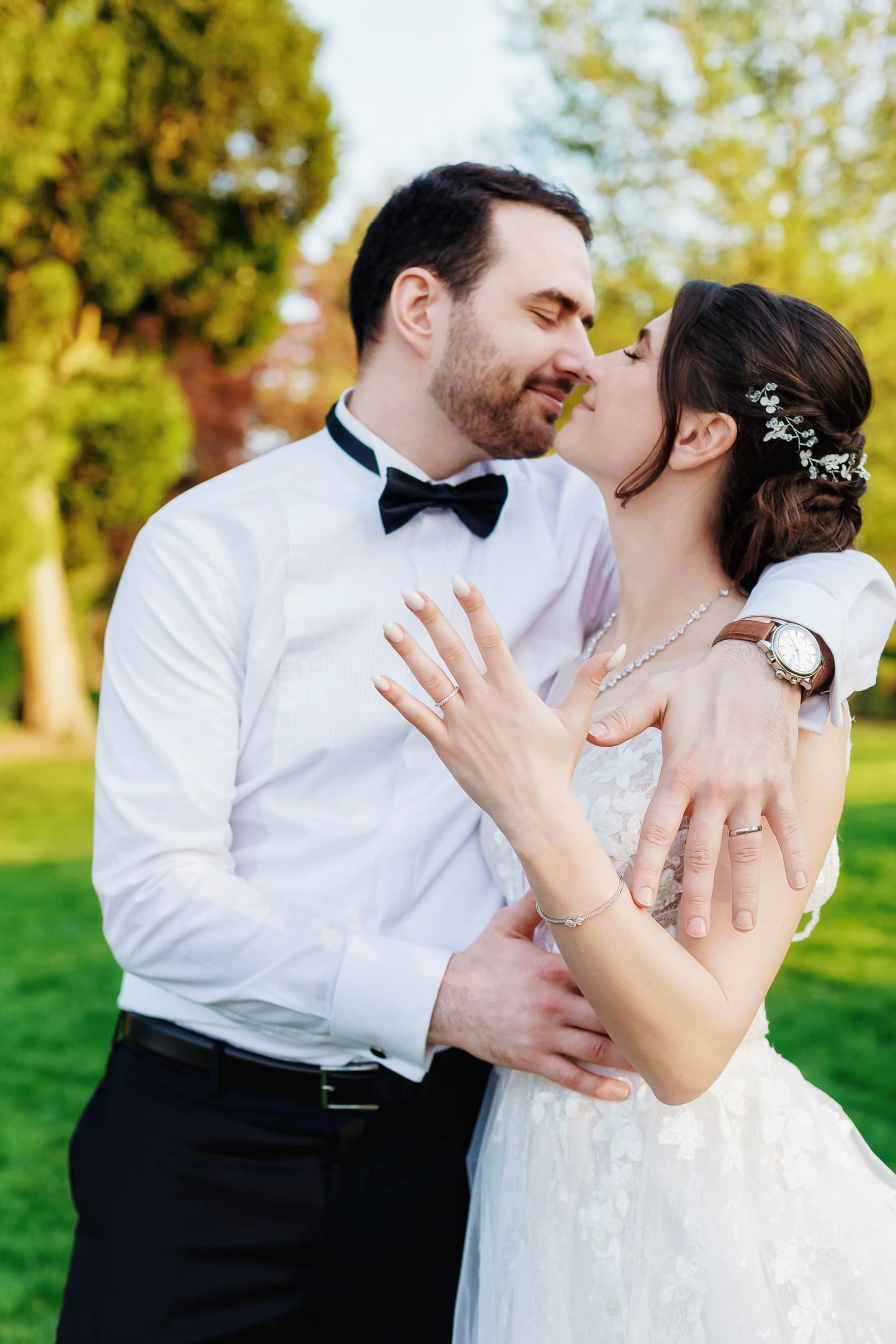
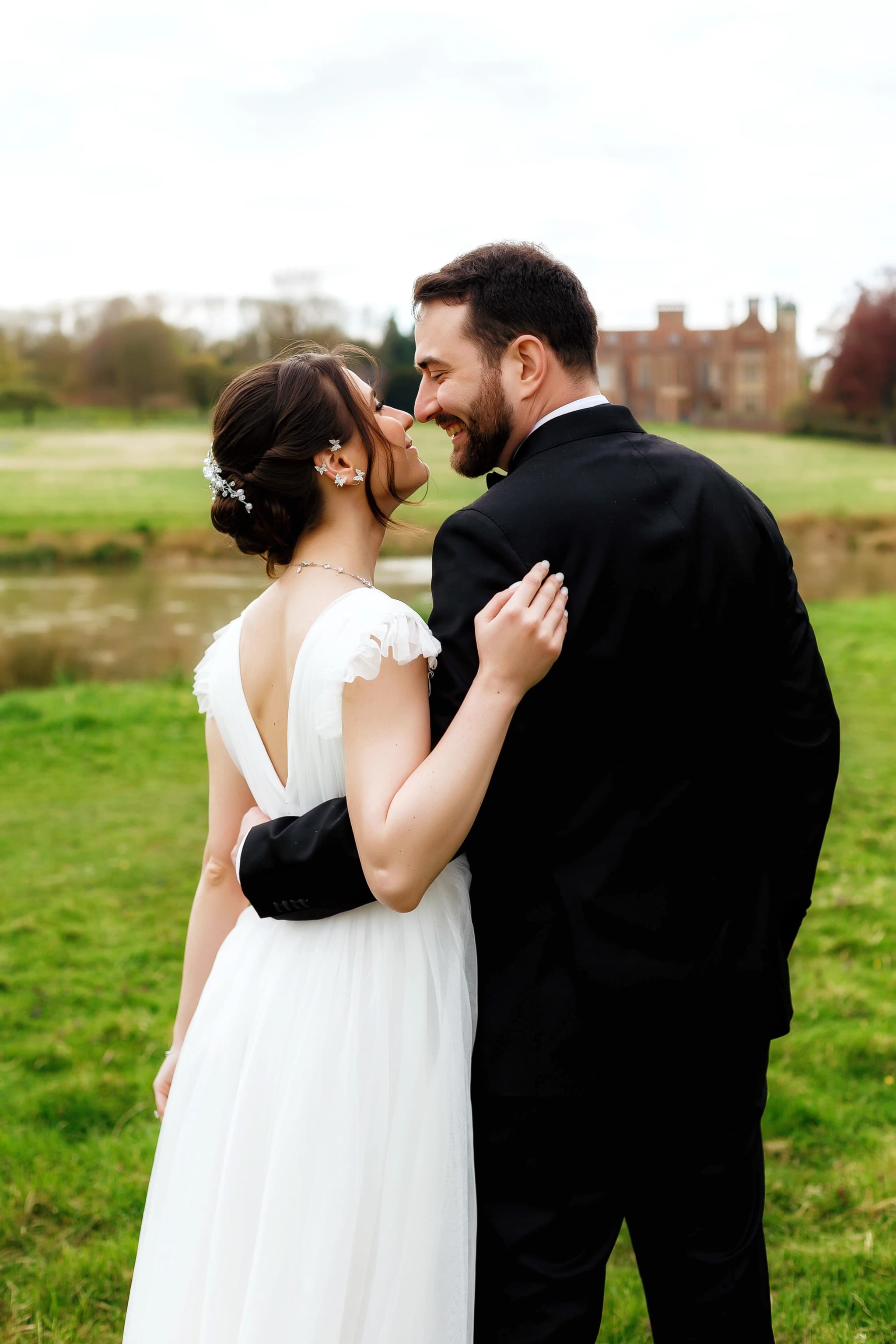
A well-planned six-hour package comfortably covers: the last hour of bridal preparation (dress on, final touches, the walk out), the ceremony itself, confetti and group shots straight after, a curated set of formal family photographs (typically eight to twelve combinations, which takes fifteen to twenty-five minutes if the guest list has been briefed in advance), twenty to thirty minutes of couple portraits, candid coverage of the drinks reception, the room reveal and wedding breakfast atmosphere, the speeches, and the cutting of the cake. Depending on where the six hours starts, it can also stretch to cover the first dance.
What it typically does not cover, unless your timeline is unusually tight and efficient, is the bulk of evening dancing, the DJ set beyond the first song or two, and late-night moments like sparklers or the last guests leaving. If any of those matter significantly to you, that is the strongest single argument for extending to seven or eight hours rather than six, and it is worth reading through our full wedding photography pricing guide to see how the packages scale.
Where Six Hours Goes Wrong: The Timeline Problem, Not the Hours Problem
In my experience, when six hours feels "not enough," it is very rarely actually a shortage of hours. It is almost always a timeline that has not accounted for how long things genuinely take. Weddings run late. Ceremonies start ten or fifteen minutes behind schedule more often than not. Guests take longer to organise for family photographs than anyone expects, particularly large extended families who have not seen each other in years and want to catch up mid-photo. Drinks receptions run over because the bar queue is long. A six-hour block calculated on optimistic, best-case timings will feel short. A six-hour block calculated on realistic timings, with buffer built in, generally will not.
The single biggest lever couples have to make six hours work well is timeline planning done properly, in advance, with input from their photographer. This is not a minor administrative task — it is the difference between a package that feels generous and one that feels rushed. I ask every couple to build their draft timeline with me several weeks out, and I flag anywhere the schedule is unrealistic before the day, not during it.
Not sure which package length fits your day?
Send me your rough running order and I will tell you honestly whether six hours will cover it, or whether your particular day — a longer ceremony, a venue change, an evening do that matters to you — is better served by more time. There is no benefit to either of us in you booking coverage that does not fit your day.
Get in touchWeddings Where Six Hours Is Genuinely Tight
There are specific wedding shapes where six hours is a real squeeze rather than a planning exercise. A full traditional day with a large bridal party getting ready from early morning, a religious ceremony at a separate venue from the reception requiring travel time between the two, an extensive family photograph list from a blended family with a lot of combinations, and an evening reception the couple wants documented into the dancing — that combination genuinely exceeds what six hours can comfortably absorb, no matter how well the timeline is planned. If this sounds like your day, it is worth being honest with yourself early rather than hoping the numbers work out on the day itself.
Two-venue weddings deserve a specific mention. If your ceremony and reception are at different locations with a drive between them, that travel time comes directly out of your coverage hours unless your photographer builds in an allowance for it. A twenty-minute transfer between venues is twenty minutes not spent photographing anything, and on a six-hour package that is a meaningful proportion of your total time. Couples in this situation often benefit from starting their coverage slightly later, timed to skip past the travel window, or from adding an extra hour specifically to absorb it.
Weddings Where Six Hours Works Comfortably
At the other end, six hours is genuinely generous for a wedding with the ceremony and reception at the same venue, a getting-ready location on site or very close by, a family photo list kept to a sensible ten or fewer combinations, and coverage that is intended to run from just before the ceremony through to the meal and speeches rather than deep into the evening. This describes a very large share of UK weddings, particularly at venues purpose-built for weddings where everything happens under one roof. If this is your situation, I would actively discourage you from overspending on extra hours you are unlikely to need — that budget is often much better spent on an album or a second photographer for the getting-ready portion of the day.
Elopements, intimate weddings, and registry office ceremonies followed by a smaller celebration are almost always comfortably covered within six hours, frequently with time to spare. If your wedding is on the smaller or more intimate end, it is worth asking your photographer directly whether a shorter package might suit you better rather than defaulting to six hours because it is the package most commonly advertised.
How to Stress-Test Your Own Timeline
Before committing to six hours, sit down with your actual running order and add fifteen minutes of buffer to every transition point — ceremony start, family photos, walking between locations, sitting down for the meal. If your day, with that buffer added, still fits inside six hours from your chosen start point to your chosen end point, you are almost certainly fine. If it does not, you have two honest options: trim what you are asking coverage to include, or extend the package. Neither is wrong, but deciding this before the day, rather than discovering it on the day itself, is what separates couples who are happy with six hours from couples who feel shortchanged by it.
It is also worth discussing directly with your photographer what happens if the day overruns despite the planning — whether there is flexibility to extend coverage on the day itself for an additional fee, and what the process for that looks like. Knowing this in advance removes one more source of on-the-day stress. Our own wedding photography timeline guide goes through this process in more detail if you want a structured way to build yours.
Six Hours Versus Longer Packages: The Honest Trade-off
The case for extending beyond six hours is not really about "more photos is always better." It is specifically about which moments matter most to you and whether they fall inside or outside a six-hour window once you have mapped your real timeline. Couples who care deeply about evening dancing, sparkler exits, or documenting the whole arc of the party should extend. Couples whose priority is the ceremony, the formal portraits, and the beginning of the celebration are usually well served by six hours and would get comparatively little extra value from buying more.
There is no universally correct answer here, which is exactly why a conversation with your photographer about your specific day, rather than a generic recommendation, is worth having before you book. Every wedding I photograph gets this conversation, because a package that fits the couple's actual priorities produces a better gallery than a package chosen by default.
If you are planning a wedding and trying to work out whether six hours fits your day, I am happy to look at your running order and give you an honest read on it — not a sales pitch for more hours than you need. As a wedding photographer based in Cambridge and covering weddings across the UK, I have built timelines for everything from intimate registry office ceremonies to full-day celebrations with two venues, and I would rather help you choose the right package than the biggest one. Get in touch with your date and rough plan and we can work out what will genuinely serve your day.
Yana Skakun
Photographer · England
Professional wedding, family and portrait photographer based in England. Passionate about capturing authentic emotions and timeless moments.
About Yana →6 hours wedding photographywedding photography coverage hourswedding photography timeline UKhow many hours wedding photographerwedding photography package lengthUK wedding photographer planning
Photography Tips — Professional Photography in Cambridge & England
Yana Skakun is a professional photographer based in Cambridge, specialising in wedding, family, and portrait photography across England. Every session is personal — planned around your story, your people, and the moments that matter most. This guide — Is 6 Hours Enough for Wedding Photography? A Full Breakdown — is part of the photography journal: practical, experience-based advice drawn from real sessions across England. Whether you arrived searching for 6 hours wedding photography or wedding photography coverage hours, the same care and attention shapes every session Yana photographs.
Professional Photography sessions are available year-round, with bookings open across Cambridge, Ely, Huntingdon, Peterborough, and further afield — East England, London, the Midlands, and beyond. If you have specific questions about wedding photography timeline uk, mention it in your enquiry. Get in touch through the contact form above to check availability and discuss your session. Enquiries are welcomed from anywhere in the UK.
Frequently Asked Questions
What camera settings should I use for outdoor portraits?+
For outdoor portraits, shoot in aperture priority mode. Use a wide aperture (f/1.8–f/2.8) to blur the background and isolate your subject. Keep ISO as low as possible in good light. In bright conditions, use a neutral density filter or switch to manual to avoid overexposure at wide apertures.
What is the golden hour in photography?+
Golden hour is the period roughly 30–60 minutes after sunrise and before sunset. The sun is low in the sky, producing warm, soft, directional light that flatters skin tones and creates beautiful long shadows. It's widely considered the best natural light for portrait and outdoor photography.
How do you get sharp photos in low light?+
In low light, increase your ISO (accepting some grain), use the widest aperture your lens allows, and slow your shutter speed to the slowest you can hand-hold without camera shake (roughly 1/focal length as a guide). Use image stabilisation if available, and consider a tripod for static subjects.
What is the rule of thirds in photography?+
The rule of thirds divides the frame into a 3×3 grid. Placing your subject on one of the four intersection points — rather than dead centre — creates a more dynamic, visually interesting composition. It's a guideline, not a rule: some of the most powerful images break it deliberately.
How do you edit photos to look professional?+
Professional editing starts with shooting in RAW format. In Lightroom or similar software, correct exposure, white balance, and contrast first. Recover shadow and highlight detail. Apply gentle colour grading for mood. Be conservative with skin retouching — the goal is natural enhancement, not transformation. Consistency across a set of images is what separates professional from amateur editing.
Continue Reading
Related Articles

Photography Tips
Photography Gift Vouchers: The Most Personal Present You Can Give
5 min read · Read Article
Photography Tips
Photo Books vs Photo Albums: What Is the Difference and Which Is Better?
5 min read · Read Article
Photography Tips
Photo Gift Ideas: Turning Professional Images into Meaningful Presents
5 min read · Read Article
Get in Touch
Ready to Book Your Session?
Get in touch to discuss your vision — I'll reply within 24 hours.