Yana Skakun
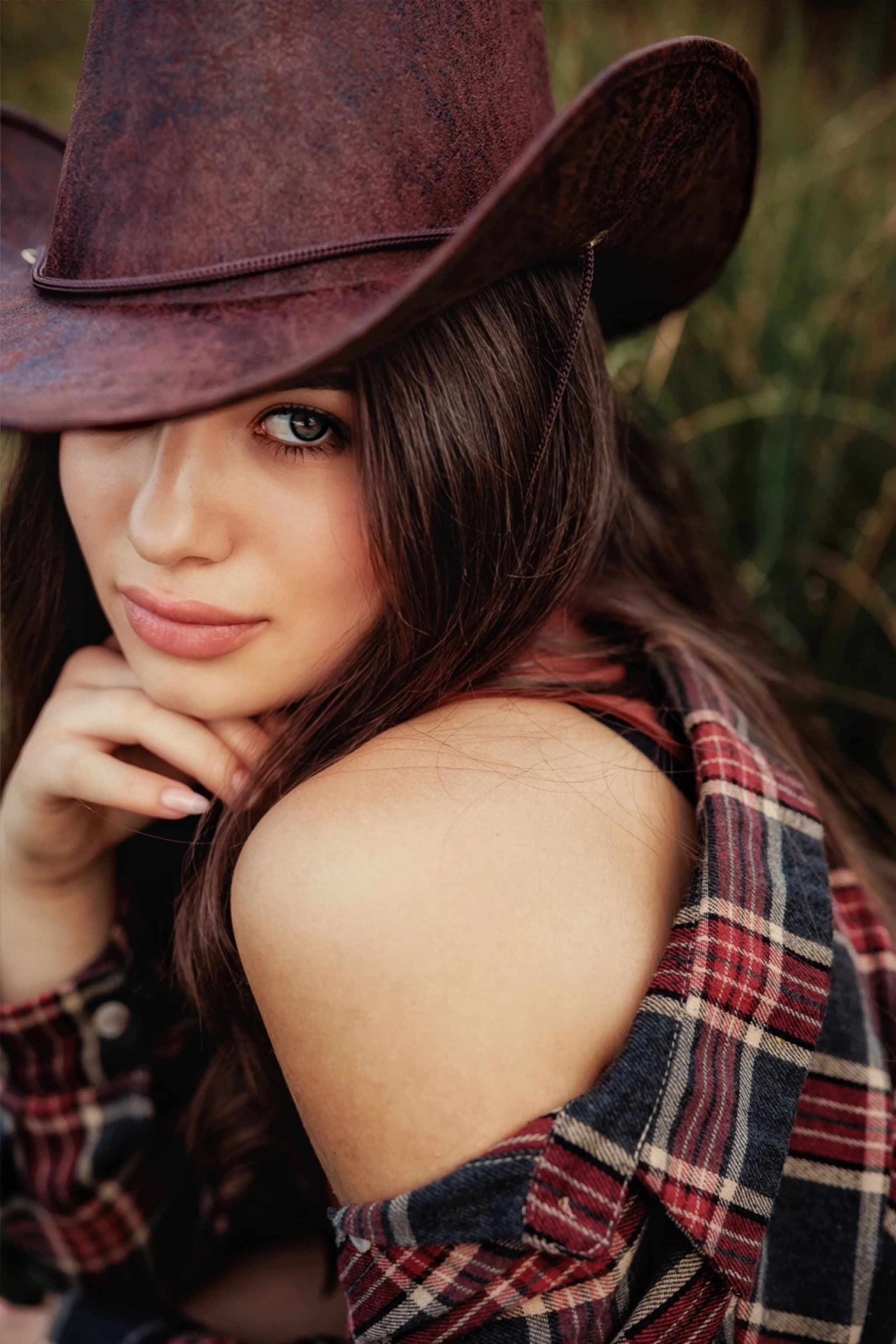
Personal branding photography: More than just a headshot
By Yana Skakun·1 June 2026·7 min read
In a world where your LinkedIn profile, Instagram feed, and website about page are often the first thing a potential client sees, the photographs you use to represent yourself carry enormous weight. Personal branding photography is not simply a smart headshot taken in a studio — it is a considered, strategically assembled library of images that communicates who you are, what you stand for, and why someone should choose to work with you before you have exchanged a single word.
What Personal Branding Photography Actually Means
The term gets used loosely, but at its core, personal branding photography is about authenticity at scale. It means creating a bank of images — typically fifty to a hundred or more from a single session — that you can draw on consistently across every platform and touchpoint for the months ahead. Rather than scrambling for a blurry selfie every time you need to update your website or write a guest article, you have a curated set of images that feel coherent, polished, and unmistakably you.
This extends well beyond the classic portrait against a plain background. A complete personal branding shoot might include you working at your desk, consulting with a client, sketching in a notebook, pouring coffee in a favourite Cambridge cafe, or laughing with a colleague — whatever scenes best represent the texture of your professional life. The aim is to give people a genuine sense of how you work and what it would be like to work with you.
In my experience working with professionals across Cambridgeshire, London, and beyond, the clients who benefit most are those who understand that their face and personality are central to what they are selling. Coaches, consultants, therapists, authors, creative directors, architects, and entrepreneurs all fall into this category — anyone whose clients are, in a very real sense, hiring a person rather than a faceless company.
Planning Your Session: The Strategy Comes First
The most common mistake I see is treating a personal branding session as purely a photographic exercise. In reality, the strategy and planning phase is at least as important as the shooting day itself. Before we pick up a camera, we need to understand exactly what you are trying to communicate, who your audience is, and which platforms and formats these images will serve.
I always begin with a detailed pre-session consultation, either in person over coffee in Cambridge or via video call. We talk through your brand colours, the tone you want to project (approachable and warm? authoritative and polished? energetic and creative?), the specific pages or posts where each image will live, and any practical requirements such as square crops for Instagram, wide landscape images for website hero banners, or portrait orientations for book covers and speaker bios.
Location scouting is part of this planning process. Cambridge offers extraordinary options: the gardens of King's College, the independent coffee shops along Mill Road, the light-filled co-working spaces in the city centre, or even a client's own studio or office. London shoots might use the industrial lofts of Shoreditch, the green spaces of Hampstead Heath, or a curated Clerkenwell workspace. The right environment should feel like a natural extension of your brand, not a borrowed backdrop that could belong to anyone.
Wardrobe, Styling, and the Details That Make the Difference
Clothing choices have a disproportionate impact on the final images, and it is worth investing serious thought here. The general rule is to dress one level above how you would typically show up for client work — not so formal that the images feel stiff, but smart enough that they signal professionalism. Solid colours and subtle textures tend to photograph better than busy patterns, and building a small capsule of two or three outfit options gives us genuine variety throughout the day without the images feeling disjointed.
Props and detail shots deserve equal attention. These are the images that bring texture and storytelling to your gallery: your hands holding a beautifully bound notebook, your favourite mug on a wooden desk, the tools of your trade arranged with care. A florist might feature fresh stems and ribbon; a copywriter, a tidy desk with a specific book spine visible; an architect, a set of drawings and a scale model. These details do a great deal of quiet narrative work and are often the images that clients respond to most warmly on social media.
A practical tip before your shoot
Prepare a shot list with your web designer or social media manager before the session day. Knowing in advance that you need a wide horizontal image for your homepage hero, three vertical portraits for an upcoming book proposal, and a dozen square lifestyle shots for Instagram scheduling means we can plan the shoot efficiently and you leave with exactly the assets you need. If you are unsure where to start, get in touch and I can help you build that brief from scratch.
What to Expect on the Day
Most personal branding sessions run for a half day (roughly four hours) or a full day (six to eight hours), depending on the number of looks, locations, and image types we have planned. I always allow more time than seems strictly necessary, because some of the best images come during the unscheduled moments — a spontaneous laugh between set-ups, a candid shot while you are reading through notes, the quality of light that arrives unexpectedly at a particular window.
Most professionals feel self-conscious in front of the camera at first, and that is completely normal. My role on the day is as much about creating a relaxed, conversational atmosphere as it is about technical execution. I will guide you through poses and expressions without it feeling like a modelling audition, and I keep the energy calm and unhurried throughout. By the end of the second hour, the vast majority of my clients have forgotten there is a camera in the room entirely — which is precisely when the strongest images tend to emerge.
Turnaround for a full personal branding gallery is typically two to three weeks. You will receive your images via a private online gallery where you can download files in multiple resolutions, share favourites with your team, and access your images for years to come. All images are colour-graded and professionally retouched to a standard appropriate for commercial and editorial use.
How Often Should You Update Your Personal Branding Images?
The honest answer is more often than most people do. A common trap is investing in a beautiful branding session and then stretching those images across three or four years until they no longer reflect how you look, how your business has evolved, or the aesthetic direction you have moved in. I generally recommend revisiting your branding photography annually, or whenever you undergo a significant business change — a rebrand, a new service offering, a move to a new city, or a shift in target audience.
Many of my clients in Cambridge and London choose to book a shorter refresh session rather than a full shoot each year. This might be a two-hour location session that adds thirty or forty new images to an existing library, keeping the content fresh without the full investment of a complete shoot. This kind of ongoing relationship also means I understand your brand deeply over time, and the images become increasingly strong because of that accumulated context.
Choosing the Right Photographer for Your Brand
Personal branding photography sits at the intersection of portrait, lifestyle, and commercial photography, and not every portrait photographer has the commercial sensibility to make it work well. When evaluating a photographer's portfolio, look beyond the beauty of individual images and ask whether the gallery as a whole tells a coherent story about the subject. Do the images feel genuine or staged? Does the light feel intentional and consistent? Would you trust the person in the photographs with your professional life?
It is equally worth asking practical questions about the photographer's process: Do they offer a pre-session strategy call? Do they have experience shooting in the kind of environments relevant to your brand? Can they provide images in the formats and resolutions your marketing requires? A photographer who understands the commercial purpose of the images — not just the aesthetic — will deliver a gallery that is genuinely useful rather than simply pretty.
My work in personal branding photography is rooted in the same principles that guide my wedding and portrait work: careful observation, unhurried attention, and a genuine interest in the person in front of the lens. The technical quality of an image matters enormously, but the quality that makes a personal branding photograph truly effective is something harder to manufacture — the feeling that you are seeing a real person, in a real moment, doing work that genuinely matters to them.
Whether you are launching a new business, refreshing a tired set of profile images, or building a content library for a year of consistent social media presence, a well-planned personal branding session is one of the highest-return investments you can make in how the world perceives your professional self. The right images do not just document who you are — they open doors.
Yana Skakun
Photographer · England
Professional wedding, family and portrait photographer based in England. Passionate about capturing authentic emotions and timeless moments.
About Yana →personal branding photographer UKbranding photography Englandbrand photography sessionpersonal brand photos UK
Headshot Tips — Professional Headshot Photography in Cambridge & England
Professional headshot sessions with Yana Skakun are clean, efficient, and designed to produce images that represent you authentically across every professional context — LinkedIn, company websites, speaker profiles, and press. Sessions available in Cambridge and across England. This guide — Personal branding photography: More than just a headshot — is part of the photography journal: practical, experience-based advice drawn from real sessions across England. Whether you arrived searching for personal branding photographer uk or branding photography england, the same care and attention shapes every session Yana photographs.
Professional Headshot Photography sessions are available year-round, with bookings open across Cambridge, Ely, Huntingdon, Peterborough, and further afield — East England, London, the Midlands, and beyond. If you have specific questions about brand photography session, mention it in your enquiry. Get in touch through the contact form above to check availability and discuss your session. Enquiries are welcomed from anywhere in the UK.
Frequently Asked Questions
What should I wear for a professional headshot?+
Solid colours photograph better than patterns. Navy, grey, charcoal, and burgundy are universally flattering. Avoid white (creates exposure issues), black (can look flat), and bright neons. Make sure your clothing fits well and is freshly pressed. Bring 2–3 outfit options to give yourself variety.
How do I prepare for a headshot session?+
Get a good night's sleep. Stay hydrated in the days before. If you're having hair and makeup done, schedule it for the morning of the shoot. Bring the clothes you plan to wear on a hanger. Arrive 10 minutes early to settle in before the camera comes out. Most importantly — don't stress. A good photographer will guide you.
How long does a professional headshot session take?+
A standard headshot session takes 30–60 minutes. This covers 2–3 outfits and multiple expressions and angles. Corporate team headshots at a single location can be scheduled at 15–20 minutes per person.
How often should you update your professional headshot?+
Every 2–3 years, or whenever your appearance changes significantly — new hairstyle, weight change, or notable ageing. Your headshot should look like you when you walk into a meeting, not like you five years ago. Outdated headshots undermine trust, particularly in client-facing roles.
What is the difference between a headshot and a business portrait?+
A headshot is a tight crop of the face and upper chest, focused entirely on professional presence and approachability. A business portrait typically includes more of the body and often incorporates environment or context — an office setting, equipment, or a workspace that communicates your profession.
Continue Reading
Related Articles

Headshot Tips
LinkedIn Headshots for Cambridge Graduates: Start Your Career With the Right First Impression
7 min read · Read Article
Headshot Tips
Professional Photography for Small Businesses: The Complete Guide
12 min read · Read Article
Headshot Tips
Corporate Team Photography: Professional Headshots for Your Entire Organisation
9 min read · Read Article
Get in Touch
Ready to Book Your Session?
Get in touch to discuss your vision — I'll reply within 24 hours.