Yana Skakun

Retirement Photo Session: Marking a New Chapter With Beautiful Portraits
By Yana Skakun·10 July 2026·8 min read
Retirement gets talked about constantly in financial terms — pensions, savings pots, the right age to stop working — and almost never in terms of how it actually feels to close that chapter. After thirty or forty years of a working identity, of a desk, a uniform, a badge, a team, a routine that has shaped daily life more than almost anything else, that identity ends on a specific date. A retirement photo session exists to mark that date properly: not with a card signed by colleagues and a bunch of flowers left in the office fridge, but with a set of portraits that say, clearly and permanently, this mattered, and here is who I was when it happened.
I photograph a handful of retirement sessions every year, usually booked by the retiree themselves, sometimes booked as a surprise gift by a partner or adult children. They are some of the most rewarding sessions I do, precisely because the people in front of the camera have spent decades being useful to other people and are, often for the first time in a long while, doing something purely for themselves.
Why This Milestone Deserves Its Own Photographs
Most of us have plenty of photographs from our working lives by accident — a snapshot at a leaving do, a grainy staff photo from a decade ago, a phone picture someone took at a conference. What almost nobody has is a set of considered, well-lit portraits taken specifically to mark the end of a career. That gap matters more than it sounds. A wedding gets photographed properly. A new baby gets photographed properly. A thirty-year career, arguably one of the largest single commitments of a person's adult life, usually gets nothing beyond a card and a cake.
A retirement session closes that gap. It gives you images that show you exactly as you were at this specific turning point — not younger, not older, not a professional headshot from years ago that no longer looks like you, but a true and current record of the person stepping away from work and into whatever comes next. Children and grandchildren, in particular, tend to treasure these images in a way that surprises the retiree themselves. A grandchild who only ever knew you as "at work all the time" gets to see you relaxed, proud, and unmistakably yourself.
There is also something quietly powerful about choosing to be photographed well at this age and stage. Portrait photography is culturally skewed towards young people and new parents, and older adults are frequently left out of that entirely, or worse, only photographed in ways that feel clinical or unflattering. A retirement session is an opportunity to be seen properly — with the same care, the same good light, and the same attention that goes into any other portrait session I do.
What Actually Happens During a Retirement Session
The sessions I photograph tend to run for around an hour to ninety minutes, which is enough time to work through a few different looks and locations without the day feeling like a marathon. I generally start with a relaxed conversation before the camera even comes out — what the career actually involved, what retirement means to this person, whether there is a hobby, a garden, a workshop, a boat, or a favourite corner of the house that says something true about who they are now. That conversation shapes the whole session far more than any technical planning does.
From there, the session usually moves through a mix of settings: some formal portraits with clean, simple backgrounds that would work well printed large or framed; some more relaxed, candid-feeling images doing something the person actually enjoys, whether that is reading in a favourite chair, working in the garden, walking a dog, or standing at the workbench where the next thirty years of hobbies are about to happen; and often a few images with a partner, children, or grandchildren if they are part of the celebration.
If the retirement is from a specific, recognisable career — a uniformed role, a trade, medicine, teaching, the forces — I sometimes photograph a set that includes the tools, uniform, or setting of that career alongside a set that is entirely about the person outside of it. Having both in the final gallery captures the transition itself rather than just one half of it. This is genuinely a form of milestone photography, and it sits alongside the kind of portrait and lifestyle work I do for families and individuals throughout the year, just with a very specific occasion behind it.
Choosing the Right Setting: Home, Garden, Studio, or Somewhere Meaningful
There is no single correct location for a retirement session, and the best choice depends entirely on what will feel true to the person being photographed. A garden that has been tended for twenty years and will finally get proper attention now the working week has opened up is a wonderful, honest setting. A home study or workshop, full of the tools and objects that represent a lifetime's interests, tells a story that a plain backdrop never could. For some people the most meaningful location is somewhere connected directly to the career itself — a final walk through a familiar building, a last shift photographed with genuine documentary honesty rather than posed formality.
Outdoor natural settings work particularly well for retirement portraits because the light is gentle and flattering and the surroundings can carry real meaning — a favourite park, a stretch of river, an allotment, a golf course, wherever the next chapter is actually going to happen. Cambridge and the surrounding countryside offer a huge range of options within a short drive, from open parkland to the Backs of the Colleges to quiet village lanes, and I am always happy to talk through what would suit a particular person and story before the session is booked.
For couples retiring around the same time, or celebrating alongside a partner who has already retired, a joint session in a place that means something to both of you — the garden you built together, the coastline you are planning to spend more time at, the house you are about to have all day, every day, in — tends to produce the images that get printed and framed rather than left on a phone.
Marking your own milestone
Whether you are approaching retirement yourself or want to arrange a session as a gift for a parent, colleague, or partner, I would love to talk through how a session could work. Sessions are available at your home, in a garden, at a location connected to your career, or somewhere in the Cambridgeshire countryside that feels right, and I travel across the UK for retirement sessions as well as working locally.
Get in touchPreparing for the Day: Clothing, Timing, and Feeling at Ease
Preparation for a retirement session is much simpler than people expect. Clothing should feel like you rather than like an occasion outfit — something you would genuinely wear on a good day, whether that is a smart shirt and jumper, a favourite dress, or the exact jacket you wear when you are working in the garden. I generally suggest bringing two or three outfit options so we can move between a slightly more polished look and a fully relaxed one across the session, but nobody needs to buy anything new for this.
Timing matters more than clothing, in practice. Late morning or mid-afternoon light tends to be the most flattering and the most comfortable to work in for longer stretches, and scheduling the session on a day without other commitments either side means nobody is watching the clock. If mobility, stamina, or standing for long periods is a consideration, I build in seated portrait options and shorter standing segments so the whole session stays comfortable rather than tiring — this is something worth mentioning when we first speak so I can plan the day around it properly.
The single most useful piece of preparation is simply arriving without pressure to perform. I am not looking for a fixed smile held for the camera; I am looking for the version of you that exists between the posed moments — the quiet satisfaction of having got here, the humour, the relief, whatever is genuinely present on the day. Nearly everyone who tells me beforehand that they hate having their photograph taken ends up with images they love, because the session is built around conversation and genuine moments rather than stiff posing.
What to Do With the Photographs Afterwards
Retirement portraits earn their place properly framed and displayed, not left in a digital folder. A well-printed image on the wall of a home study, hallway, or new hobby space becomes a genuine daily reminder of the milestone rather than something rediscovered by accident years later. Many clients choose a small album that brings together the formal and relaxed images from the session as something to keep on a coffee table or give as a gift to children who could not be present on the day itself.
If the retirement session doubles as a farewell gift from colleagues, a set of prints or a simple photo book handed over at a leaving event tends to mean far more than the usual card and voucher, particularly because it is something that lasts. I always deliver a full online gallery with print and framing options built in, so this kind of gift-giving is straightforward to arrange even if colleagues are organising it as a surprise.
For anyone thinking about the cost of a session like this, retirement portraits are generally priced in line with a standard portrait or family session rather than as a specialist product — full details are on the pricing page, and I am always happy to talk through what a session involving multiple locations, outfit changes, or family members would involve before you commit to anything.
A Few Common Questions
How far in advance should I book? A few weeks' notice is usually plenty, though popular light and weekend slots in spring and summer do fill up, so booking as soon as a retirement date is confirmed gives the most flexibility over timing and location.
Can family join for part of the session? Absolutely, and it is one of the most common requests. A session often starts with individual or couple portraits and finishes with grandchildren or the wider family joining for a set of group images, giving you both the solo record of the milestone and the celebration around it.
What if the retiree does not enjoy being photographed? This is genuinely the most common starting point for these sessions, and it is rarely a problem by the end. Working through conversation, movement, and genuine activity rather than static posing puts most people at ease within the first ten minutes, and the resulting images tend to look far more natural than anyone expected.
Do you travel outside Cambridge for this? Yes. While I am based in Cambridge and photograph a great many family and portrait sessions across the county, retirement sessions are exactly the kind of occasion I am glad to travel for, wherever in the UK feels right for you.
A career is a large, slow, and often under-celebrated achievement, and the moment it ends deserves more than a card in the office fridge. A retirement photo session is a way of marking that specific point with images that will still mean something in twenty years — to you, and to the people who love you. If you are approaching retirement, or want to arrange a session for someone who is, I would be glad to talk it through. Yana Skakun Photography is based in Cambridge and available for sessions across the UK; get in touch to start planning yours.
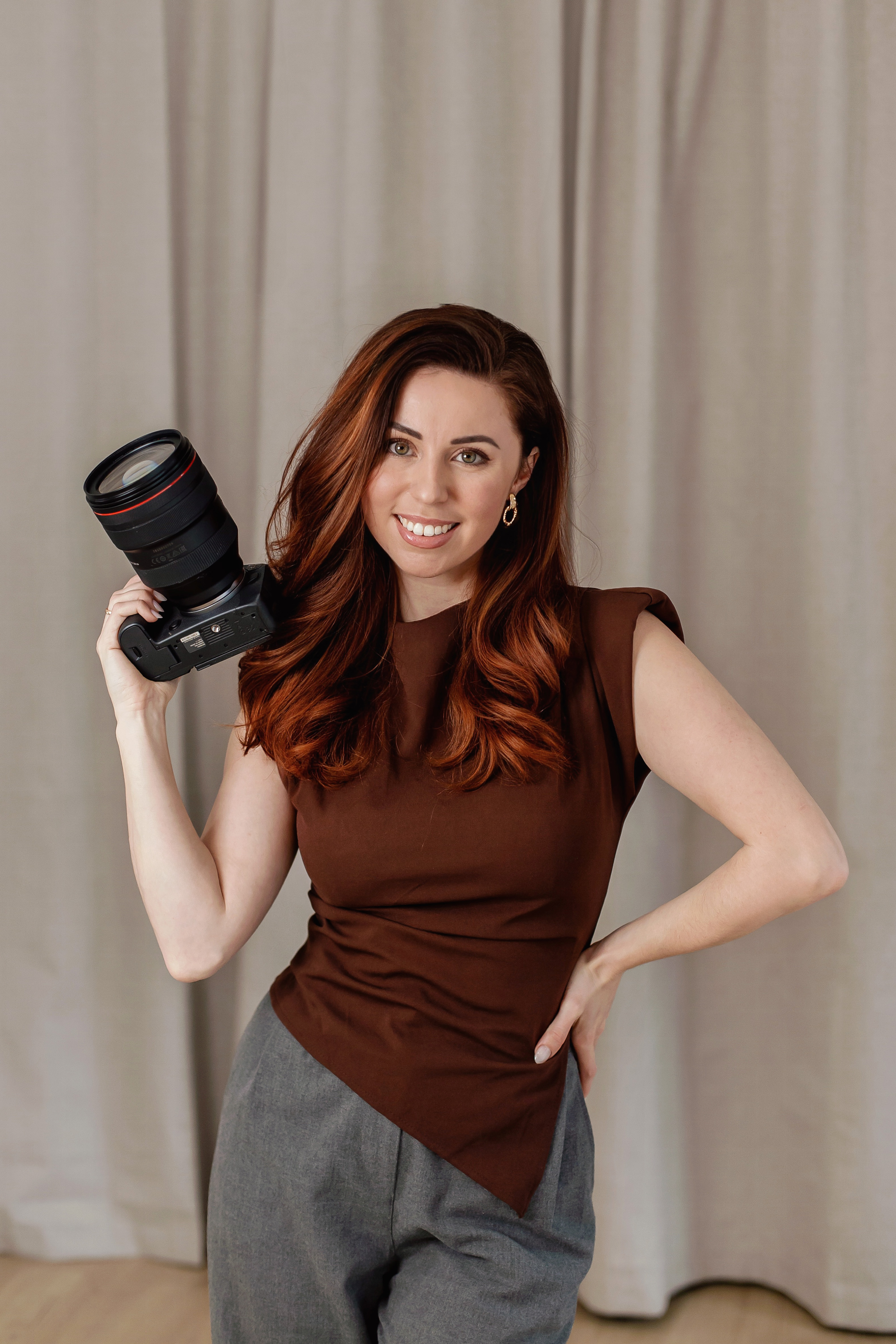
Yana Skakun
Photographer · England
Professional wedding, family and portrait photographer based in England. Passionate about capturing authentic emotions and timeless moments.
About Yana →retirement photography sessionretirement portrait photographermilestone photography Cambridgecelebrate retirement photossenior portrait sessionfamily photographer Cambridge
Family Tips — Family Photography in Cambridge & England
Yana Skakun offers natural, relaxed family photography sessions across Cambridge, Cambridgeshire, and the wider East of England. Sessions take place outdoors — in parks, woodland, and countryside — or at your family home, wherever everyone feels most at ease. This guide — Retirement Photo Session: Marking a New Chapter With Beautiful Portraits — is part of the photography journal: practical, experience-based advice drawn from real sessions across England. Whether you arrived searching for retirement photography session or retirement portrait photographer, the same care and attention shapes every session Yana photographs.
Family Photography sessions are available year-round, with bookings open across Cambridge, Ely, Huntingdon, Peterborough, and further afield — East England, London, the Midlands, and beyond. If you have specific questions about milestone photography cambridge, mention it in your enquiry. Get in touch through the contact form above to check availability and discuss your session. Enquiries are welcomed from anywhere in the UK.
Frequently Asked Questions
How do you prepare children for a family photoshoot?+
Keep it low-key beforehand — don't over-explain or build it up too much. Make sure children are fed and rested. Bring a snack and a favourite toy or comfort item. Let them warm up at their own pace rather than forcing poses from the start. The best family photos happen when children forget there's a camera.
What should a family wear for photos?+
Choose a colour palette — 2–3 complementary tones — rather than identical outfits. Earthy neutrals, blues and greens, or cream and blush all work beautifully outdoors. Avoid large logos, neon colours, and very small patterns that create visual noise. Dress for the location and season, and make sure everyone is comfortable.
When is the best time for an outdoor family photoshoot?+
The golden hour — the first hour after sunrise or the last hour before sunset — gives the softest, warmest light. Overcast days are also excellent: the cloud acts as a natural diffuser, eliminating harsh shadows. Midday summer sun is the most challenging light to shoot in.
How long does a family photography session take?+
Most family sessions last 45–75 minutes. Mini sessions (30–40 minutes) work well for smaller families and toddlers who have shorter attention spans. Larger extended family groups may need 90 minutes to cover everyone comfortably.
How many photos will I get from a family photoshoot?+
A standard 60-minute family session typically produces 30–60 edited images delivered in a private online gallery. Mini sessions deliver 15–25 images. All images are colour-corrected, naturally edited, and ready for printing.
Continue Reading
Related Articles

Family Tips
Blended Family Photography: A Sensitive Guide to Step-Families, Co-Parenting & Group Portraits
11 min read · Read Article
Family Tips
Baby Milestone Photography: Capturing Every Stage of the First Year
10 min read · Read Article
Family Tips
Maternity Photography in England: When to Book, What to Wear & Where to Shoot
11 min read · Read Article
Get in Touch
Ready to Book Your Session?
Get in touch to discuss your vision — I'll reply within 24 hours.