Yana Skakun

Therapist and Coach Headshots: Warm, Inviting Portraits That Build Trust
By Yana Skakun·10 July 2026·8 min read
Therapists, counsellors, coaches, and other practitioners in the helping professions face a particular headshot challenge that most other industries do not have to think about. A corporate headshot needs to say competent and trustworthy. A therapist or coach headshot needs to say all of that and something more specific: this is a person I could sit across from and be honest with. That is a much harder thing to convey in a single still image, and it is why the standard formula for professional headshots — grey backdrop, arms crossed, confident stare into the lens — so often falls flat for practitioners whose whole professional value rests on approachability, warmth, and emotional safety.
I photograph therapists and coaches regularly alongside my work in wedding photography, and the brief is almost always some version of the same request: something warm, something that does not look like a corporate stock photo, something that feels like me on a good day. Getting there is less about a single trick and more about a set of deliberate choices around expression, light, setting, and pace that together produce an image a prospective client can look at and feel, even before reading a word of the bio underneath it, that this is someone safe to talk to.
Why Warmth Matters More Than Polish in This Field
Most people looking for a therapist or a coach are doing so at a vulnerable moment. They are scrolling through directory listings or a practice website late at night, tired, possibly anxious about the idea of opening up to a stranger, trying to work out from a small square photograph and a paragraph of text whether this particular person feels like the right fit. Research in psychology on thin-slice judgement consistently shows that people form strong impressions of trustworthiness and warmth from a face within a fraction of a second, well before any conscious reasoning kicks in. For a therapist or coach, that fraction of a second is doing a huge amount of the persuasive work that the rest of the website is trying to do with words.
A headshot that reads as polished but cold — hard studio lighting, a flat grey seamless background, a slightly forced professional smile — can inadvertently signal distance rather than competence. It is the same image that works well for a solicitor or a management consultant, professions where authority and formality are the desired signal. For a therapist, the desired signal is closer to the opposite: still competent, still credible, but approachable enough that a stressed, uncertain person feels a small flicker of relief rather than a small flicker of intimidation. That difference in intent changes almost every technical decision in the session.
What to Expect During a Therapist or Coach Headshot Session
A session built around warmth takes longer than a conventional corporate headshot shoot, and that is by design. Where a standard headshot session might run for twenty or thirty minutes with two or three outfit changes and a fixed setup, I usually build in closer to an hour for therapists and coaches, with time built in specifically for settling in before the camera comes out properly. Most people, understandably, look slightly guarded in the first five minutes of any photo session. The goal is to get past that guardedness rather than photograph through it, and that takes a bit of unhurried conversation first.
I typically start with a genuine conversation about the work — what kind of clients you see, what a session with you actually feels like, what you want a prospective client to understand about you before they ever speak to you. This is not small talk for its own sake. It gives me something real to ask about mid-session that produces a genuine, relaxed expression rather than a held smile, and it gives me a sense of your natural manner so the images end up looking like you rather than like a generic warm-and-friendly template applied to your face.
Through the session I am shooting a range of expressions rather than aiming for one perfect frame: a soft, closed-mouth expression that reads as calm and grounded; a genuine laugh or half-smile that shows warmth without performance; a more direct, steady look that works for bios or listings where a slightly more grounded, authoritative image is needed alongside the warmer ones. Different platforms and different moments in your marketing benefit from different registers, and having a small set to choose from rather than a single image gives you flexibility later.
Light That Flatters Rather Than Interrogates
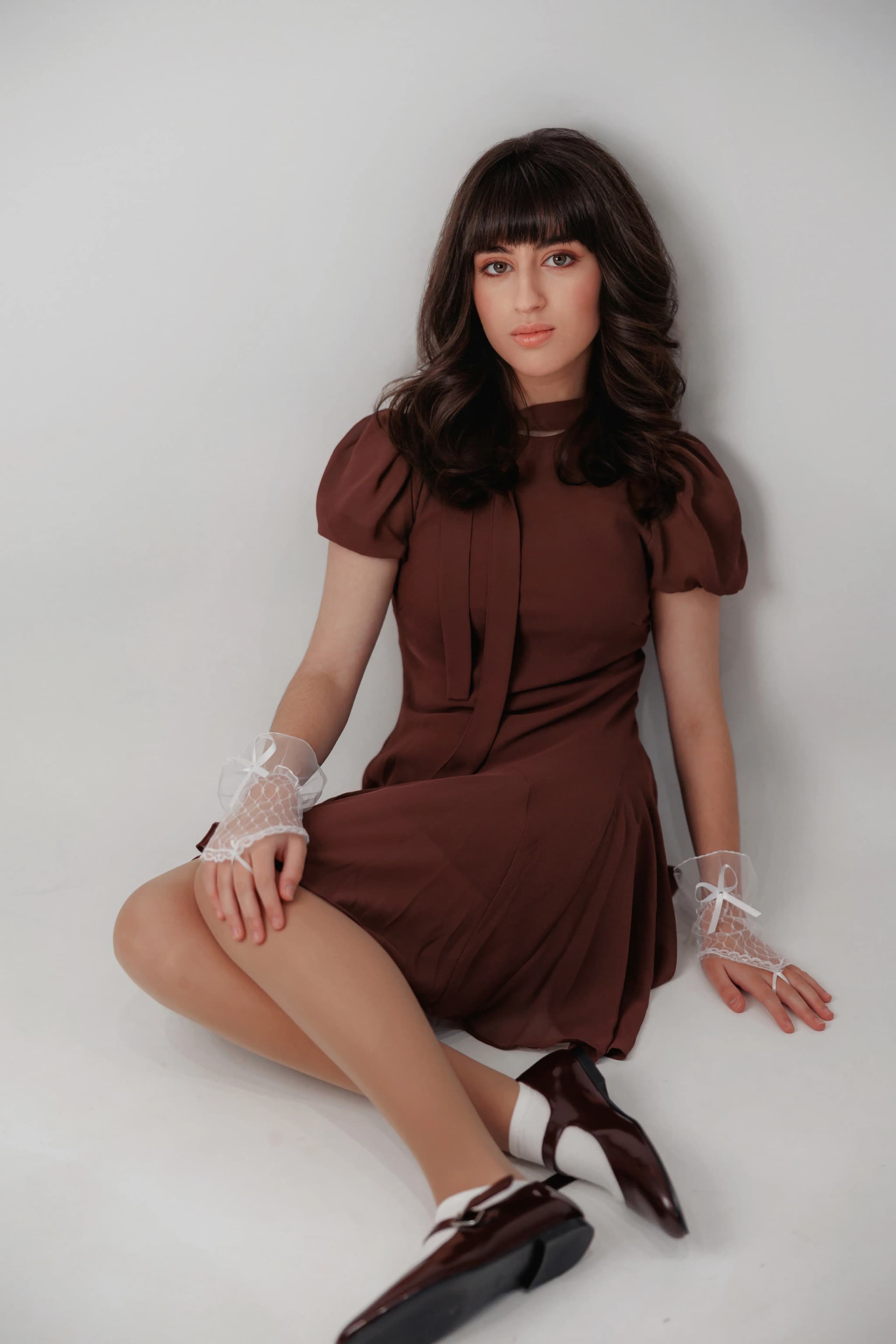
Hard, direct studio lighting with a single strong key light and a stark background is a look that suits fashion and high-drama corporate portraiture, but it is rarely the right choice for a therapist headshot. The shadows it produces can read as severe, and the effect, even when technically well executed, can feel closer to an interrogation than an invitation. For this kind of work I favour soft, diffused light — large light sources close to the subject, or genuine natural window light where the session allows for it — which wraps around the face gently and reduces harsh contrast without flattening the image into something lifeless.
Natural light sessions, whether in a practitioner's own consulting room or in a softly lit indoor space, often produce the warmest results for this particular brief. Window light falling across the face at a gentle angle has a quality that is very hard to replicate with flash, and it tends to put people at ease in a way that a full studio lighting rig, with its stands and modifiers and the sense of being under observation, sometimes does not. Where studio light is the more practical option — because of weather, timing, or space — I keep the setup as unobtrusive as possible and use large, soft modifiers rather than small hard ones, precisely to avoid that clinical edge.
Colour temperature matters here too. Slightly warm white balance, rather than a neutral or cool rendering, reinforces the emotional tone that most therapists and coaches are aiming for. It is a subtle adjustment, but the cumulative effect across skin tone, background, and overall mood of the image is noticeable, and it is one of the reasons a session built specifically around this brief tends to look different from a generic corporate headshot package.
Choosing a Setting: Consulting Room, Outdoors, or Studio
There is no single correct setting for a therapist or coach headshot, and the right choice depends on what you want the image to communicate alongside your face. A session in your own consulting room, with soft furnishings, a bookshelf, or a comfortable chair visible in soft focus behind you, can do genuine work in reassuring a prospective client about the physical space they would be walking into. It answers an unspoken question — what does this room actually feel like — that a plain background cannot.
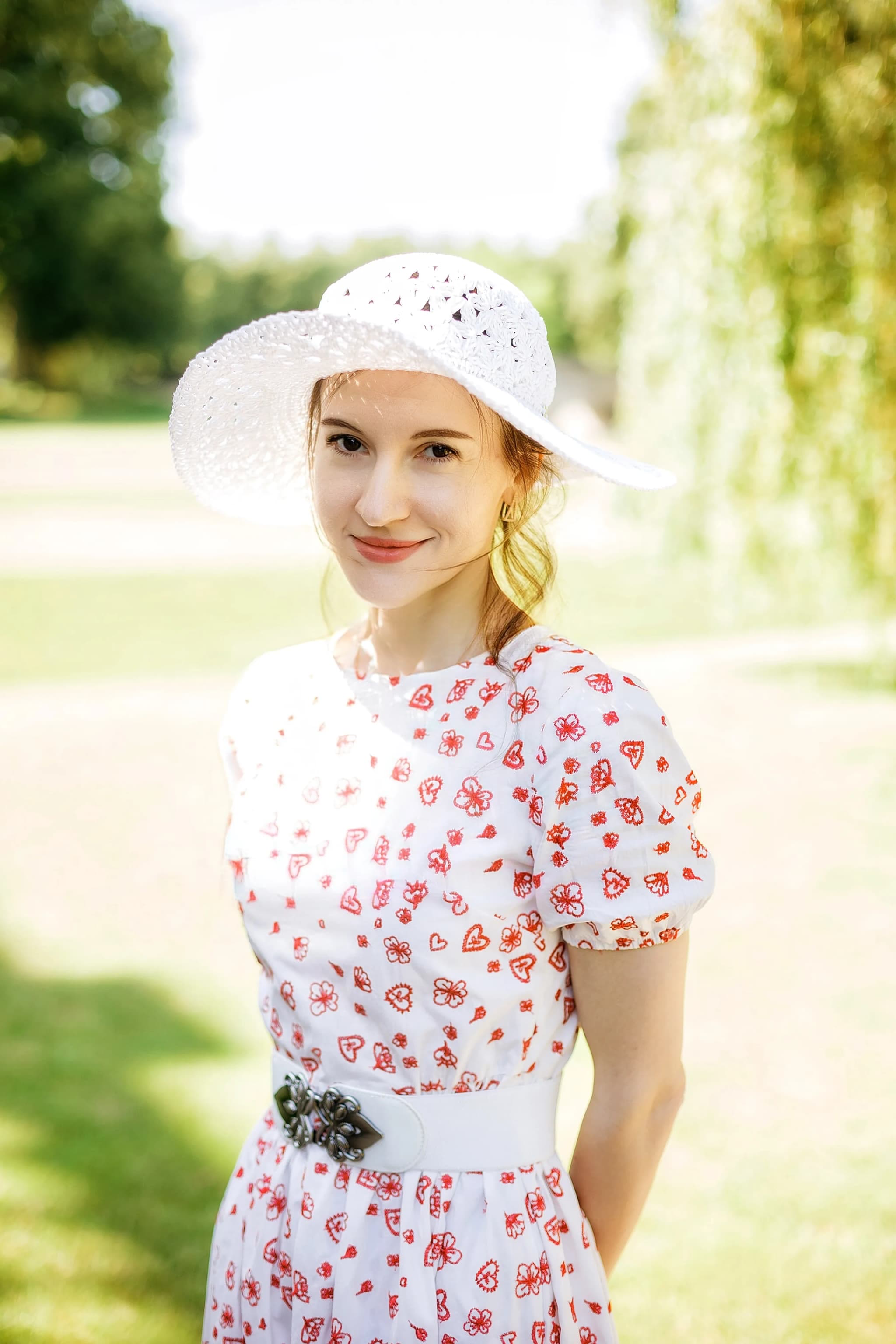
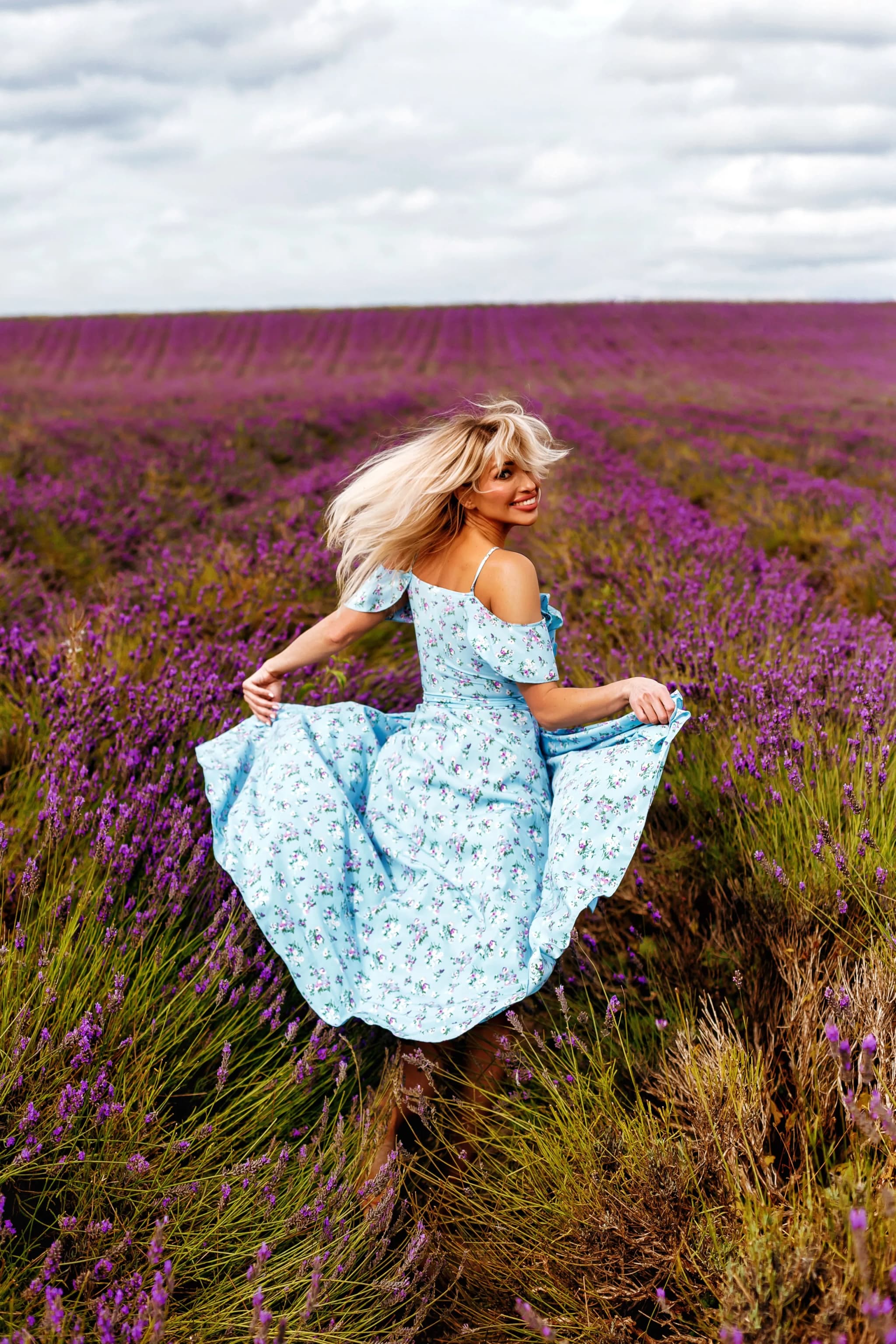
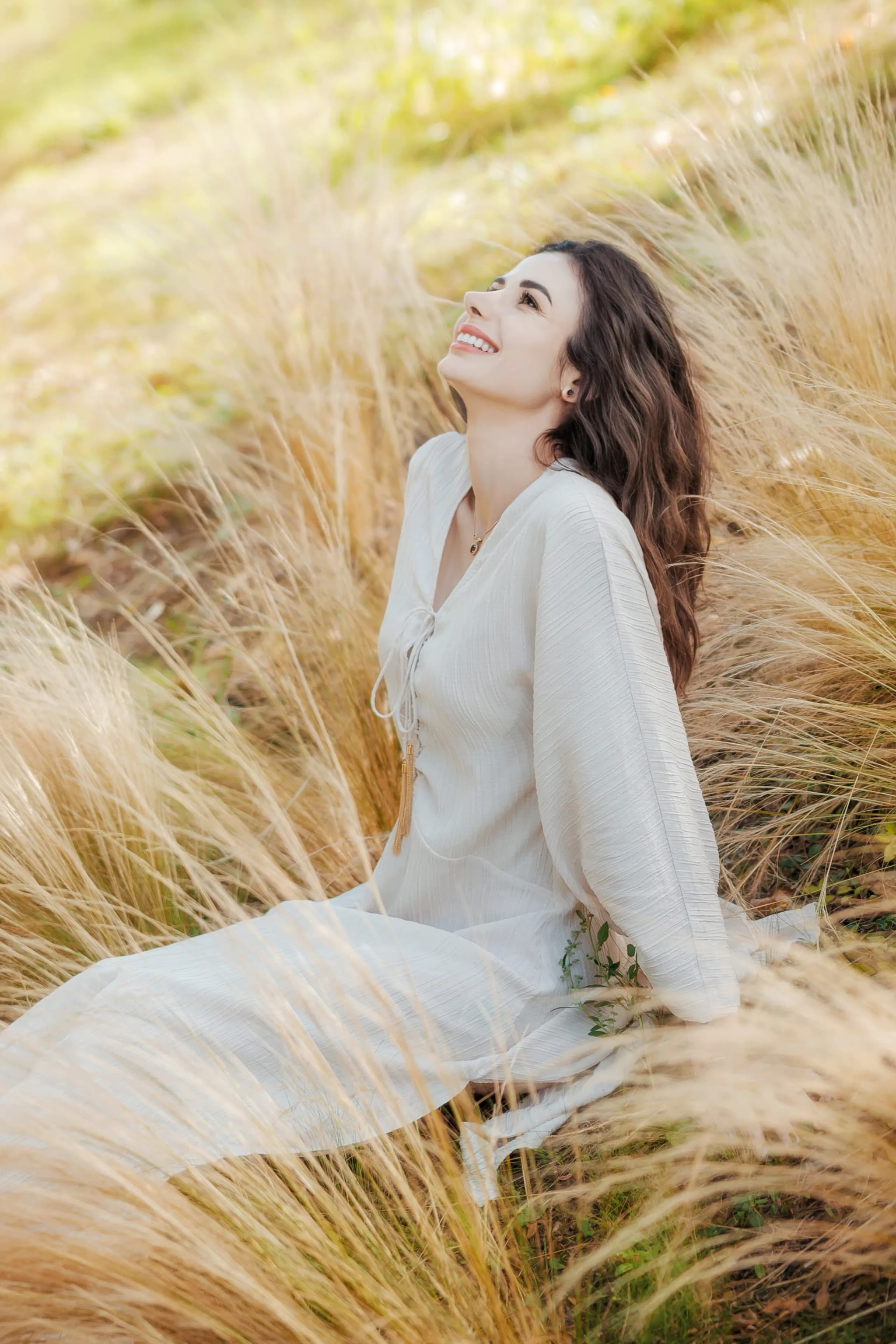
Outdoor settings, particularly in soft natural light under trees or against a simple, uncluttered backdrop, tend to produce the most relaxed, unguarded expressions, because most people are simply more at ease outside than inside a formal setup. For coaches whose work leans towards energy, movement, and forward momentum — life coaches, executive coaches, wellbeing coaches — an outdoor setting can also reinforce that sense of vitality in a way an indoor portrait cannot.
A simple studio or neutral indoor backdrop remains a solid, versatile choice, particularly if you need images that will sit consistently alongside colleagues' headshots on a shared practice website or directory listing. The key, whichever setting is chosen, is to keep the background soft and secondary rather than busy or distracting — the point of the image is still your face and your expression, and everything else should support that rather than compete with it.
Planning a headshot session
If you are a therapist, counsellor, coach, or other practitioner looking for headshots that feel warm and genuinely like you rather than corporate and generic, I would be glad to talk through what you need. Sessions can take place in your consulting room, outdoors, or in a simple studio setup, and I am based in Cambridge but travel UK-wide for this kind of work.
Get in touchPreparing for Your Session: Clothing, Colour, and Mindset
Clothing choices for this kind of headshot lean towards soft, warm, and uncomplicated. Solid colours generally photograph better than busy patterns, which can pull attention away from the face and date an image quickly. Soft neutrals, warm tones such as terracotta, rust, or muted teal, and gentle textures such as knitwear all tend to work well, reinforcing the approachable, human quality the images are aiming for. Stark black and stark white can both read as slightly harder and more formal than the brief usually calls for, though a soft, well-fitted version of either can still work depending on your existing brand.
The single most useful piece of preparation, though, is not sartorial. It is mental. Arrive having spent five minutes beforehand thinking about a client you genuinely enjoyed working with, or a moment in your practice that made you feel good at what you do. That specific memory, held loosely in mind during the session, produces a far more authentic expression than trying to consciously perform warmth on demand. I will often ask a direct question along these lines partway through a session precisely because the resulting expression is almost always the best frame of the day.
It also helps enormously to have thought in advance about where the images will actually be used — your own website, a directory such as Psychology Today or the BACP register, LinkedIn, a printed brochure — because different platforms sometimes call for different crops or a slightly different mix of formal and informal images. Flagging this before the session means I can shoot with those end uses in mind rather than working it out afterwards from a fixed set of frames.
Common Questions I Hear from Practitioners
Do I need to smile in every image? No. A slight, closed-mouth expression often reads as calmer and more grounded than a full smile, and having a small range of expressions — some warmer, some steadier — gives you more to work with across different uses. A directory listing might benefit from a softer, more approachable image, while a speaker bio for a conference might call for something a touch more composed.
Should the background show my consulting room? It can, and it often adds something genuinely useful, but it is not essential. What matters more than the specific setting is that the background stays soft and unobtrusive so it supports rather than distracts from your face.
How many images will I actually get? Enough genuine variety to choose from without being overwhelmed — typically a curated set that includes a few different expressions, a couple of different angles, and in most cases at least one alternative setting or crop, so you are not stuck trying to make a single image work for every context.
I feel awkward in front of a camera — is that a problem? It is genuinely one of the most common things practitioners say before a session, and it is rarely a problem in practice. Most of the awkwardness dissolves once the conversation starts flowing and the camera stops feeling like the focus of the moment. My approach to these sessions is built around that reality rather than around the assumption that everyone arrives naturally comfortable being photographed.
A good headshot for a therapist or coach is not really about photography technique in isolation — it is about creating enough genuine ease during the session that what comes through in the final images is something true, rather than a performance of warmth that a viewer can sense is not quite real. That is the standard I hold this kind of work to, whether the session takes place in a Cambridge consulting room or further afield. If you would like to talk through what a headshot session for your practice might look like, you can read more about my approach on the about page, see general session investment on the pricing page, or simply get in touch directly. I am Yana Skakun, based in Cambridge and available for portrait and headshot work across the UK.
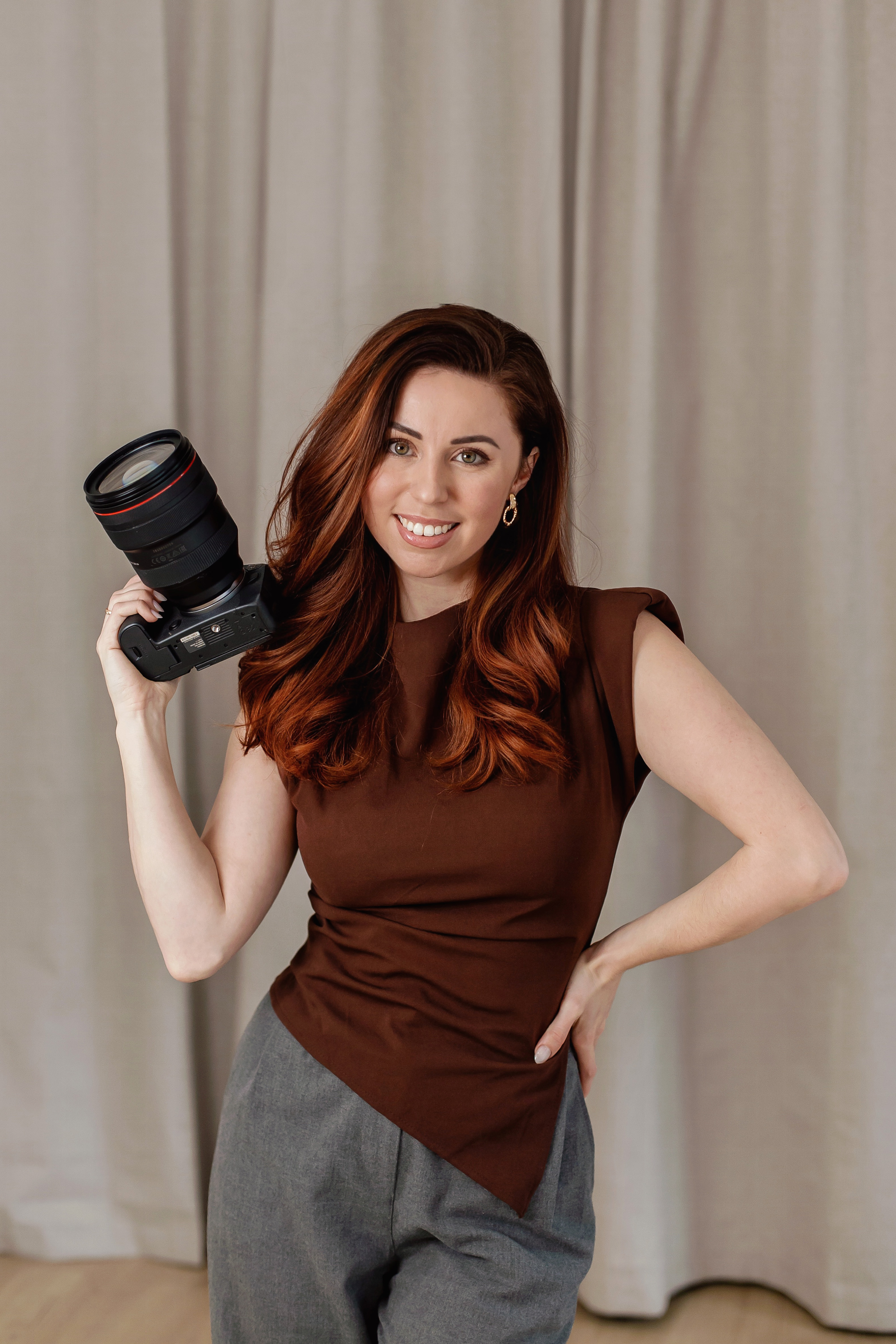
Yana Skakun
Photographer · England
Professional wedding, family and portrait photographer based in England. Passionate about capturing authentic emotions and timeless moments.
About Yana →therapist headshotscoach headshotswarm professional portraitsapproachable headshot photographycounsellor headshot UKCambridge headshot photographer
Headshot Tips — Professional Headshot Photography in Cambridge & England
Professional headshot sessions with Yana Skakun are clean, efficient, and designed to produce images that represent you authentically across every professional context — LinkedIn, company websites, speaker profiles, and press. Sessions available in Cambridge and across England. This guide — Therapist and Coach Headshots: Warm, Inviting Portraits That Build Trust — is part of the photography journal: practical, experience-based advice drawn from real sessions across England. Whether you arrived searching for therapist headshots or coach headshots, the same care and attention shapes every session Yana photographs.
Professional Headshot Photography sessions are available year-round, with bookings open across Cambridge, Ely, Huntingdon, Peterborough, and further afield — East England, London, the Midlands, and beyond. If you have specific questions about warm professional portraits, mention it in your enquiry. Get in touch through the contact form above to check availability and discuss your session. Enquiries are welcomed from anywhere in the UK.
Frequently Asked Questions
What should I wear for a professional headshot?+
Solid colours photograph better than patterns. Navy, grey, charcoal, and burgundy are universally flattering. Avoid white (creates exposure issues), black (can look flat), and bright neons. Make sure your clothing fits well and is freshly pressed. Bring 2–3 outfit options to give yourself variety.
How do I prepare for a headshot session?+
Get a good night's sleep. Stay hydrated in the days before. If you're having hair and makeup done, schedule it for the morning of the shoot. Bring the clothes you plan to wear on a hanger. Arrive 10 minutes early to settle in before the camera comes out. Most importantly — don't stress. A good photographer will guide you.
How long does a professional headshot session take?+
A standard headshot session takes 30–60 minutes. This covers 2–3 outfits and multiple expressions and angles. Corporate team headshots at a single location can be scheduled at 15–20 minutes per person.
How often should you update your professional headshot?+
Every 2–3 years, or whenever your appearance changes significantly — new hairstyle, weight change, or notable ageing. Your headshot should look like you when you walk into a meeting, not like you five years ago. Outdated headshots undermine trust, particularly in client-facing roles.
What is the difference between a headshot and a business portrait?+
A headshot is a tight crop of the face and upper chest, focused entirely on professional presence and approachability. A business portrait typically includes more of the body and often incorporates environment or context — an office setting, equipment, or a workspace that communicates your profession.
Continue Reading
Related Articles

Headshot Tips
LinkedIn Headshots for Cambridge Graduates: Start Your Career With the Right First Impression
7 min read · Read Article
Headshot Tips
Professional Photography for Small Businesses: The Complete Guide
12 min read · Read Article
Headshot Tips
Corporate Team Photography: Professional Headshots for Your Entire Organisation
9 min read · Read Article
Get in Touch
Ready to Book Your Session?
Get in touch to discuss your vision — I'll reply within 24 hours.