Yana Skakun

Unique and Alternative Wedding Venues Near Cambridge
By Yana Skakun·10 July 2026·9 min read
Not every couple wants a marquee on a manicured lawn or a grand staircase for the entrance. A growing number of the weddings I photograph around Cambridge are being planned by couples who want their venue to say something specific about them — a shared love of real ale, a background in science or engineering, a family connection to the land, or simply a dislike of anything that feels like a wedding-industry template. Cambridgeshire and the counties around it happen to have an unusually rich supply of alternative venues, from converted industrial buildings to working farms to spaces attached to the university itself. This guide runs through the categories worth exploring if a traditional country house or hotel ballroom is not what you are after, along with the practical considerations that come with choosing somewhere less conventional.
Barns and Working Farms
The barn wedding has been popular in the UK for long enough that it is arguably no longer alternative in itself, but the range of barns available around Cambridgeshire, Suffolk, and Hertfordshire is wide enough that there is still huge scope for a wedding that feels distinct from every other barn wedding a guest might have attended. The best of these venues keep genuine agricultural character — exposed timber trusses, brick or flint walls, original doors that still roll open onto a working farmyard or a view across open fields — rather than dressing a generic events space to look rustic.
What makes a barn venue work well photographically is usually the light. Converted barns with large original doorways or added glazing along one side let in a huge amount of natural light in the afternoon, which gives a soft, editorial quality to portraits and speeches alike without needing much additional lighting. The surrounding farmland also tends to offer far more variety for couple portraits than a single manicured garden — hedgerows, gateways, tractor tracks, and open horizon all read very differently to a formal lawn.
Museums, Colleges, and University Spaces
Cambridge is unusual in having a genuine wealth of characterful indoor spaces that double as wedding venues, many of them tied to the university and its colleges. A handful of the Cambridge colleges license their halls, chapels, and gardens for weddings, and I have photographed ceremonies and receptions in several of them — each with a completely different character depending on the architecture, the courtyard layout, and the college's own traditions. If a specific college has personal meaning to you, whether through study, family history, or simply a long-held fondness for the building, it is always worth enquiring directly, since availability and rules vary enormously from college to college. My pages on photography at King's College, Trinity College, and St John's College go into more detail on what each setting offers.
Beyond the colleges, several of Cambridge's museums and academic buildings host private hire for weddings and receptions, offering a genuinely unusual backdrop of specimen cases, historic collections, or striking modern architecture. These spaces tend to come with restrictions around confetti, candles, and sometimes catering, so it is worth having those conversations early, but for couples with a connection to the sciences, to the university, or simply an appreciation for beautiful old buildings that are not conventional wedding venues, they are well worth investigating.
Industrial and Warehouse Spaces
Converted industrial buildings — former maltings, mills, print works, and warehouses — have become a genuine alternative category of their own over the last decade, and East Anglia has a good supply of them thanks to its brewing and milling history. These venues typically offer huge, flexible floor space, exposed brick or steel, and a blank-canvas feel that suits couples who want to build their own atmosphere through lighting, florals, and styling rather than relying on the building's existing decor.
Photographically, industrial venues reward bold, graphic compositions: long sightlines down a warehouse floor, repeating structural columns, large factory-style windows that flood the space with directional light later in the afternoon. Evening receptions in these spaces also tend to photograph beautifully once the string lighting or festoon lighting typically used in them comes on, giving a warmth that contrasts nicely with the exposed materials.
Botanical Gardens, Orchards, and Walled Gardens
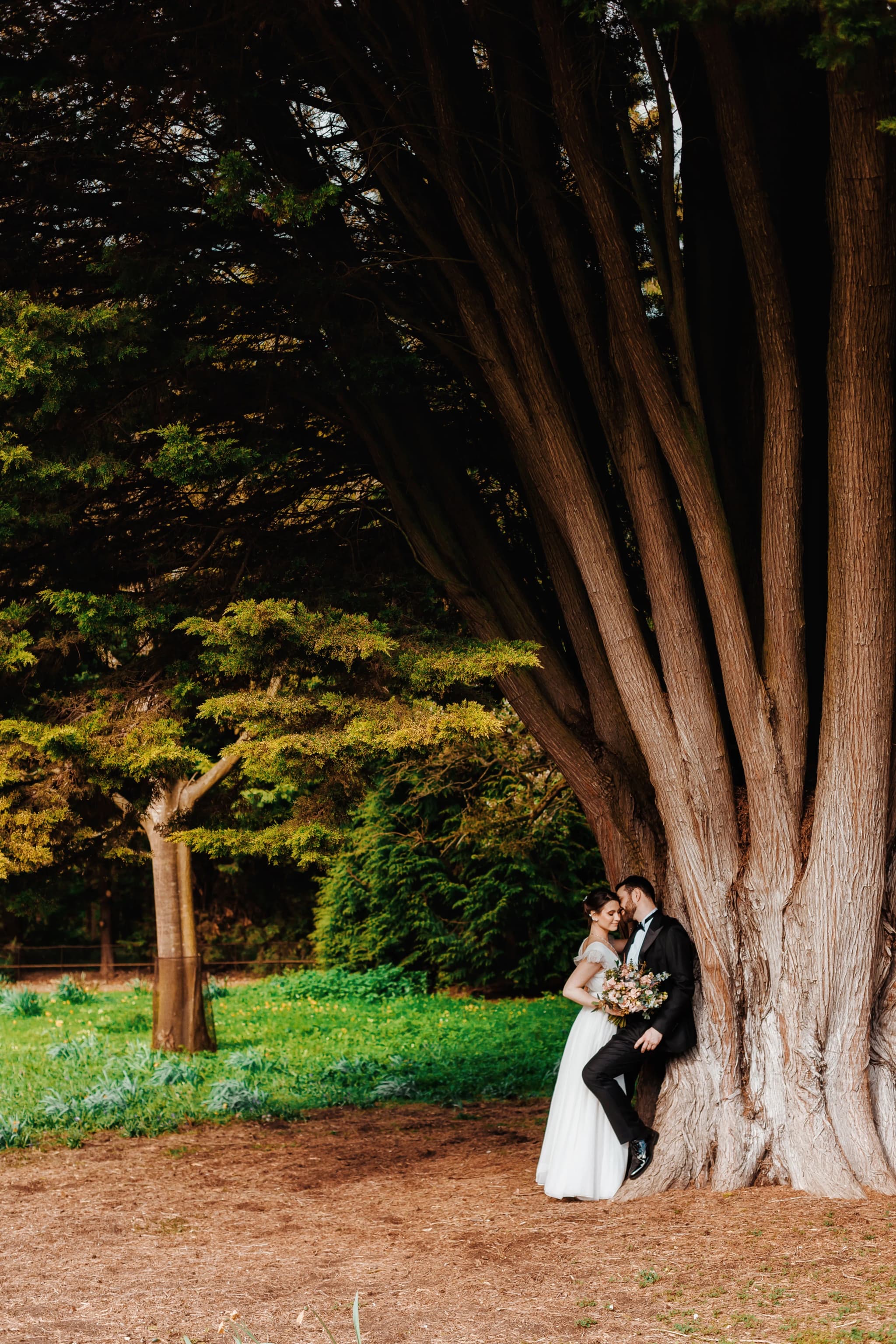
For couples who want greenery and natural beauty without the formality of a stately home, botanical gardens, historic orchards, and walled kitchen gardens offer something genuinely different from the usual country-house lawn. Cambridge's own University Botanic Garden is one of the most photographically rich locations in the city, with mature specimen trees, a working glasshouse range, and seasonal planting that means the garden looks meaningfully different depending on the month of the wedding.
Walled gardens attached to old estates — often originally built to grow produce for the main house rather than for display — have a particular intimacy that larger formal gardens lack. The enclosing walls create shelter from wind, a naturally contained space for a ceremony, and a soft, even quality of light in the late afternoon that is genuinely lovely for portraits. Orchard weddings, meanwhile, bring their own seasonal drama: blossom in spring, dappled shade in summer, and fruit-laden branches in early autumn, each giving the same venue an entirely different feel depending on when you marry.
Not sure which direction to take?
I have photographed weddings across a huge range of venue types, from Cambridge college chapels to working barns and industrial conversions, and I am always happy to talk through how a particular space is likely to photograph before you commit to booking it. If you have a shortlist of unusual venues and want an honest opinion on the light, the layout, and the practical realities of shooting there, get in touch and I will share what I know.
Get in touchBreweries, Vineyards, and Working Businesses
A newer but fast-growing category of alternative venue is the working business that opens its doors for weddings — breweries, vineyards, cider mills, and even the occasional distillery. East Anglia's vineyard scene has expanded considerably in the last fifteen years, and several now offer their barrel rooms, vine-lined terraces, or purpose-built event barns for weddings, often with the option to serve their own produce at the reception. These venues suit couples who want the day to feel personal and connected to something real, rather than generic, and who like the idea of guests being able to see and taste exactly where the wine or beer in their glass came from.
The practical trade-off with working businesses is that the venue is genuinely still operating for the rest of the year, which usually means very clear rules around timings, noise, and access, and sometimes a more limited choice of dates than a dedicated wedding venue would offer. It is worth asking early about exclusivity — whether the whole site is yours for the day or whether the business continues to operate around you — since that affects both the atmosphere and the practicalities of the day considerably.
Marquees and Tipis on Private Land
For couples with access to a family garden, farm, or piece of land, a marquee or tipi wedding remains one of the most genuinely personal alternative routes available, because the venue itself becomes something built specifically around your day rather than adapted to fit it. Sailcloth marquees and tipis have largely replaced the boxier traditional marquee in recent years, offering more natural light, a more distinctive silhouette, and a warmer atmosphere in the evening once they are lit from within.
This route takes considerably more organisation than booking an established venue — power, water, toilets, flooring, catering logistics, and weather contingency all fall to you or your wedding planner rather than being handled by venue staff — but the payoff is a setting that exists nowhere else and that can be shaped entirely around the couple's own taste. It also tends to give a photographer far more freedom, since there are no venue restrictions on drone use, confetti, or timings to work around, and the surrounding land usually offers a genuine variety of backdrops for portraits.
Boats, Waterside Venues, and the River Cam
Cambridge's relationship with the River Cam makes waterside and boat-based weddings a natural fit for couples who want something distinctly local. Riverside venues along the Cam and its tributaries offer reception spaces with water views, and a handful of operators run private boat hire for wedding parties, whether for the ceremony itself or simply for a memorable arrival or departure. A punt along the Backs at golden hour, past the colleges, is one of the most quietly spectacular things a Cambridge wedding can include, and it photographs superbly given the combination of water, reflected light, and historic architecture in a single frame.
Waterside weddings do come with practical considerations around weather, tidal or river-level changes, and guest mobility, particularly for older relatives or anyone less steady on a moving boat or an uneven towpath. Discussing timings and backup plans with the venue in detail well ahead of the day removes most of the stress this could otherwise cause.
Choosing the Right Alternative Venue for Your Day
The single most useful question to ask when weighing up an unconventional venue is not "is this beautiful" but "does this genuinely reflect us." The venues that photograph best over a full wedding day, in my experience, are the ones the couple chose because it meant something specific to them, not because it looked striking on Instagram. That authenticity comes through in the resulting photographs in a way that is hard to fake, and it also tends to make the day itself more relaxed, because you are spending it somewhere you genuinely love rather than somewhere you felt you were supposed to choose.
It is also worth thinking practically about light, layout, and logistics before falling in love with a venue on looks alone. A stunning space with very little natural light, awkward access for guests, or no realistic wet-weather backup can create real difficulties on the day itself. Wherever possible, visit at the time of day and, ideally, the time of year you plan to marry, and if you can, bring your photographer along or at least share plenty of photos and a floor plan in advance. For more general planning guidance across venue types, my weddings page and Cambridgeshire wedding photography page cover the areas and venues I work in most often, and my pricing page sets out how coverage is structured whatever venue you choose.
Whichever direction you take — a working barn, a college hall, a converted warehouse, or a marquee on family land — the venue is only ever the setting. What makes the photographs work is the same regardless of location: good light, an unhurried pace, and a couple who feel like themselves in the space they have chosen. I have photographed weddings across a wide range of alternative Cambridgeshire venues and I am always glad to talk through a specific venue you are considering, even at the earliest stage of planning. If you would like to discuss your venue and how Yana Skakun Photography can cover your day, get in touch.


Yana Skakun
Photographer · England
Professional wedding, family and portrait photographer based in England. Passionate about capturing authentic emotions and timeless moments.
About Yana →alternative wedding venues cambridgeunique wedding venues cambridgeshirebarn wedding venues cambridgeunusual wedding venues ukcambridge college weddingsvineyard wedding venues east anglia
Venue Guides — Wedding Photography in Cambridge & England
Yana Skakun photographs weddings across England, with particular expertise in regional venues and the distinct lighting and architectural challenges each space presents. Coverage areas include Cambridgeshire, East England, London, and the Midlands. This guide — Unique and Alternative Wedding Venues Near Cambridge — is part of the photography journal: practical, experience-based advice drawn from real sessions across England. Whether you arrived searching for alternative wedding venues cambridge or unique wedding venues cambridgeshire, the same care and attention shapes every session Yana photographs.
Wedding Photography sessions are available year-round, with bookings open across Cambridge, Ely, Huntingdon, Peterborough, and further afield — East England, London, the Midlands, and beyond. If you have specific questions about barn wedding venues cambridge, mention it in your enquiry. Get in touch through the contact form above to check availability and discuss your session. Enquiries are welcomed from anywhere in the UK.
Frequently Asked Questions
What are the best wedding venues in Cambridgeshire?+
Cambridgeshire has excellent options across every budget and style. King's College Chapel and Trinity Hall offer iconic Cambridge settings. Anstey Hall and Ely Cathedral provide classic country house and cathedral drama. Granchester Meadows and various farm venues suit couples wanting a relaxed outdoor feel. The region's historic colleges, riverside venues, and country estates make it one of England's finest wedding destinations.
How do I find a hidden gem wedding venue?+
Look beyond the first page of Google results. Talk to your photographer and caterer — suppliers who work at venues regularly know which ones are genuinely beautiful to work in versus just well-photographed. Visit venues in person rather than relying on Instagram. Historic house venues, working farms, and privately-owned estates sometimes offer exceptional beauty without the premium price of established commercial venues.
What is the average cost of a wedding venue in England?+
Venue hire in England typically ranges from £2,000 to £15,000+ depending on region, exclusivity, catering arrangements, and guest numbers. London and the Home Counties tend to be at the higher end. East Anglia and the Midlands offer excellent venues at more accessible price points. Some venues quote a total minimum spend including catering, so always understand what's included.
Can you get married outside in England?+
Since 2022, couples in England and Wales can legally marry in a wider variety of outdoor settings, though regulations are still evolving. Many licensed venues now offer outdoor civil ceremonies. Check with your local Register Office for current rules and licensing requirements if you want a legal outdoor ceremony.
What is a dry hire wedding venue?+
A dry hire venue provides the space only — you arrange all your own suppliers (caterers, bar, furniture, decorations, entertainment). It gives maximum flexibility and can be more cost-effective than all-inclusive venues, but requires more coordination. Make sure you understand what's included: some 'dry hire' venues include tables and chairs, others are literally just a shell space.

Get in Touch
Ready to Book Your Session?
Get in touch to discuss your vision — I'll reply within 24 hours.